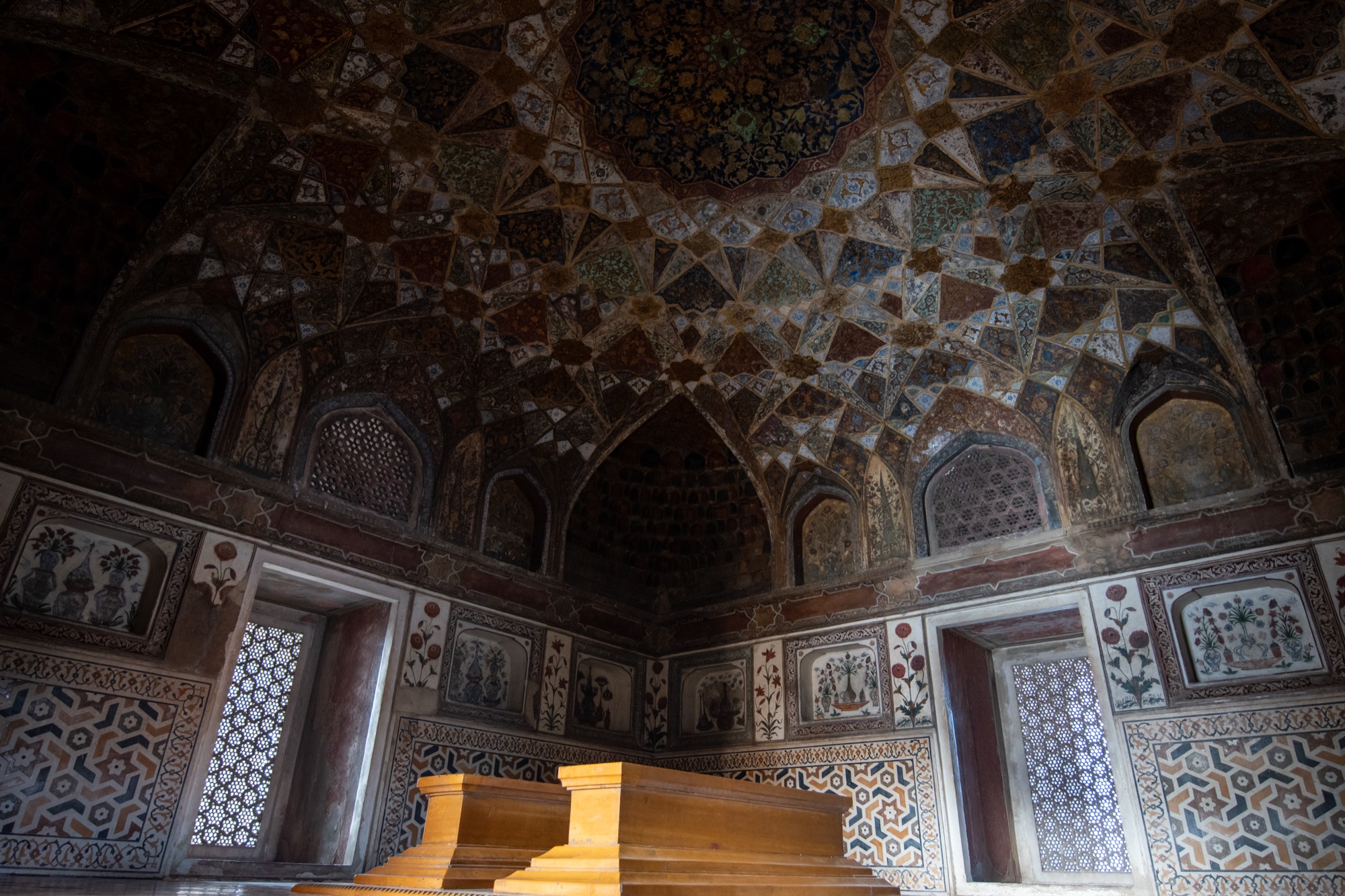
Hero photograph: Cenotaphs and the interior of the tomb of Itimad-ud-Daulah — CC BY-SA 4.0, via Wikimedia Commons
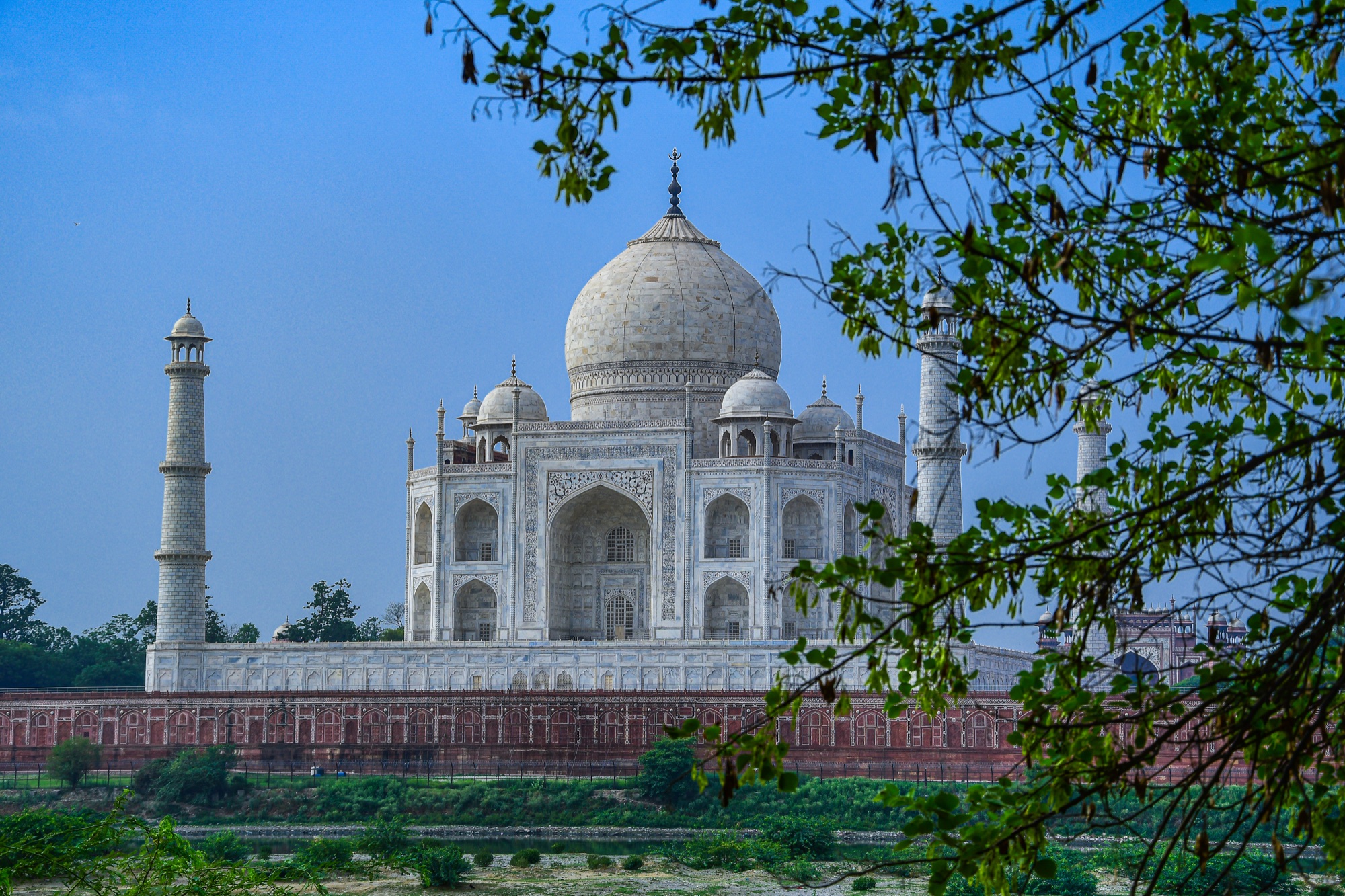
Agra holds three of the finest MughalMughalRelating to the Muslim dynasty of Central Asian descent that ruled most of the subcontinent from the sixteenth to the eighteenth century.Read in the glossary monuments in India besides the Taj Mahal — the great red fort from which an empire was ruled, the abandoned imperial city of Fatehpur Sikri, and the exquisite Baby Taj that anticipated the masterpiece by a generation — and giving the city a full day rather than a single sunrise is the difference between seeing a monument and understanding a dynasty. Most travellers arrive at dawn, photograph the Taj, and are gone by lunch. The discerning ones stay.
For roughly a century Agra was the capital of the richest empire on earth, and the Mughal court built here with an ambition it never quite matched elsewhere. The Taj is the summit of that building, but it does not stand alone; it is the last and greatest note in a sequence, and the city rewards anyone who reads the whole passage rather than only its final line.
The Taj is not a monument that stands alone but the last note in a sequence — and Agra rewards the traveller who reads the whole passage, not only its final line.
Agra Fort: the empire's other masterpiece
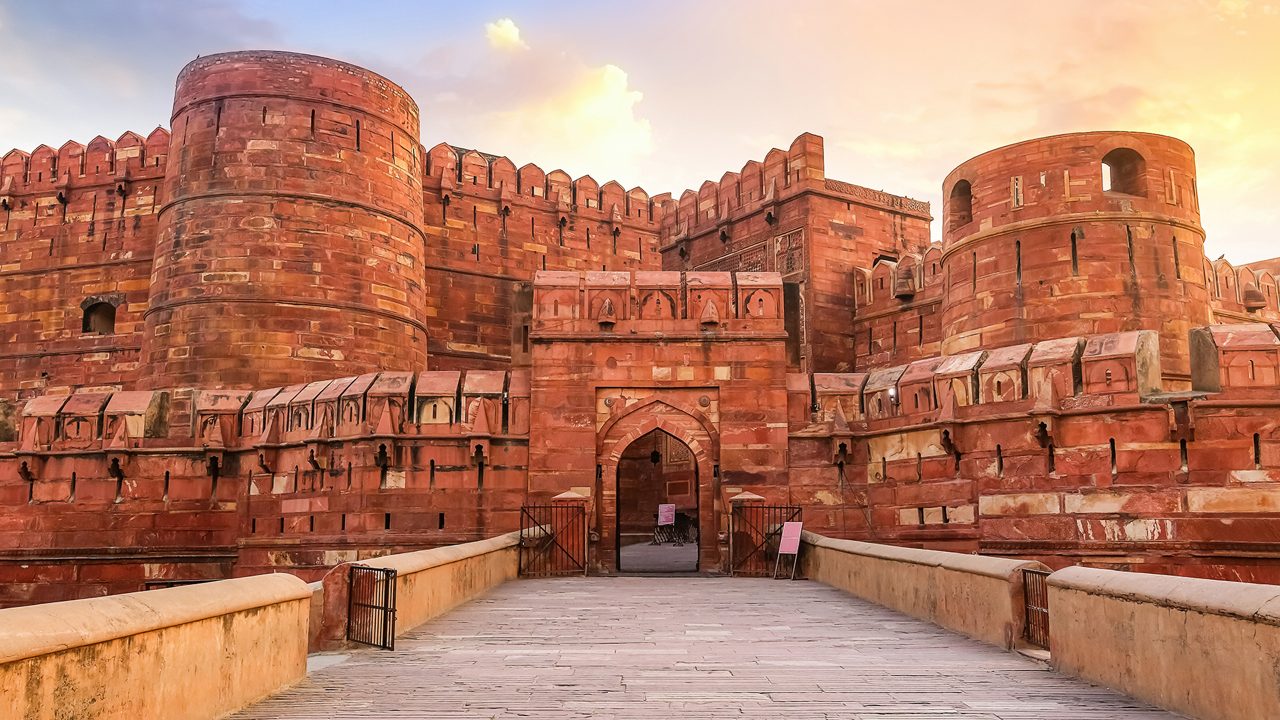
A short distance upriver from the Taj stands Agra Fort, a vast crescent of red sandstone walls enclosing a city of palaces, audience halls and mosques within. Begun by Akbar and remade in white marble by his grandson Shah Jahan, it was the seat from which the Mughals governed at their zenith, and it is a far larger and more layered place than most visitors expect — an afternoon here is easily filled.
Behind the military ramparts lies a world of refinement: mirrored private chambers, courtyards cooled by water channels, and jaaliJaaliA pierced stone or latticed screen that filters light and air while concealing whoever stands behind it.Read in the glossary screens cut so finely that the marble seems to breathe. From the octagonal Musamman Burj, the delicate marble tower on the river side, the Taj Mahal is visible across a bend of the Yamuna — a view that turns the fort from a monument into a story, and one of the most poignant in Indian history.
Fatehpur Sikri: the perfect city Akbar abandoned
Some forty kilometres west of Agra stands one of the strangest and most beautiful sites in India: Fatehpur Sikri, a complete imperial capital of red sandstone, raised by Akbar and then abandoned almost as soon as it was finished. To walk its courtyards today is to move through a Mughal city frozen at its moment of completion — the palaces, the great mosque, the private quarters, all standing much as they were left, and remarkably free of crowds.
Akbar built it to honour the SufiSufiRelating to Sufism, the mystical tradition within Islam that seeks direct experience of God, often through music, poetry and devotion to a saint.Read in the glossary saint Salim Chishti, who had foretold the birth of his son, and the emperor's own restless intelligence is written into every court — the debating hall where he gathered scholars of different faiths, the pavilion set in a pool for musicians, the chambers of his three queens each built in a different architectural idiom. Its great southern gateway, the Buland Darwaza, is among the tallest gateways in the world. A half-day here, paired with the fort, is the richest Mughal history Agra offers.
The Baby Taj and the garden across the river
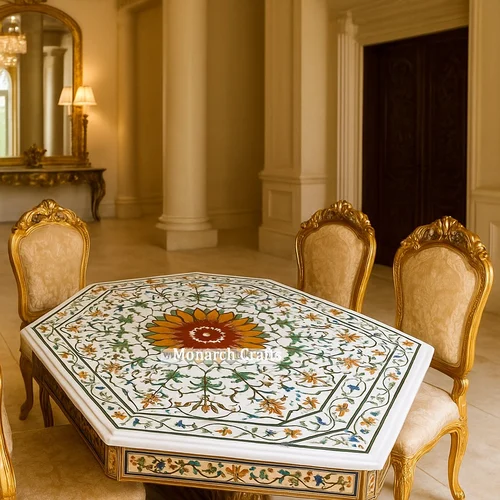
On the far bank of the Yamuna sits the monument that quietly rewards a photographer and a historian alike: the Tomb of Itmad-ud-Daulah, universally known as the Baby Taj. Smaller and more intimate than its famous descendant, it is in some ways more delicately worked — a marble jewel box inlaid in coloured stone, and a rehearsal, a generation early, for everything the Taj would later perfect.
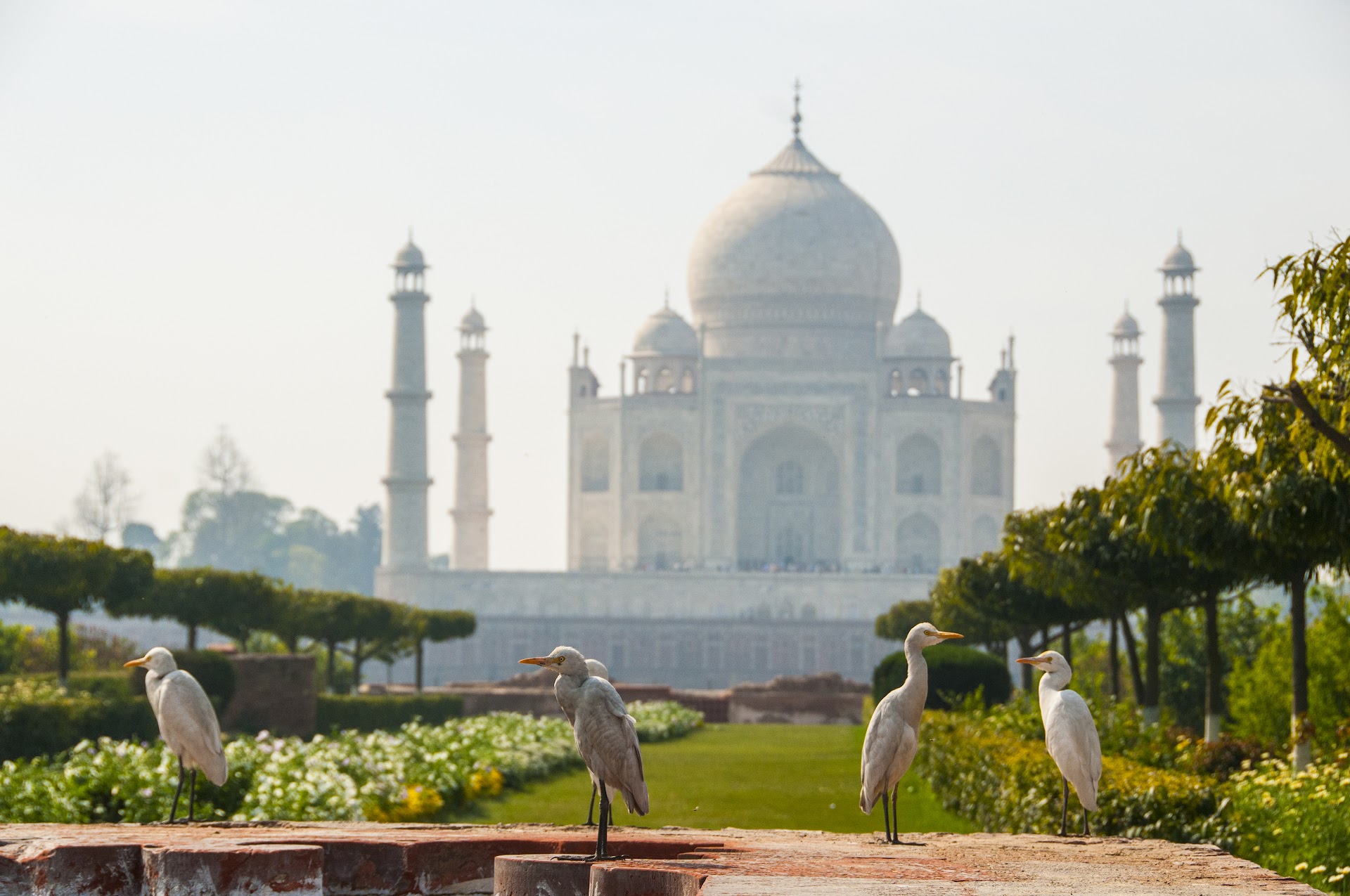
A little further along the same bank lies Mehtab Bagh, a Mughal charbaghCharbaghThe Persian fourfold garden, quartered by water channels, that provides the setting for the great Mughal tombs.Read in the glossary garden laid out directly across the river from the Taj Mahal and aligned precisely with it. It offers the finest uncrowded view of the Taj there is — the whole monument reflected in the Yamuna, at its most magical in the golden light of late afternoon, with herons working the shallows in the foreground. It is where those in the know go to watch the Taj rather than to queue at it.
How Agra fits a journey
Agra sits at the eastern point of the classic Golden Triangle with Delhi and Jaipur, and the honest advice is to give it a night rather than treat it as a day trip. Staying over allows the Taj at dawn, when the marble shifts from grey to blush and the crowds are thinnest, and it leaves the afternoon free for the fort and the following morning for Fatehpur Sikri on the road towards Jaipur.
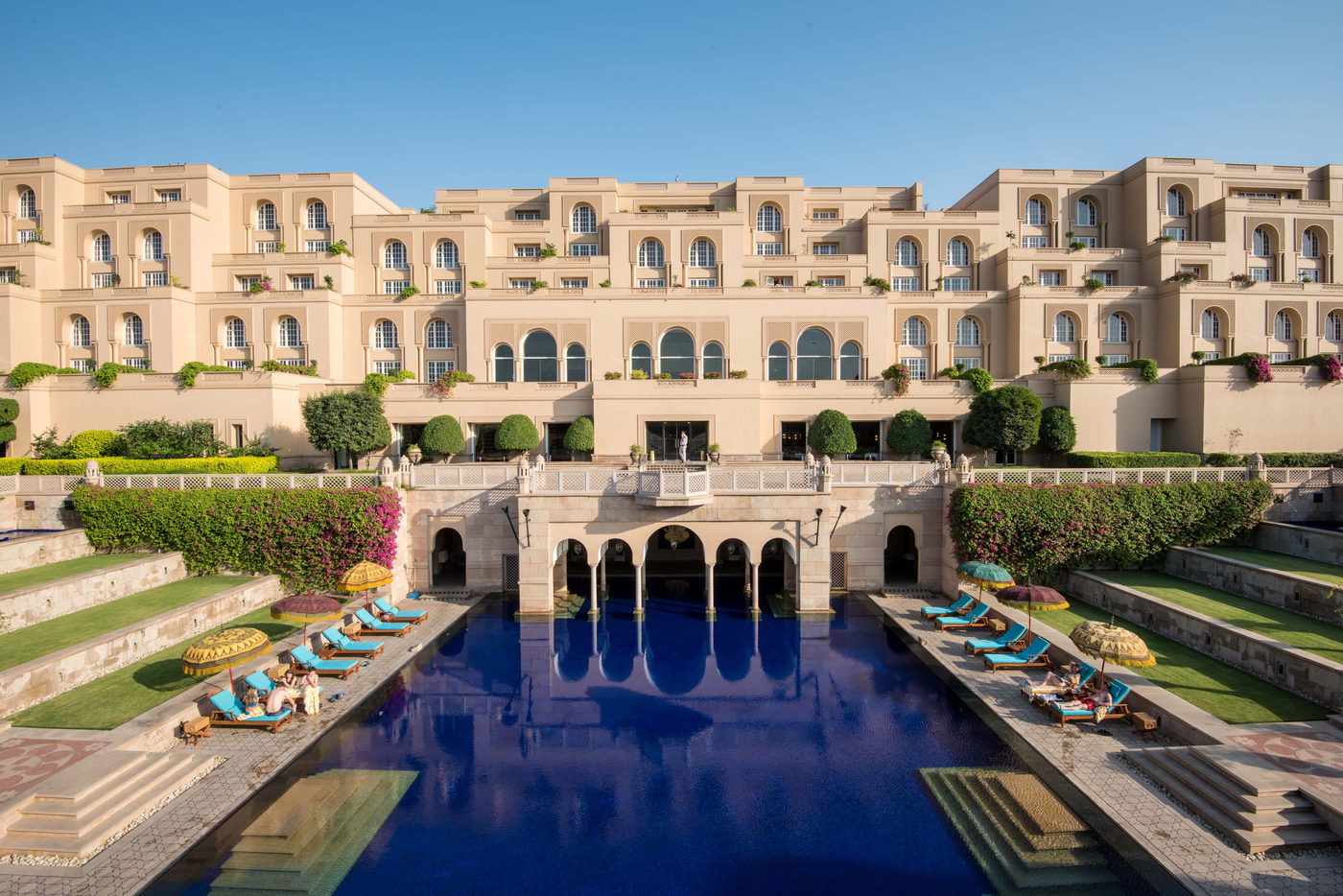
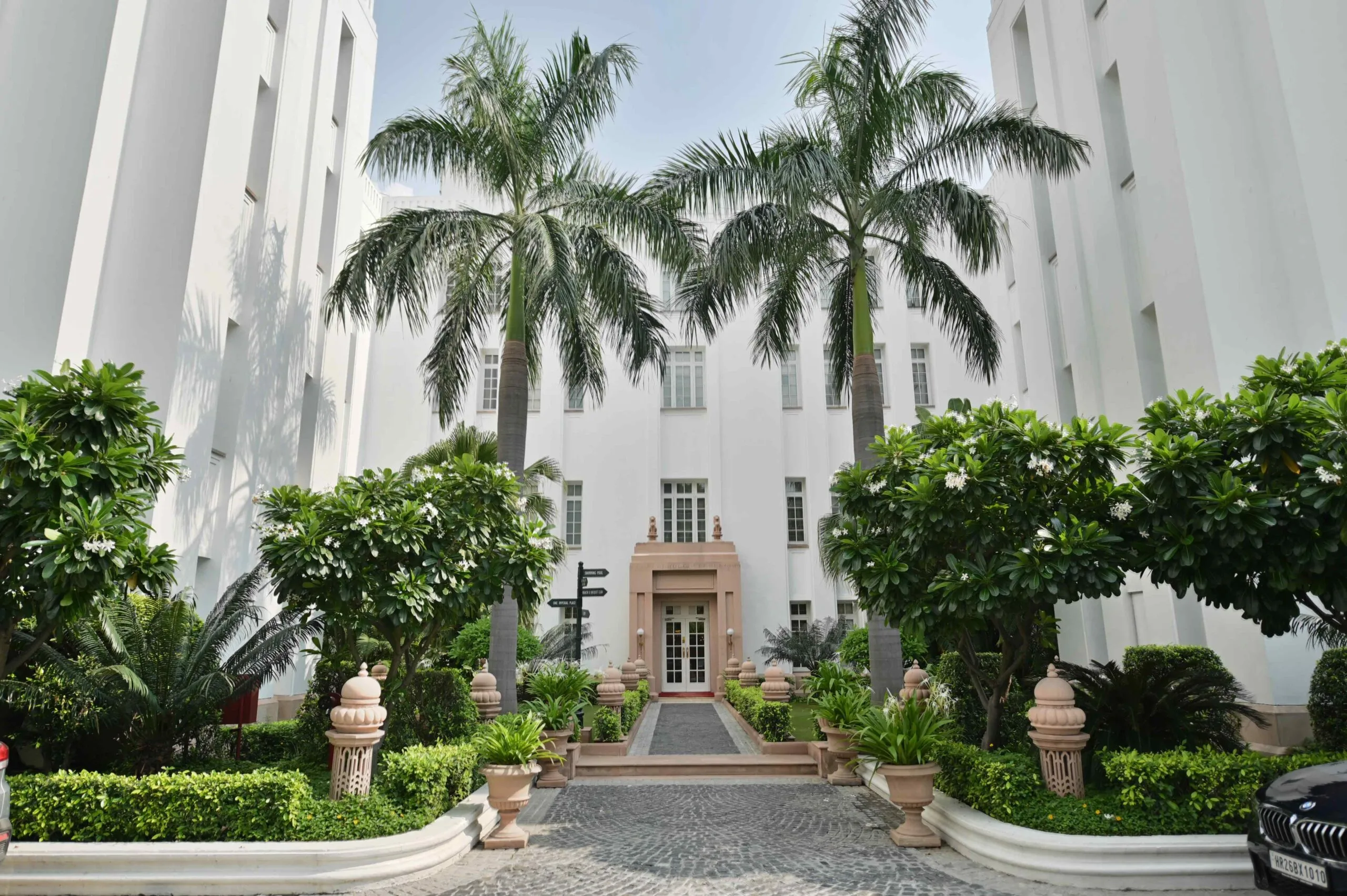
A handful of exceptional hotels make the case for lingering — one or two of them framing the Taj from every room, so that the monument becomes the view you wake to rather than a stop on a schedule. Elevated India composes Agra with private guiding and unhurried timing: the Taj at first light, the fort and the Baby Taj without the coach parties, and Fatehpur Sikri woven into the drive onward — so that the city gives up its full Mughal story rather than a single photograph.
Questions, Answered
What is there to see in Agra besides the Taj Mahal?
Agra Fort, the vast red-sandstone seat of Mughal power; Fatehpur Sikri, Akbar's abandoned imperial capital 40km west; the Tomb of Itmad-ud-Daulah, or Baby Taj; and Mehtab Bagh, the riverside garden with the finest uncrowded view of the Taj. Together they easily fill a full day and a half.
How many days do you need in Agra?
One to two days. Staying overnight allows the Taj Mahal at dawn, Agra Fort and the Baby Taj in the afternoon, and Fatehpur Sikri the next morning on the road to Jaipur. Treating Agra only as a day trip from Delhi misses most of what makes the city extraordinary.
Journeys That Take You There
Read Next