India's Greatest Attractions, Visited Privately
The subcontinent's defining sights — and the hours, guides and small strategies that separate witnessing them from queuing at them. Our curators' working notes.
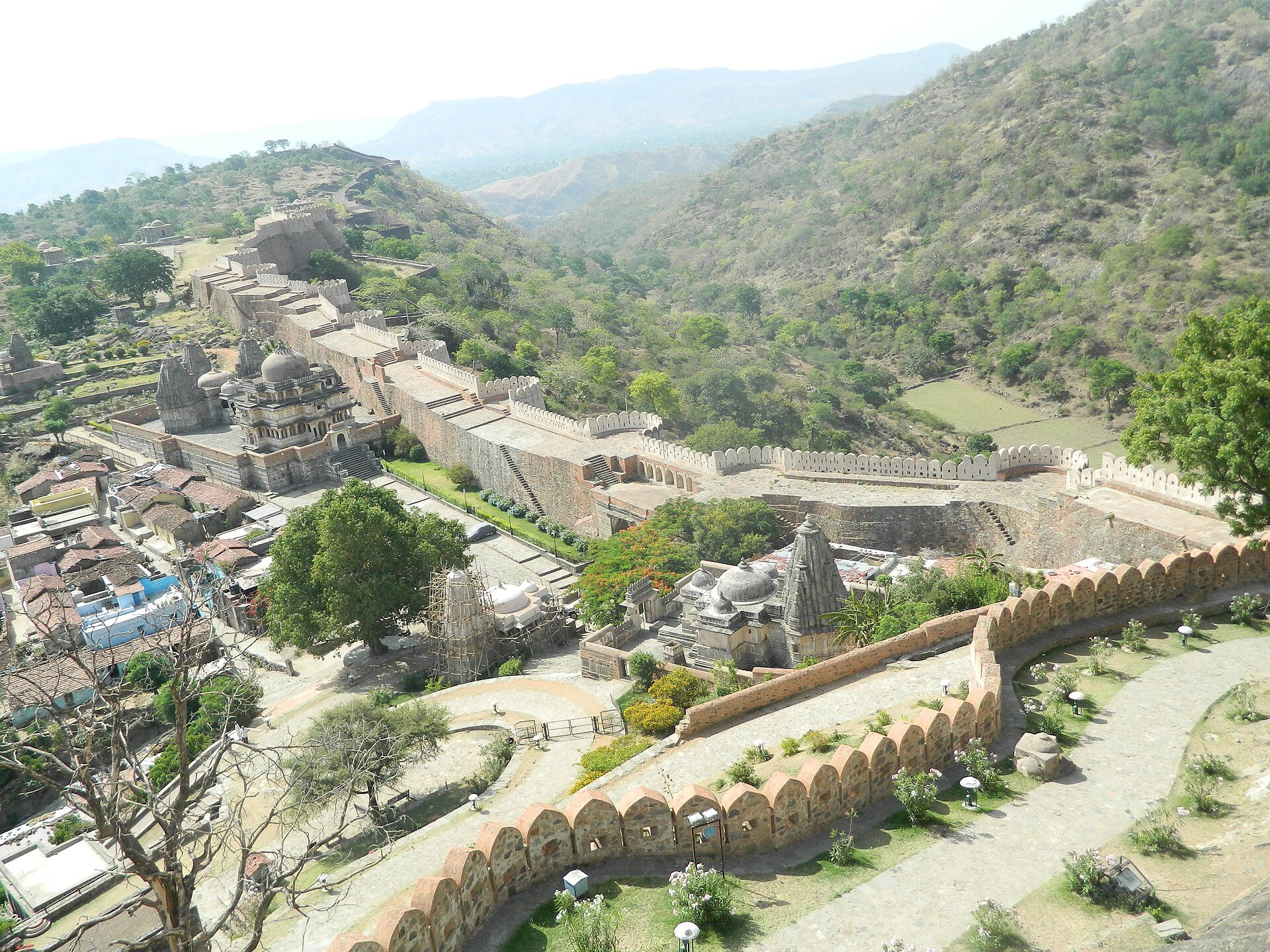
Rajsamand district, Rajasthan
Kumbhalgarh Fort
A fort built in one go, by a named architect, with a wall that runs thirty-six kilometres over the Aravallis.
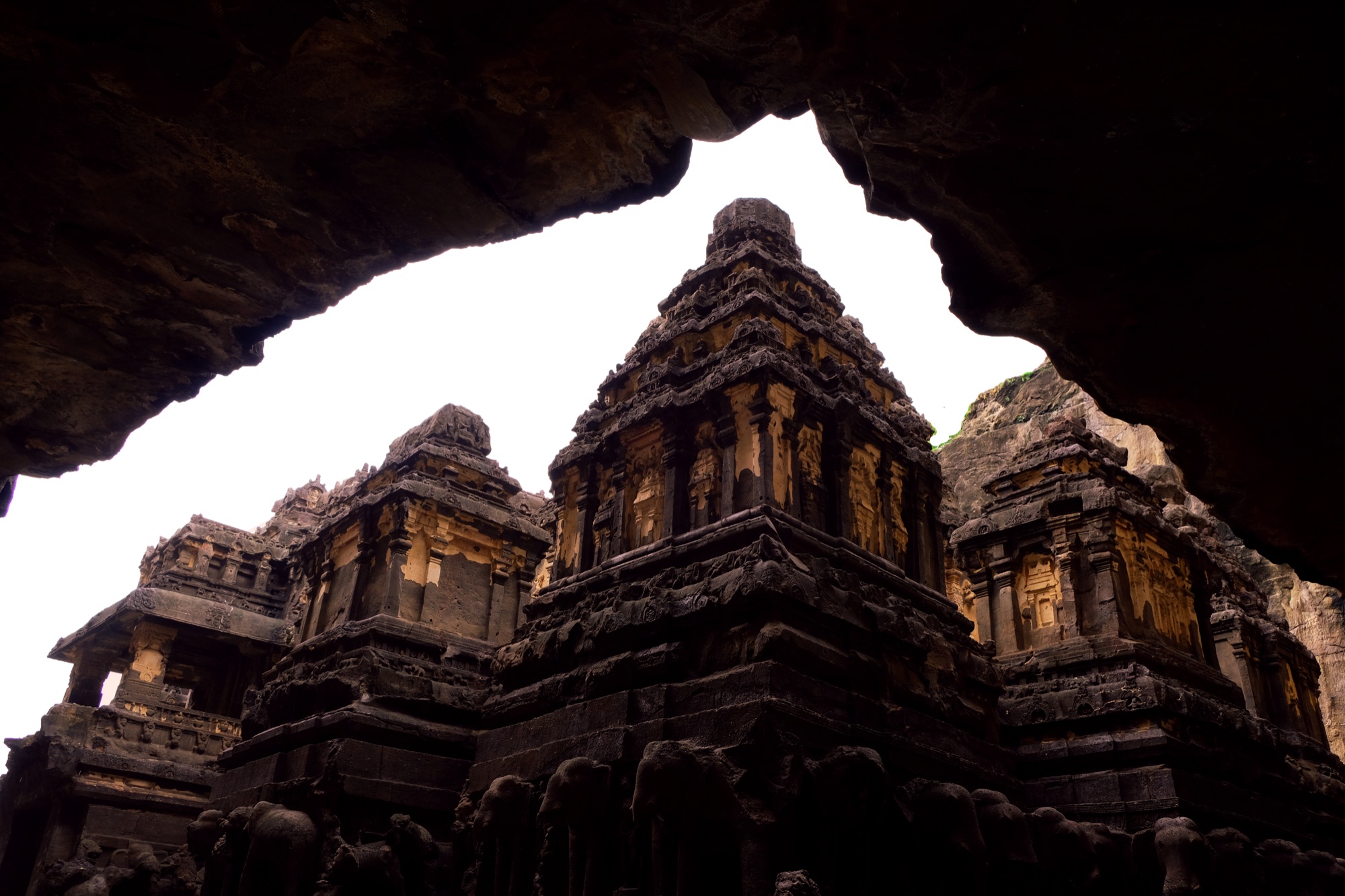
Ellora, near Aurangabad, Maharashtra
Ellora Caves
Thirty-four temples cut down into a basalt cliff over five centuries — and at their heart the Kailasa, the largest structure ever carved from a single rock.
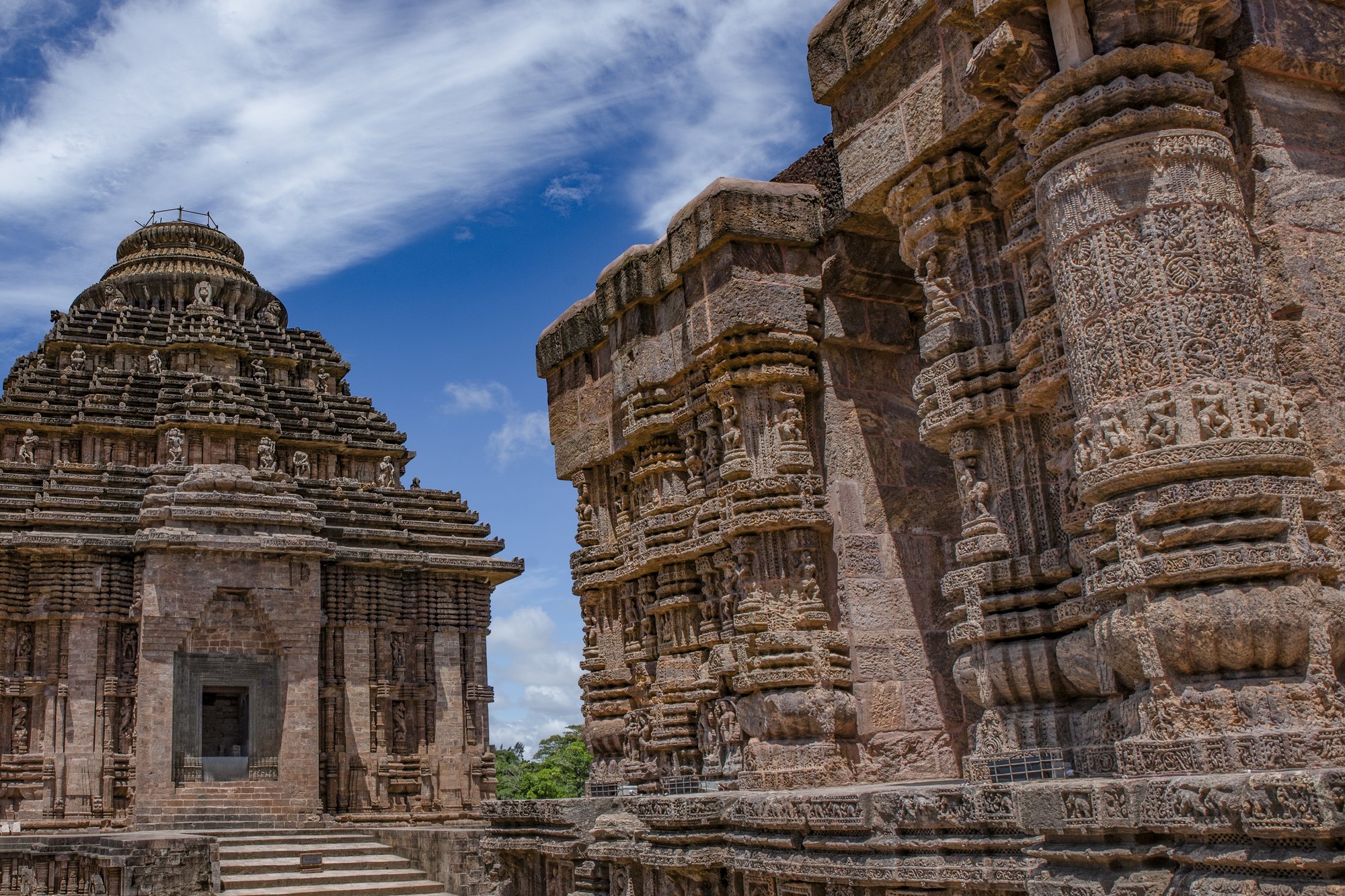
Konark, Odisha
Konark Sun Temple
A thirteenth-century temple built as the sun god's chariot — twenty-four carved stone wheels and seven straining horses, drawing Surya across the Odisha sky.
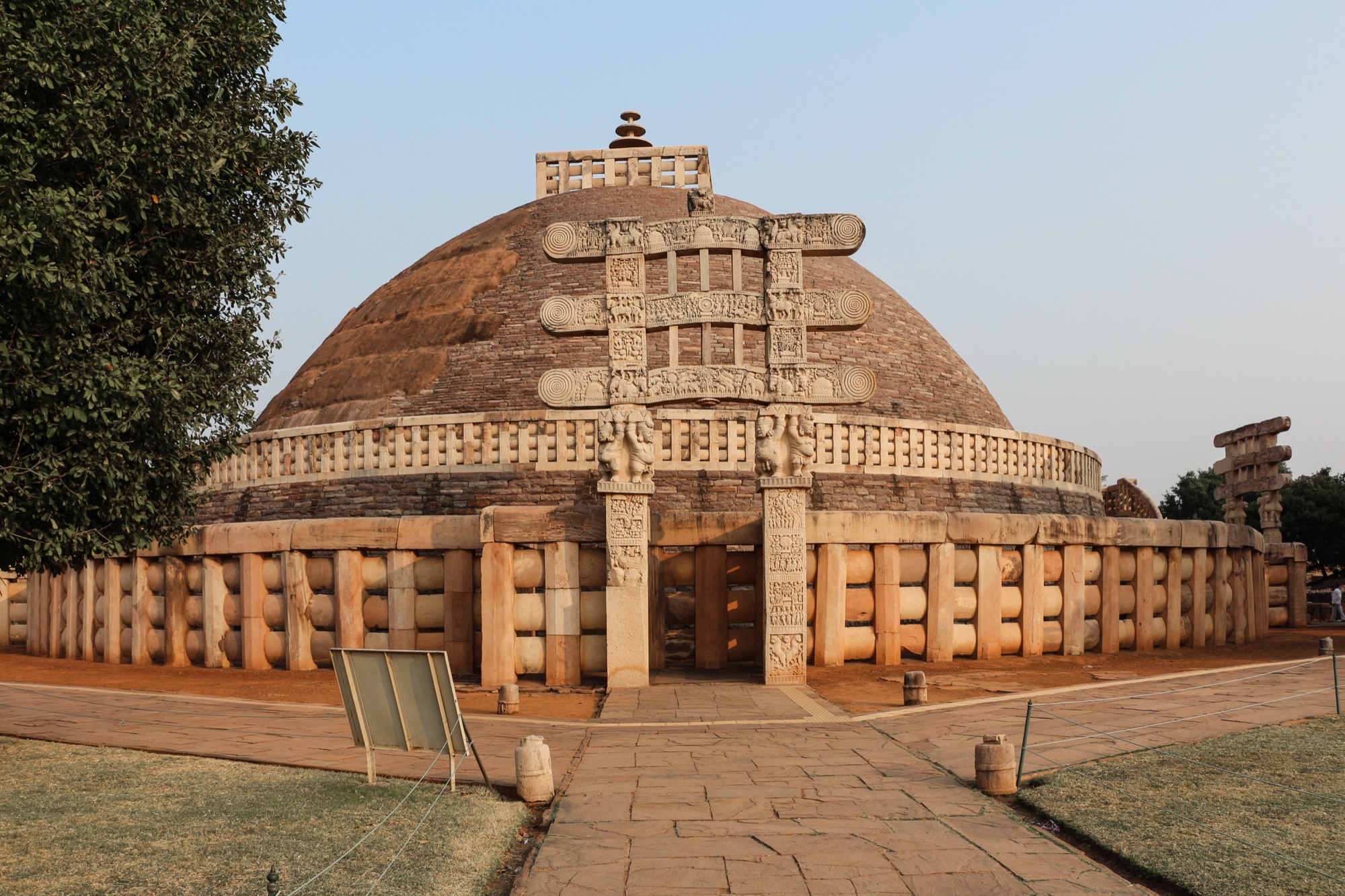
Sanchi, near Vidisha, Madhya Pradesh
Sanchi Stupa
The Great Stupa begun by the emperor Ashoka in the third century BCE — among the oldest stone structures in India, ringed by four gateways carved with the whole early Buddhist world.
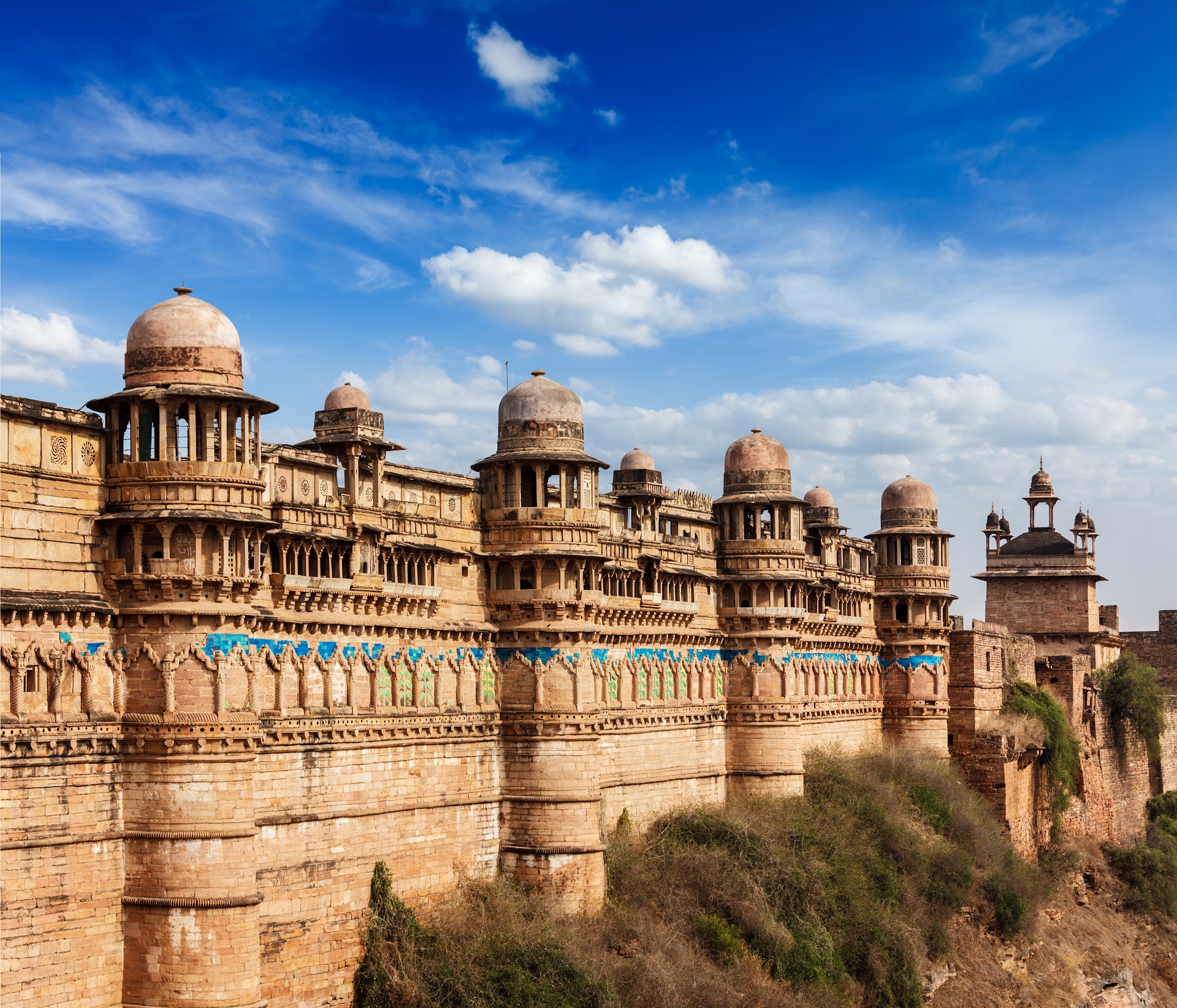
Gwalior, Madhya Pradesh
Gwalior Fort
The hill fort the Mughals called the pearl among India's fortresses — and the temple wall where zero was first written down.
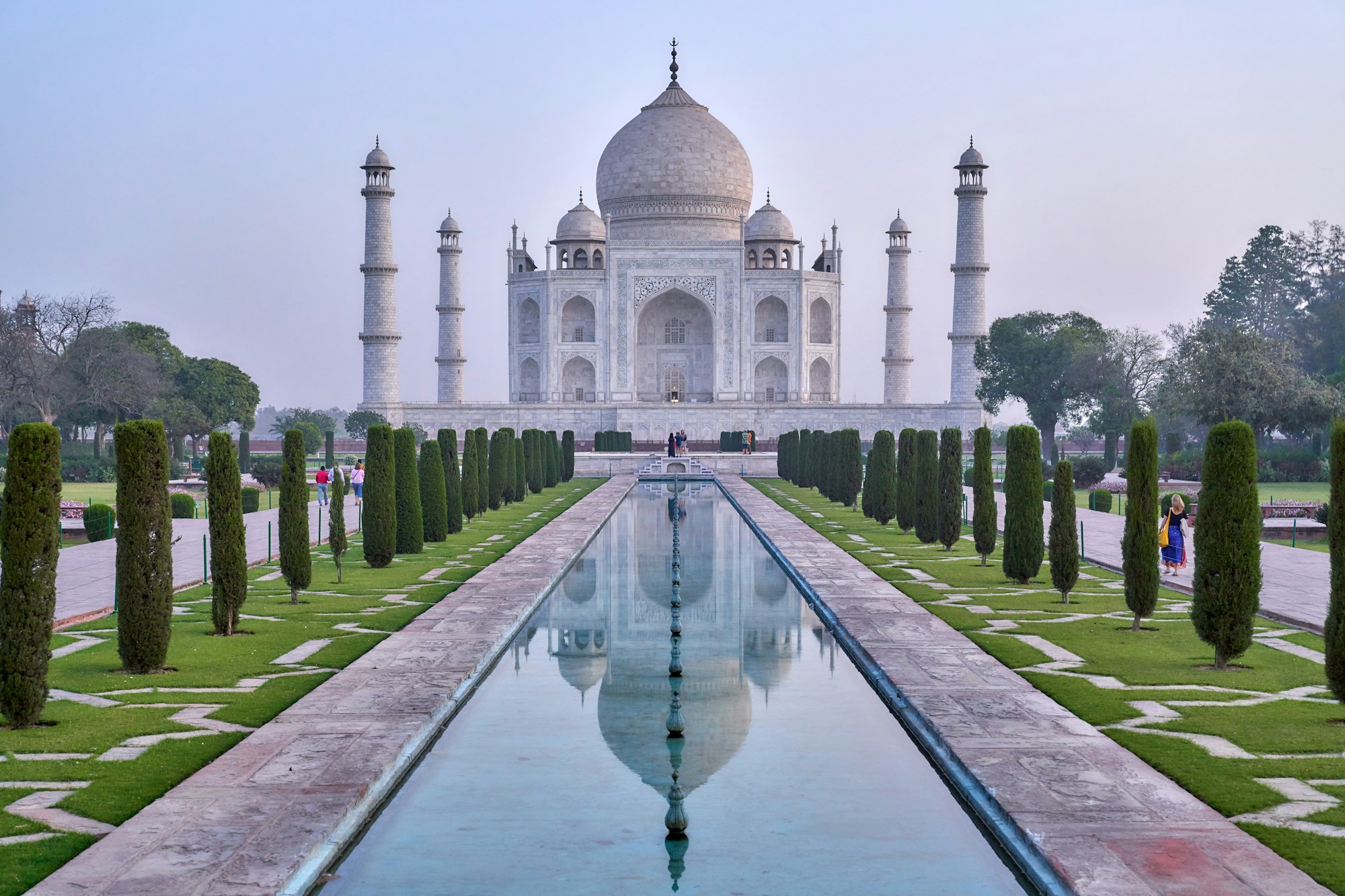
Agra, Uttar Pradesh
Taj Mahal
The world's monument to love — and still, at dawn, capable of silencing every visitor it receives.
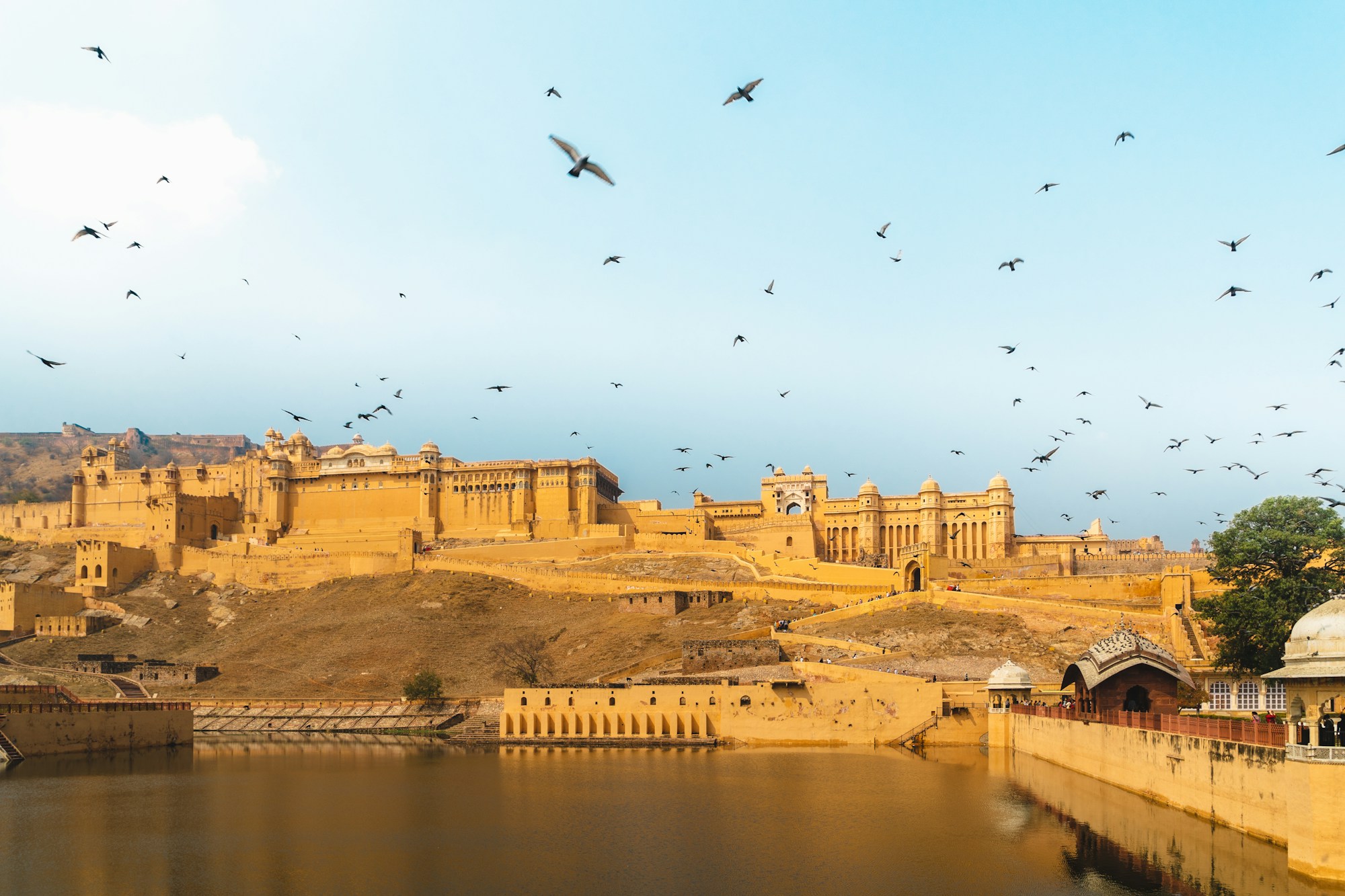
Jaipur, Rajasthan
Amber Fort
The Kachwaha citadel above Maota Lake — Rajput power rendered in sandstone, mirror and light.
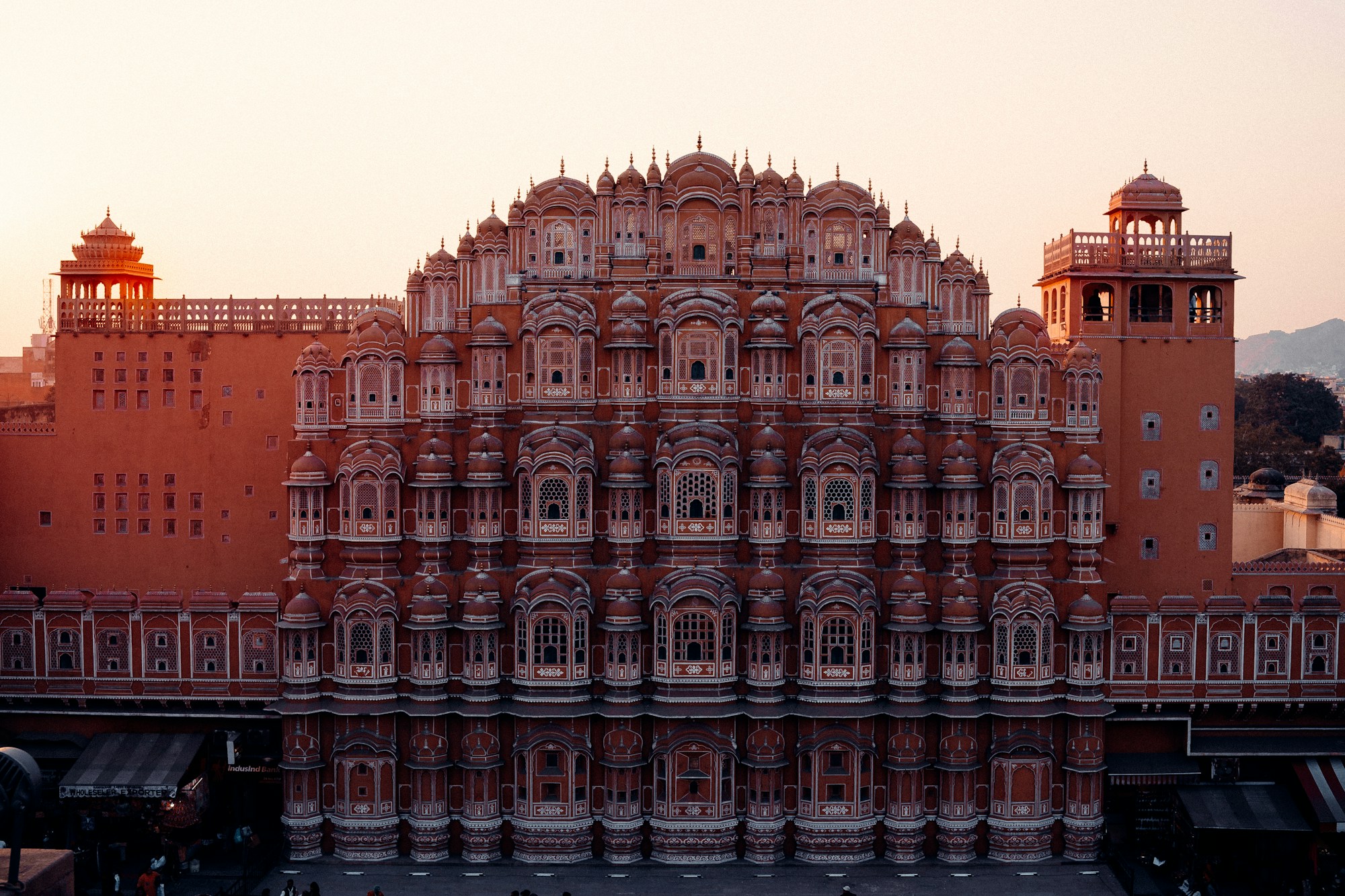
Jaipur, Rajasthan
Hawa Mahal
The Palace of Winds — 953 latticed windows built so royal women could watch the city unseen.
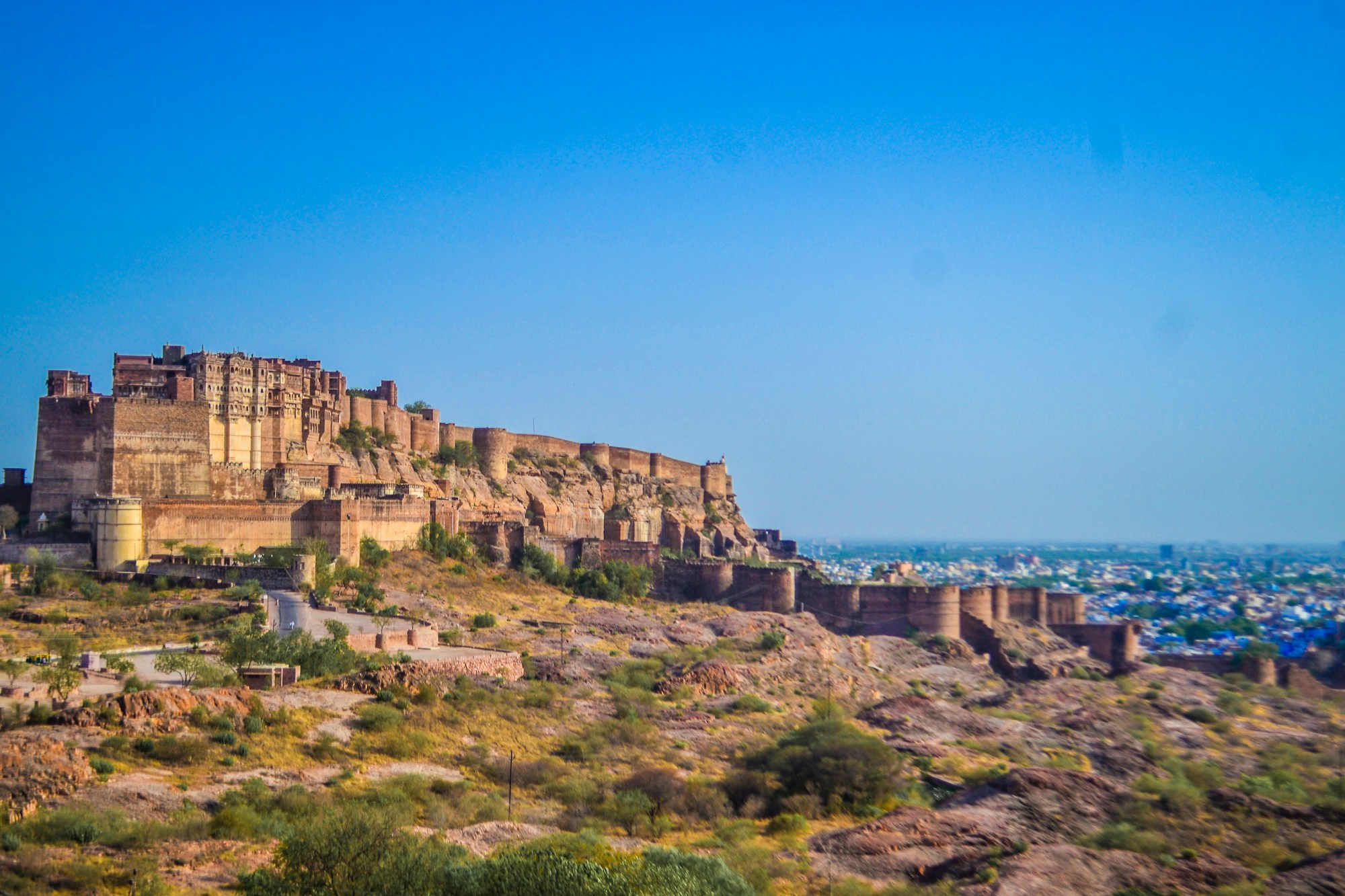
Jodhpur, Rajasthan
Mehrangarh Fort
Four hundred feet of sheer sandstone above the Blue City — India's most impressive hill fort.
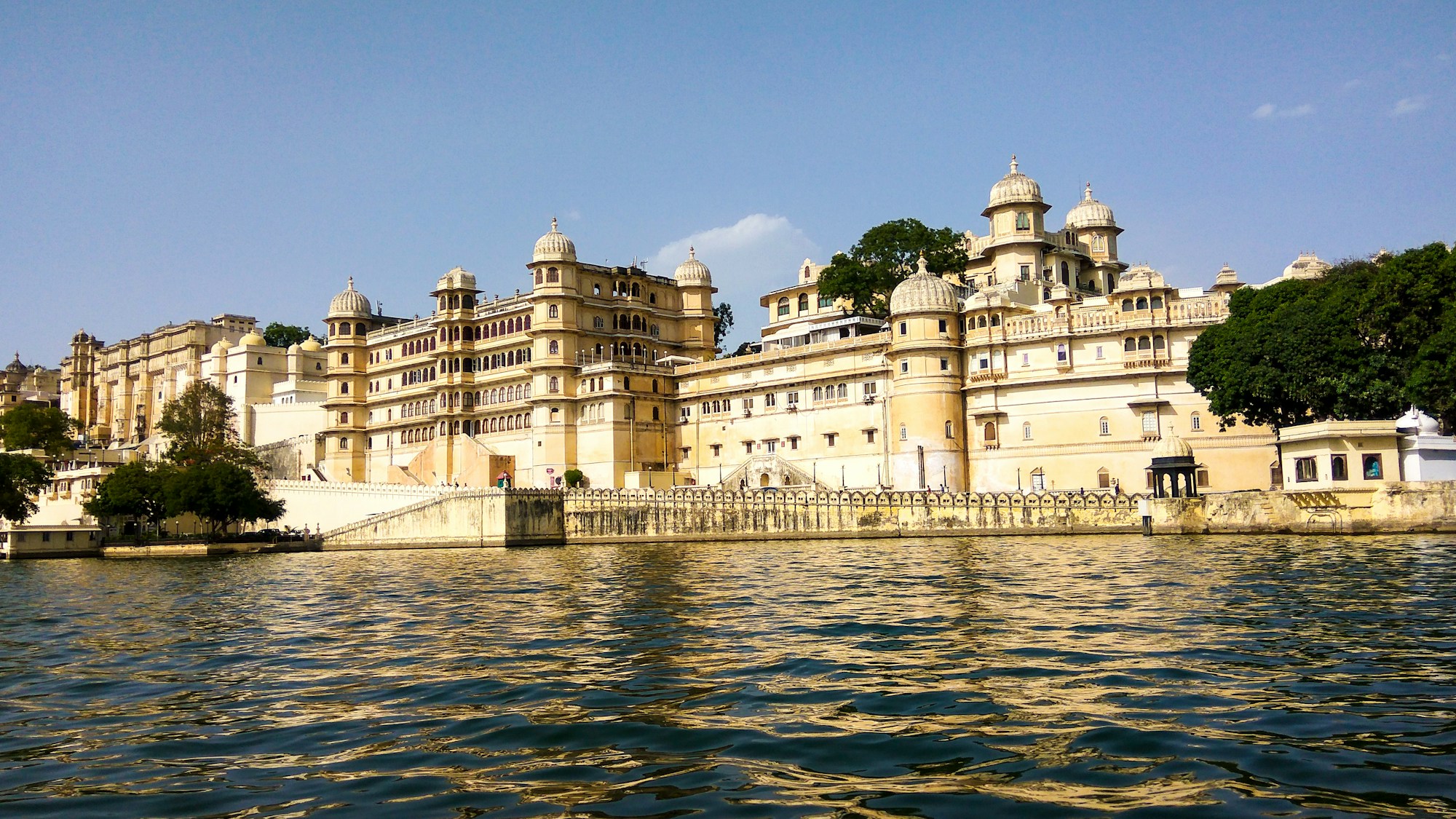
Udaipur, Rajasthan
City Palace
Four centuries of Mewar palaces stacked above Lake Pichola — the seat of one of the world's oldest ruling houses.
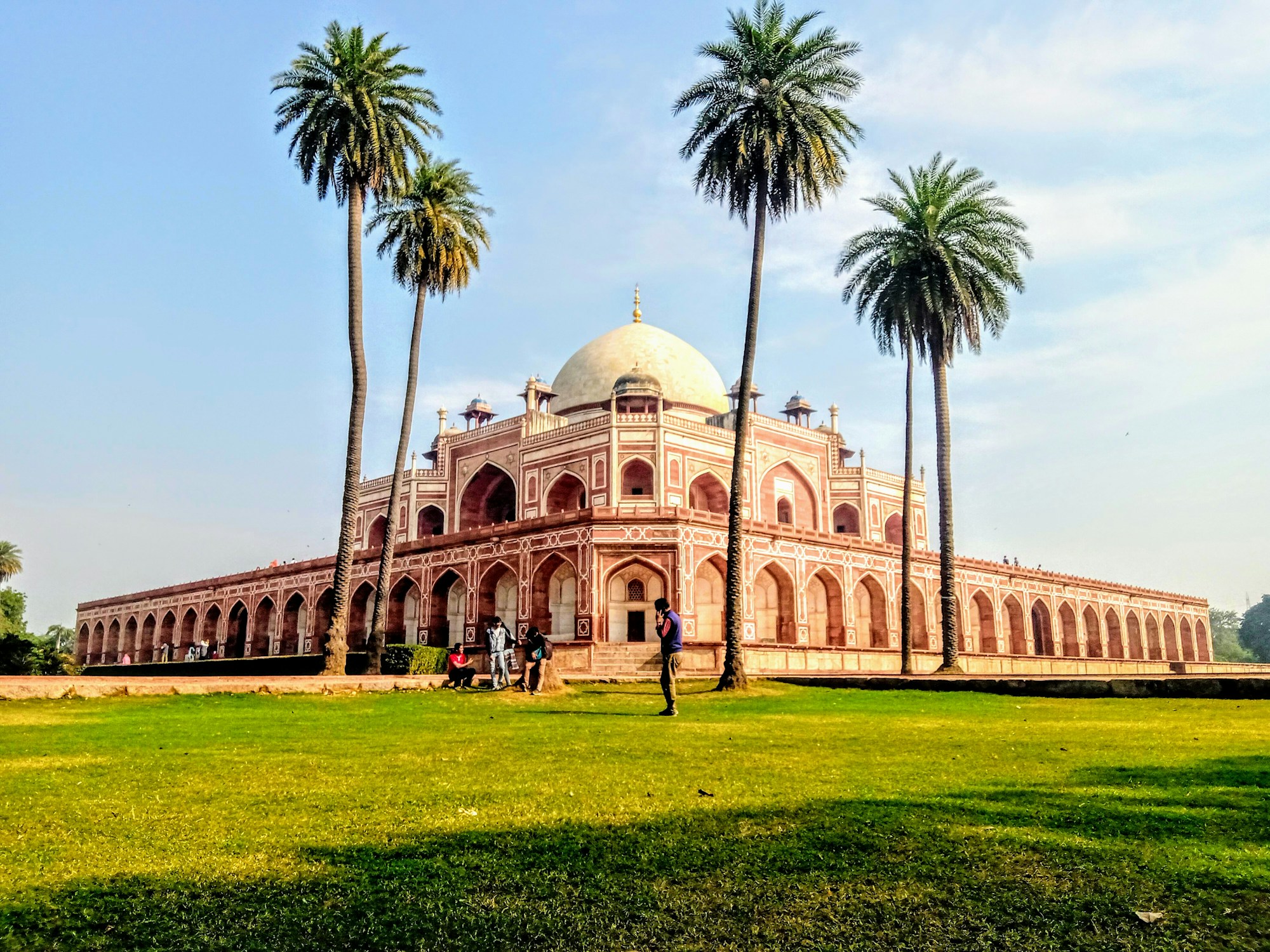
New Delhi
Humayun's Tomb
The Taj Mahal's architectural grandfather — Mughal garden-tomb perfection, eighty years earlier.
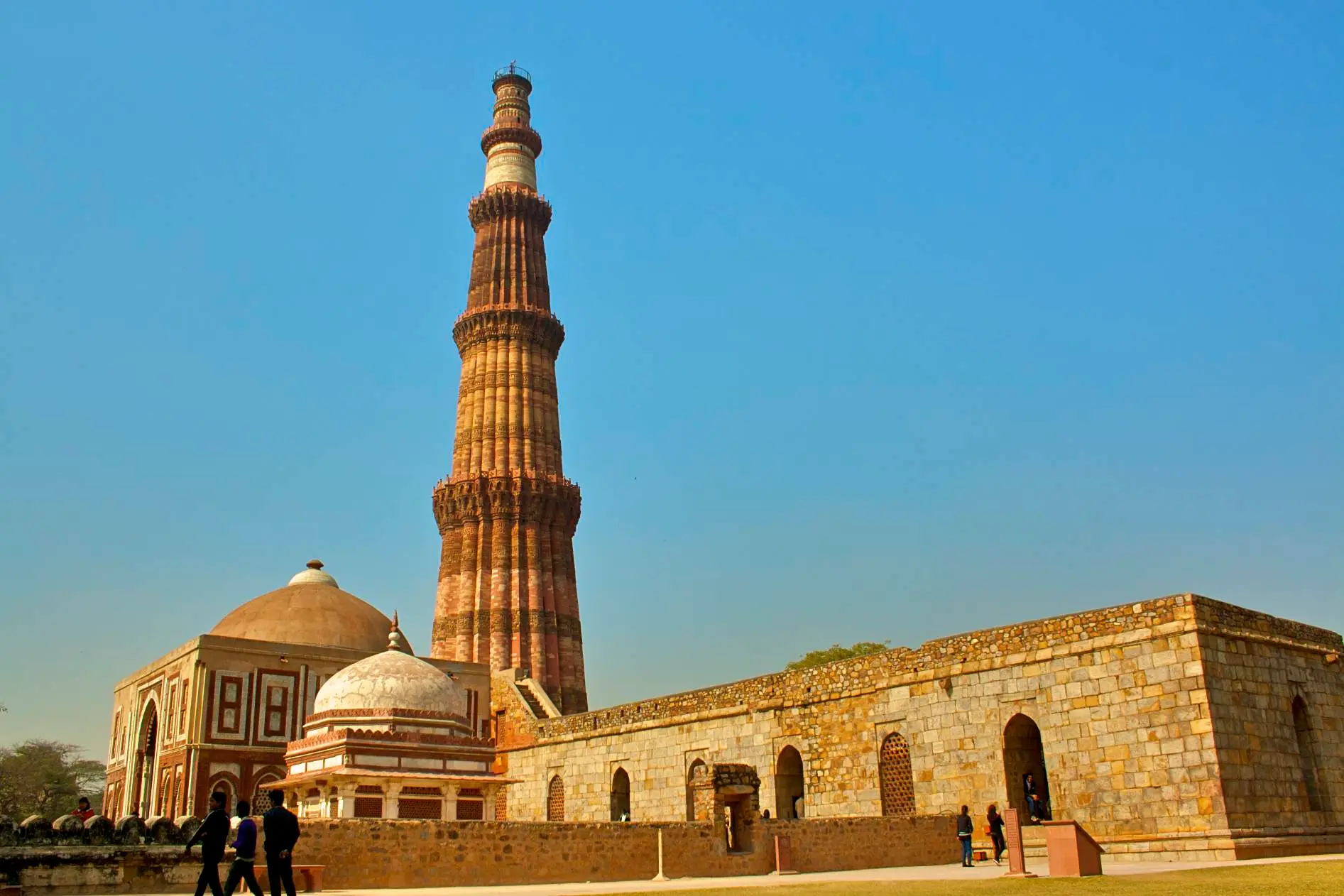
New Delhi
Qutub Minar
A 73-metre victory tower of carved sandstone — eight centuries old and still Delhi's exclamation mark.
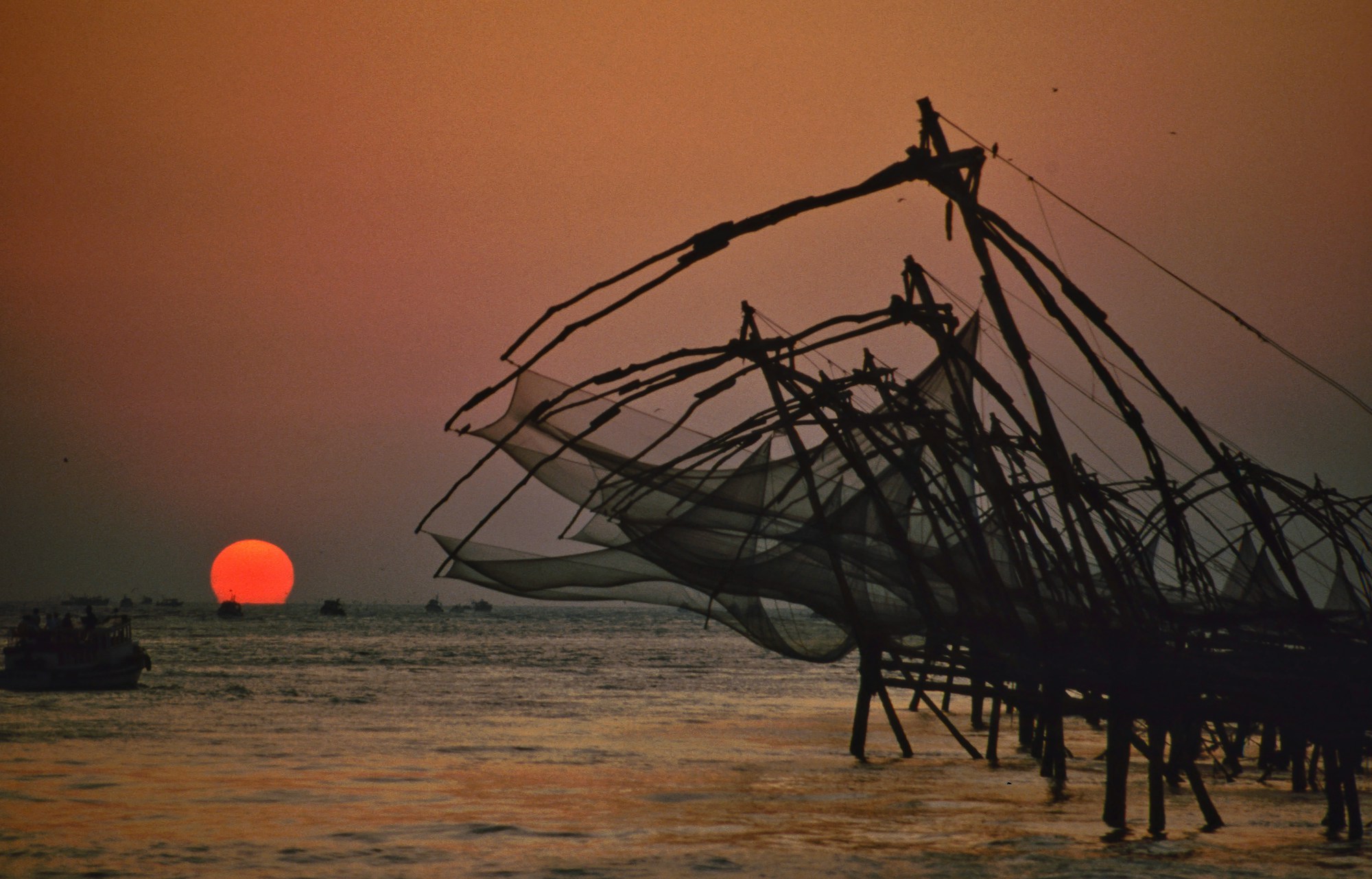
Fort Kochi, Kerala
Chinese Fishing Nets
Six-century-old cantilevered nets still working Kochi's harbour — the Malabar coast's signature silhouette.
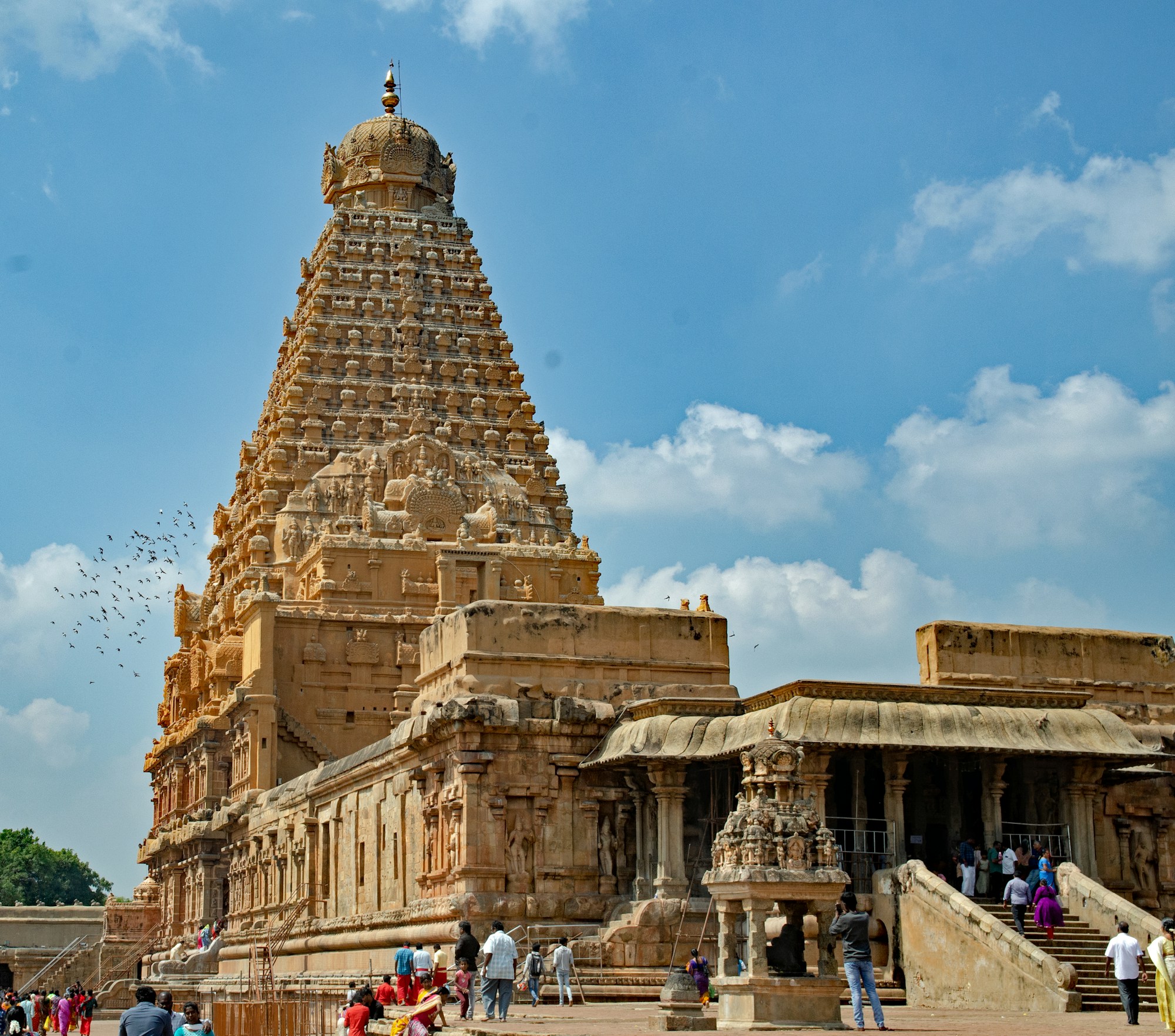
Thanjavur, Tamil Nadu
Brihadeeswarar Temple
The Chola empire's granite masterpiece — a 66-metre tower, a thousand years old, still a working temple.
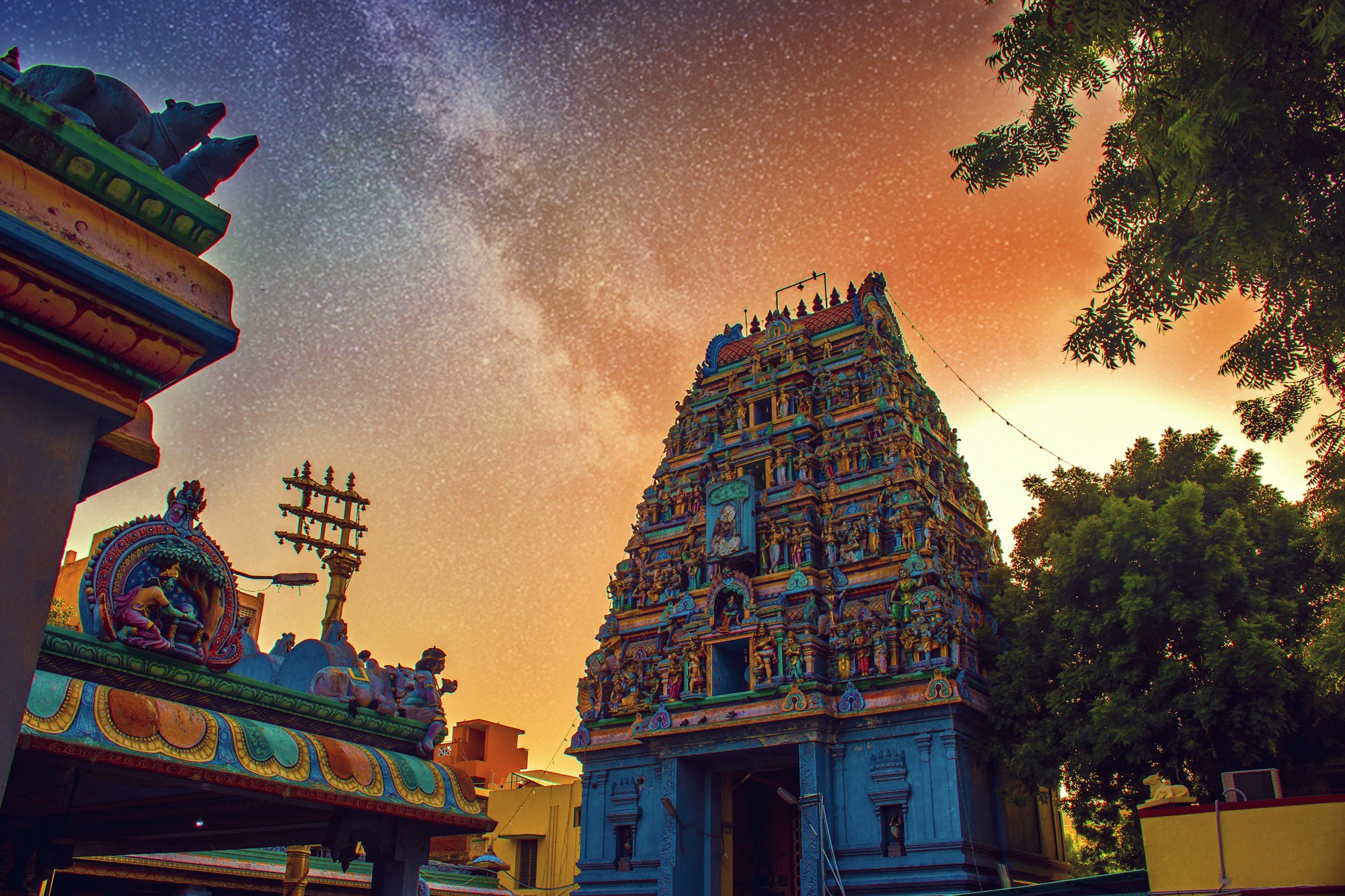
Madurai, Tamil Nadu
Meenakshi Amman Temple
Fourteen painted towers, a thousand-pillared hall, and a ritual day that has not paused in centuries.
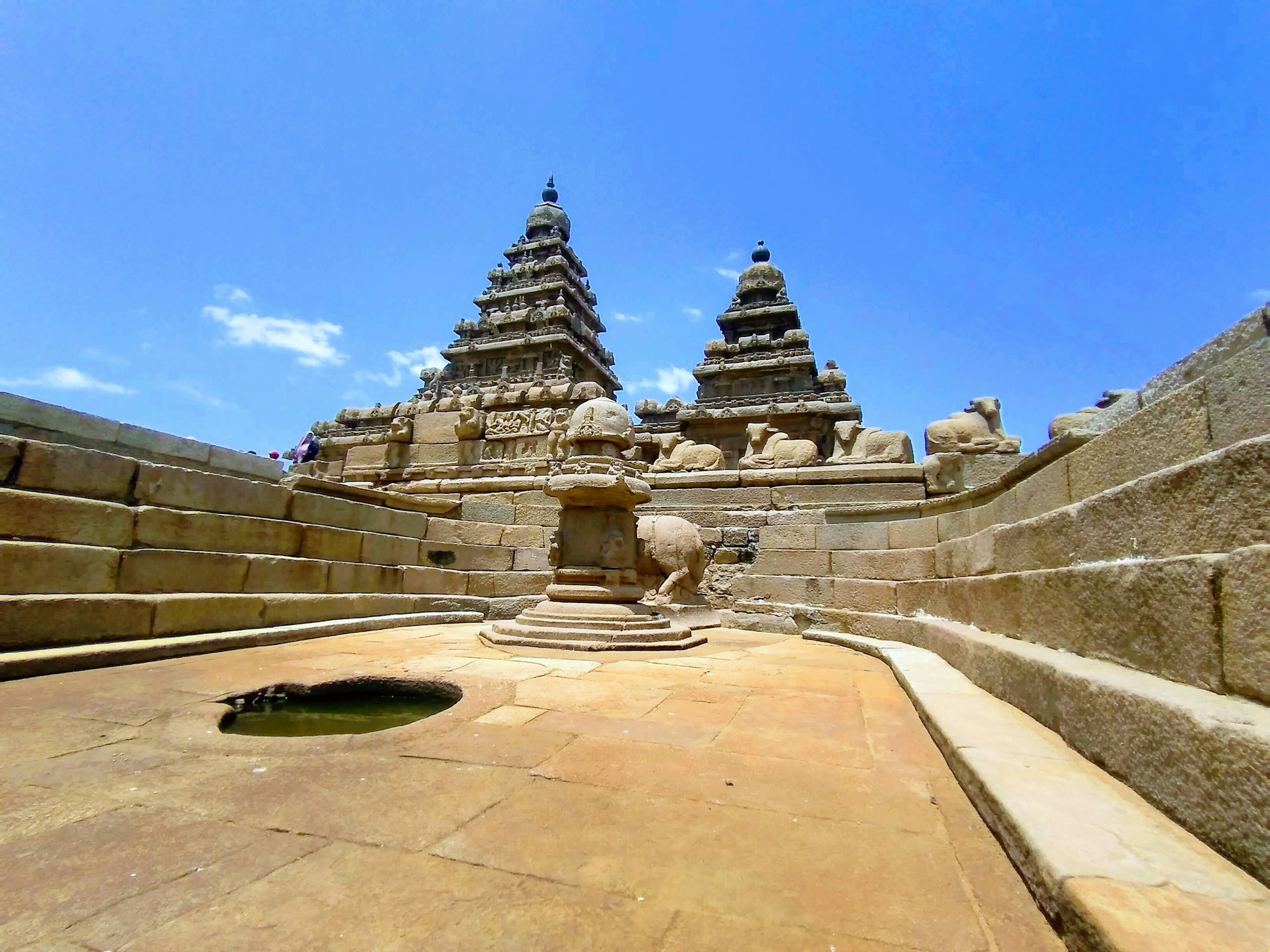
Mahabalipuram, Tamil Nadu
Shore Temple
Thirteen centuries of sea wind against Pallava granite — the survivor of the Seven Pagodas.
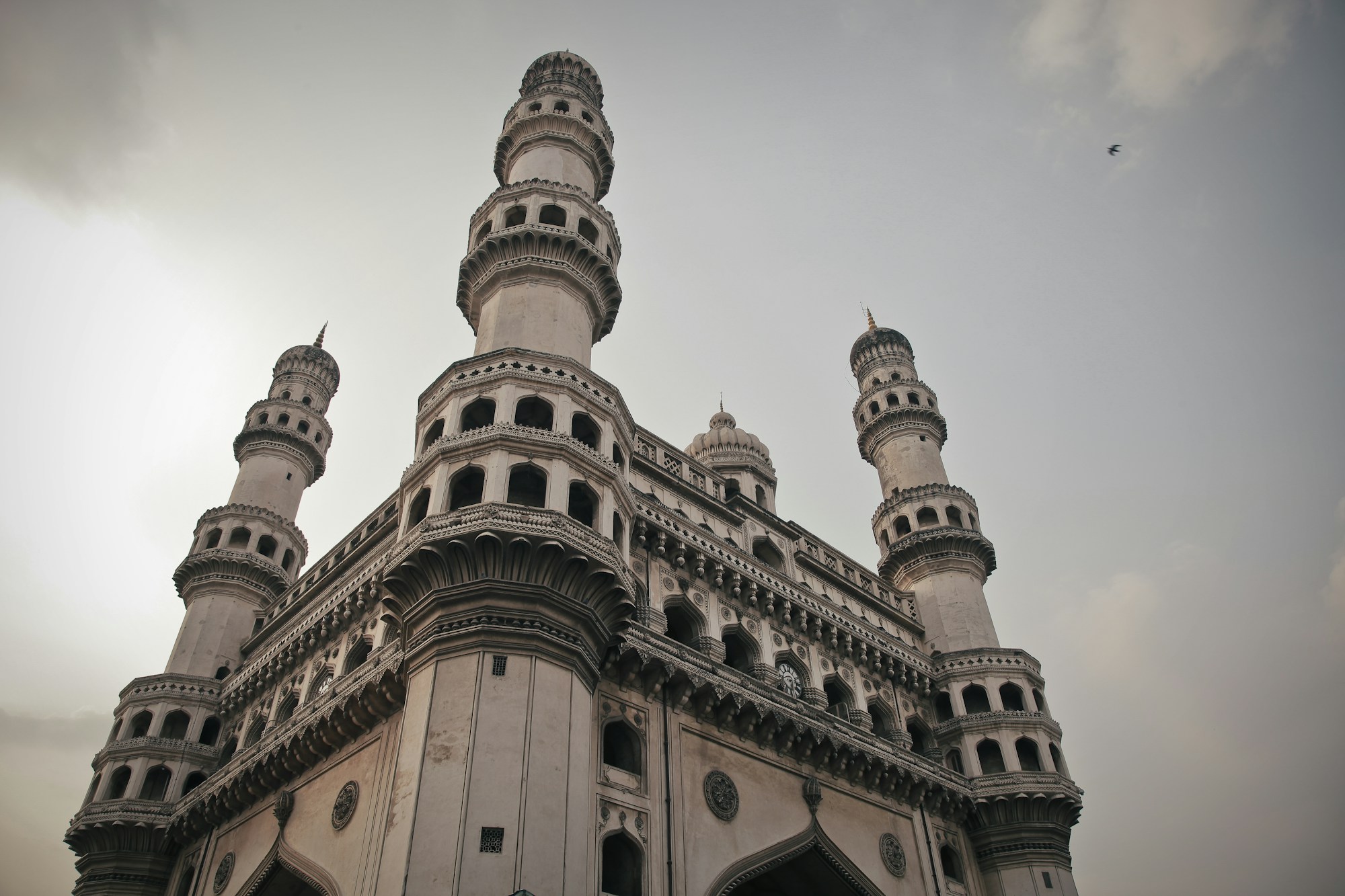
Hyderabad, Telangana
Charminar
Four minarets over four royal roads — Hyderabad's founding monument, ringed by four centuries of bazaar.
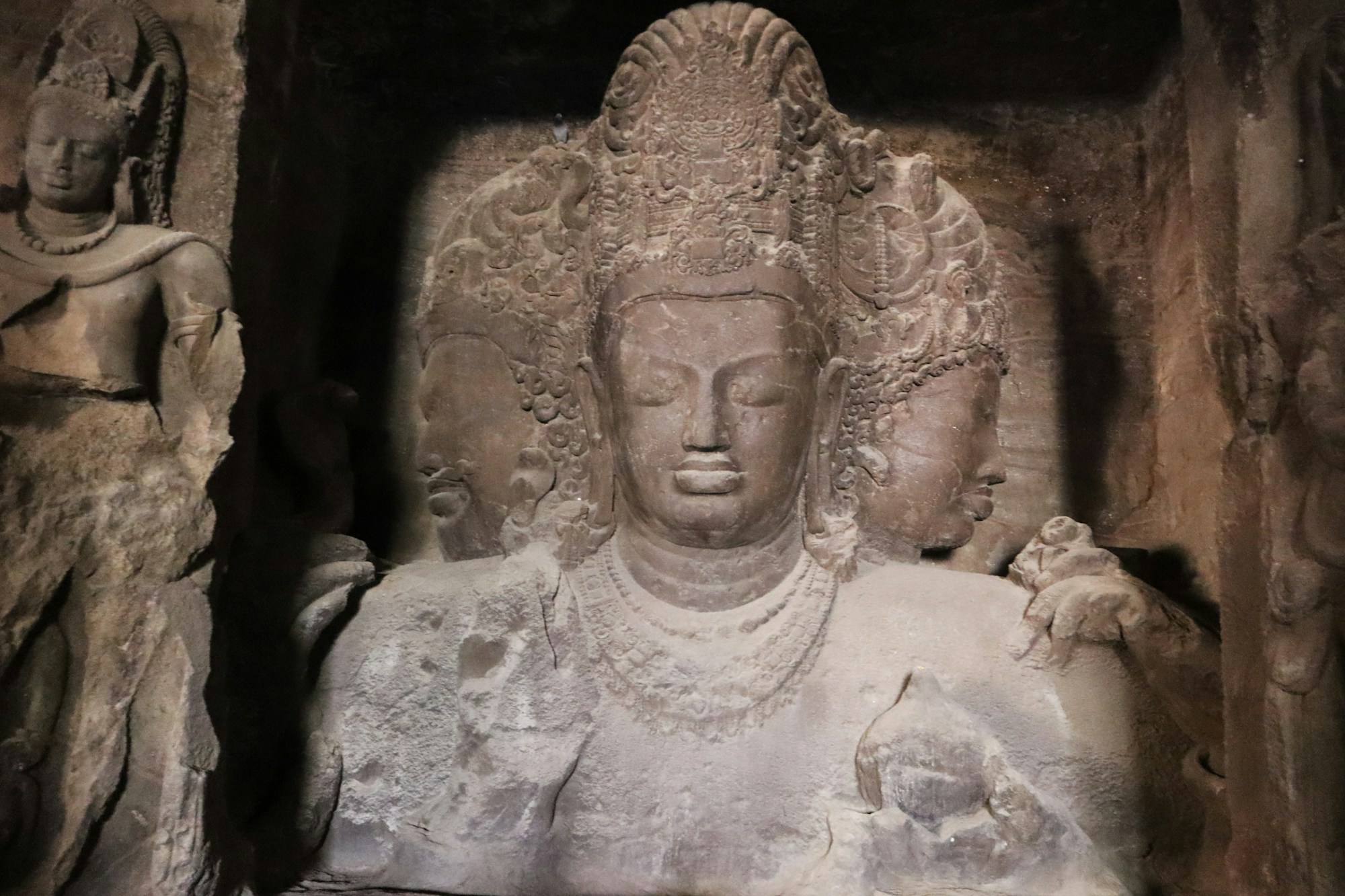
Mumbai Harbour, Maharashtra
Elephanta Caves
An hour by boat from the Gateway — and fourteen centuries back, to the three-faced Shiva in the rock.
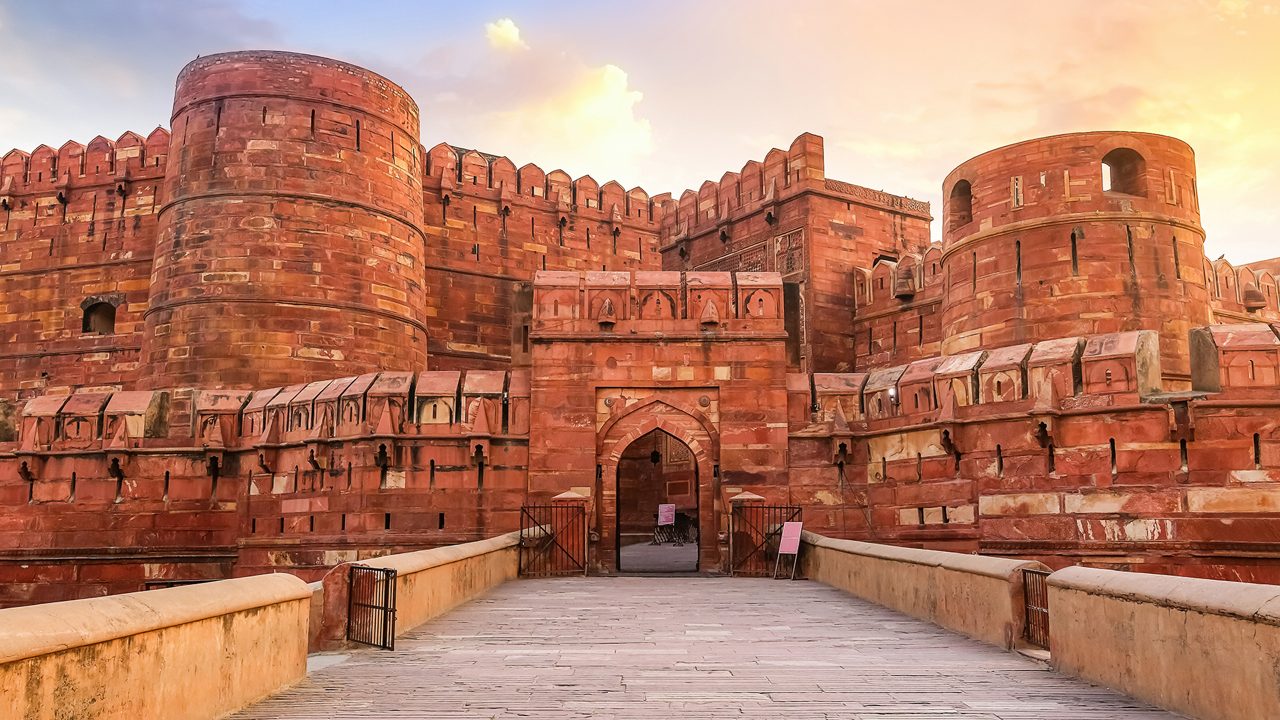
Agra, Uttar Pradesh
Agra Fort
The Mughals ruled an empire from here — and it is where Shah Jahan died, watching the Taj from a tower.
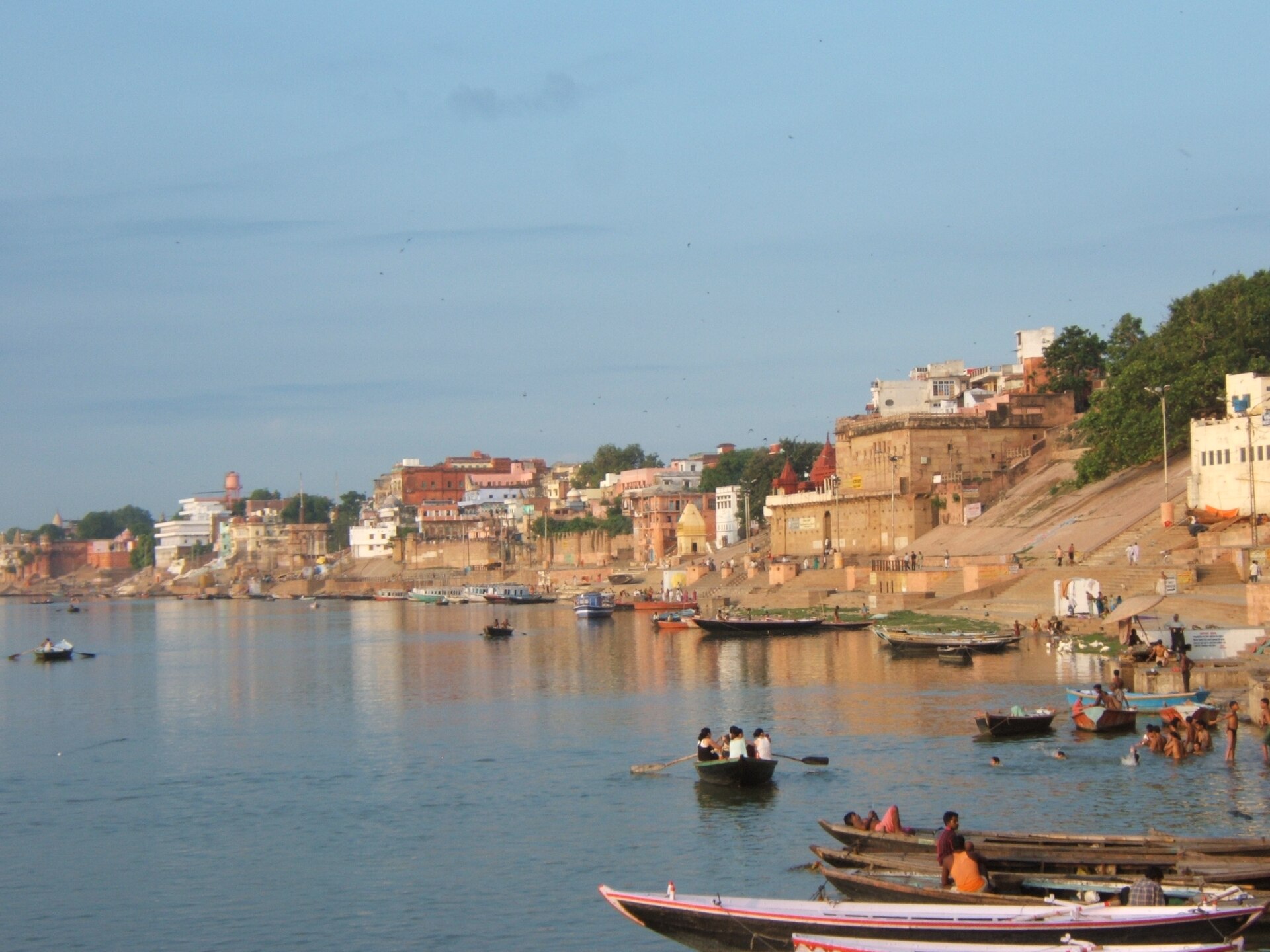
Varanasi, Uttar Pradesh
The Ghats of Varanasi
Eighty-odd flights of steps down to the Ganges, in continuous use for longer than most nations have existed.
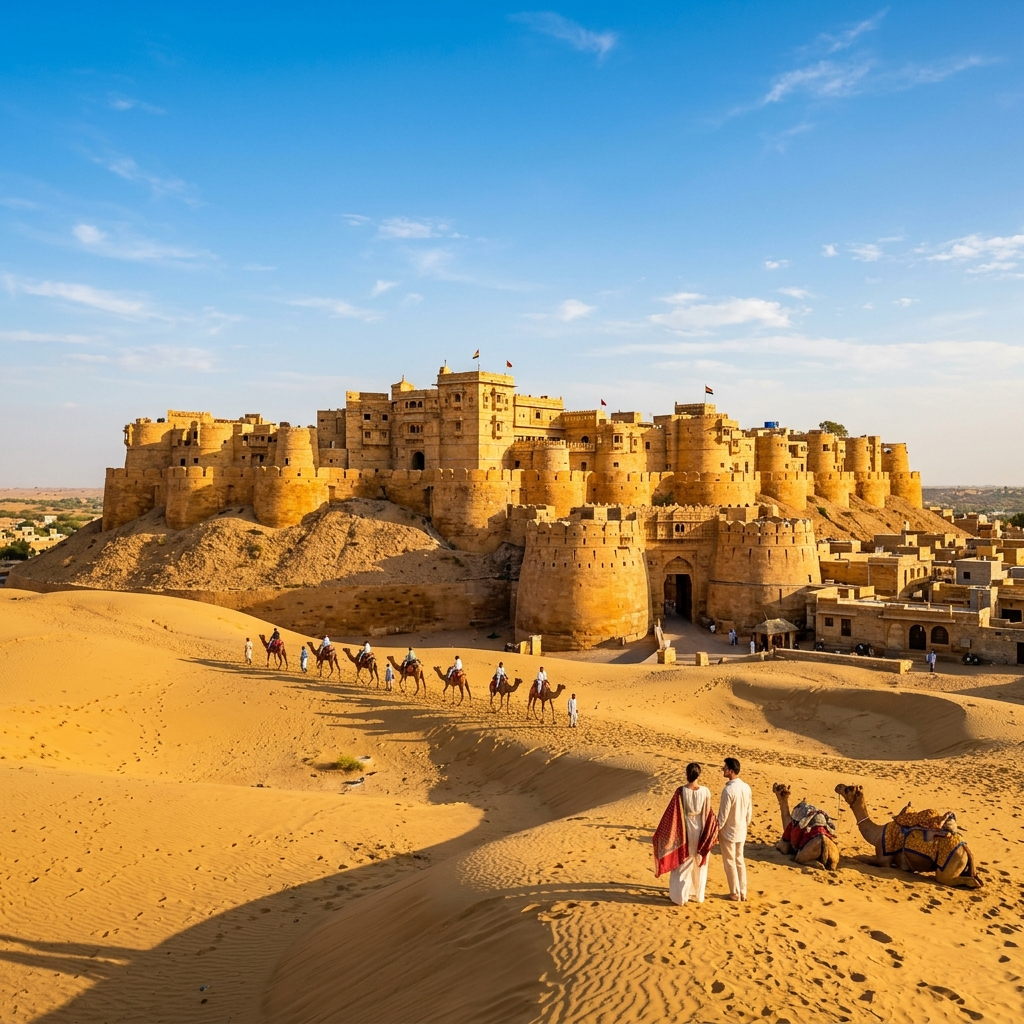
Jaisalmer, Rajasthan
Jaisalmer Fort
One of the very few forts on earth still lived in — several thousand people, inside the walls, today.
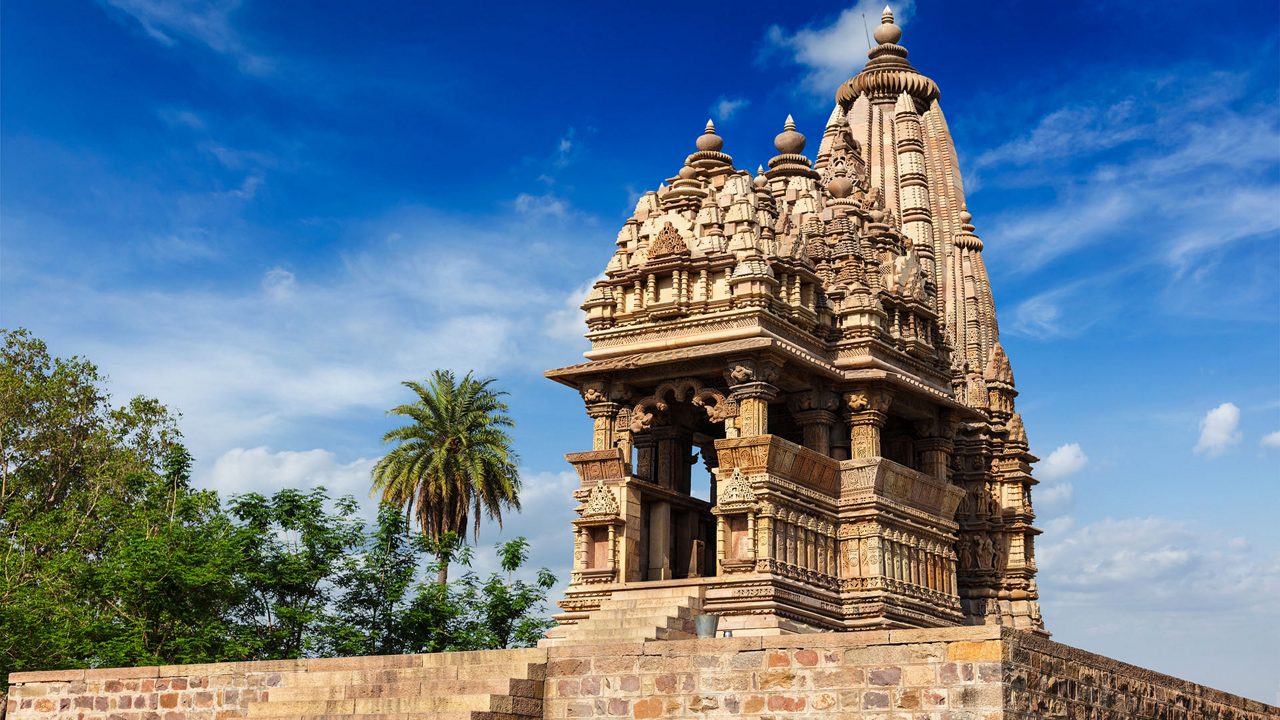
Khajuraho, Madhya Pradesh
Khajuraho Temples
A thousand years of sculpture the jungle hid — and therefore saved.
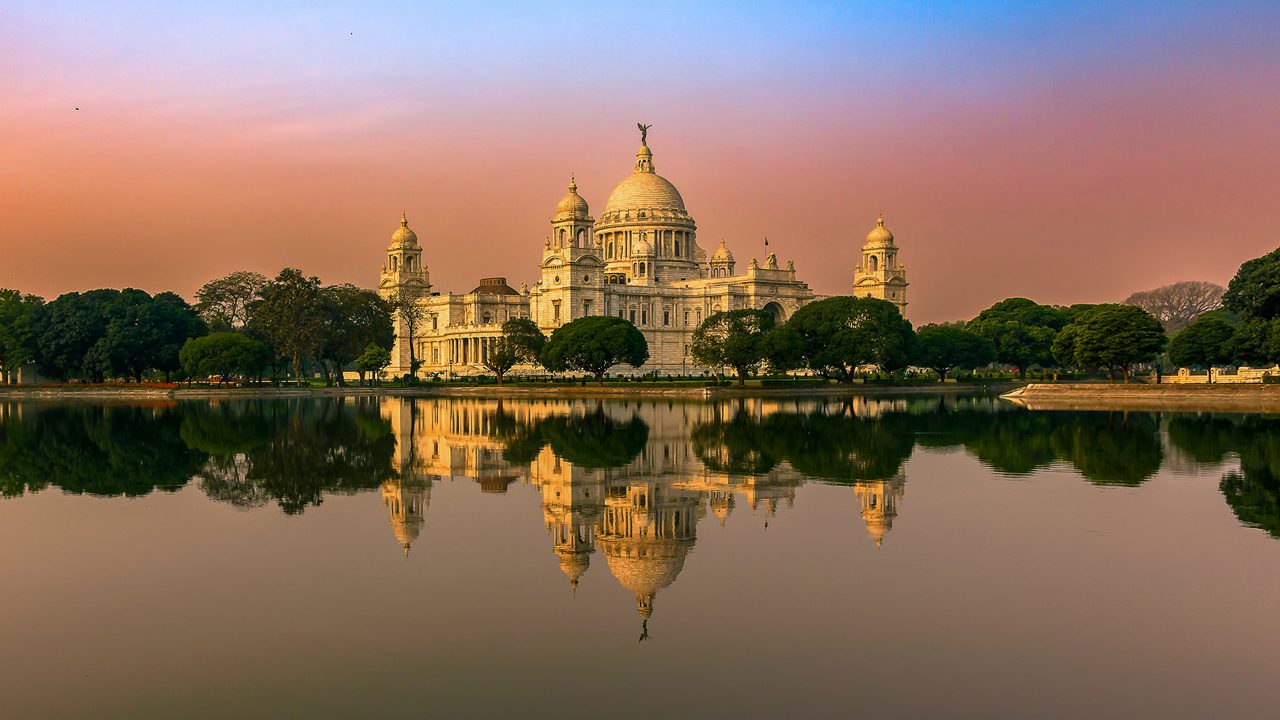
Kolkata, West Bengal
Victoria Memorial
White Makrana marble raised to an empress — and now a museum of the empire that built it.
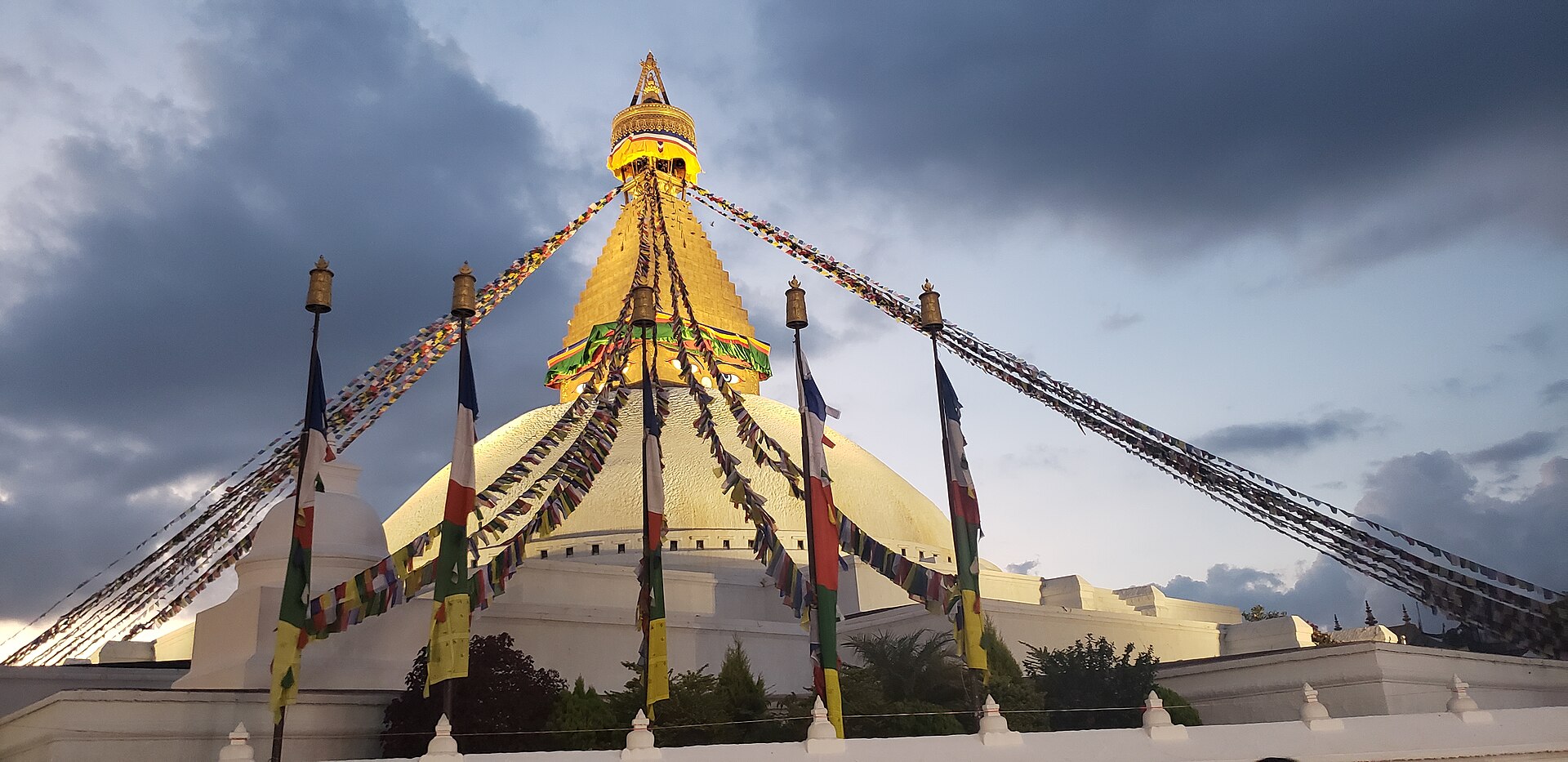
Kathmandu, Nepal
Boudhanath Stupa
One of the largest stupas in the world, circled by pilgrims at every hour of the day.
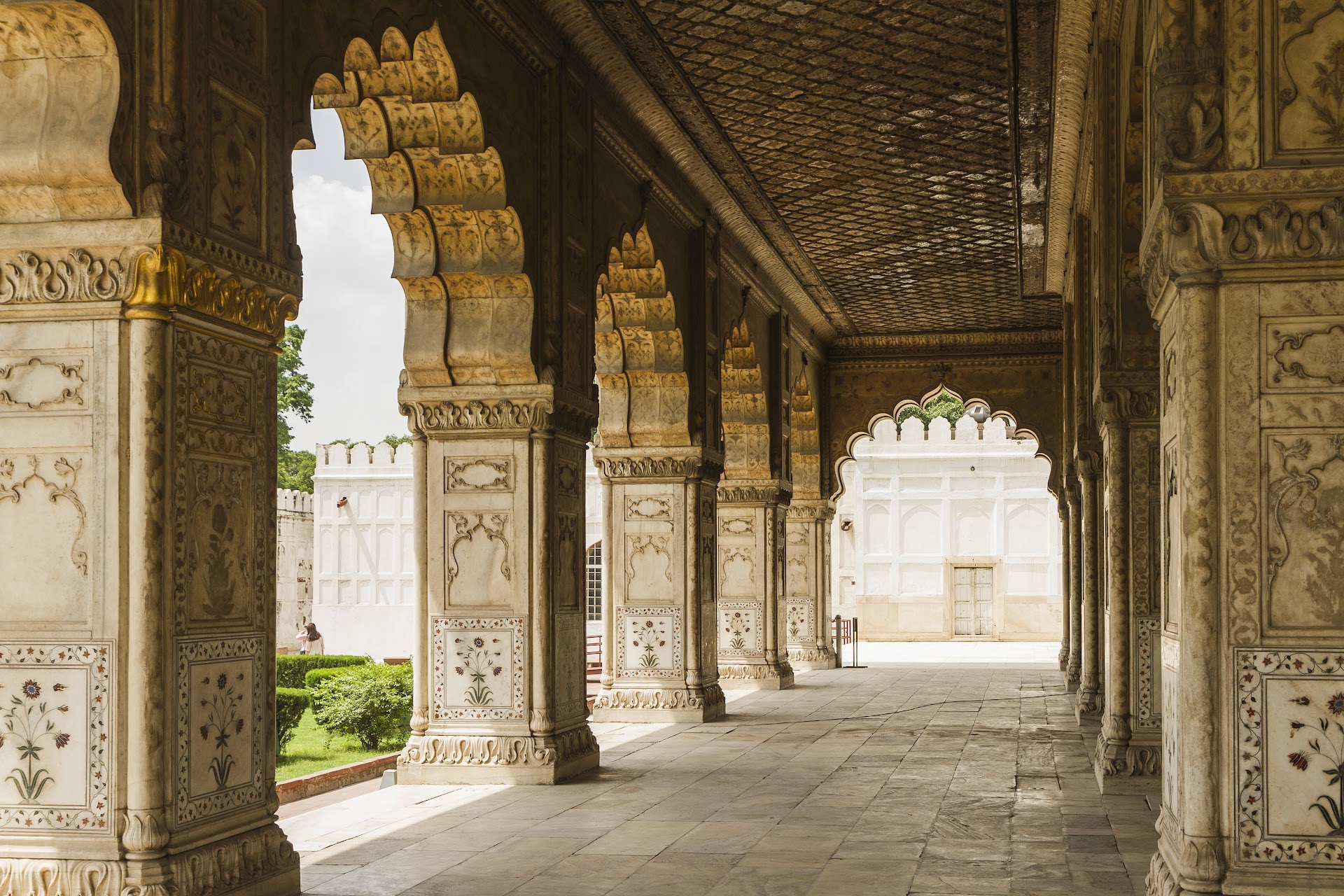
Old Delhi
Red Fort
Shah Jahan's citadel at the heart of Shahjahanabad — the seat from which Mughal India was governed for two centuries.
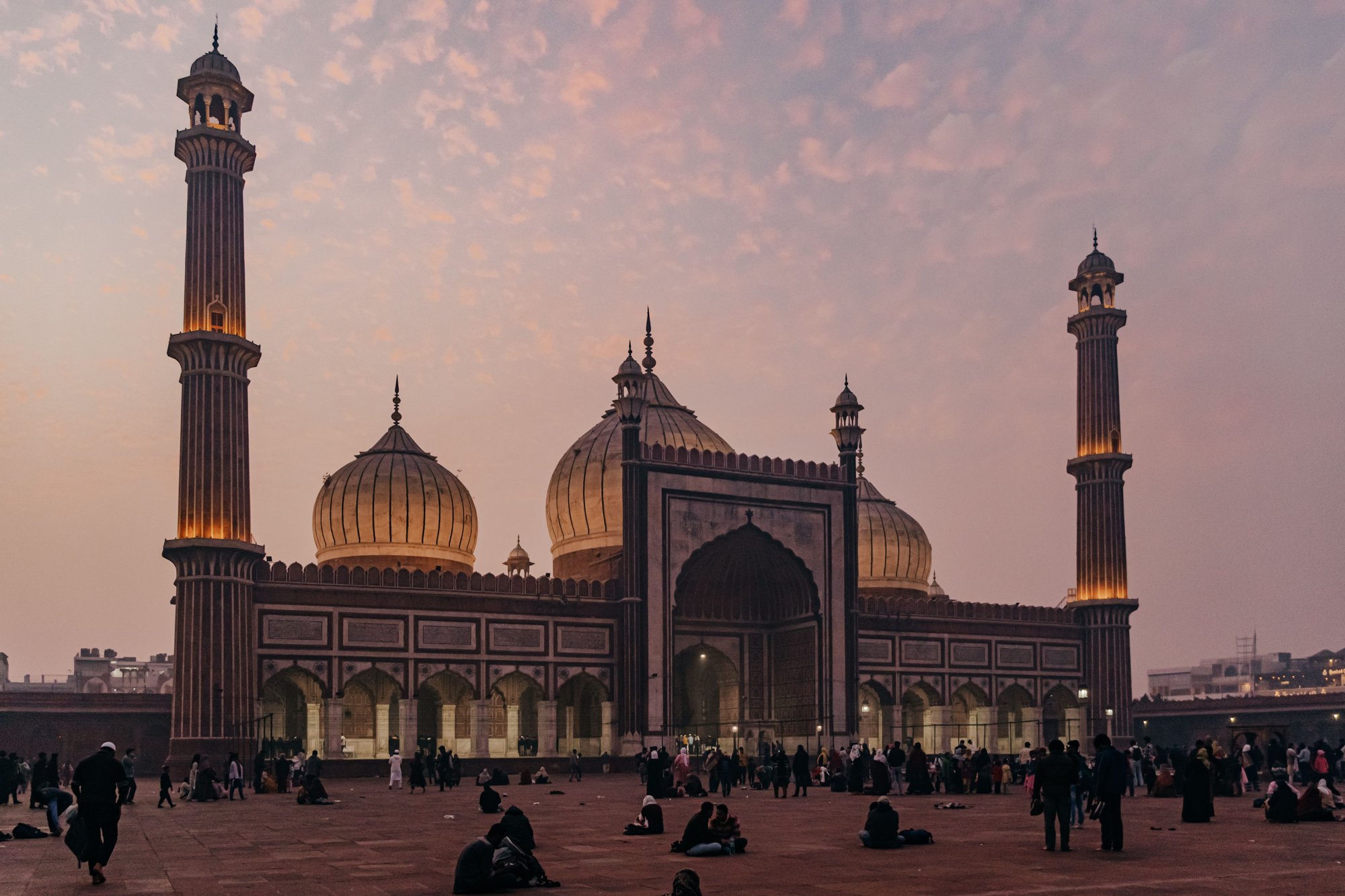
Old Delhi
Jama Masjid
India's largest mosque — a courtyard for twenty-five thousand, and the best view in Delhi from its southern minaret.
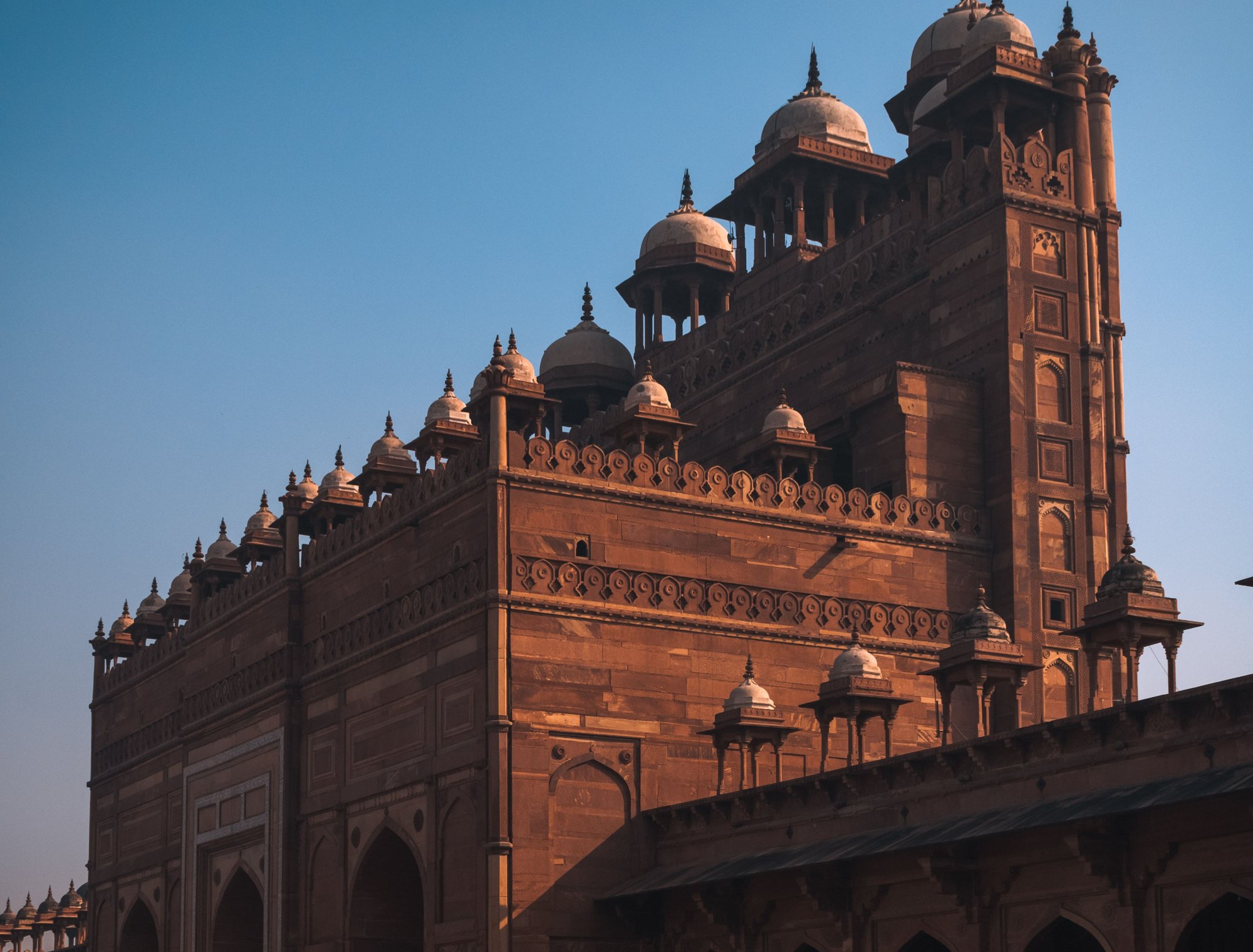
Near Agra, Uttar Pradesh
Fatehpur Sikri
Akbar's capital, built in red sandstone and abandoned within a generation — the most complete Mughal city that survives.
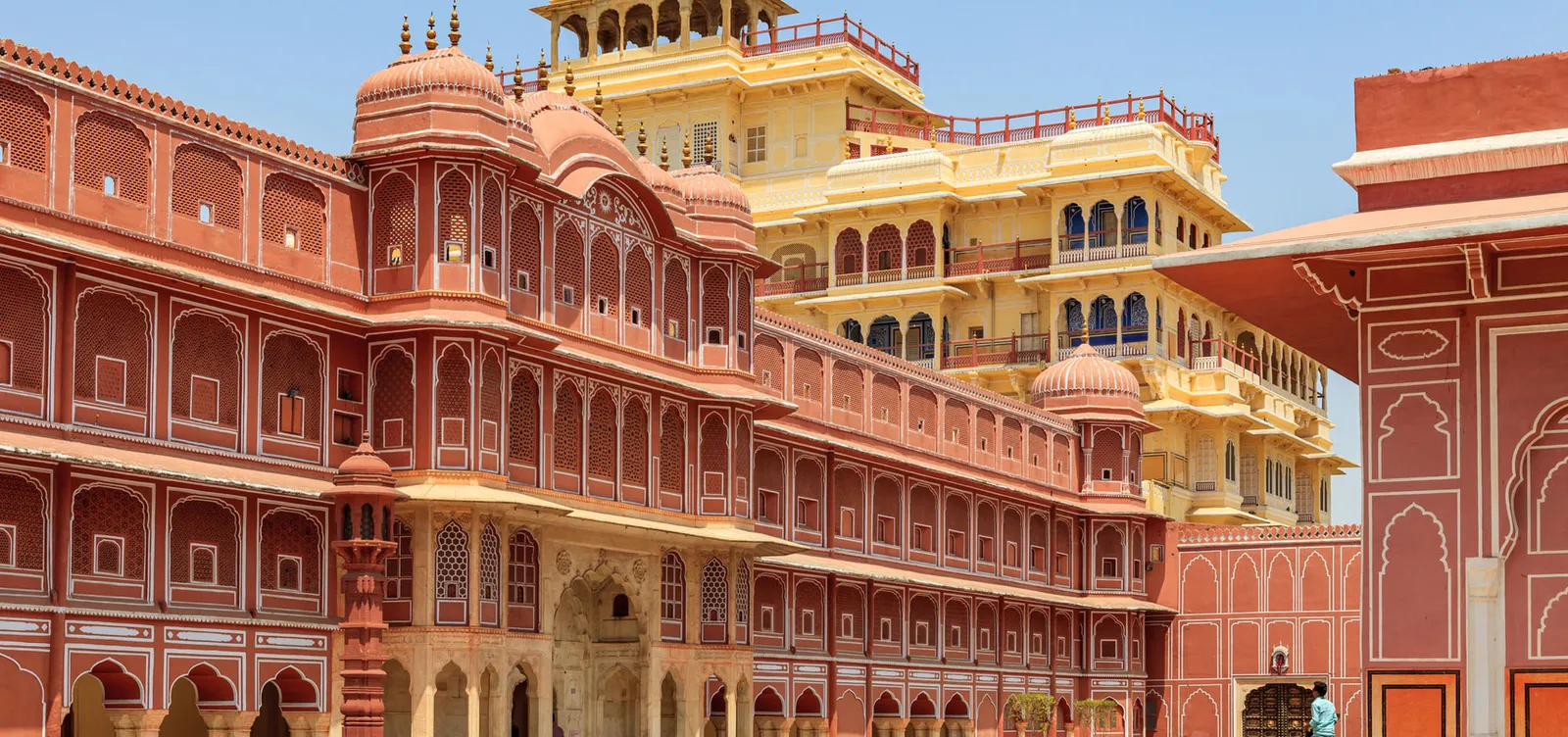
Jaipur, Rajasthan
City Palace
Still the Jaipur royal family's home — seven storeys of Chandra Mahal above courtyards the public never quite reaches.
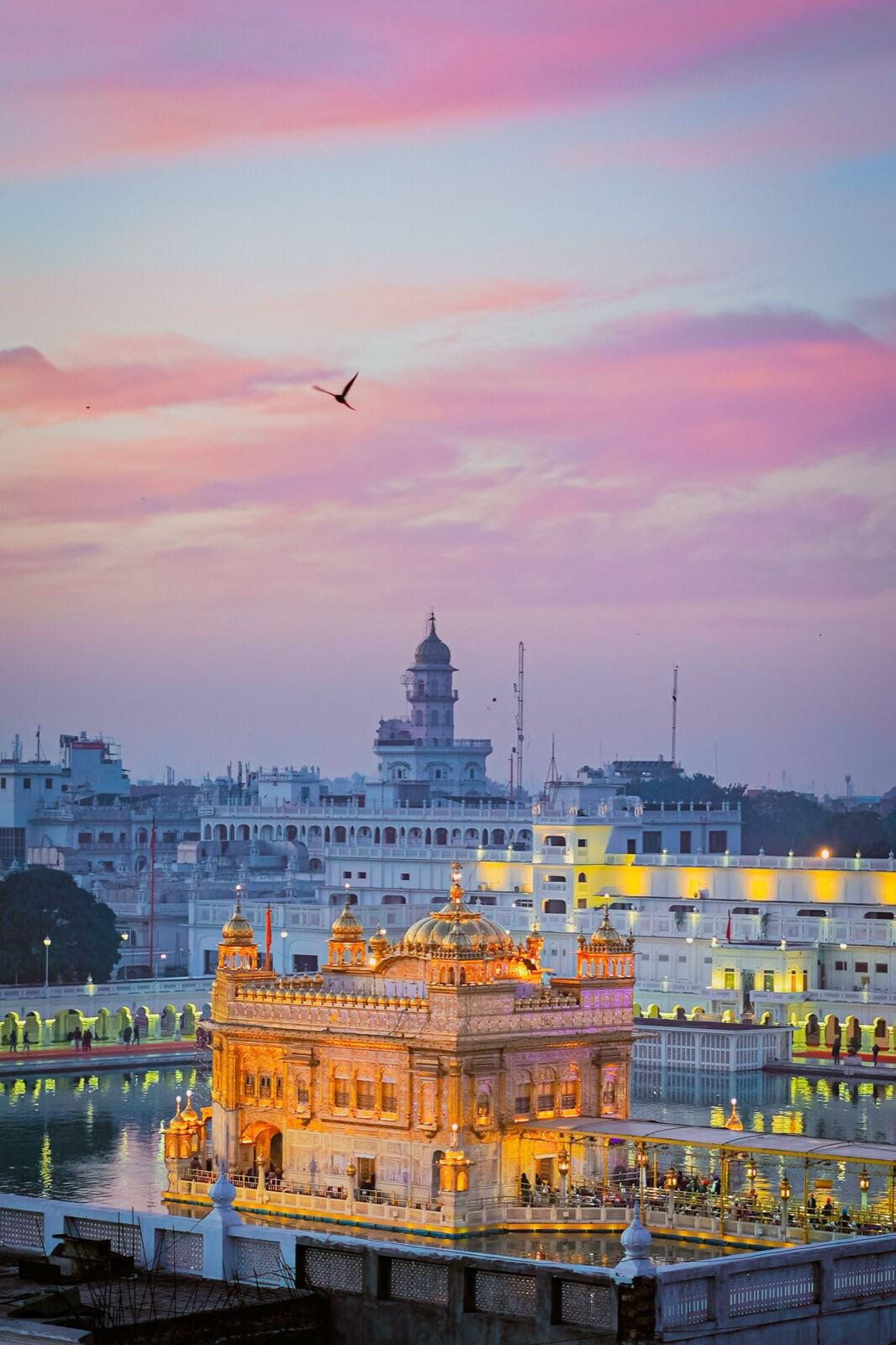
Amritsar, Punjab
Golden Temple
Gold over marble over water, open on all four sides — the least defended sacred building in India.
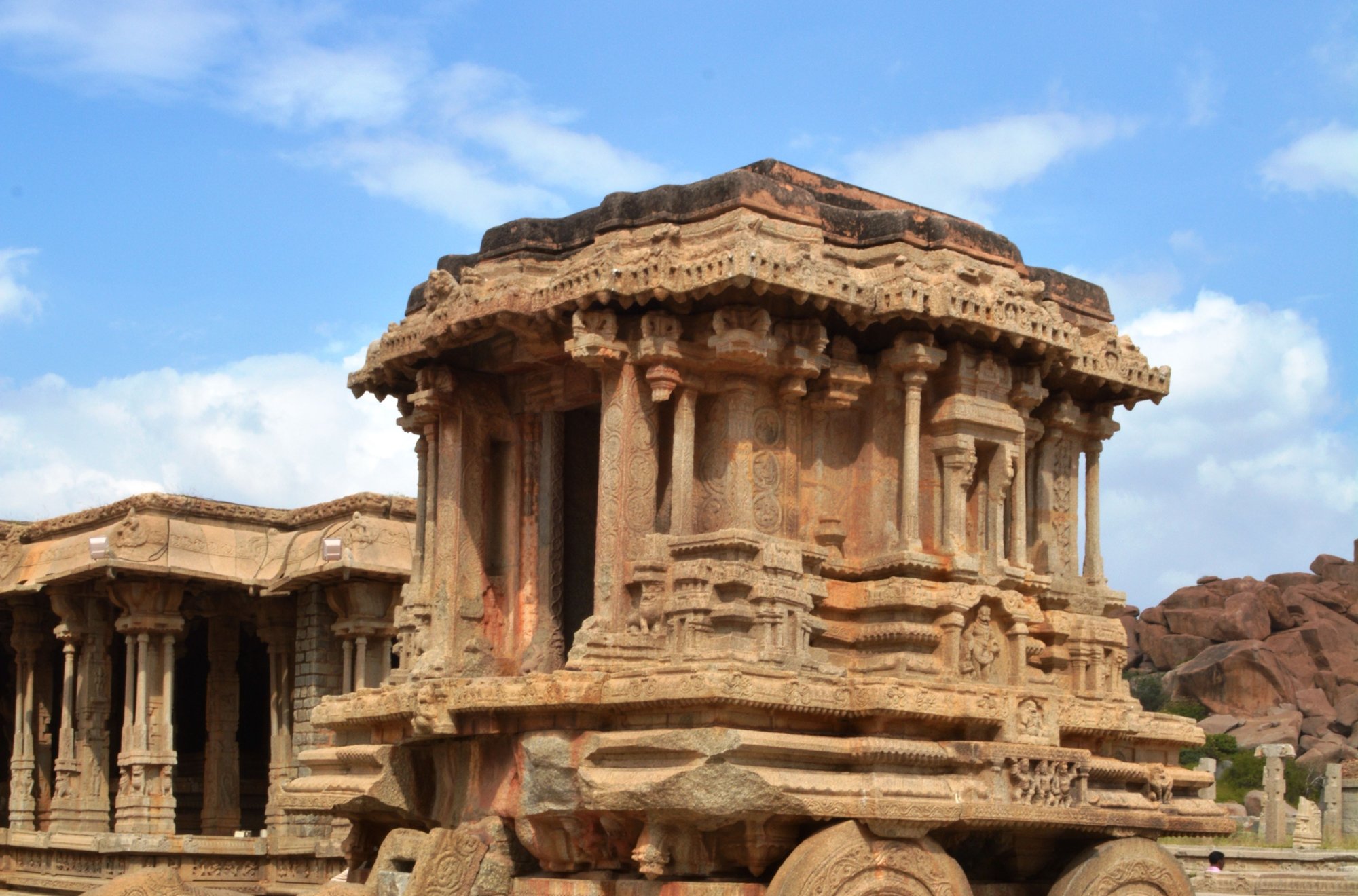
Hampi, Karnataka
Vittala Temple
The stone chariot and the singing pillars — Vijayanagara's high-water mark, in granite.
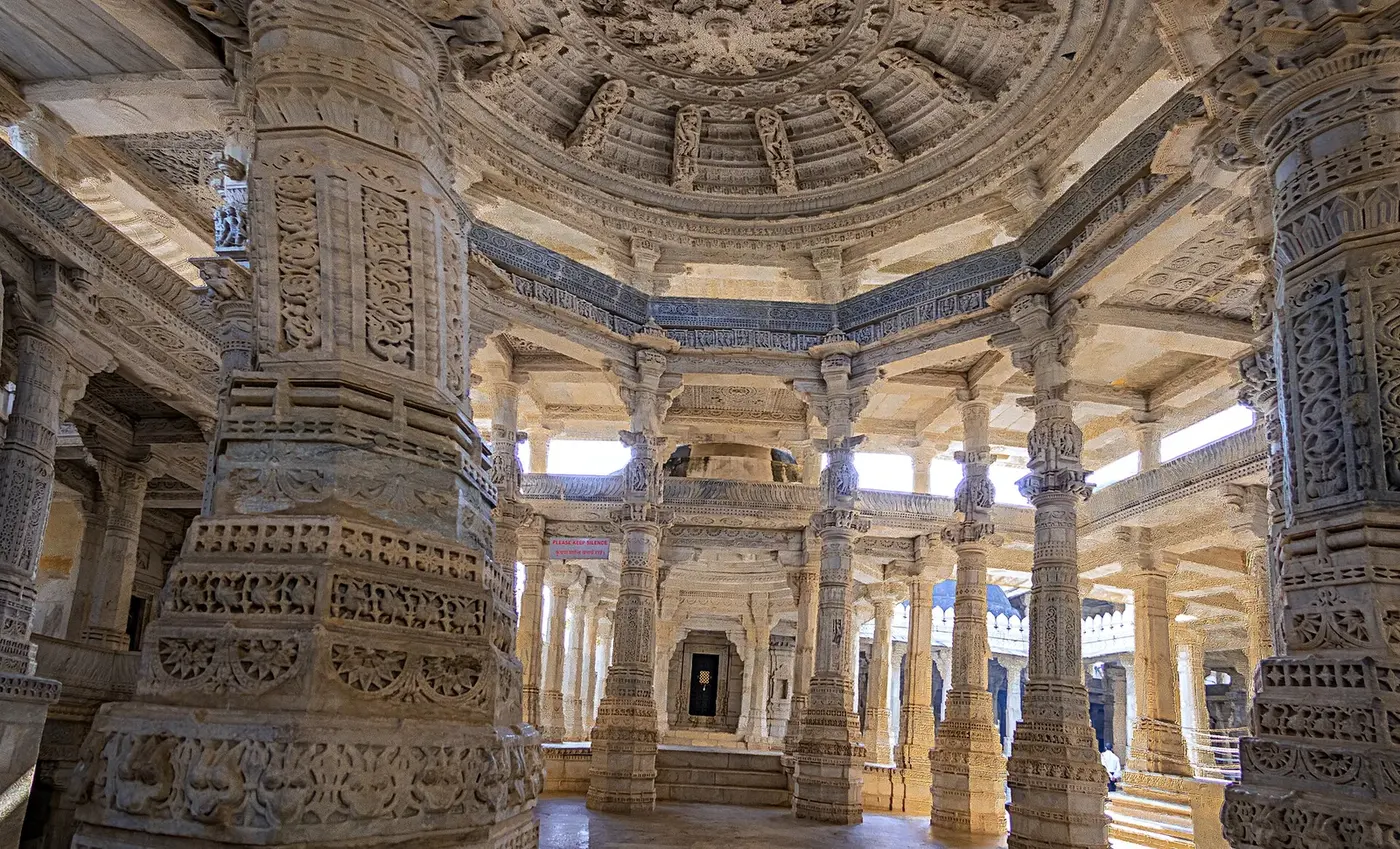
Pali district, Rajasthan
Ranakpur Jain Temple
Fourteen hundred and forty-four marble pillars, no two carved alike, in a forest valley of the Aravallis.
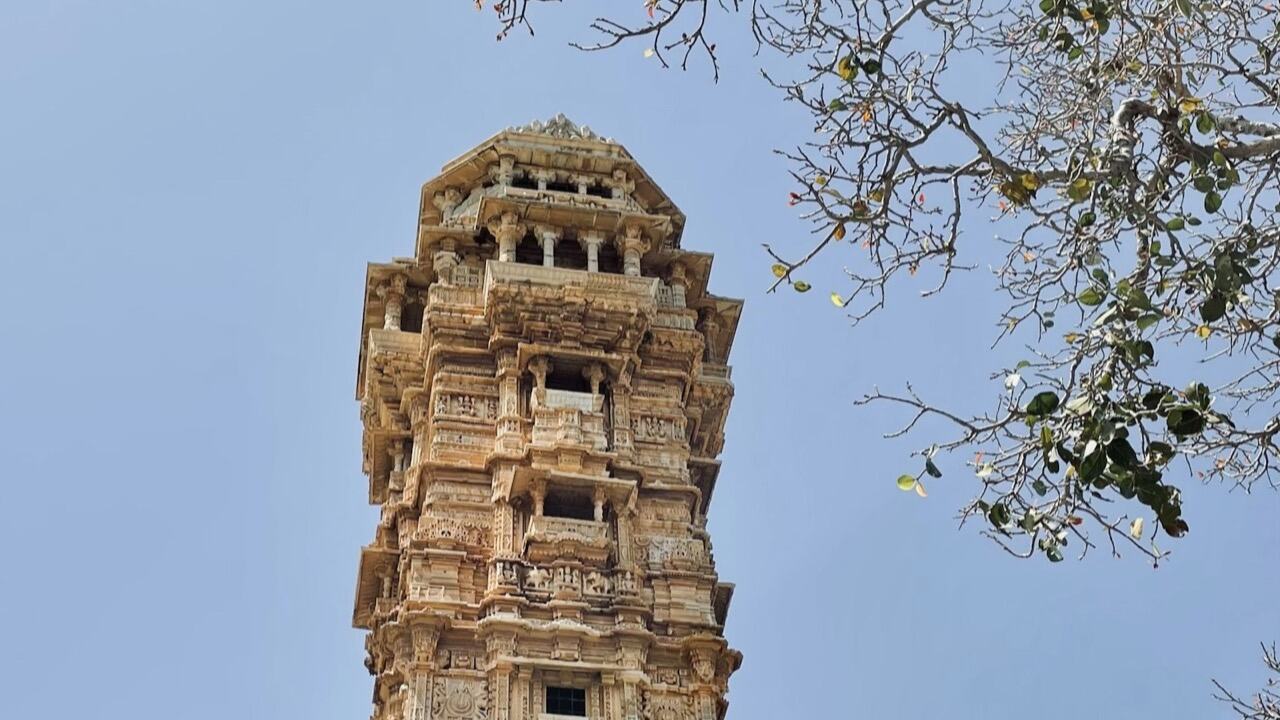
Chittorgarh, Rajasthan
Chittorgarh Fort
The largest fort in India, and the one Mewar lost three times — a citadel that reads as a memorial.
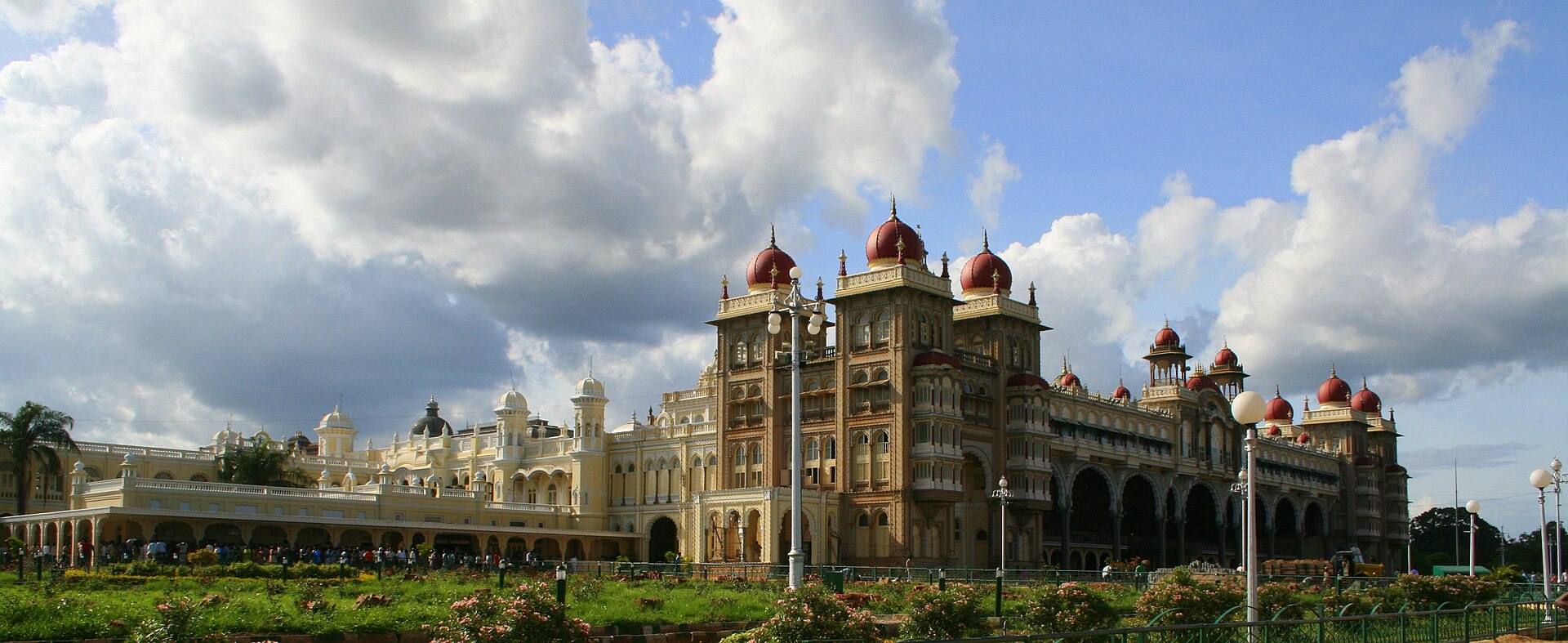
Mysuru, Karnataka
Mysore Palace
The Wadiyars' Indo-Saracenic seat — and on Sunday nights, a hundred thousand bulbs.