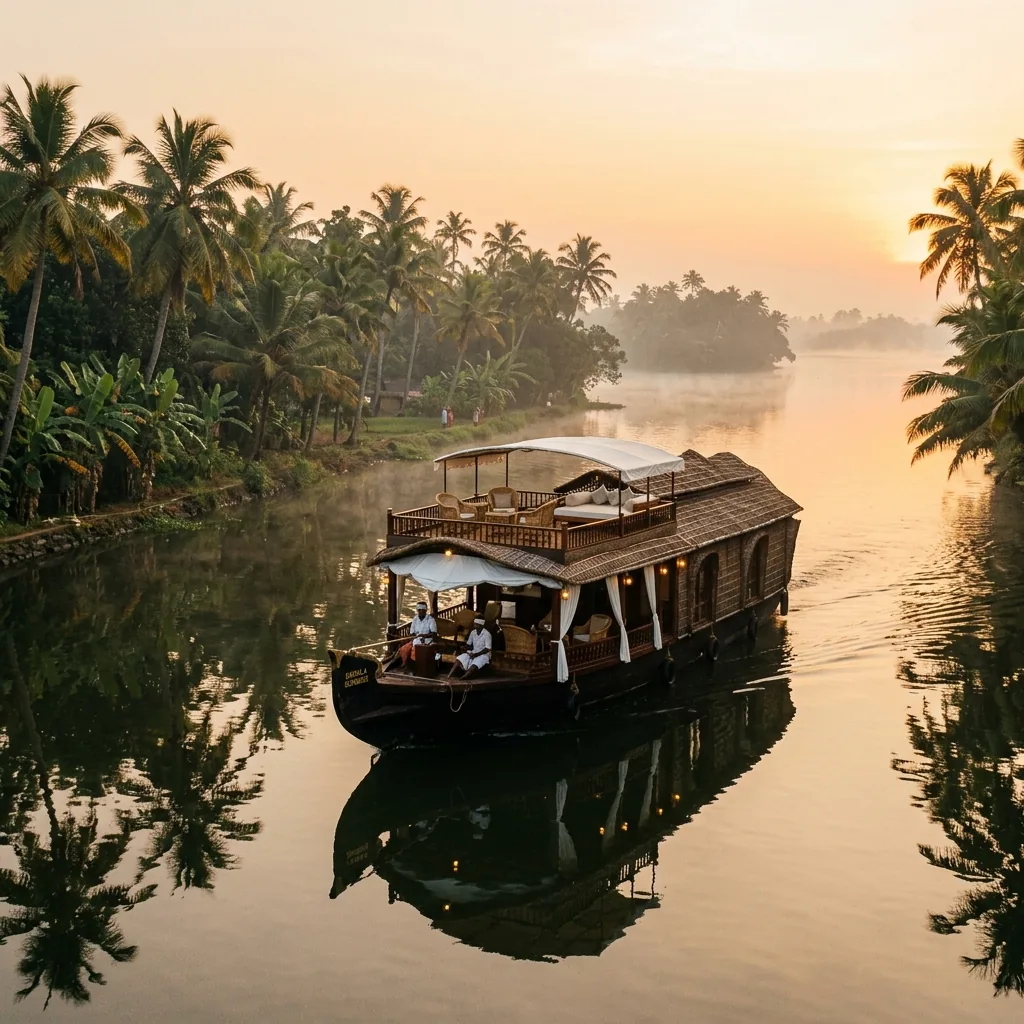
Kerala moves to a different rhythm than the north — slower, greener, softened by water and shade. A private houseboat drifting the Kumarakom backwaters, mornings among Munnar's tea terraces, an unhurried AyurvedicAyurvedaA traditional Indian system of medicine that treats health as a balance between three bodily humours, or doshas.Read in the glossary regimen by the Arabian Sea: this is India as restoration rather than spectacle.
We pair Kerala's landscapes with its living culture — KathakaliKathakaliThe classical dance-theatre of Kerala, in which heavily painted and costumed performers enact episodes from the epics through codified gesture and eye movement.Read in the glossary and Fort Kochi's spice-trade heritage — and finish, as many guests wish, on the quiet sands of Marari or Kovalam.
When To Travel
September to March offers the best weather. The monsoon (June–August) is lush and dramatic and the traditional season for authentic Ayurvedic treatment.
Destination Guides in Kerala
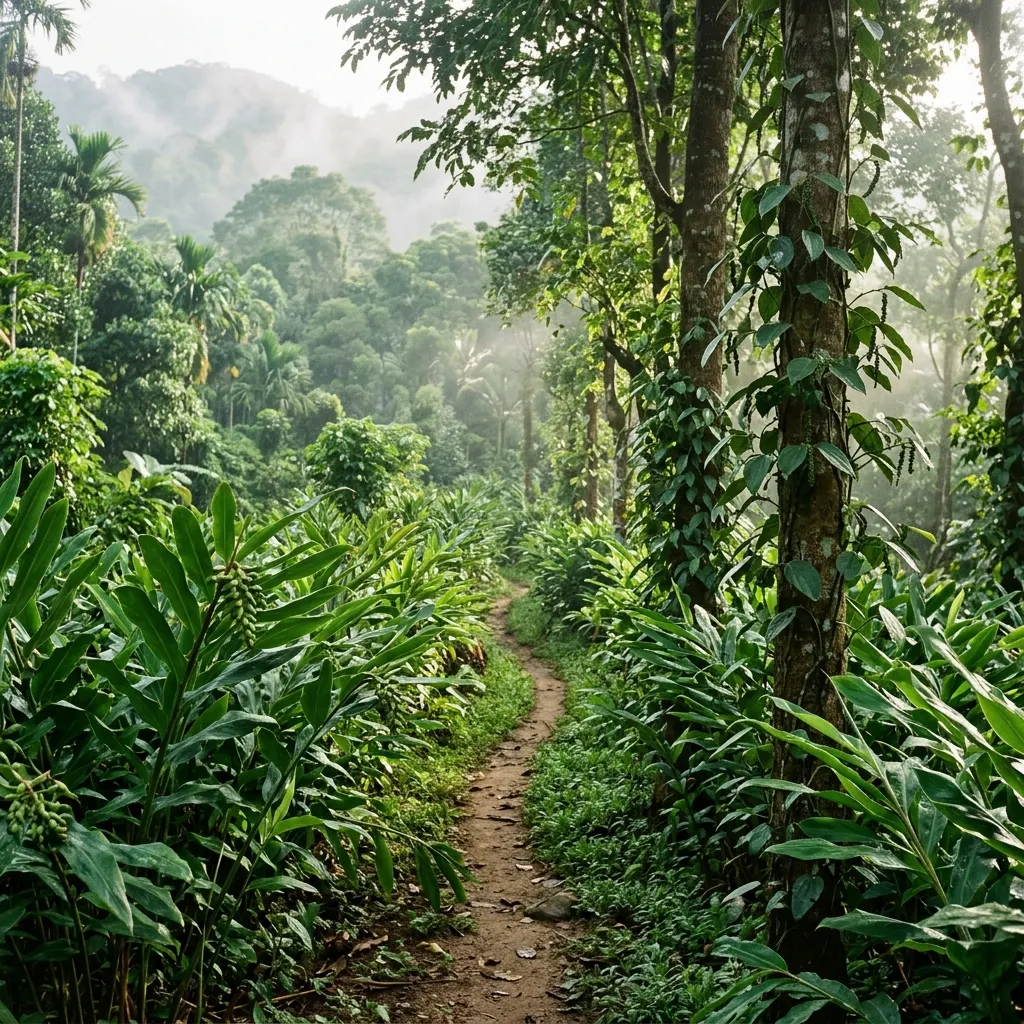
Thekkady
Spice hills and tiger forest — Periyar's lake safaris on the edge of the Western Ghats.
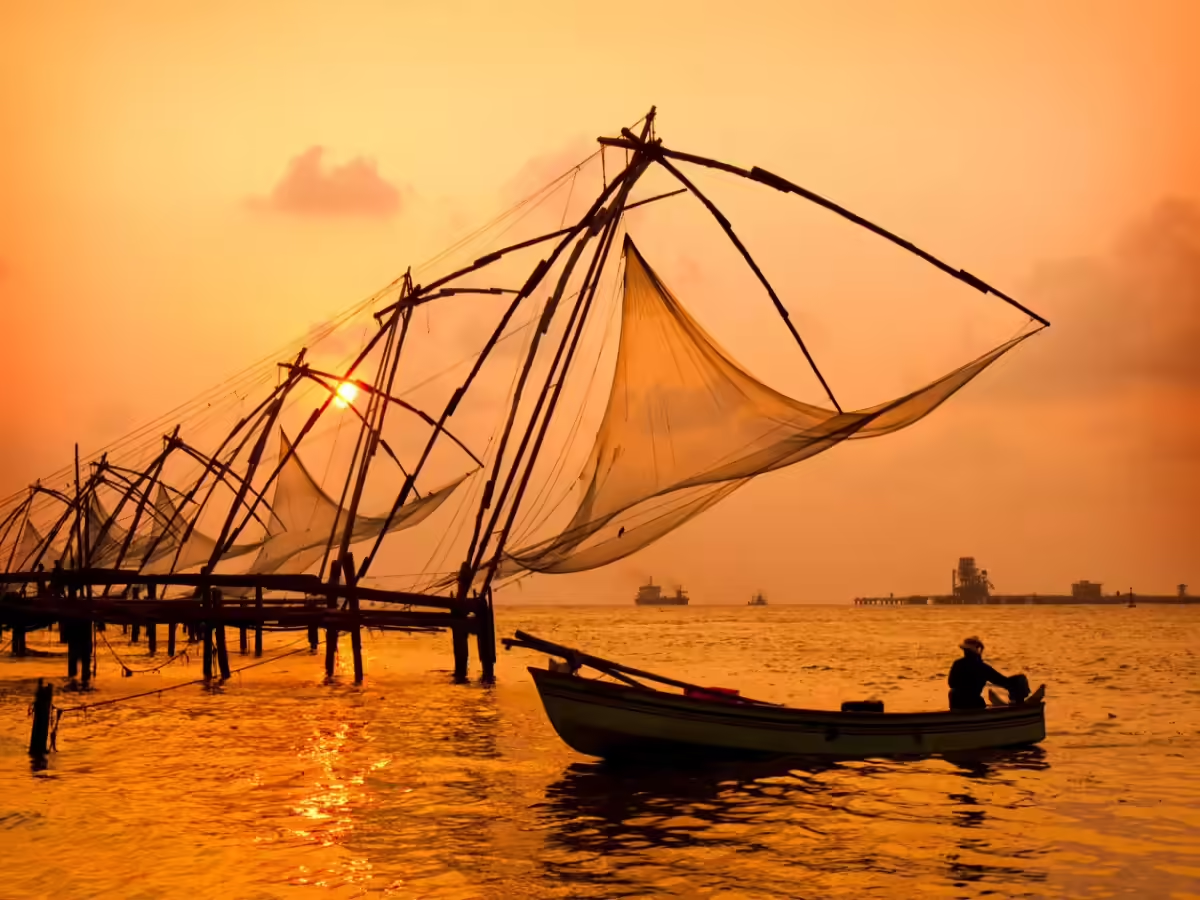
Kochi
The spice port — Chinese fishing nets, six civilisations and Fort Kochi's unhurried lanes.
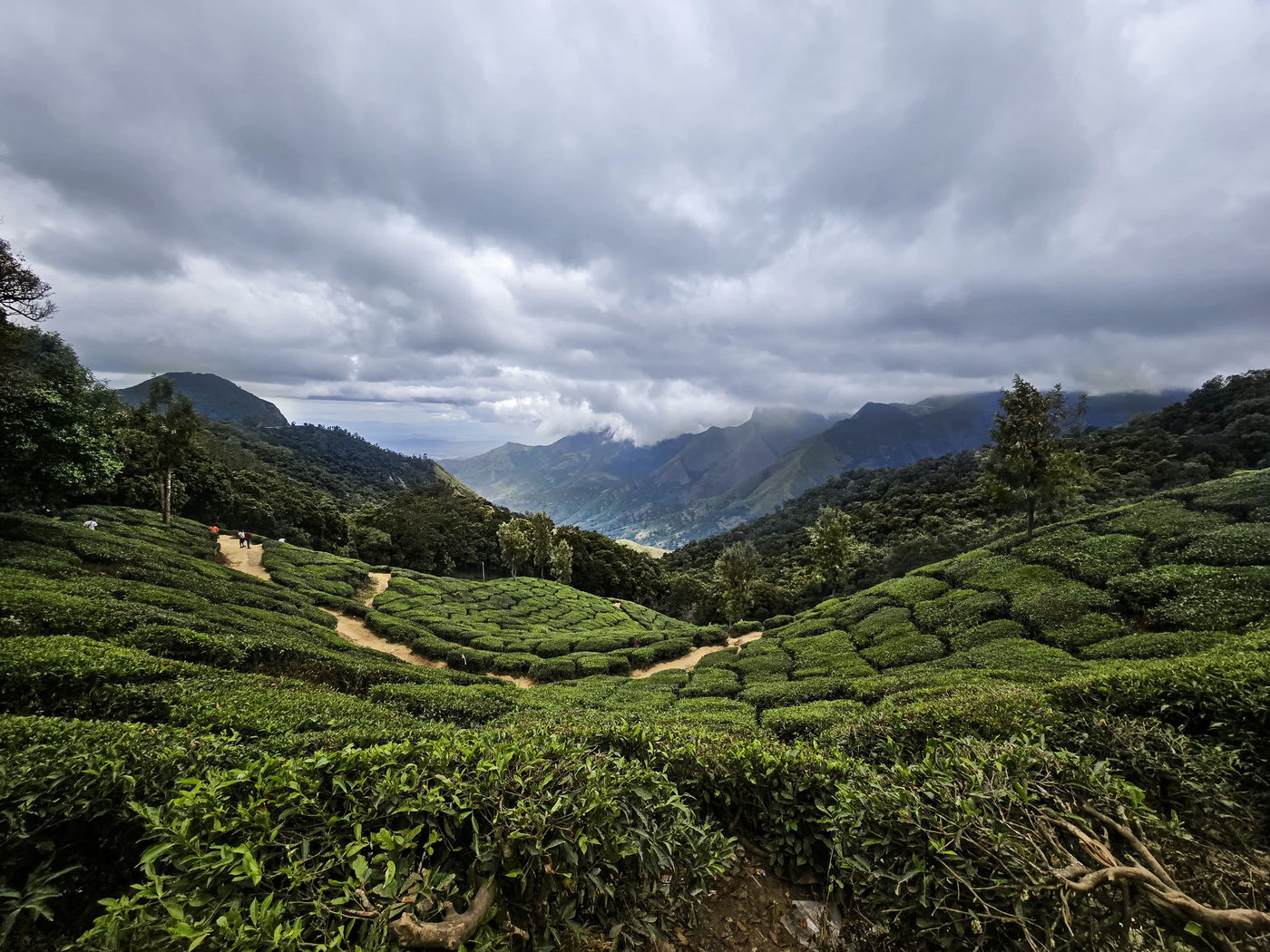
Munnar
Tea, mist and time — emerald plantations rolling through the high Western Ghats.
Alleppey
The backwater world — houseboats, palm-lined canals and Kerala at the pace of water.
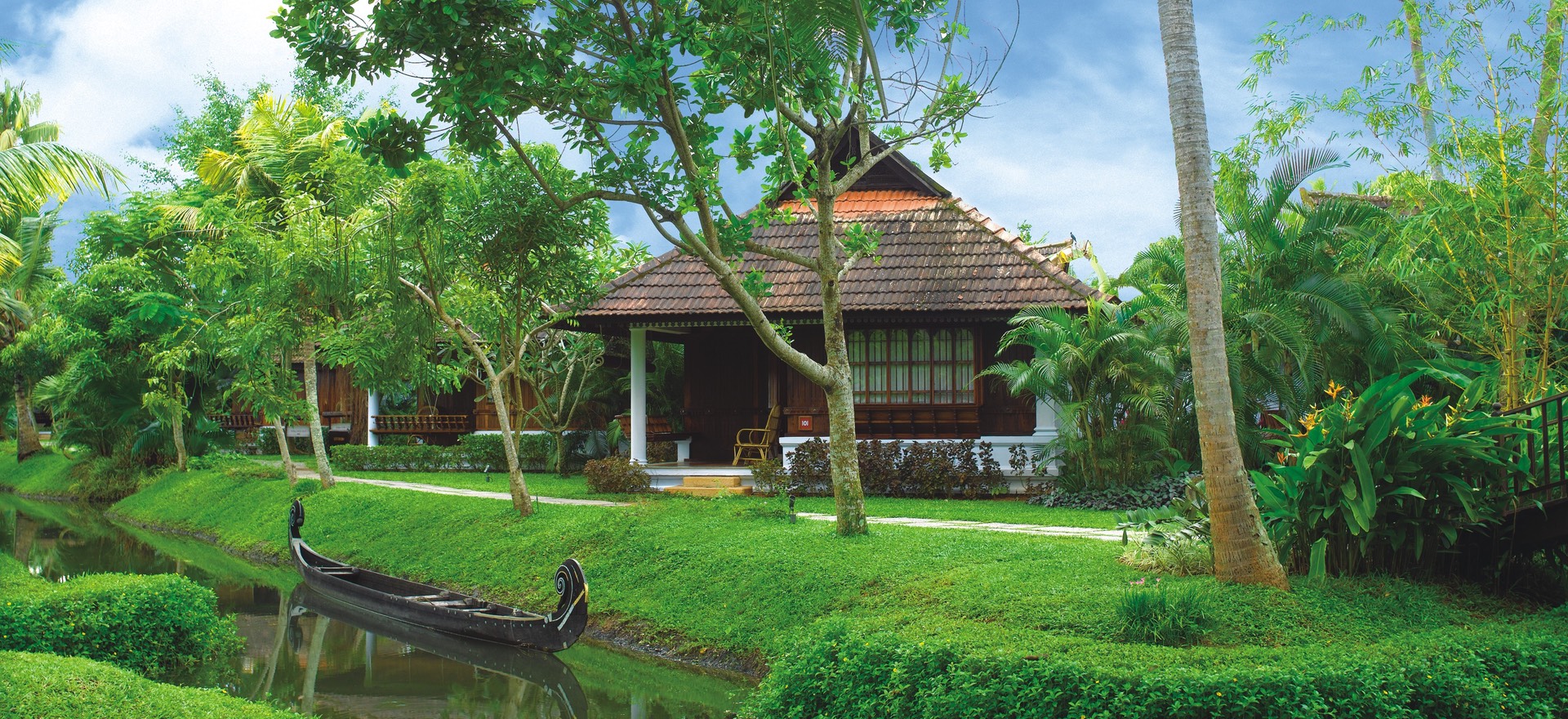
Kumarakom
Vembanad's gentle shore — bird sanctuaries, lake villas and Ayurveda done properly.
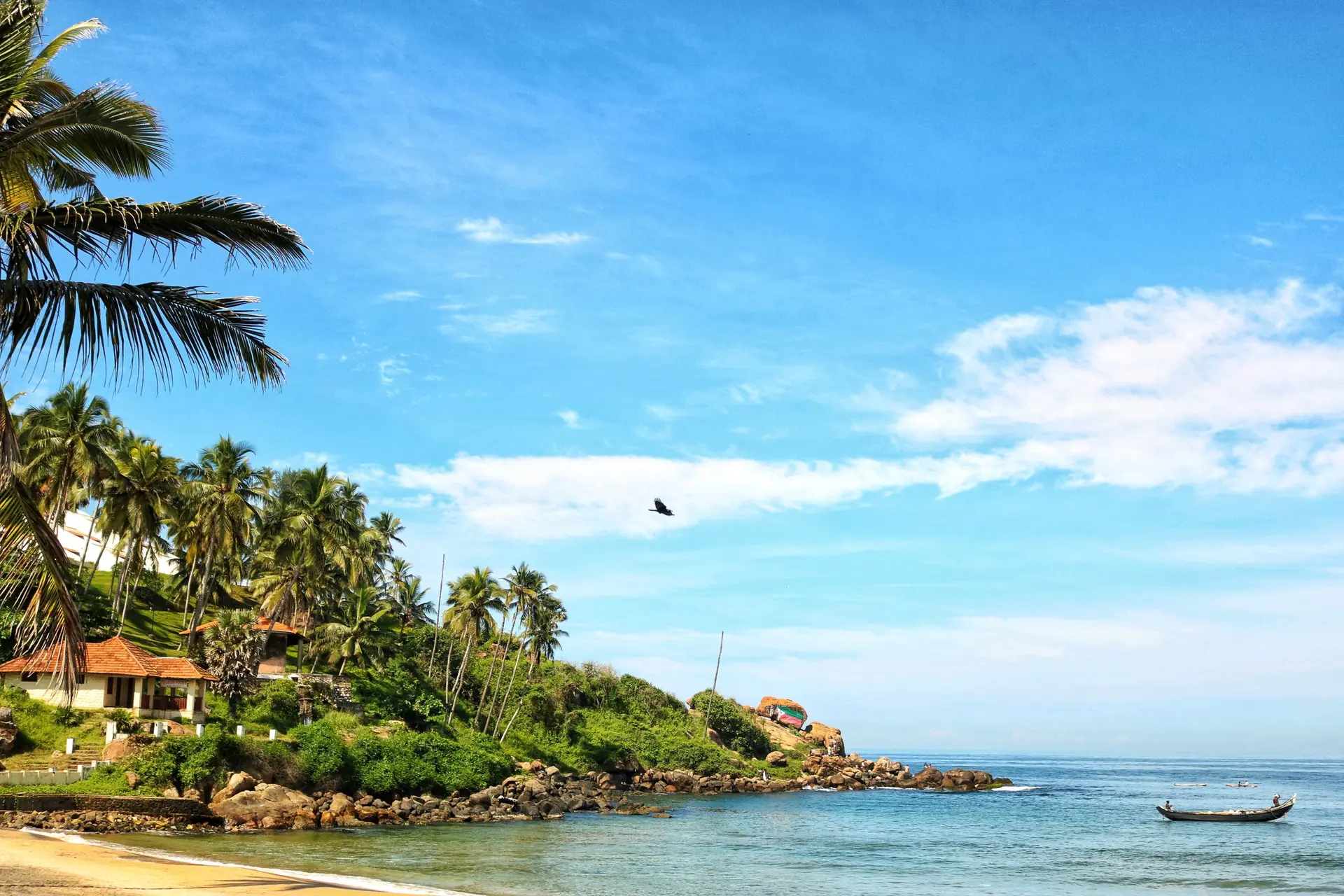
Marari Beach
A working coast — golden sand, fishing fleets and the Arabian Sea without the crowds.
Sights & Experiences in Kerala
Monuments & Sights
Questions, Answered
When is the best time to visit Kerala?
September to March offers the best weather. The monsoon (June–August) is lush and dramatic and the traditional season for authentic Ayurvedic treatment.
How many days do you need in Kerala?
Six to ten days suits Kerala — a night aboard a backwater houseboat, a few days in the tea hills or on the coast, and time for Fort Kochi and, if wished, an Ayurvedic regimen.
Is Kerala safe for travellers?
Kerala is one of India's calmest and most literate states and is considered very safe for travellers. Journeys are privately guided and chauffeured from arrival to departure.
How does Elevated India design a Kerala journey?
Every Kerala journey is private and bespoke — composed around your dates, pace and interests, with hand-picked stays and a personal curator throughout.
Journeys Through Kerala
North & South Culture: Grand Imperial Cities & Kerala Backwaters
16 DAYS
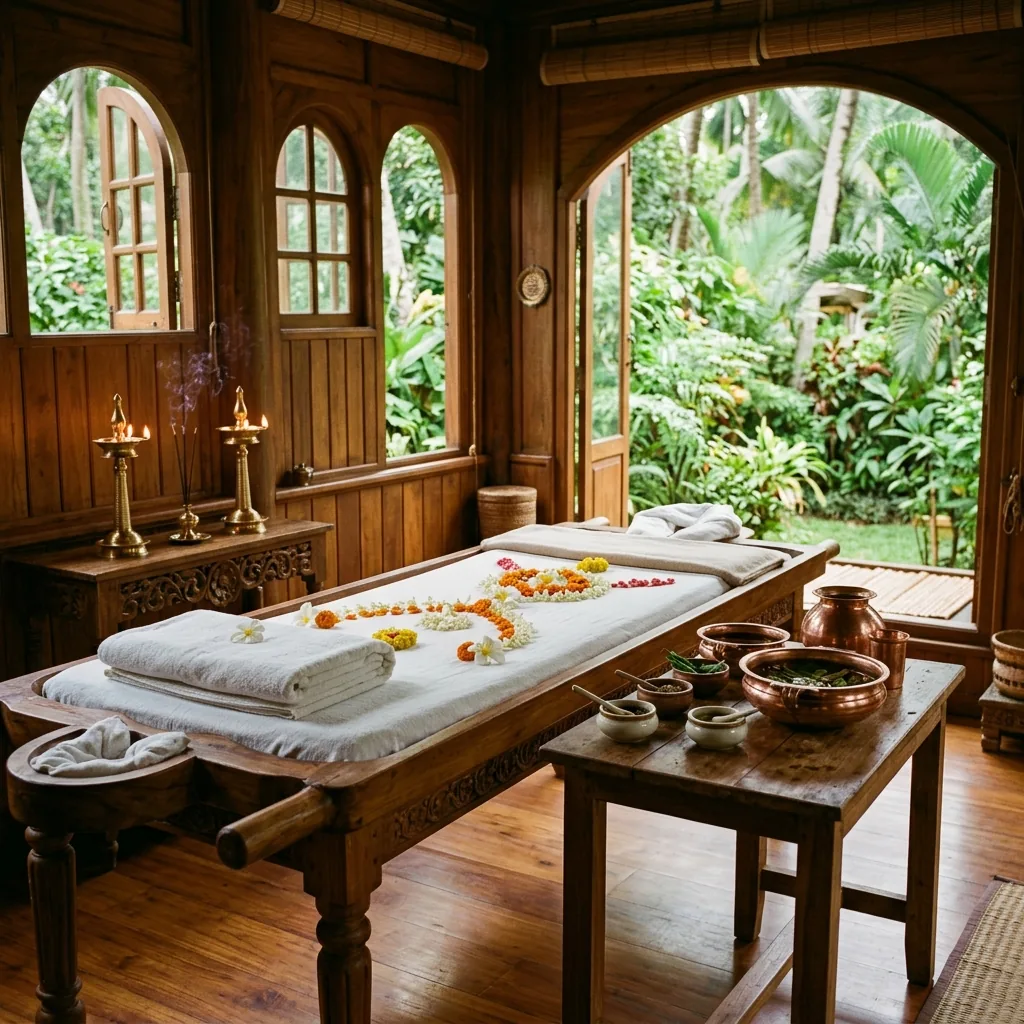
Imperial Odyssey: Royal Palaces, Mumbai Metro & Kovalam Shores
18 DAYS
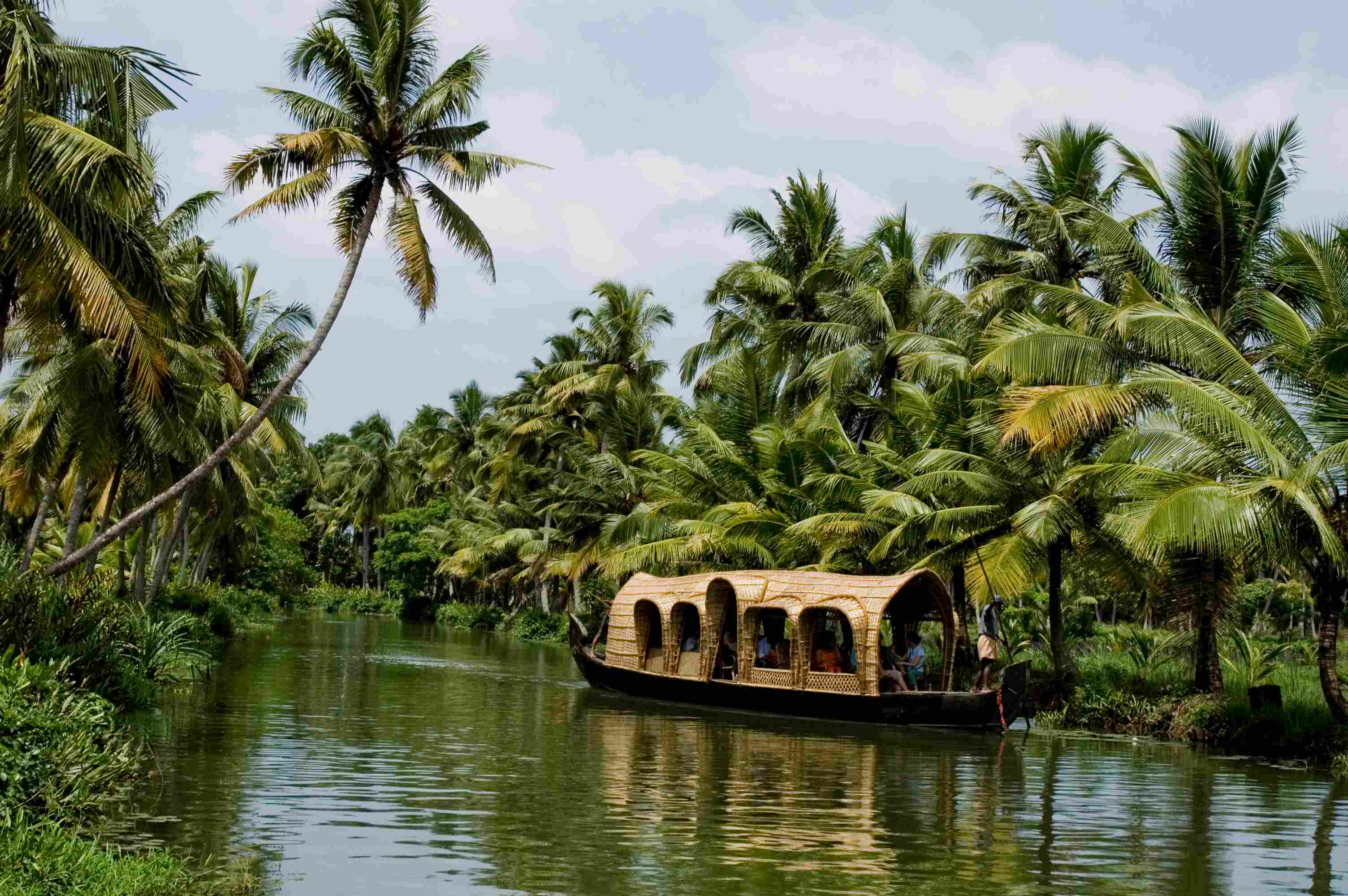
Grand Epicurean Odyssey: North, West & South
16 DAYS
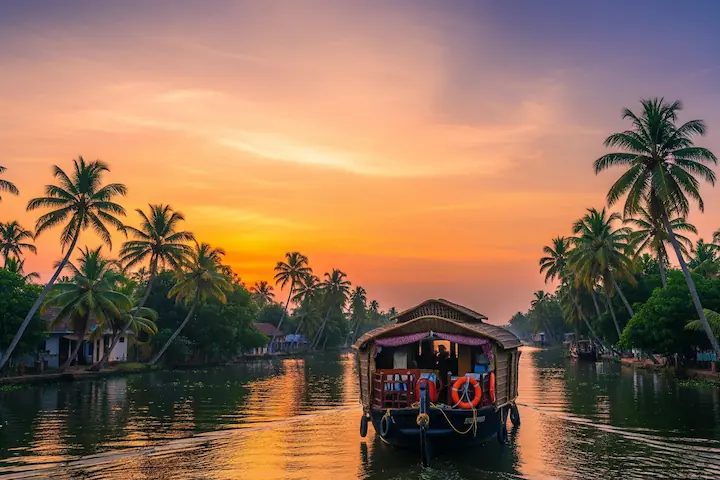
Malabar Passage: Mumbai to Kerala Backwaters
11 DAYS
Malabar & Marari: Culture, Hills & Coast
13 DAYS
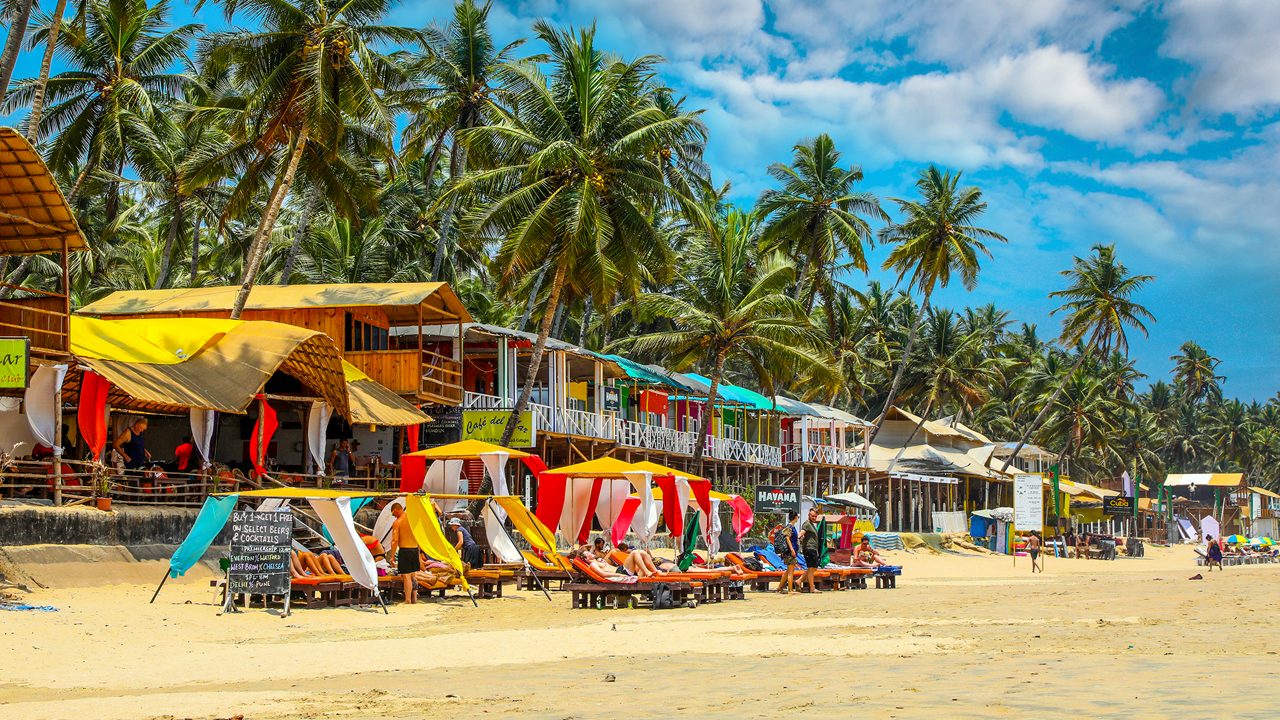
Suns, Spices & Sacred Waters: Goa & Kerala
10 DAYS
The Journal
Related Reading
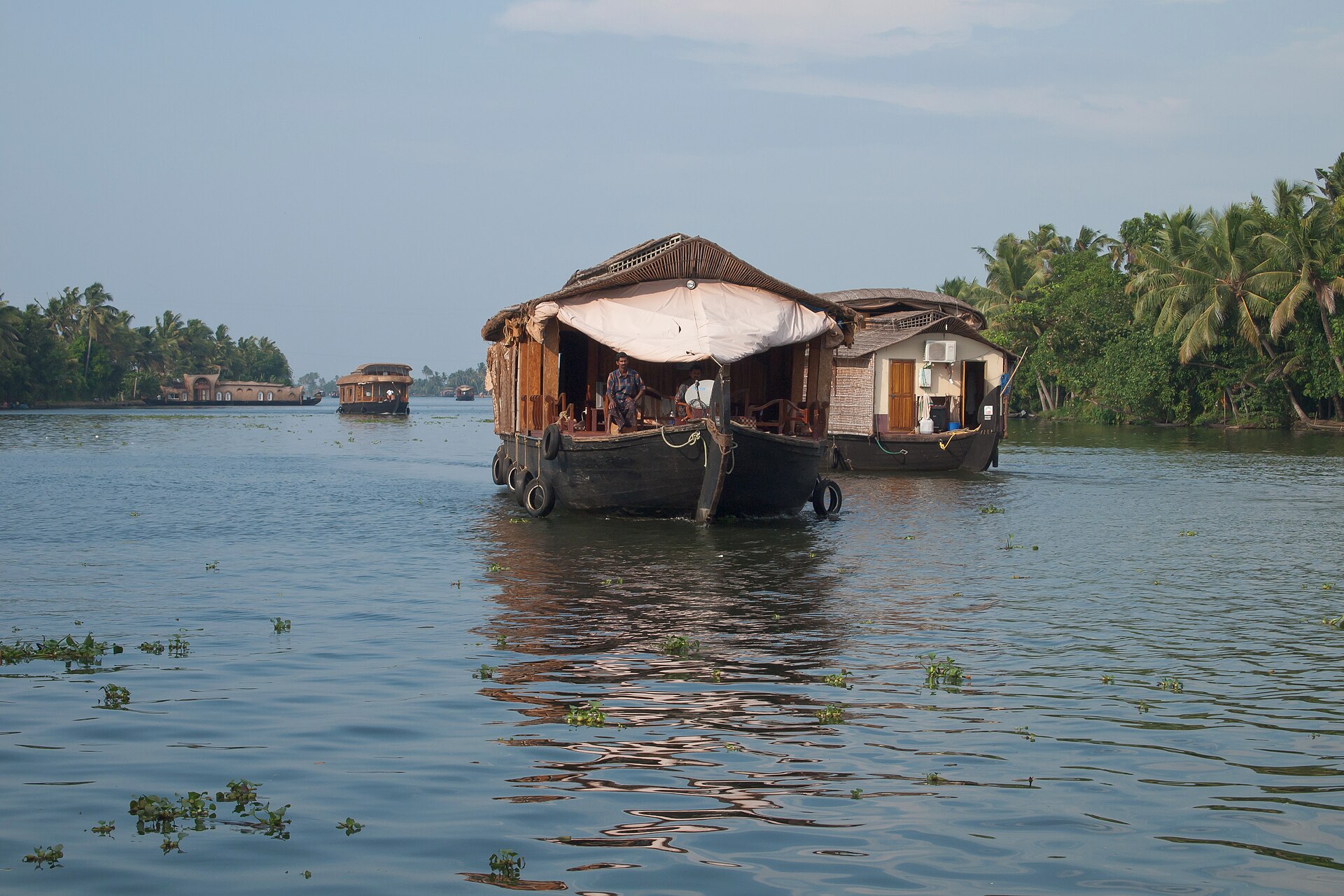
How Many Days Do You Really Need in Kerala?
Backwaters, hills and coast — Kerala rewards a slower pace than most of India. My honest answer on how long to give it, and what each extra day opens up.
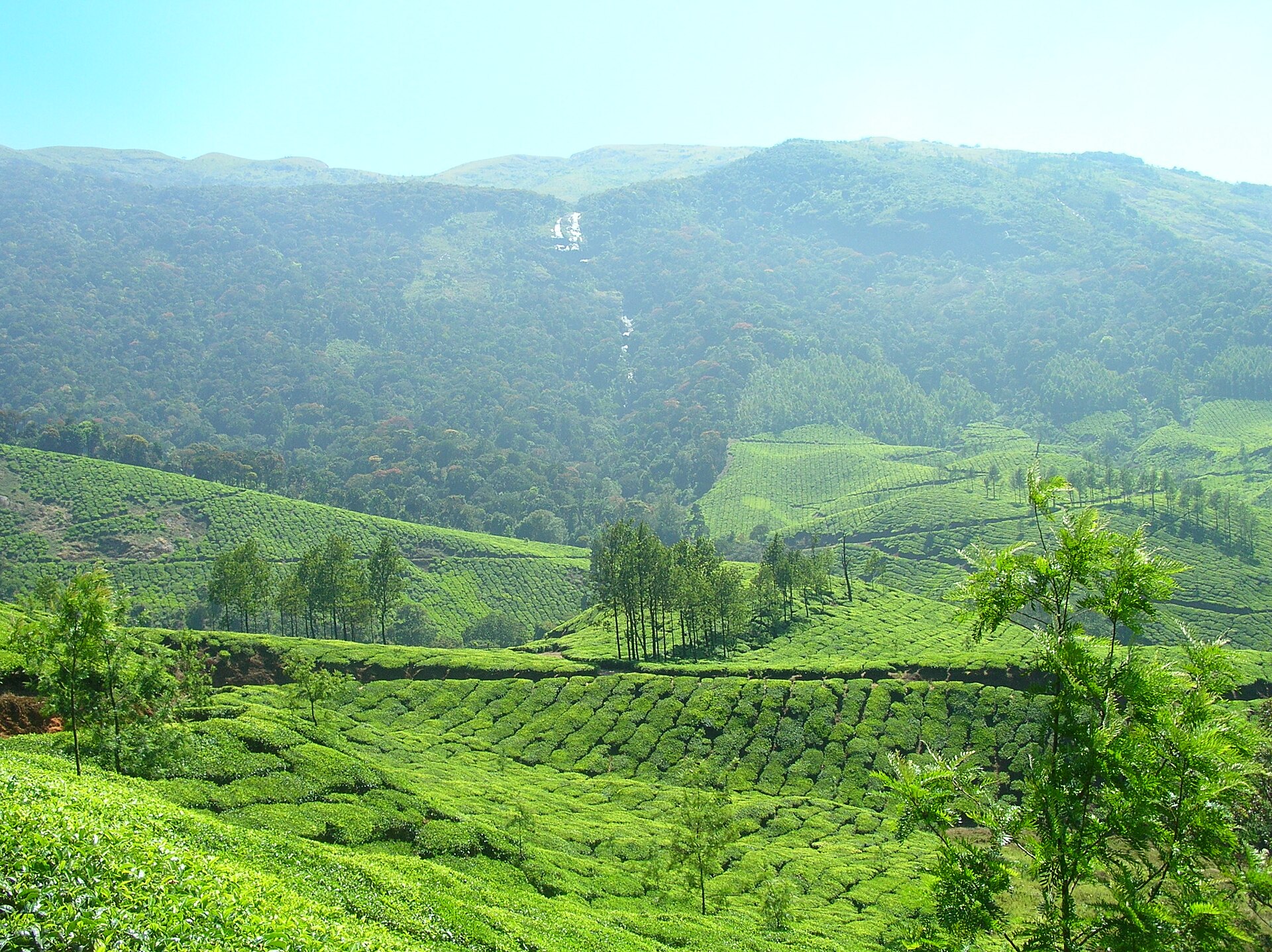
Luxury Kerala: Backwaters, Hills & Coast in One Journey
Kerala rewards the traveller who moves slowly through its three worlds — still backwaters, misty tea hills, and a palm-lined coast. How to combine them in luxury.
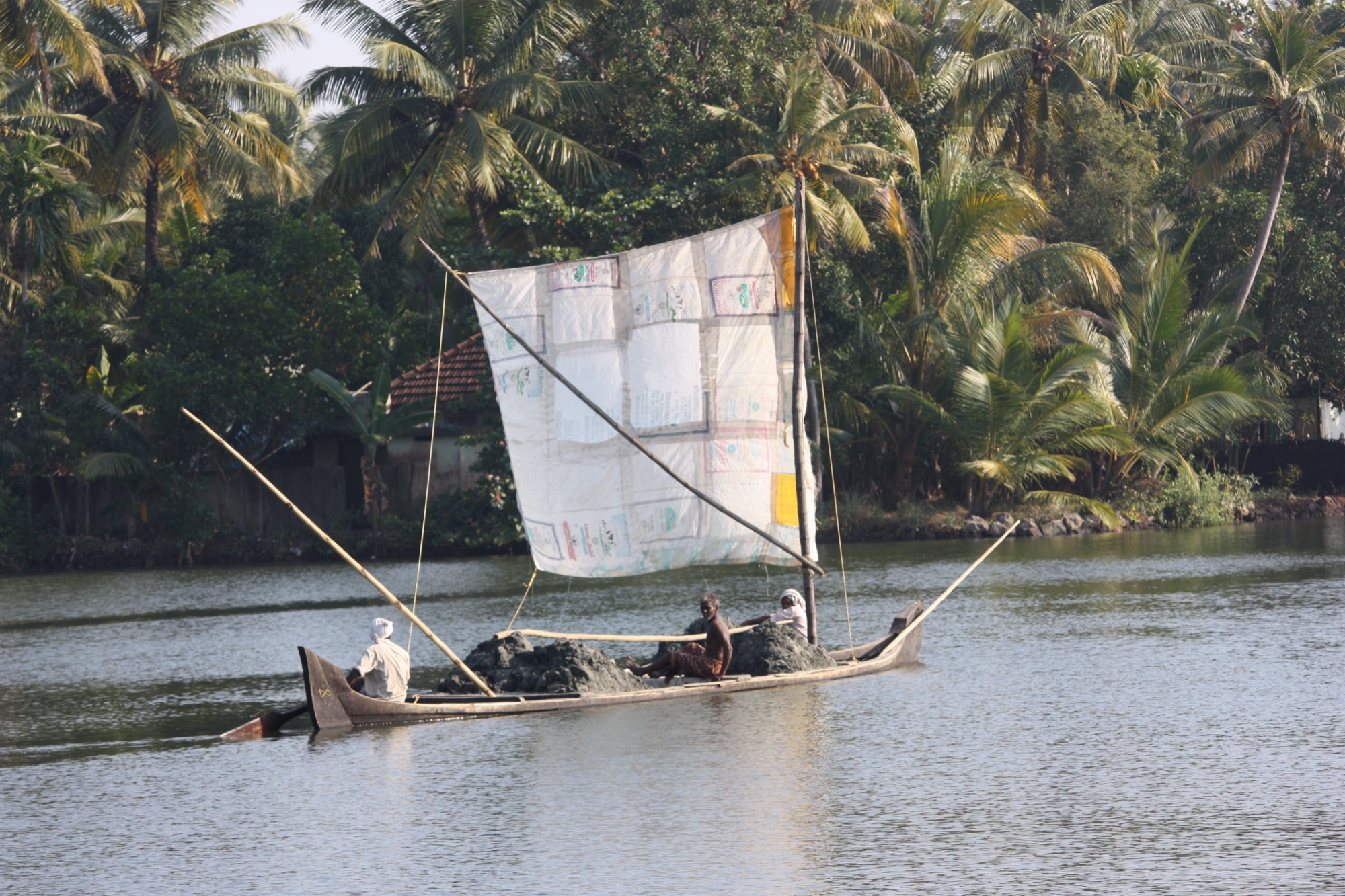
Kerala Backwaters: The Slow-Luxury Way
A network of palm-fringed waterways where the pace slows to the drift of a boat. How to experience Kerala's backwaters with privacy, comfort and depth.