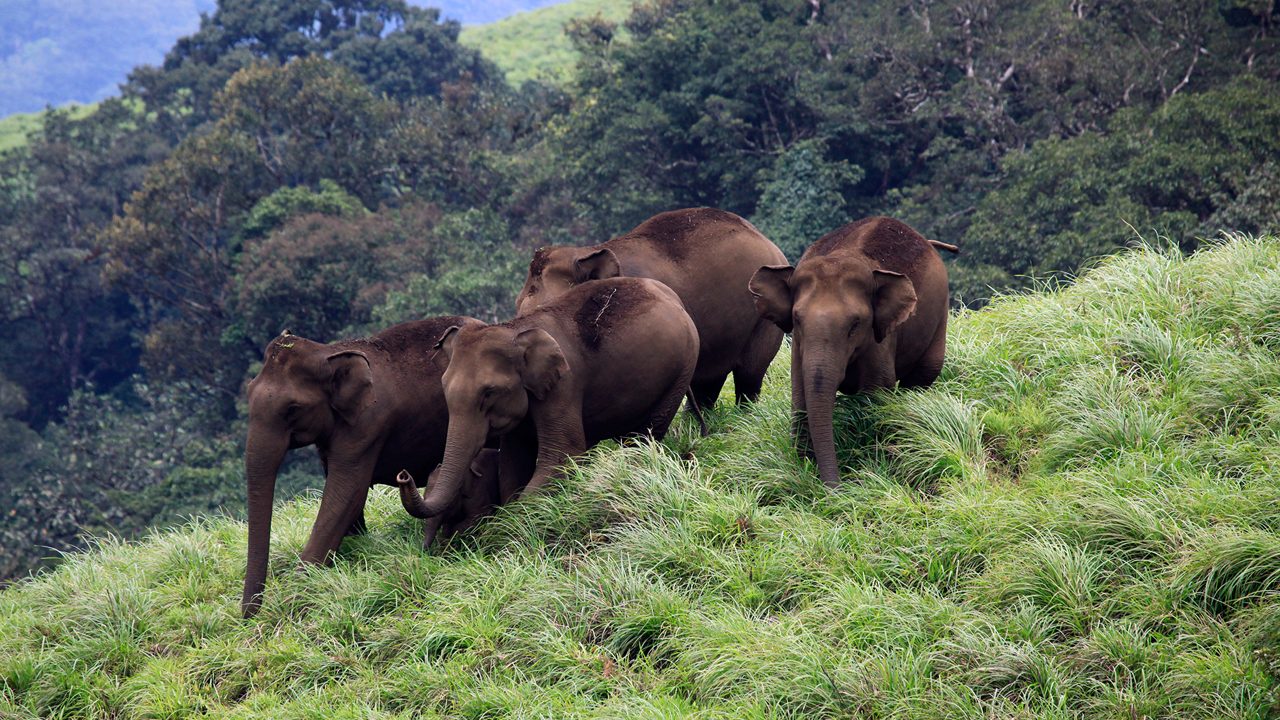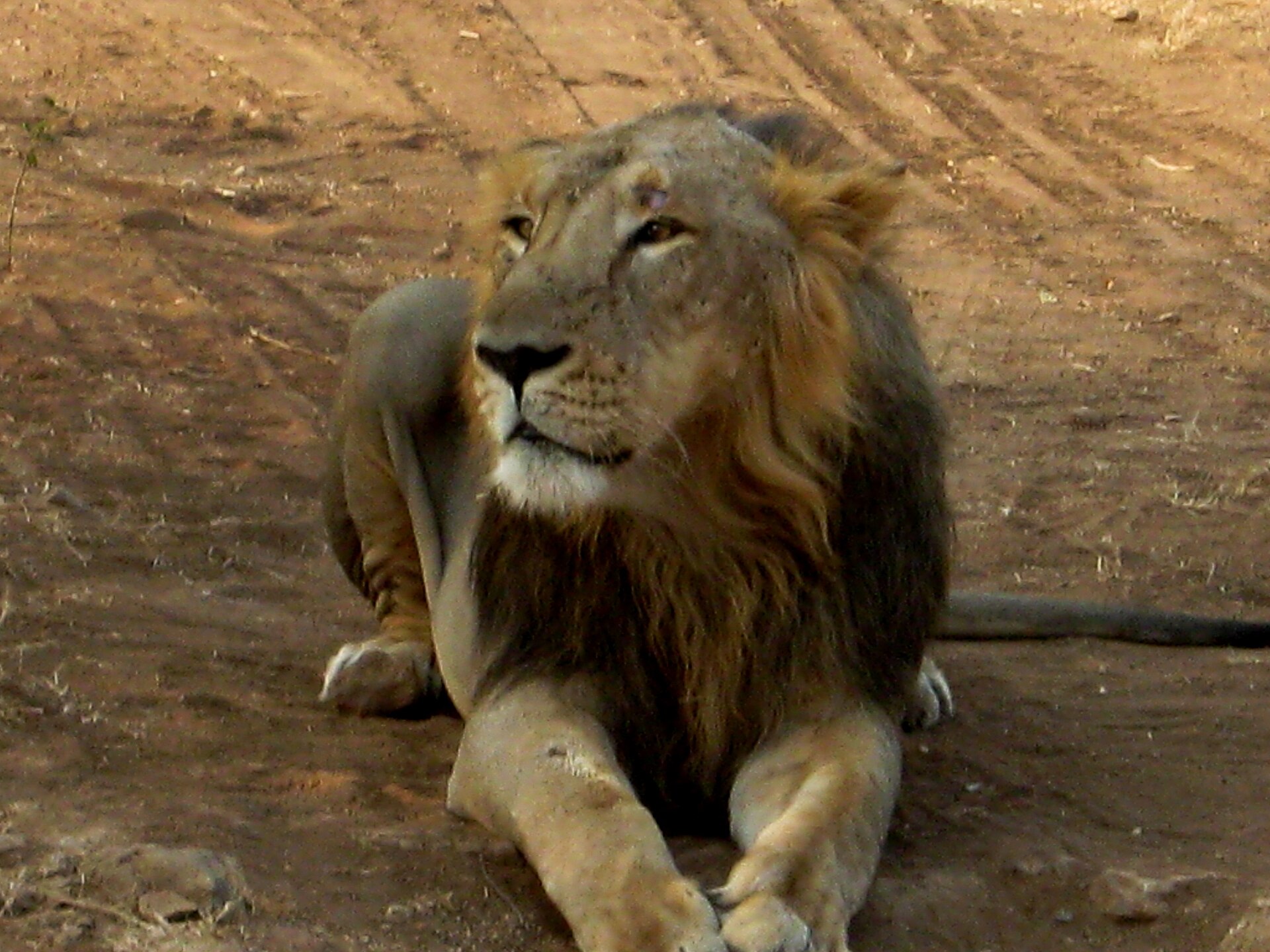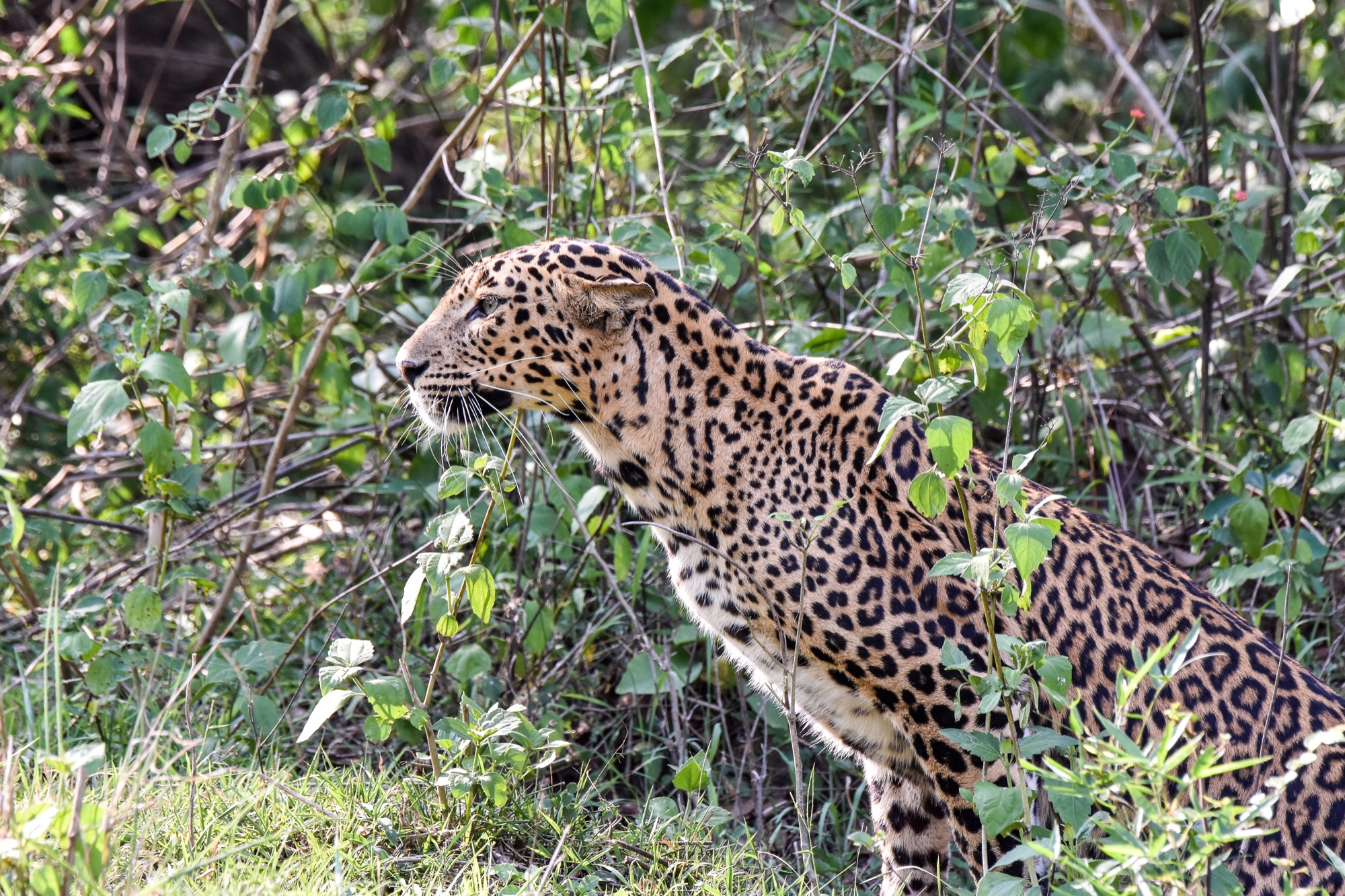
Hero photograph: Female Indian Leopard Hunting Nagarhole Karnataka Apr22 D72 24082 — CC BY-SA 4.0, via Wikimedia Commons
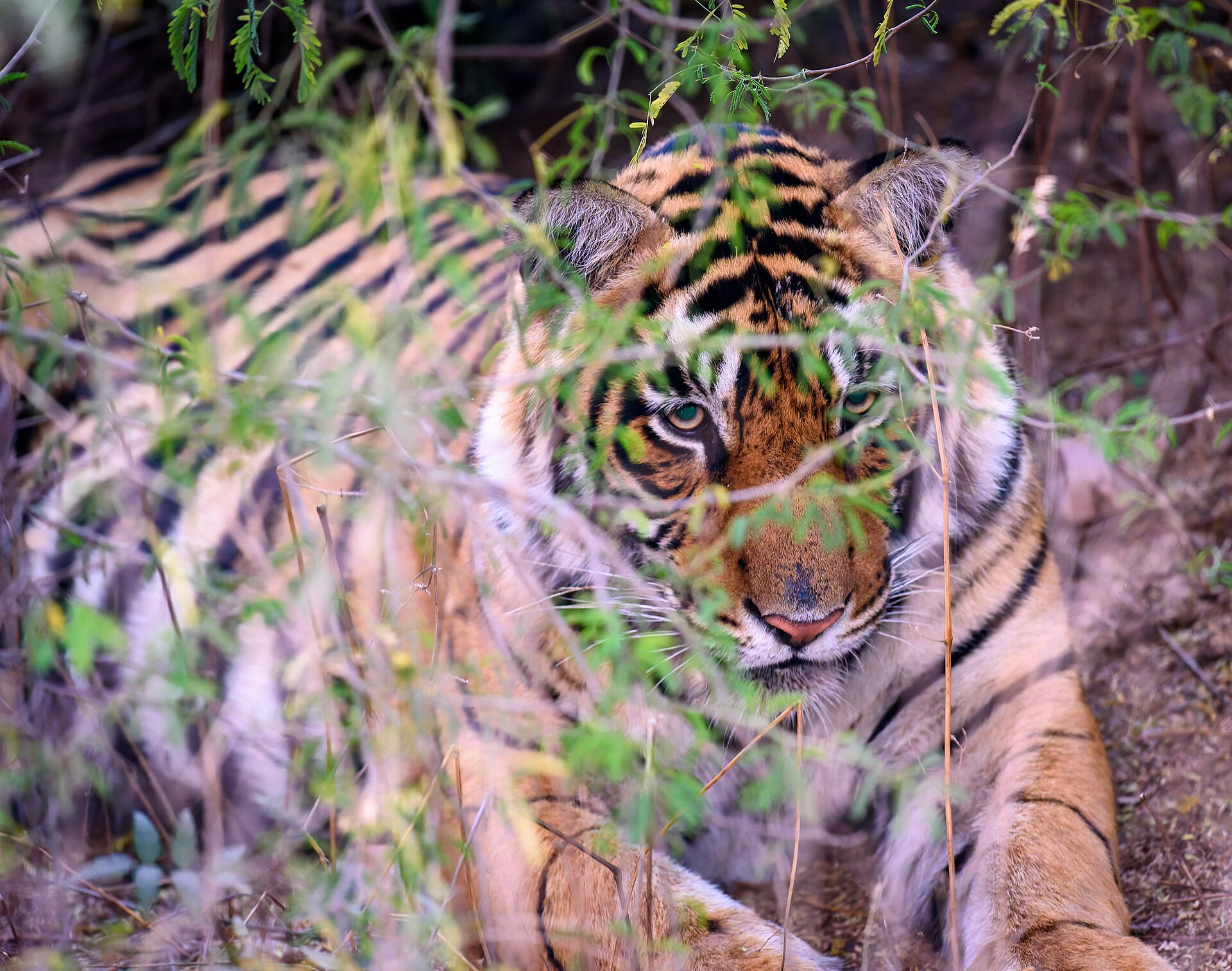
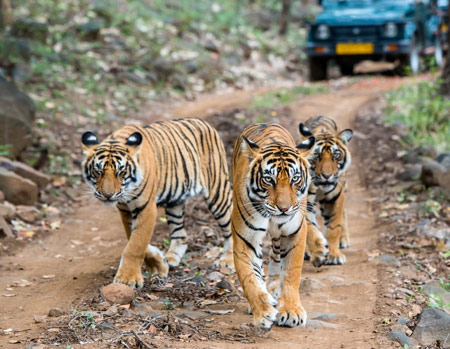
An African safari shows you animals; an Indian safari makes you earn them. The tiger is a solitary ambush hunter in dense forest, and finding one is a craft — alarm calls read like radio traffic, pugmarks aged by their edges, a naturalistNaturalistThe trained wildlife guide who accompanies guests on safari, reading tracks, alarm calls and behaviour to find animals.Read in the glossary's hunch about which waterhole matters on a hot morning. When the striped face finally materialises out of dappled salSalA tall hardwood tree that forms the dominant forest of central and northern India.Read in the glossary forest, the effect is unlike anything on the African plains precisely because the forest made you wait.
The difference between a good Indian safari and a frustrating one comes down to three decisions: which park, which month, and which lodge. All three are frequently gotten wrong.
Choosing the park
Bandhavgarh holds India's highest tiger density and its most dramatic terrain — cliffs, ancient caves, a two-thousand-year-old fort above the canopy. Kanha is the classic: vast sal forests and meadows that inspired Kipling, with the rare barasinghaBarasinghaThe swamp deer of central India, named for the many tines of its antlers.Read in the glossary as a second act. Pench runs drier and more open, which favours leopard and wild dog sightings. Ranthambore, in Rajasthan, offers tigers against fort ruins and lakes — the most photogenic backdrop, and the easiest to combine with Jaipur and the palace circuit.
The serious answer is a circuit: Bandhavgarh, Kanha and Pench connect by road into a twelve-day arc that stacks the odds decisively while showing three distinct forest ecosystems.
Timing and the lodge question
October reopens the parks green and lush; February and March balance comfort with improving sightings; April and May are hot, harsh and the best tiger months of all, as cats hold to the waterholes. June to September the core zonesCore zone & buffer zoneThe two parts of an Indian tiger reserve: a strictly protected core, where no one lives, ringed by a buffer in which limited human activity is permitted.Read in the glossary close for monsoon.
The lodge decides everything else. Properties like Samode Safari Lodge, Taj Banjaar Tola and Jamtara Wilderness Camp employ naturalists of genuine calibre, hold the best park access, and turn the hours between drives into their own reward — bush breakfasts, star beds, tribal village walks. Booked as a private circuit with your own vehicle and naturalist throughout, the Indian jungle stops being a lottery and becomes a narrative.
Questions, Answered
Which is the best national park in India to see tigers?
Bandhavgarh National Park in Madhya Pradesh has India's highest tiger density. Kanha, Pench and Ranthambore are also outstanding — many travellers combine Bandhavgarh, Kanha and Pench into one central India circuit.
What is the best month for a tiger safari in India?
April and May offer the highest sighting probability as tigers stay near water, though at high temperatures. February and March balance comfort and sightings. Parks' core zones close during monsoon, roughly June to September.
Journeys That Take You There
Read Next