India is a rewarding and, travelled privately and well, a warm and comfortable destination for LGBTQ+ visitors — with vetted hotels, discreet and professional ground teams, and a hospitality culture of genuine welcome, the practical experience is overwhelmingly positive. The honest picture is neither an unqualified all-clear nor a reason for anxiety; it is that the way you travel matters, and that arriving supported rather than exposed transforms the journey, here as it does for any visitor.
It is worth being clear-eyed about both the law and the culture. India decriminalised consensual same-sex relationships in 2018, and its major cities have visible, growing LGBTQ+ communities, Pride marches and a lively cultural scene. At the same time, social attitudes vary widely between cosmopolitan cities and conservative rural areas, and India has not legislated same-sex marriage or broad anti-discrimination protections. A warm welcome and legal equality are not the same thing, and this guide tries to hold both truths at once.
A warm welcome and full legal equality are not the same thing — and an honest guide to LGBTQ+ India holds both truths at once.
The legal reality, stated plainly
On 6 September 2018, in the case of Navtej Singh Johar v. Union of India, the Supreme Court of India read down Section 377 of the penal code, decriminalising consensual sexual relations between adults of the same sex — a landmark judgment that removed the shadow of criminality that had hung over gay life since colonial times. It is the foundation of everything that has opened up since.
It is important, though, not to overstate what followed. India has not legalised same-sex marriage: in October 2023, in Supriyo v. Union of India, the Supreme Court declined to grant a right to marry, leaving the question to Parliament, where it remains unresolved. There is no comprehensive national law protecting people from discrimination on the basis of sexual orientation. Decriminalisation was a genuine and significant step, but it is a floor rather than a ceiling, and honest guidance says so.
How private travel changes the experience
Almost all of the friction an LGBTQ+ traveller might imagine in India arises in the ordinary gaps of independent travel — the front desk that queries a shared bed, the driver who asks intrusive questions, the uncertainty of an unfamiliar street. Private, high-touch travel closes those gaps. At the luxury tier, hotels are internationally minded and professional, staff are briefed and discreet, and a couple is received simply as valued guests, without comment or complication.
With your own vetted driver and guide, transfers arranged in advance, and stays at leading properties chosen for their attitude as much as their comfort, the situations that cause worry are largely designed out of the journey before it begins. This is the same principle that makes India so rewarding for solo and women travellers: the more the practical edges are smoothed by a trusted ground team, the more freely you can engage with the country itself — which is warm, curious and, in the settings a good journey moves through, entirely at ease.
Where travellers feel most at ease
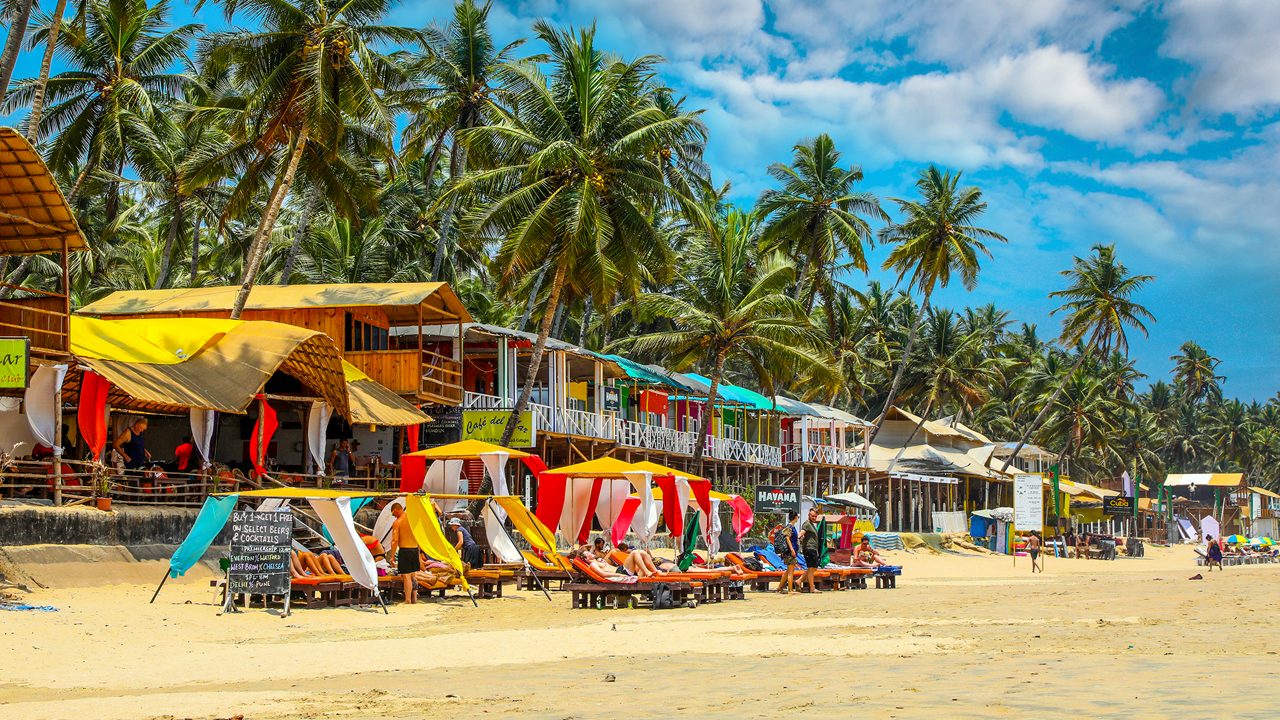
The cosmopolitan cities are the most relaxed. Mumbai is India's most liberal and open metropolis, with an established LGBTQ+ scene and a live-and-let-live confidence; Delhi and Bengaluru have vibrant communities and host the country's best-known Pride events; and Goa, with its long tradition of tolerance and its resort ease, is a natural and welcoming place to unwind. These are the settings where a couple travels most freely and visibly.
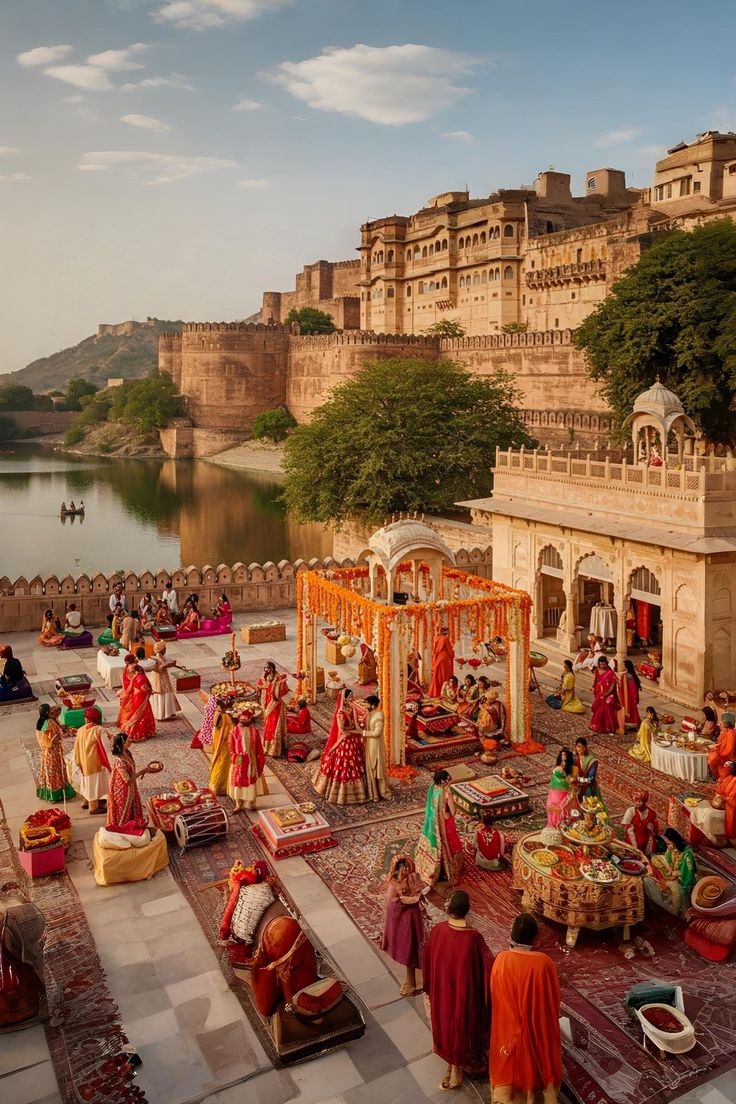
Across the wider journey — the palaces of Rajasthan, the backwaters of Kerala, the great monuments — the luxury-travel experience is uniformly gracious, and public displays of affection are best kept modest simply as they would be for any couple in India, gay or straight, out of ordinary cultural courtesy rather than concern. Travelled this way, India opens generously: its hospitality is genuinely felt, and the welcome extended to a well-hosted LGBTQ+ traveller is warm and real.
Travelling with confidence
The practical advice is simple and reassuring. Choose your properties and your ground team with care, lean on your travel designer to brief hotels and drivers in advance, and travel at the private tier where discretion and professionalism are the norm. Beyond that, the ordinary courtesies of travelling anywhere in India apply — modest dress at religious sites, an unhurried pace — and the rest looks after itself.
Elevated India designs LGBTQ+ journeys with exactly this care: welcoming, vetted hotels, discreet and professional guides, and an itinerary shaped around each traveller's interests and comfort, whether that is the cities and their scene, the palaces and wilderness, or a wellness journey of retreat and restoration. The aim is a trip on which you can simply be yourselves and enjoy India — supported, at ease, and free to fall for the country the way so many travellers do.
Questions, Answered
Is India safe for LGBTQ+ travellers?
Travelled privately at the luxury tier, India is a warm and comfortable destination for LGBTQ+ visitors, with professional, discreet hotels and ground teams. Same-sex relationships were decriminalised in 2018. Social attitudes vary between liberal cities and conservative rural areas, and same-sex marriage is not legal, so private, well-supported travel is the most relaxed way to go.
Is homosexuality legal in India?
Yes. On 6 September 2018 the Supreme Court of India read down Section 377 and decriminalised consensual same-sex relationships. However, India has not legalised same-sex marriage — the Supreme Court declined to do so in 2023, leaving it to Parliament — and there is no comprehensive national anti-discrimination law.
Journeys That Take You There
Read Next