Mumbai is India's most cosmopolitan and energetic city — a peninsula of colonial-era grandeur, the world's finest ensemble of art-deco architecture, a serious dining scene and a restless creative pulse, all pressed against the Arabian Sea. Many travellers pass through it only for a flight; the discerning ones give it two or three days and discover the most sophisticated city in the country.
Where Delhi is imperial and layered with dynasties, Mumbai is mercantile and modern — a city built on trade, cinema and ambition, and it wears its confidence lightly. It is the natural place to begin or end a journey through Western and Southern India, and a rewarding destination in its own right.
Give Mumbai three days rather than three hours, and the city most travellers treat as a transit lounge becomes the most sophisticated chapter of the journey.
What to see and do in Mumbai
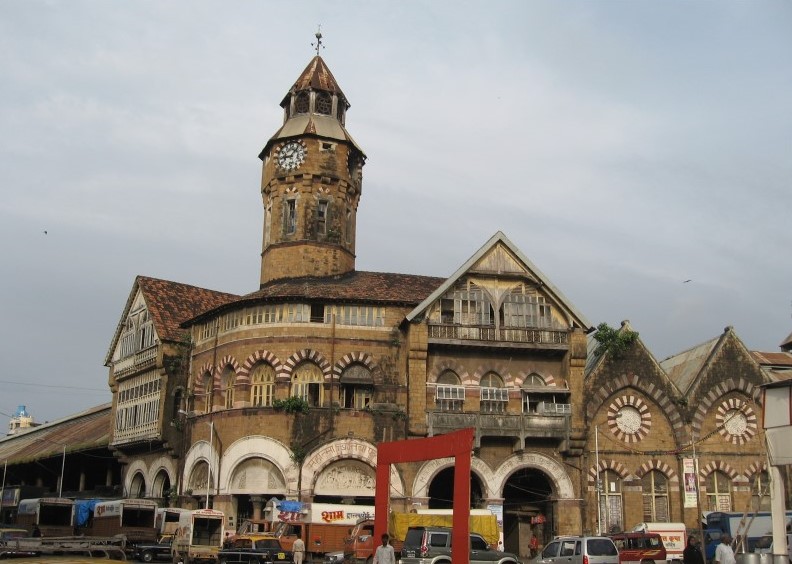
The city's heart is the southern tip, around the Gateway of India — the great basalt arch on the waterfront — and the surrounding Colaba district, with its cafés, galleries and the grand Victorian-Gothic ensemble of the Fort area. A walking tour here reads the whole story of British Bombay: the extraordinary Chhatrapati Shivaji Terminus railway station, the university and high court, the museums and bookshops.
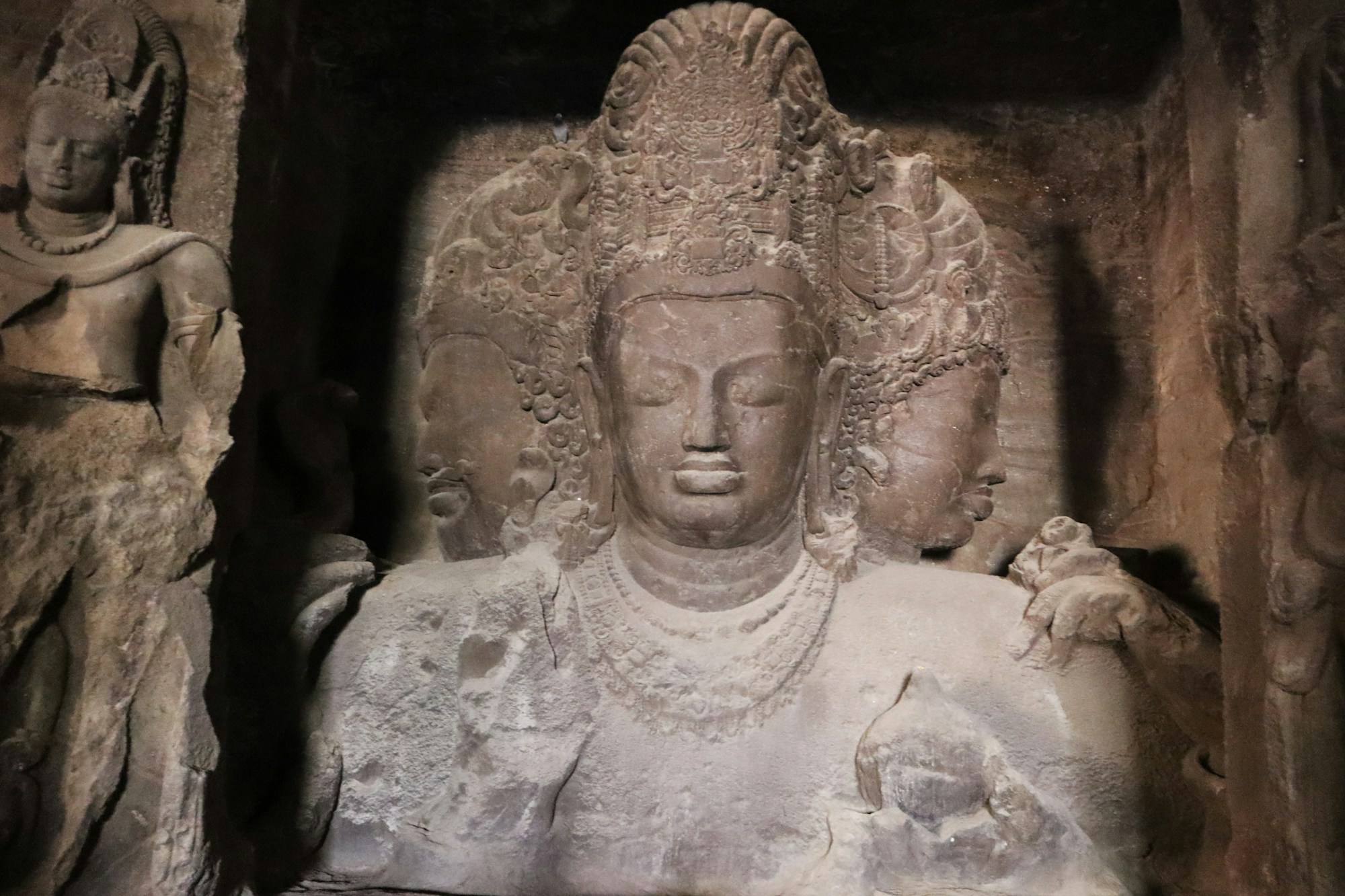
Along the seafront runs Marine Drive, its sweeping curve lined with the pastel art-deco apartment blocks that give Mumbai the second-largest collection of deco buildings in the world — best walked at dusk, when the streetlights earn the promenade its name, the Queen's Necklace. Offshore, an hour by boat, lie the Elephanta Caves, their rock-cut temples to Shiva carved into an island in the harbour.
Mumbai is also a city of contrasts that reward an honest, sensitively guided look — the crumbling elegance of old textile mills reborn as galleries, the flower and produce markets at dawn, the dabbawalas' famous lunch-delivery ballet, and the film industry that gives the city half its mythology.
North of the centre, the mood shifts. The leafy suburb of Bandra mixes old Portuguese-Catholic cottages with the city's most fashionable cafés and boutiques; Chor Bazaar and the antique lanes of the old quarter reward the patient browser; and the Banganga Tank, a hidden sacred pool ringed by temples in the heart of the city, is the kind of quiet corner most visitors never find. An afternoon spent this way — off the monument trail, reading the city's contemporary life — is often what travellers remember most fondly of Mumbai.
Where to stay, and where to eat
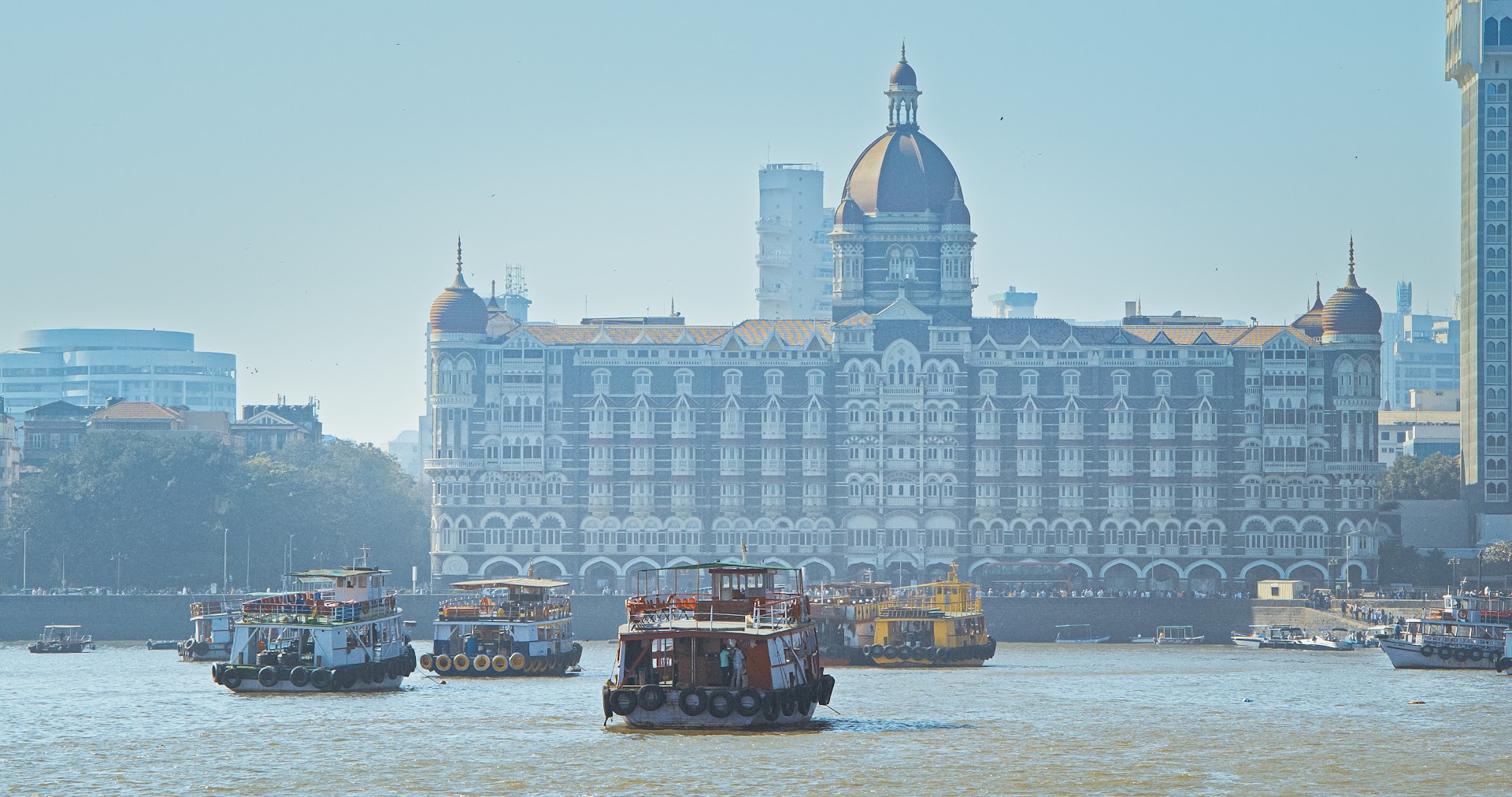
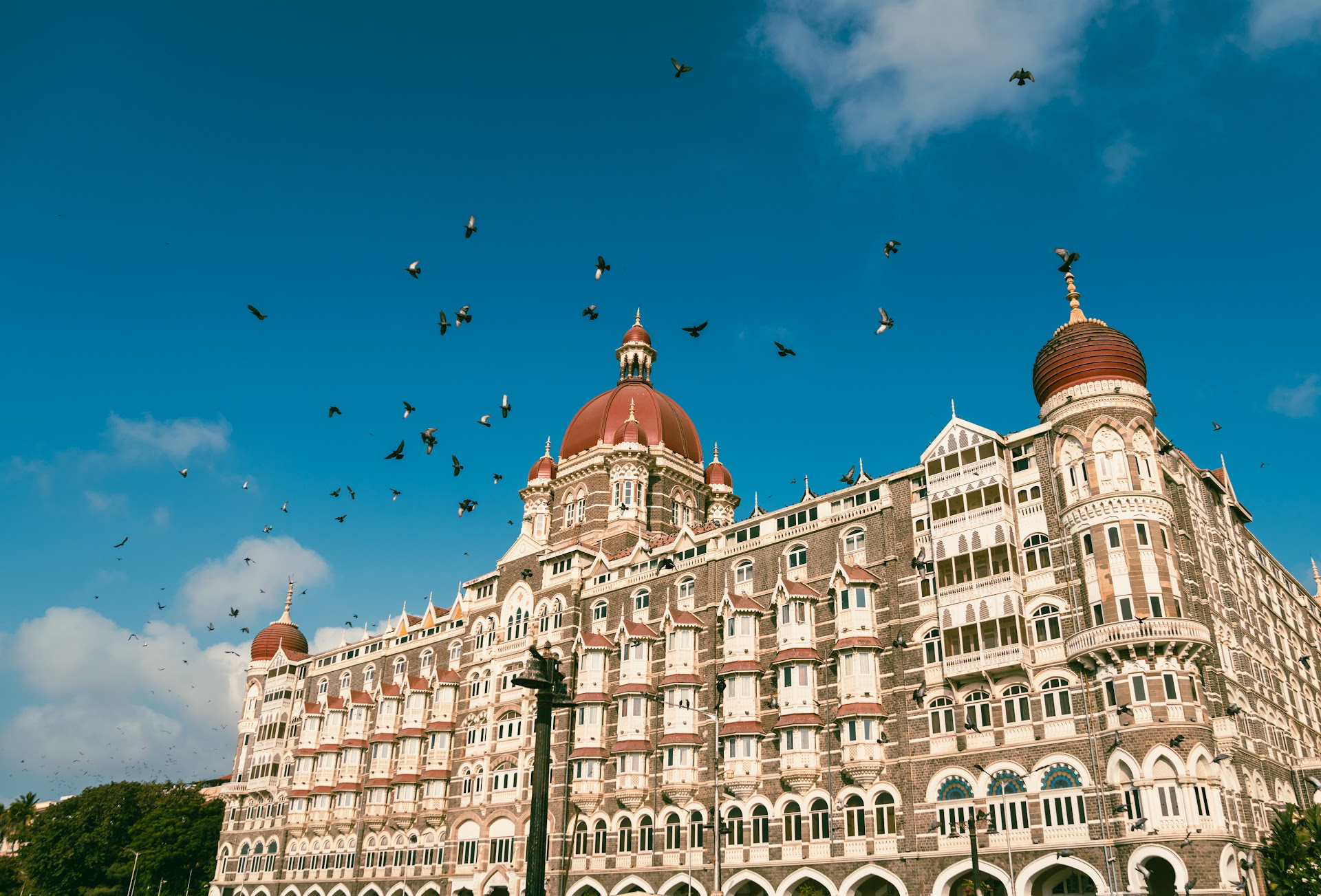
Mumbai holds some of India's most storied hotels. The Taj Mahal Palace, overlooking the Gateway of India, is the city's grande dame and the birthplace of Indian luxury hospitality — a destination in itself. A handful of other landmark properties along the seafront and in the newer districts offer world-class service and harbour views.
Dining is where the city truly distinguishes itself. Mumbai has India's most ambitious restaurant scene — from refined modern Indian tasting menus to the ParsiParsiA member of India's small Zoroastrian community, descended from Persians who settled on the west coast of India centuries ago.Read in the glossary cafés that are a vanishing institution, the coastal seafood of the Konkan and Mangalore, and the street food the city has perfected. A thaliThaliA complete meal served as a set of small dishes arranged around a central plate.Read in the glossary here, or an evening in a century-old Irani caféIrani caféA Mumbai or Hyderabad café founded by Zoroastrian immigrants from Iran, with marble tables, bentwood chairs and a long list of house rules on the wall.Read in the glossary, tells you as much about Mumbai as any monument.
How Mumbai fits a journey
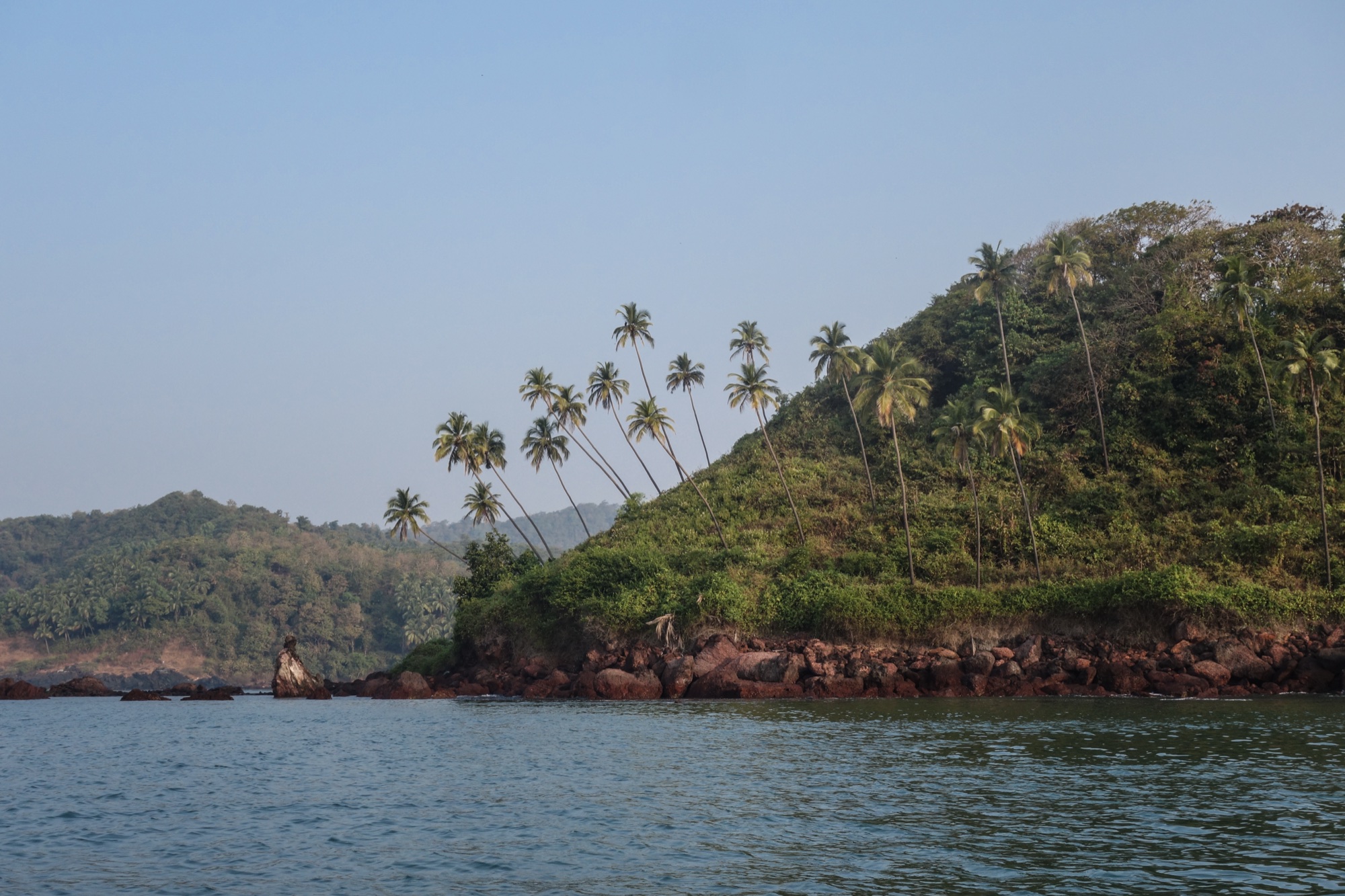
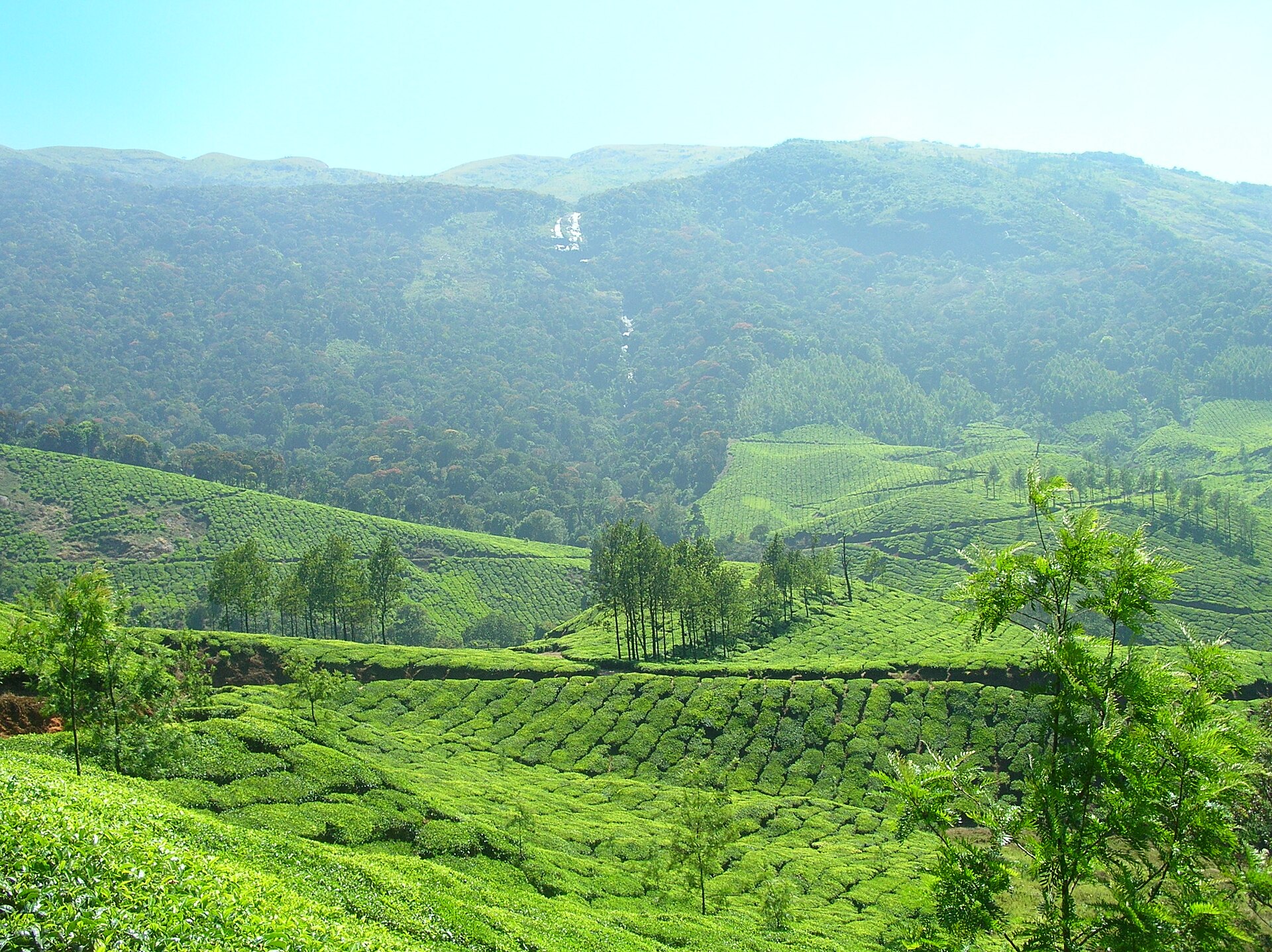
Mumbai is the gateway to Western and Southern India, and it sequences naturally. It pairs with the caves and heritage of the Deccan, flows south into Goa and the beaches, and connects onward to Kerala's backwaters and coast for a complete western journey. As an arrival city it eases travellers gently into India; as a finale it sends them home on a high note of glamour and good food.
Elevated India composes Mumbai around private guiding — the architecture, the markets, the galleries and the food — and secures the signature suites at its landmark hotels, so that a city most visitors skip becomes one of the memorable chapters of the trip.
Questions, Answered
Is Mumbai worth visiting?
Yes. Mumbai is India's most cosmopolitan city, with colonial-era grandeur, the world's second-largest collection of art-deco architecture, the offshore Elephanta Caves and the country's finest dining scene. Two to three days reveal a sophisticated city most travellers wrongly treat only as a transit point.
What are the best things to do in Mumbai?
See the Gateway of India and colonial Colaba and Fort, walk art-deco Marine Drive at dusk, visit the Elephanta Caves by boat, and explore the markets, galleries and dining scene. Elevated India arranges private architectural, market and food tours and stays at landmark hotels such as the Taj Mahal Palace.
Journeys That Take You There
Read Next