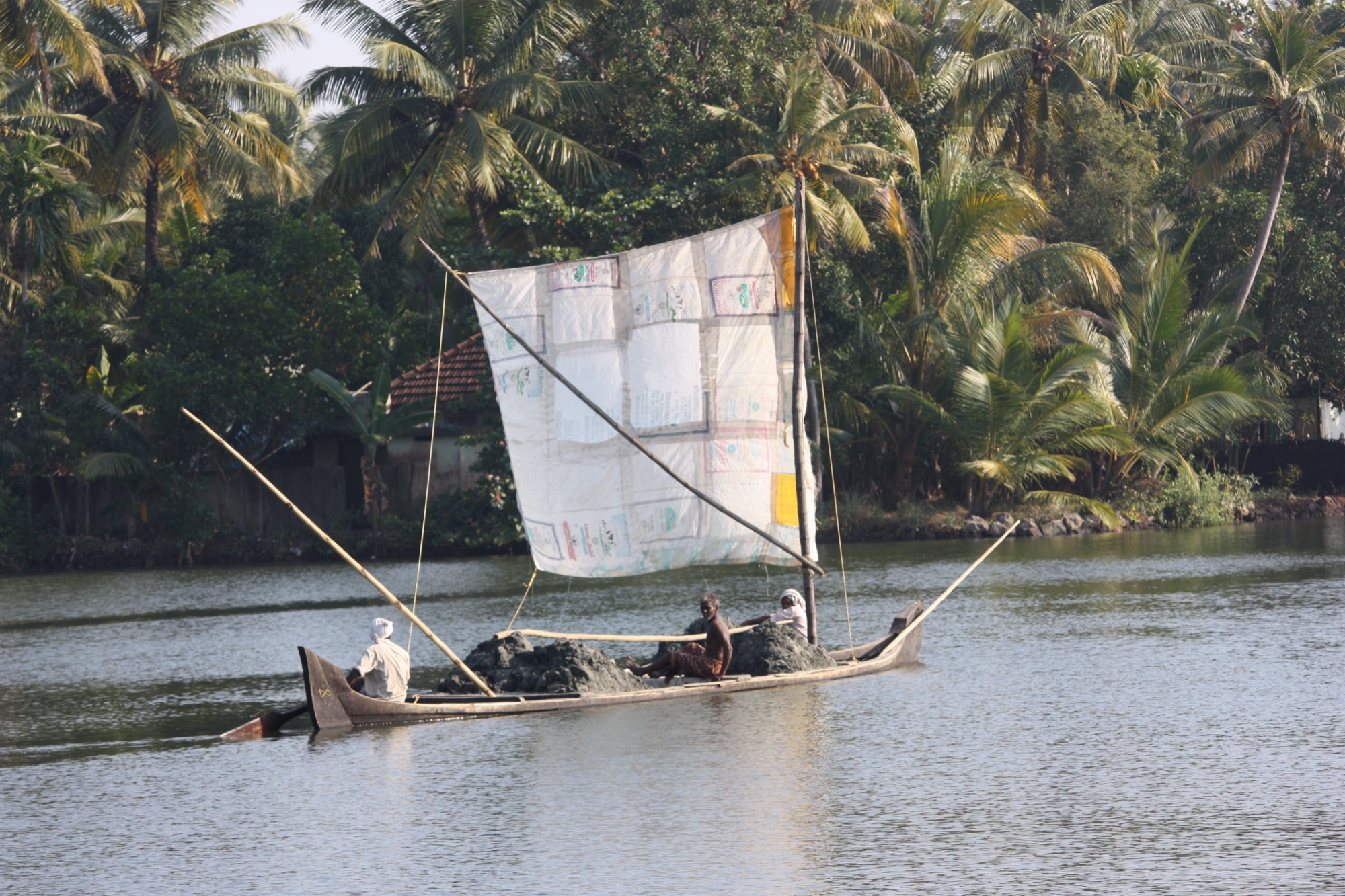
Hero photograph: Walking near Athirappilly Falls — CC BY-SA 4.0, via Wikimedia Commons
| Period | What it is like | Best for |
|---|---|---|
| Oct – Mar | Dry, warm, reliable; peak Dec–Jan | Beaches, backwaters, first visits |
| Apr – May | Hot and humid; hills stay pleasant | Munnar and the high ranges; quieter rates |
| Jun – Sep | Monsoon; intense green, heavy rain | Ayurveda, hills, travellers who like weather |
The standard answer — October to March — is correct, and it is what most guests should do. But Kerala is three distinct landscapes stacked within a couple of hours of each other, and they do not share a calendar. The coast, the backwaters and the high tea country each have their own best moment, and knowing which Kerala you are actually going for is more useful than a single set of months.
The reliable season
From October the rains withdraw and the state settles into warm, dry, stable weather that lasts until about March. This is when the beaches work, when the backwaters are at their most benign, and when a houseboat night is a pleasure rather than a gamble. December and January are the peak — busy, expensive, and genuinely lovely. February is quieter and just as good.
The hills keep their own time
Munnar and the high ranges sit well above the coastal heat, and April and May — uncomfortable at sea level — remain agreeable up there. For guests who want tea country and cool nights without competing for rooms, the shoulder months are a genuine opportunity rather than a compromise.
The case for the monsoon
The monsoon is not merely tolerable in Kerala; it has a following. The rain is dramatic rather than constant, the landscape is at its most extravagantly green, and rates fall sharply. More substantially, this is the traditional season for AyurvedicAyurvedaA traditional Indian system of medicine that treats health as a balance between three bodily humours, or doshas.Read in the glossary treatment — the cooler, humid air is held to make the body more receptive, and the serious treatment centres run their principal programmes now rather than in the dry months.
The honest caveats: beach days are unreliable, some backwater operators reduce services, and travel takes longer. For a guest whose Kerala is a fortnight of treatment in the hills, none of that matters.
The short answer
For a first visit taking in backwaters, coast and hills: November to March. For tea country and quiet: April, May or September. For Ayurveda: the monsoon, deliberately.
Questions, Answered
What is the best month to visit Kerala?
For a first visit combining backwaters, coast and hills, November to February is ideal — dry, warm and reliable. December and January are the busiest and most expensive within that window.
Is Kerala worth visiting during the monsoon?
For some travellers, very much so. The landscape is at its greenest, rates drop, and it is the traditional season for Ayurvedic treatment. Beach time becomes unreliable, so it suits guests coming for wellness or the hills rather than the coast.
When is the monsoon in Kerala?
The southwest monsoon usually arrives at the start of June and runs into September, with a second, lighter northeast monsoon affecting parts of the state around October and November.
Is April a good time for Munnar?
Yes. The high ranges stay comfortable when the coast is hot and humid, so April and May are a good window for tea country, usually with fewer visitors and better availability.
How many days do you need in Kerala?
Seven to ten nights lets you combine backwaters, a stretch of coast and time in the hills without rushing. Under five nights, choose two of the three rather than all of them.
Journeys That Take You There
Read Next