Private journeys planned around your mobility — with the awkward questions answered in writing before you commit to anything.
India rewards the traveller who comes for it: the culture, the wildlife, the tea hills, the coast, the food, and a hospitality that is genuinely pleased to see you. It is also a country where accessibility varies enormously — between one hotel and the next, between a monument and the road outside it, between a new airport and the pavement beyond the door.
Both of those things are true at once, and a journey here succeeds or fails on how seriously the second one is taken while the first is being planned.
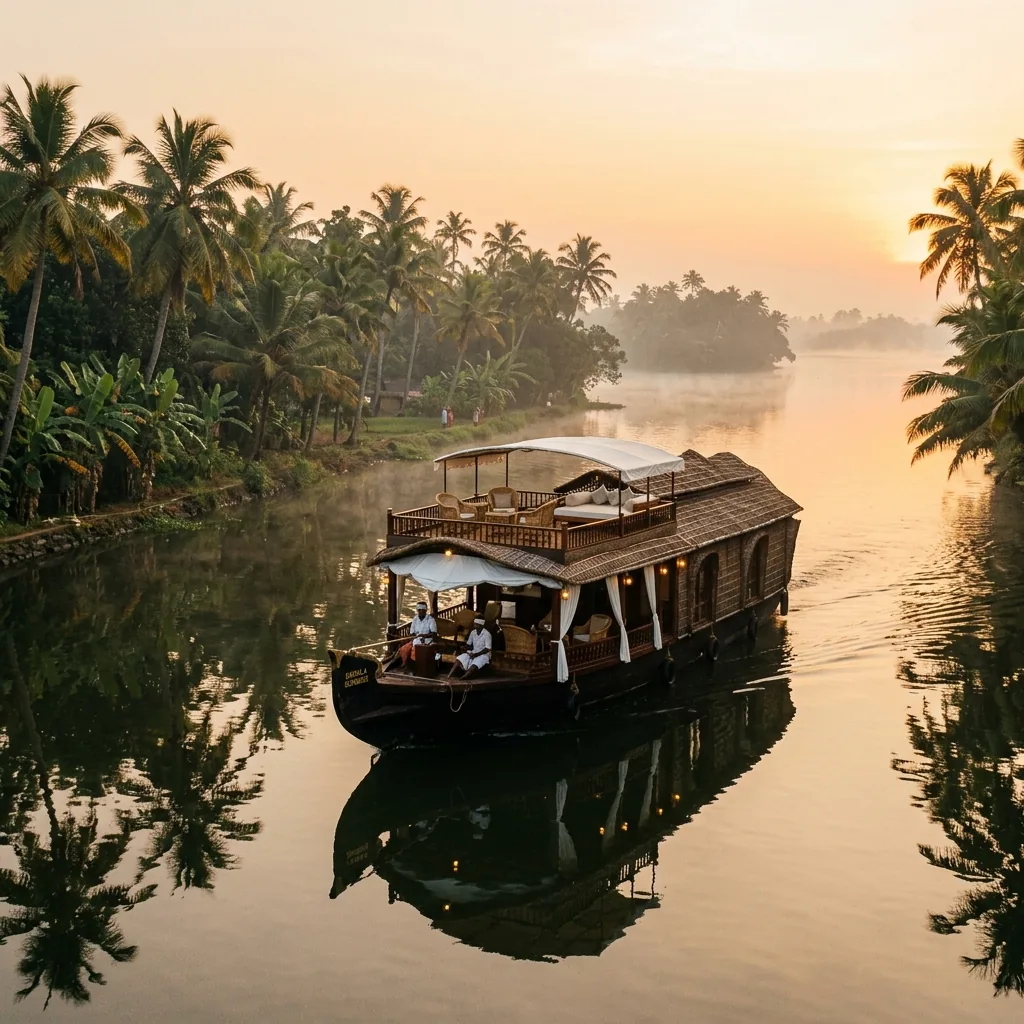
The Kerala backwaters. Travelled by boat — which makes boarding the access question, rather than the distance.
What we will not do
We will not tell you it is all accessible
A great deal of accessible travel marketing promises that every hotel works, every room is near the lobby, and a lift is always available. It is not true of India, and it is not in anyone's gift to promise. A heritage haveli has no lift and cannot be given one. A palace courtyard has a threshold at every door. A fort was built to be difficult to enter.
Being told otherwise is not a small disappointment when you are five thousand miles from home. So we would rather lose the enquiry than win it on a promise we cannot keep — and in our experience that is also the only basis on which this kind of journey is worth planning at all.
What we will do is go and find out, tell you plainly what we found, and design the journey around the answer.
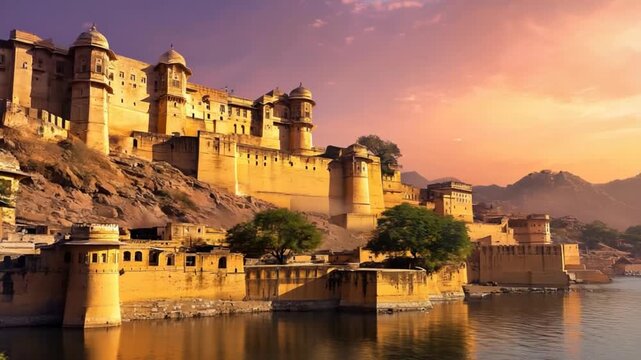
Amber Fort, outside Jaipur. Cobbles, ramps built for elephants, and a long climb — a site we would usually suggest you take in from the lake below, and spend the morning somewhere that will not cost you the afternoon.
Before we plan
What we ask you first
No route is drawn until we understand how you actually move through a day. These are the questions, published in full so that nothing about the first conversation is a surprise.
Your chair and your transfers
Manual or powered, folding or rigid, and the width and weight — these decide which vehicles, lifts and bathroom doors will work. Whether you transfer independently, with one person, with two, or with a hoist.
Standing and walking
Whether you can stand briefly, manage a few steps with support, or none at all. A single step is the difference between a hotel that works and one that does not.
The bathroom
Roll-in shower, shower chair, grab rails, bath only, door width. The most common reason a well-meaning 'accessible room' turns out not to be.
Stamina across a day
How many hours out before you need to be back, and how that changes across a fortnight. This is what sets the shape of every day, more than any single site does.
Care and companions
Who travels with you, what they can lift, and whether you would like local assistance arranged alongside them.
Equipment and medication
What you bring, what needs charging or refrigerating, what must be sourced here, and what happens if something is damaged in transit.
Checked, not filtered
Hotels
A hotel's own 'accessible room' means very different things in Delhi and in a converted fort. So we do not take the label.
Room by room, against your measurements
We ask properties for door widths, threshold heights, bathroom layout and photographs — and against your chair, not a standard. Where our own team can visit, they do.
Where the room sits in the building
Proximity to the lobby, restaurant and pool matters more than the room itself over ten days. We look at the route through the hotel, not just the door.
Lifts where there are lifts
Many modern hotels have them. Many heritage properties genuinely do not, and no amount of asking will produce one. Where a beautiful property cannot work for you, we will say so and offer the closest one that can.
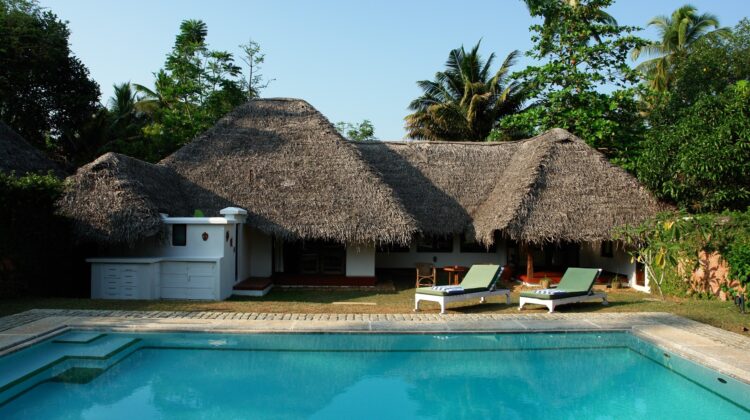
A villa on the Malabar coast. Properties built on one level, with the room, the terrace and the water on the same plane, are among the most workable in India — and are usually where we start.
Step-reduced, and honestly described
The Route
The plan is built around what a day actually costs you, rather than fitting a standard itinerary and hoping.
Shorter driving days
Indian roads are tiring in ways a map does not show. We shorten legs, break journeys, and build in the afternoon that most itineraries pretend nobody needs.
Sites chosen and ordered for access
Some monuments have ramps and smooth approaches; some are gravel, steps and long distances from any parking. We tell you which is which before the route is fixed, and we plan the visit for the time of day when it is quietest and coolest.
The honest alternative
Where a site cannot be done comfortably, we say so and propose what we would do instead — often a better morning than the one it replaces.
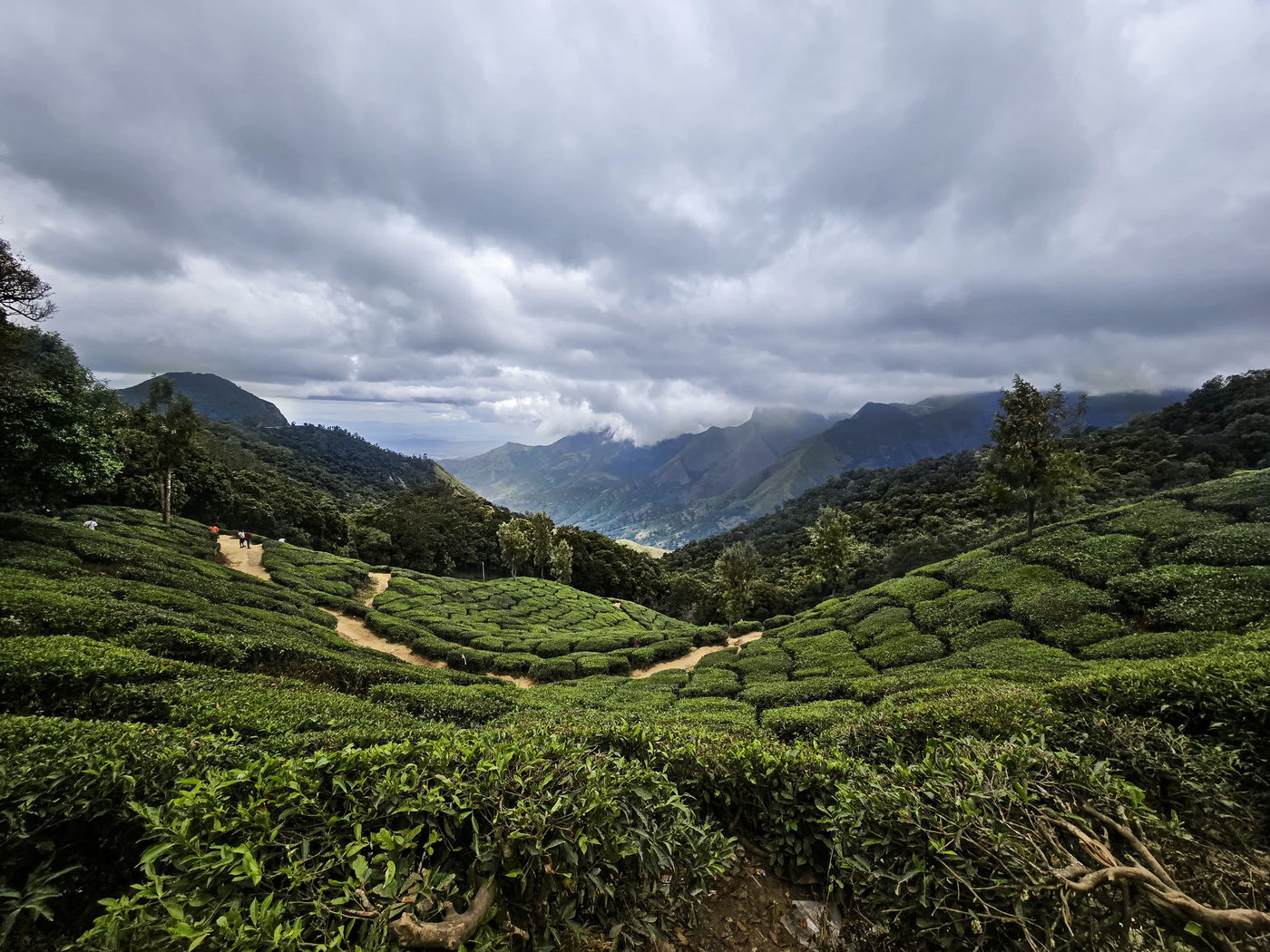
The tea hills above Munnar. Most of this is seen from the road and from a terrace rather than walked — which is exactly why it works on a journey where a hill fort does not.
Our own people
On the ground
The difference on a difficult day is who is with you and whether they can actually help.
A private vehicle for the whole journey
One vehicle and one chauffeur throughout, chosen for the transfer you need and the chair you travel with — not a different car each morning.
Guides briefed before you arrive
Your guides know your pace and your requirements before the first day, so nothing has to be explained at the gate of a fort.
A number that answers
One curator holds the journey, reachable at any hour, with our own ground team in the cities you are travelling through.
Before you confirm
An access brief, in writing
Before anything is booked you receive a written note covering every hotel and every site on the route: what we were told, what we verified ourselves, what we could not confirm, and where we think you will need help. Including the parts that are inconvenient.
It is the document we would want if we were the ones travelling, and it exists so that the decision to go is made with the facts rather than with the brochure.
The wider picture
India is getting better at this
The Government of India launched the Accessible India Campaign — Sugamya Bharat Abhiyan — on 3 December 2015, run by the Department of Empowerment of Persons with Disabilities, covering the built environment, transport, and information and communication.
Progress is real and it is uneven, which is the honest summary. Newer airports, hotels and some major sites are markedly better than they were a decade ago. Streets, older properties and many historic monuments are much as they were. Planning around that gap is the work.
Begin
Tell us how you travel
Send us as much or as little as you like. A curator will come back with honest answers about what India can offer you — including, where it is the right answer, that a particular idea will not work well and what we would suggest instead.