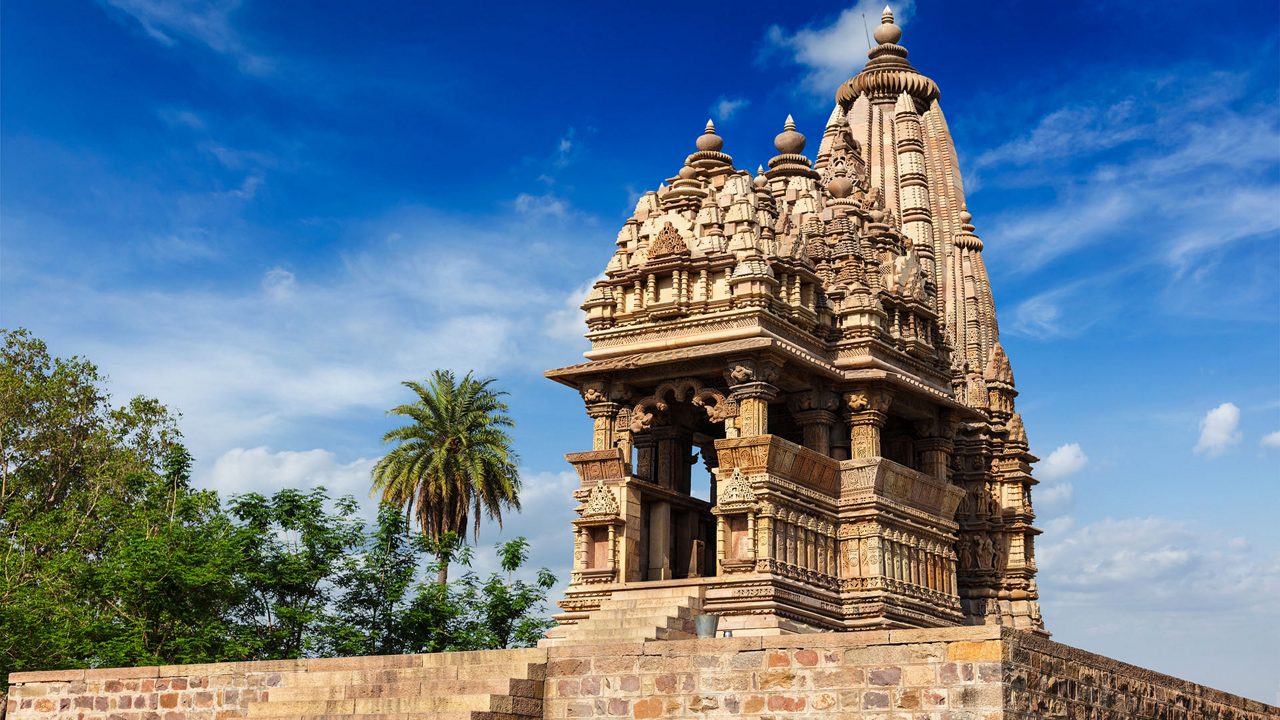
The Chandela dynasty raised some eighty-five temples here between about 950 and 1050 AD. Forest then covered them for centuries, which is exactly why roughly twenty-five survive: armies that razed temples elsewhere never found these.
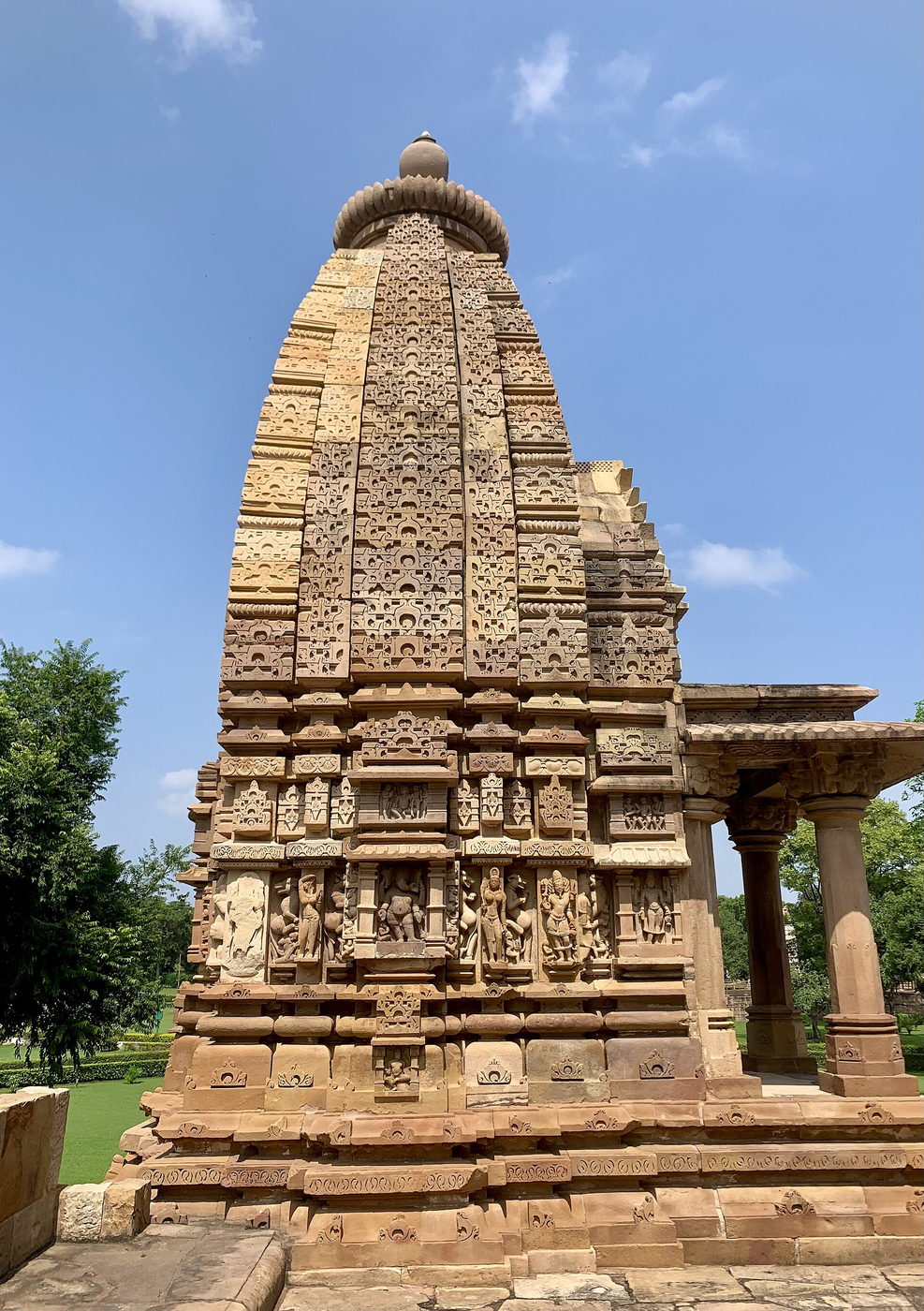
The erotic sculpture is real but it is a small percentage of the surface, and reading the site through it misses the achievement. What actually covers these towers is a complete society in sandstone — musicians, dancers, teachers, potters, women dressing, soldiers marching, deities and their consorts — carved with an assurance that has not aged in a thousand years.
Visiting Well
- The Western Group is the major one and needs a guide who can read iconography rather than simply point at things.
- The Eastern (Jain) Group is quieter and far less visited — worth the extra hour.
- October to March. A day and a half covers both groups without rushing.
How Elevated India Arranges It
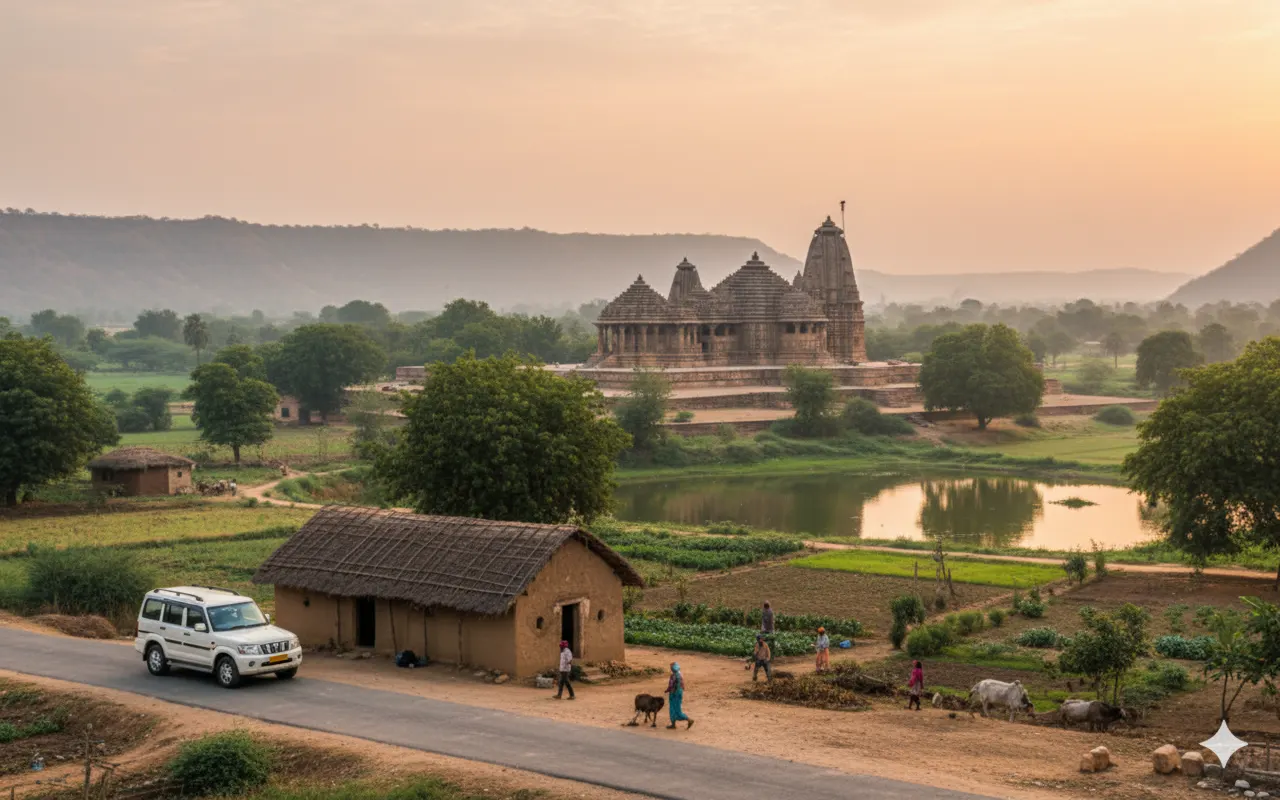
We take the Western Group early with a sculpture historian, then the Eastern Group in the afternoon when it is effectively empty, and finish with a village walk through the Bundelkhand countryside around them.
Questions, Answered
Why are the Khajuraho temples famous for erotic sculpture?
The erotic carvings are genuinely there, but they form a minority of the sculpture. Scholars read them variously as tantric symbolism, celebrations of worldly life placed outside the sanctum, or protective imagery. The bulk of the carving depicts ordinary eleventh-century life.
How many Khajuraho temples remain?
About twenty-five of an original eighty-five or so. They survived because dense forest concealed them for several centuries after the Chandela decline.
Journeys That Take You There
Monuments of Soul: Sacred Temples & Royal Palaces
13 Days / 12 Nights
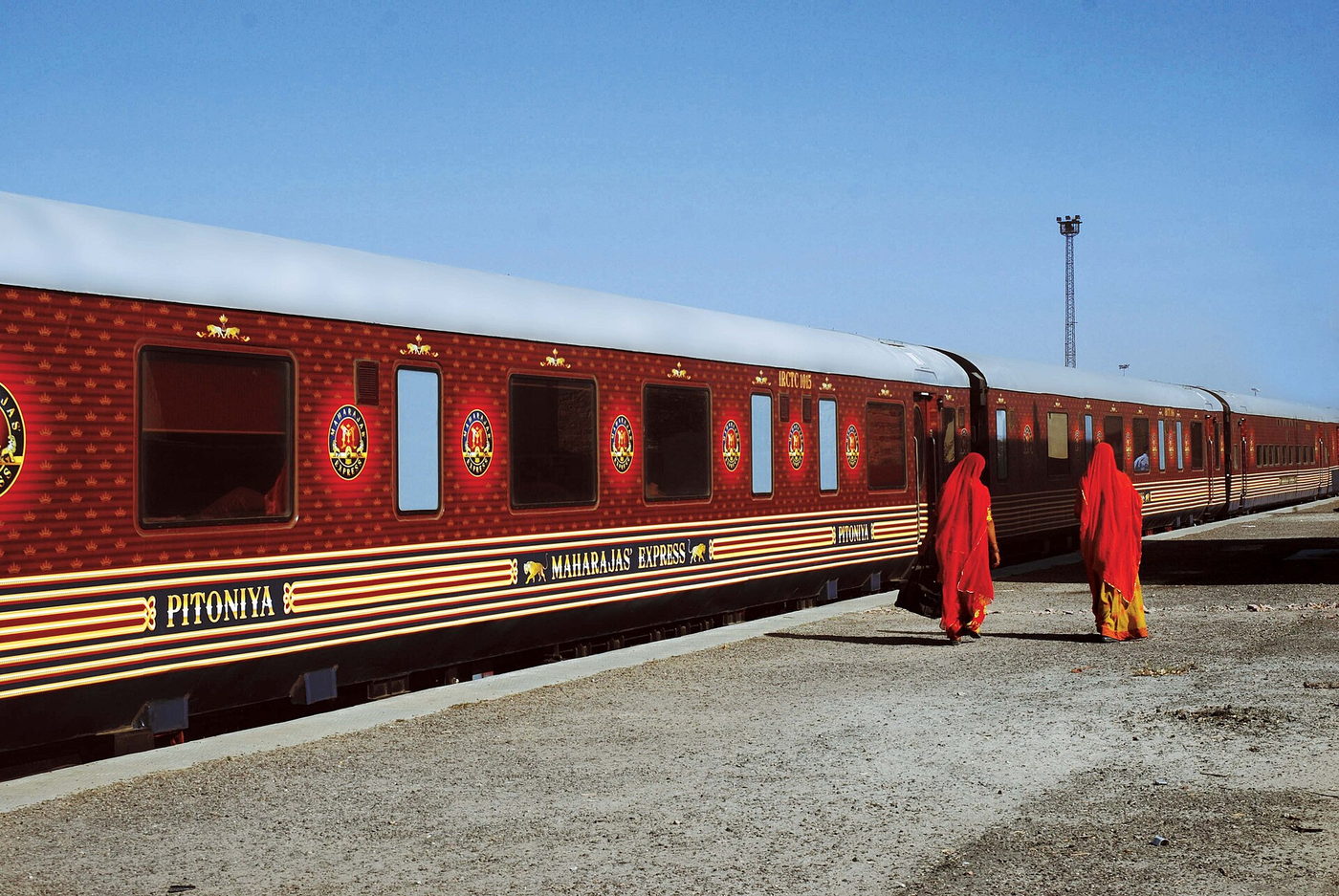
Maharajas' Express: Indian Panorama
7 Days / 6 Nights
Explore the destination guide: Khajuraho, Madhya Pradesh ↗