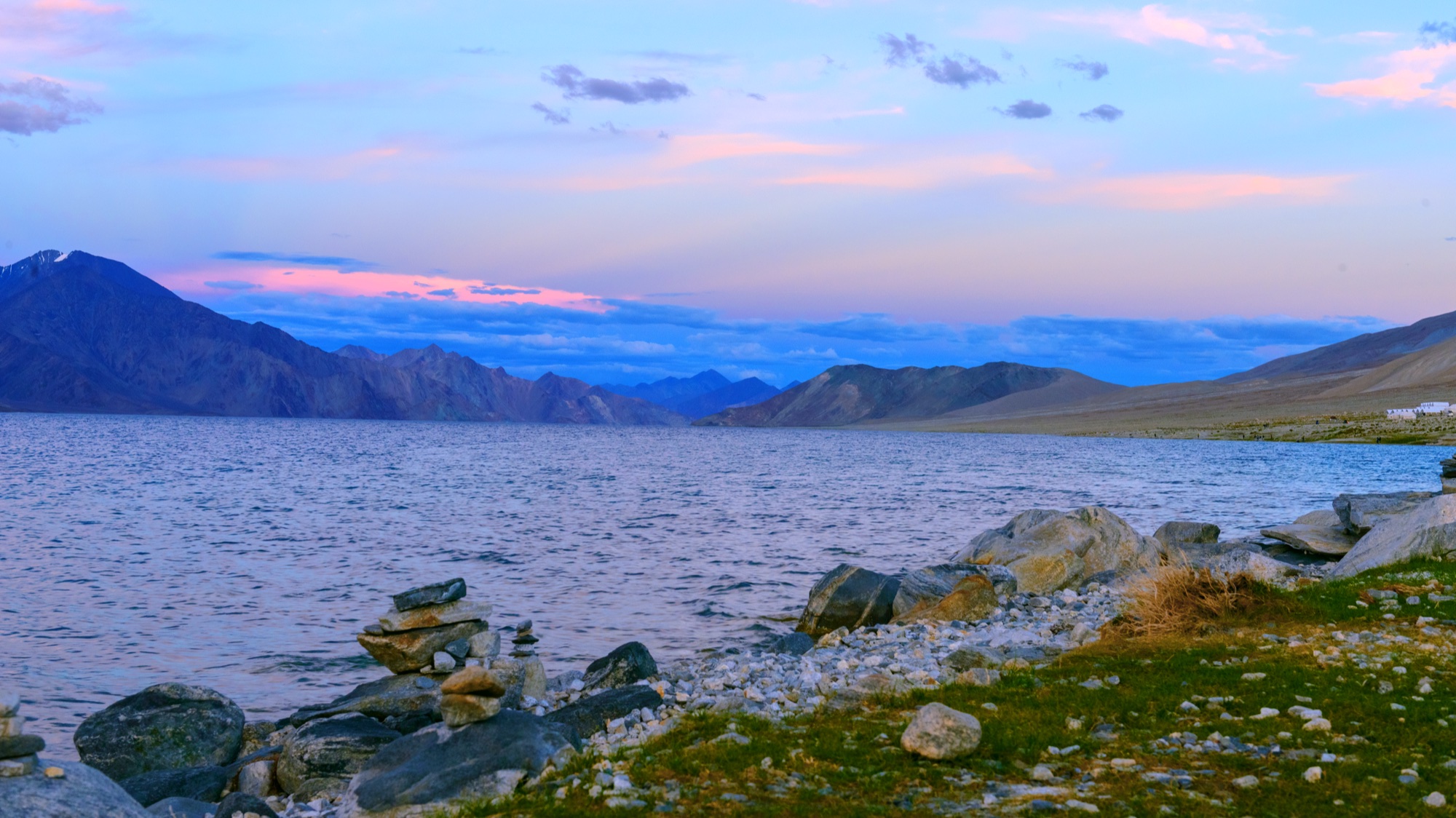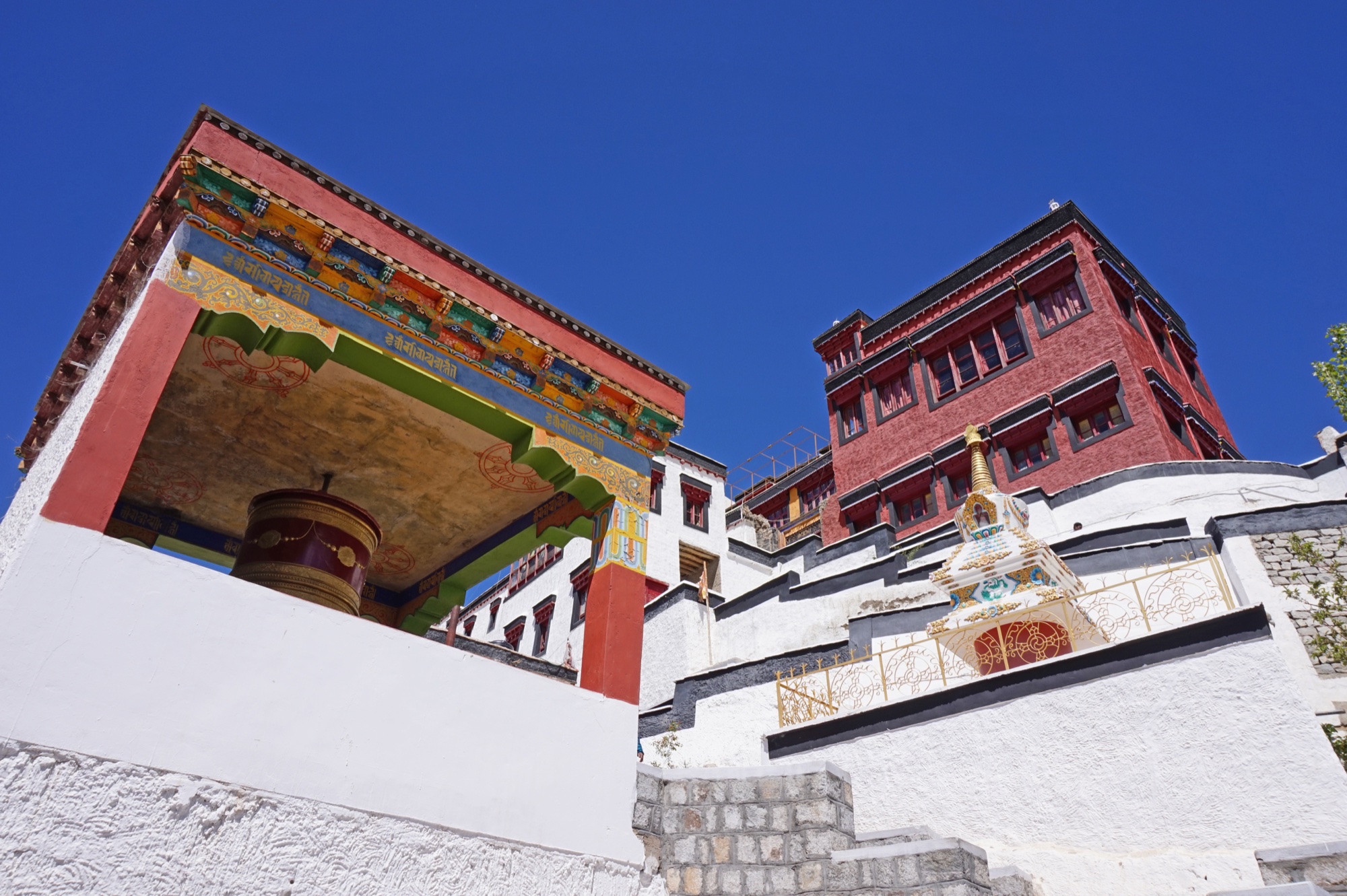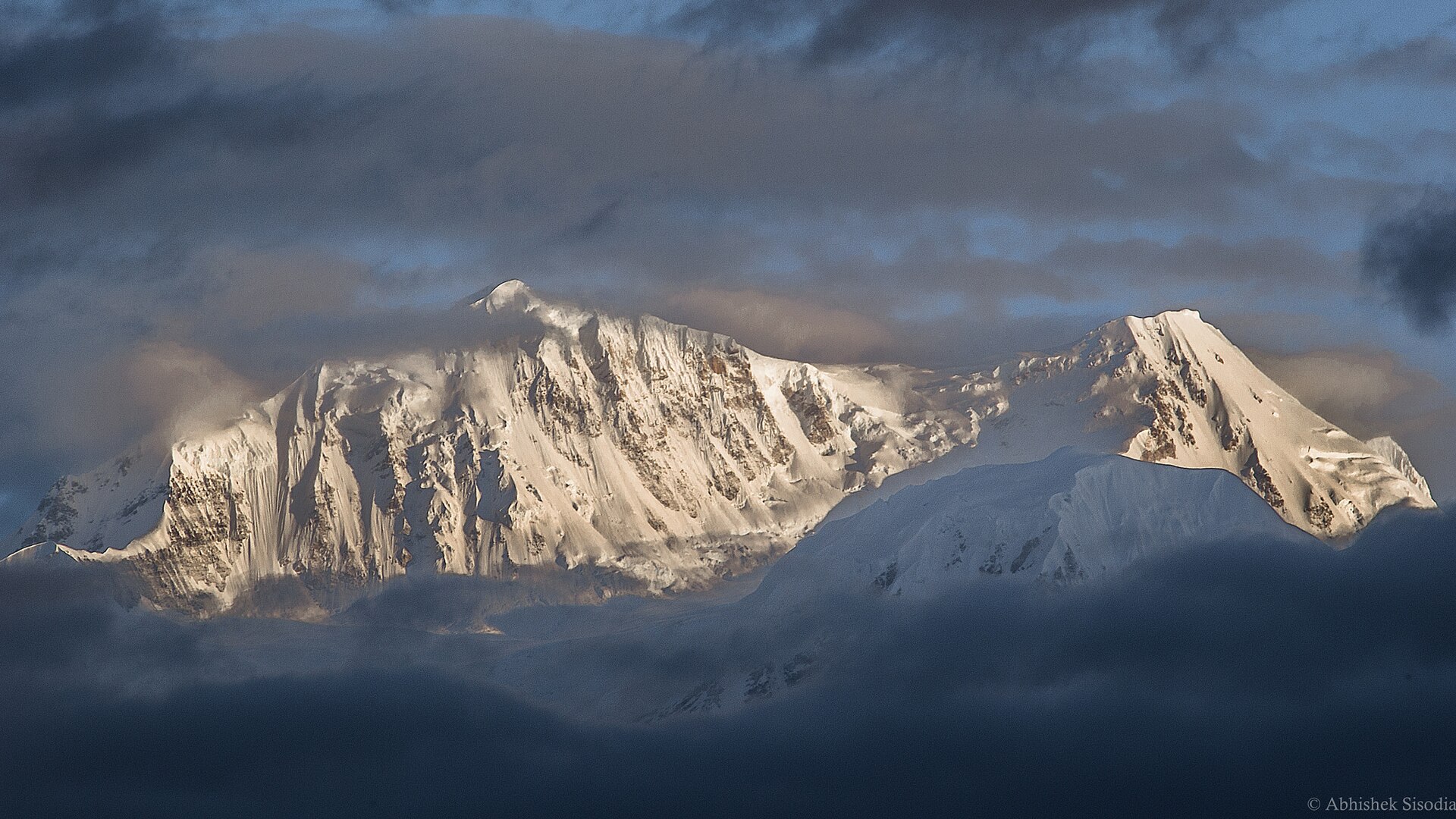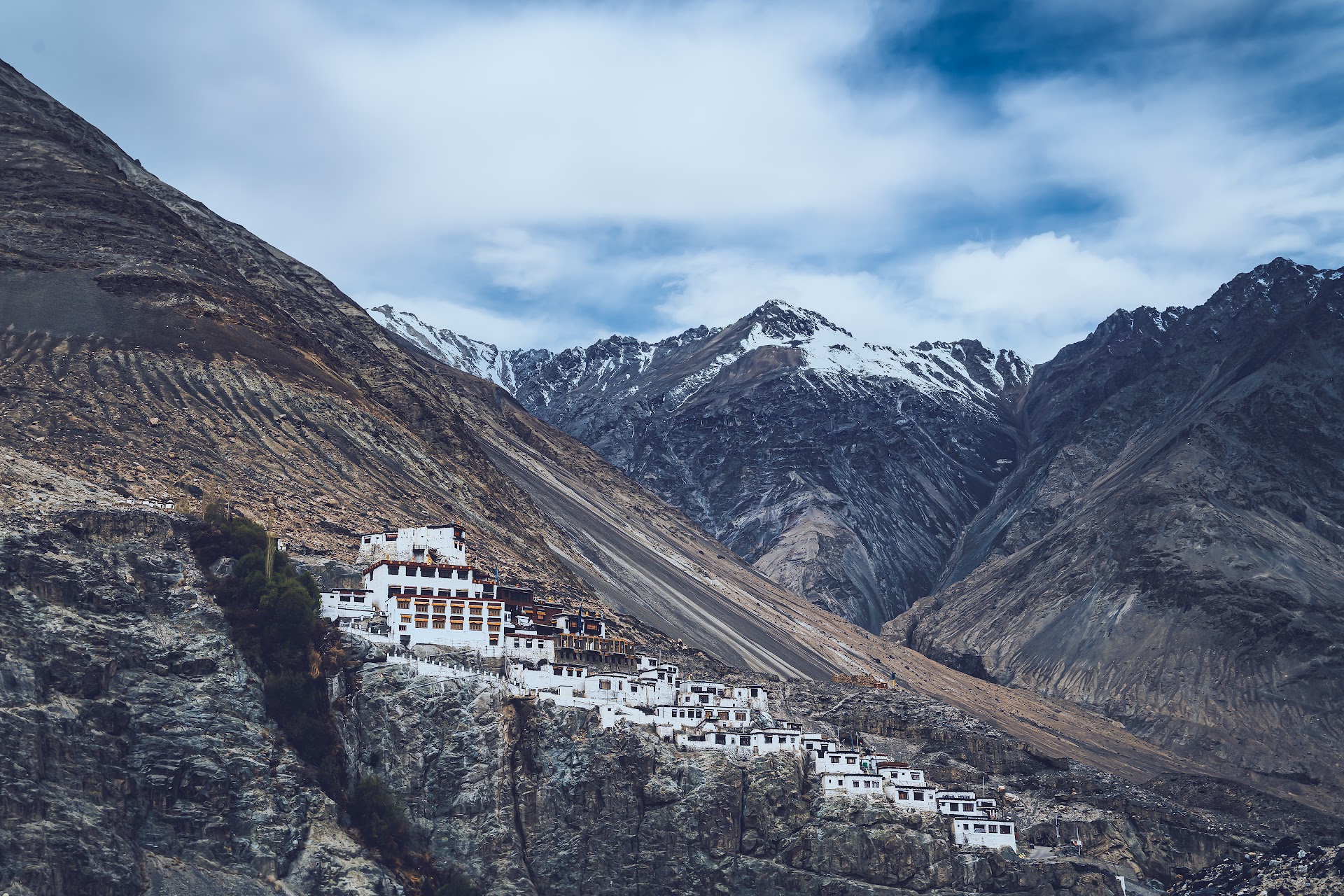
Ladakh is a high-altitude cold desert on the far northern edge of India, and its travel season is short and firmly set by two things: the mountain passes that open and close with the snow, and the altitude that colours every day. Leh sits at around 3,500 metres, and the great valleys and lakes lie higher still, so when you go matters more here than almost anywhere else in the country.
June to September: the main season
The heart of the season runs from June to September. By June the passes over the Himalaya have cleared enough for the road up from Manali or Srinagar to open, and Leh, the Nubra Valley over Khardung La, and Pangong and Tso Moriri lakes all come within reach. July and August bring the mildest, most settled weather and the fullest access — and, because Ladakh lies in the Himalaya's rain shadow, they stay dry while the monsoon drenches the plains. These are also the busiest months, and several monastery festivals fall across the summer. June and September are the quieter shoulders: crisper air, clearer light and thinner crowds, with September a particular favourite for its golden clarity before the cold returns.
Winter: a different trip entirely
From November the region closes down. Temperatures fall far below freezing, the road passes shut, and access is by air into Leh, which stays open year-round. This is not a lesser version of the summer trip but a separate, specialist one: the Chadar trek along the frozen Zanskar river in January and February, and snow-leopard tracking in the Hemis high country, when the cats come lower in search of prey. It rewards the well-prepared traveller who wants Ladakh at its most austere and empty, and it asks for real cold-weather resolve.
A word on altitude
Whenever you go, altitude shapes the first days. Flying straight into Leh lands you at 3,500 metres, and it is worth giving the body a day or two to adjust before climbing higher to the lakes and valleys. We build that acclimatisation into every Ladakh itinerary rather than treating it as lost time — gentle first days around Leh and its monasteries are among the trip's quiet pleasures.
Fragen, beantwortet
What is the best month to visit Ladakh?
For most travellers, July or August — the warmest, driest and most accessible months, with every valley, lake and pass open. If you prefer fewer people and crisper light, June and September are excellent quieter alternatives.
Can you visit Ladakh in winter?
Yes, but it is a specialist trip. From November to March the cold is severe and most roads are closed, so access is by air into Leh. Winter is the season for the frozen Zanskar (Chadar) trek and for snow-leopard tracking, not for the classic valley-and-lake touring of summer.
Is Ladakh affected by the monsoon?
Very little. Ladakh sits in the rain shadow of the Himalaya, so while the monsoon soaks most of India from June to September, Ladakh stays largely dry — which is exactly why its main season overlaps with the wettest months elsewhere.
When do the roads to Ladakh open?
Broadly from around June to September, though exact dates shift year to year with the snow. Outside that window the high passes on the Manali and Srinagar roads close, and Leh is reached by air.
Do you need to acclimatise in Ladakh?
Yes. Leh sits at about 3,500 metres and the lakes and valleys are higher, so it is wise to allow a day or two to adjust in and around Leh before going up. A good itinerary builds this in from the start.
Reisen, die Sie dorthin bringen
Weiterlesen