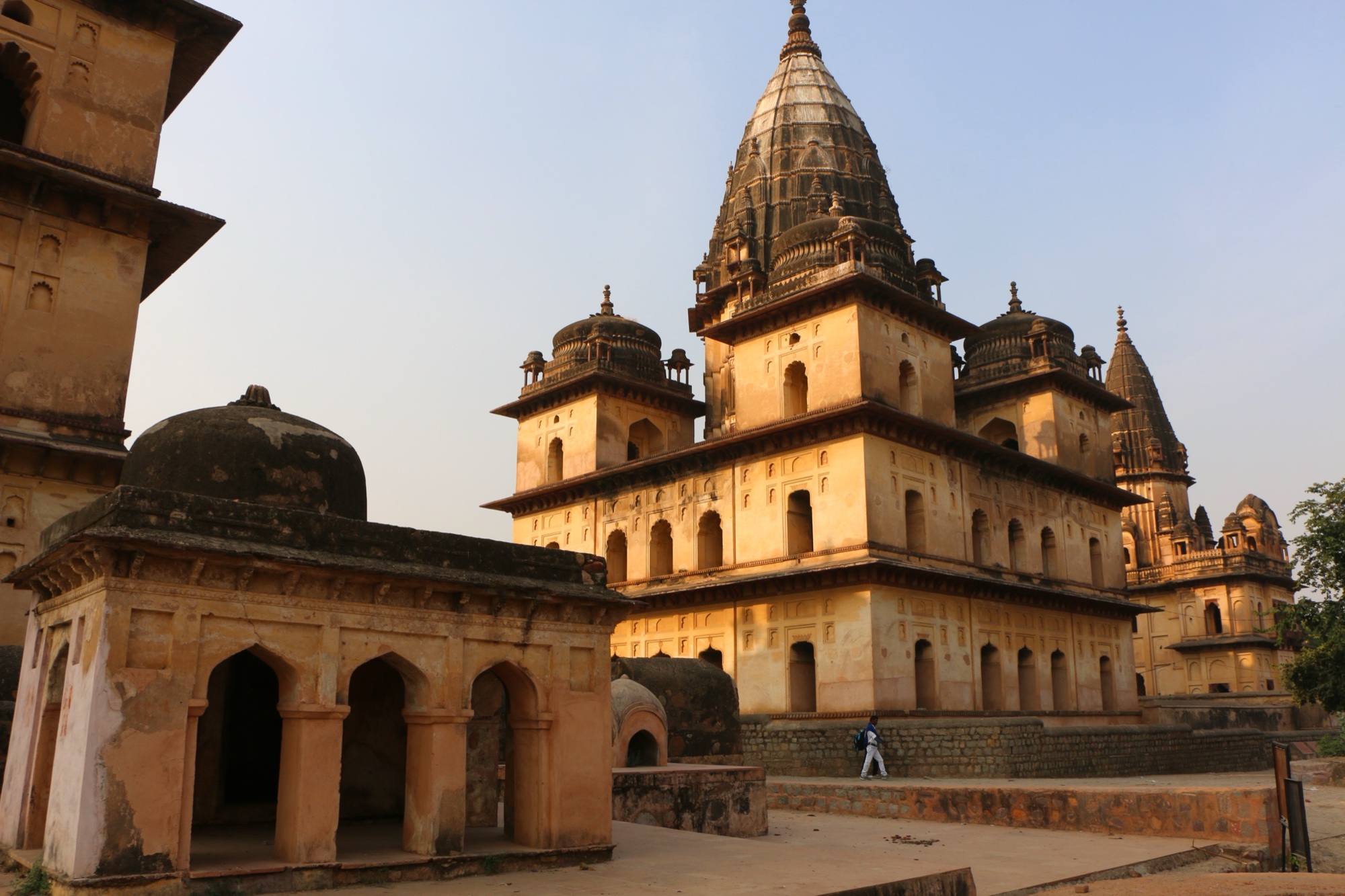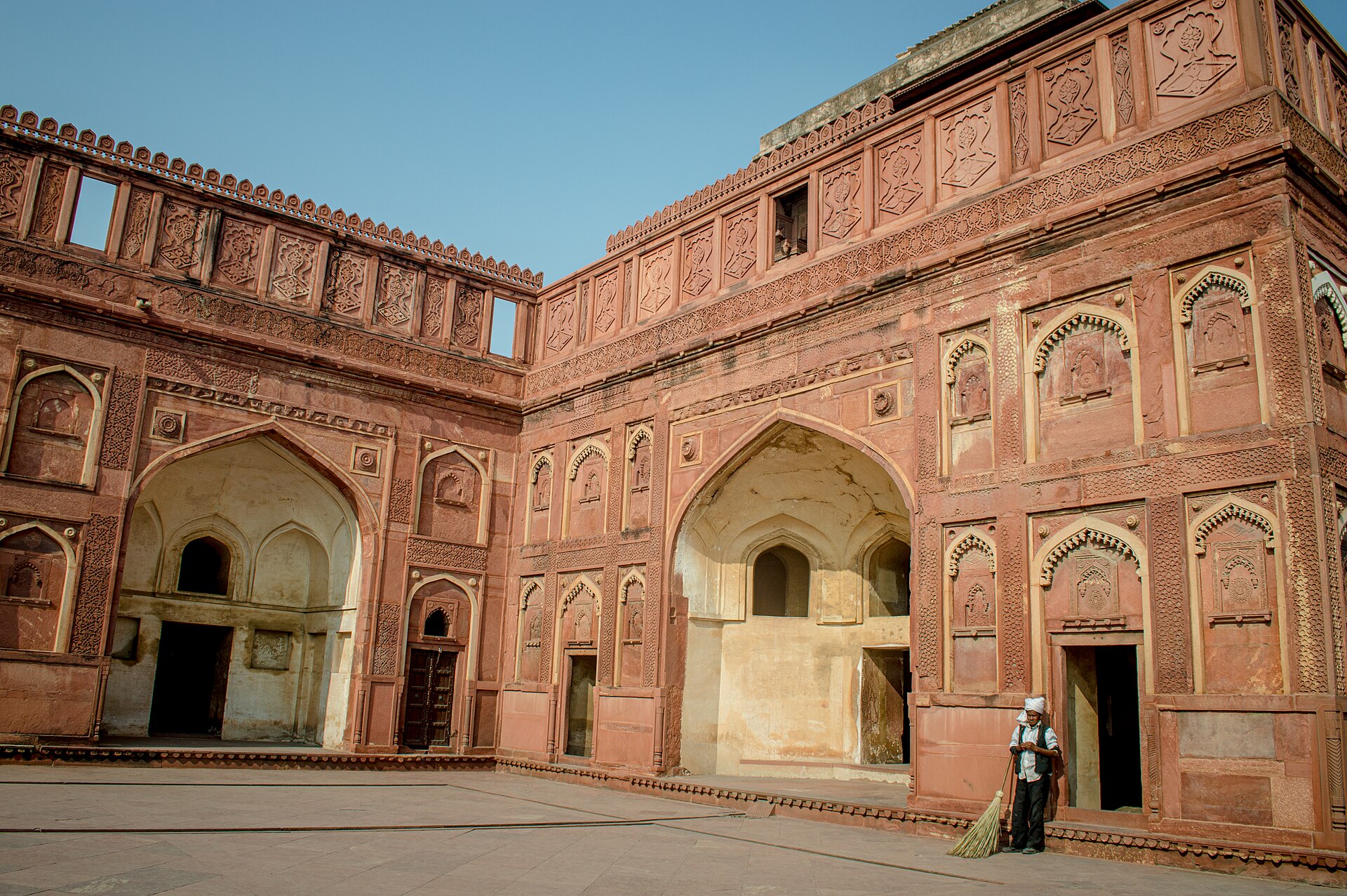
Titelfoto: Philip Nalangan / Wikimedia Commons (CC BY 4.0)
The Golden Triangle — Delhi, Agra and Jaipur — is the most travelled route in India, and the question of how long it needs has a deceptively simple answer: as few as four days, as many as you like. The three cities sit within a comfortable day's drive of one another, so the circuit is defined less by how much there is to see than by how much road you are willing to trade for how much calm. Here is how the days actually add up.
Four days: the brisk minimum
You can do the Golden Triangle justice in four days if you accept a certain pace. A night in Delhi for Old and New; a drive to Agra for the Taj and the Fort; on to Jaipur for the Amber Fort, the City Palace and the bazaars; then back to Delhi. It works, and it takes in three of India's defining places — but it means early starts and a few hours on the road most days, with little slack for the unplanned. For a first, whistle-stop taste, it is enough.
Five to six days: the sweet spot
Give the same route five or six days and it transforms. Now there is time to see the Taj at sunrise without rushing to the next thing, to climb to Amber before the crowds, to lose an afternoon in Jaipur's craft workshops or over a long lunch in a palace. Two nights in Jaipur rather than one is the single best upgrade — it is the richest of the three cities and the one most rewarded by an unhurried day. If someone asks me for the ideal length of a first Golden Triangle, this is the answer.
Seven days and up: add a fourth chapter
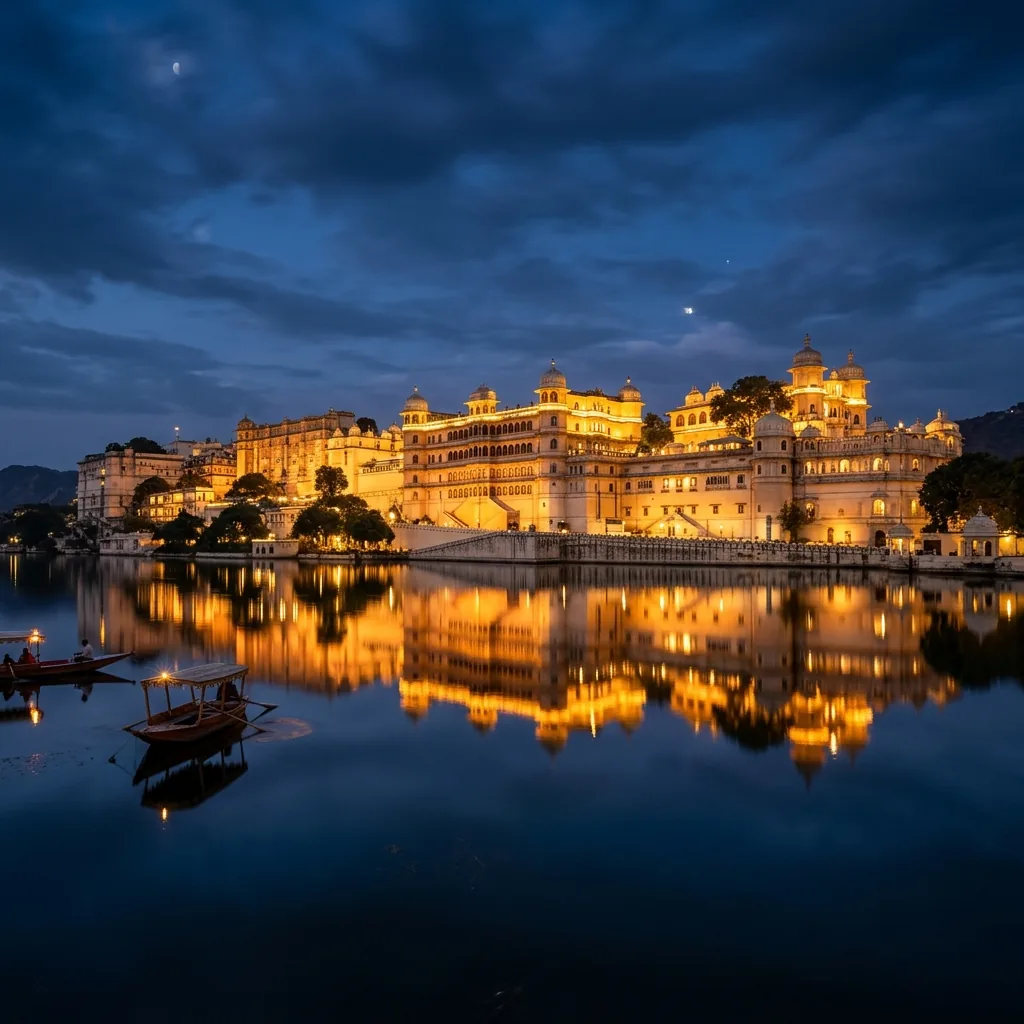
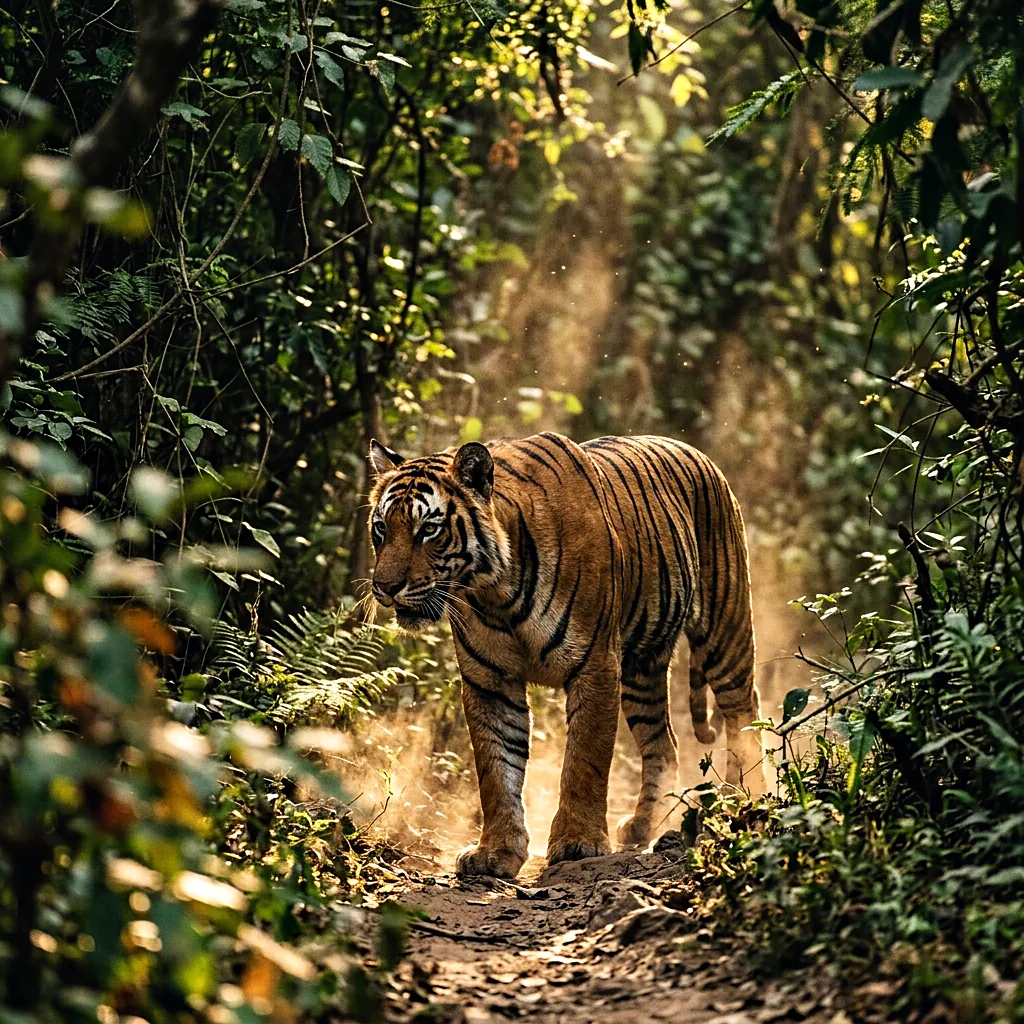
Beyond a week, the Triangle becomes a foundation rather than the whole trip. The natural additions are close at hand: a tiger safari at Ranthambore, a three-and-a-half-hour drive from Jaipur; the lakes and romance of Udaipur; or the sacred intensity of Varanasi, a short flight away. Ten days or more lets the circuit flow onward into deeper Rajasthan or across the border to Kathmandu. The icons stay the same; what changes is that you leave with a second, contrasting India as well as the first.
The rule of thumb
Count the drives, not just the cities. Delhi to Agra and Agra to Jaipur are each a half-day, and the Jaipur return is longer; build those in as part of the trip, broken by a stepwellStepwellA well reached by a long descending staircase, so that water can still be drawn as the water table falls.Read in the glossary or a heritage lunch, rather than something to endure. Give Jaipur two nights if you give anywhere two. And if the schedule is tight, it is better to see three cities well over five days than to bolt a fourth on and see none of them properly.
Fragen, beantwortet
How many days do you need for the Golden Triangle?
Five to six days is ideal — enough for Delhi, Agra and Jaipur at an unhurried pace, with time for a Taj Mahal sunrise and Amber Fort before the crowds. Four days is the brisk minimum with one night in each city; seven or more lets you add Ranthambore, Udaipur or Varanasi.
Can you do the Golden Triangle in 3 days?
It is possible but very rushed — essentially one long day in each city with a lot of driving and little margin. Four days is a more realistic minimum, and five to six is where the circuit becomes genuinely enjoyable rather than a race between monuments.
How many days in Delhi, Agra and Jaipur?
A common split is one night in Delhi, one in Agra and two in Jaipur, which comes to about five days including travel. Jaipur rewards the extra night most; Agra can be seen in a morning and an evening around the Taj and the Fort.
What can you add to the Golden Triangle?
The easiest additions are Ranthambore for a tiger safari (about three and a half hours from Jaipur), Udaipur for lakes and palaces, and Varanasi for the sacred Ganges. With more time the circuit extends into wider Rajasthan or onward to Nepal. Each adds a contrasting chapter to the classic icons.
Is the Golden Triangle enough time to see India?
It is a superb introduction to North India's Mughal and Rajput heritage, but it is only one facet of the country. Many travellers pair it with one further region — Rajasthan, Kerala or Varanasi — to balance the icons with something quieter or more immersive on a trip of ten days or more.
Reisen, die Sie dorthin bringen

Weiterlesen