On 7 July 2026 Time Out published its World's Happiest Cities index, drawn from a survey of more than 24,000 residents across 150 cities. Jaipur came sixth — above Chicago, Cape Town and Shanghai, below Bath, Panama City, Guadalajara, Medellin and Krakow. It was picked up quickly in the Indian press, and it is a genuinely pleasing result for a city we send a great many first-time travellers to.
It is also a result that is easy to repeat and harder to read well. So it is worth being precise about what was measured, because the precision is what makes the finding useful rather than merely flattering.
What the survey actually asked
Respondents were residents, not tourists. They were asked to rate their agreement with five statements about their own lives in their own city — whether it makes them happy, whether they feel happier there than they would elsewhere, whether the people around them seem positive, whether they find joy in ordinary days, and whether that has been increasing.
Nobody was asked whether Jaipur is a good place to spend four nights. Nobody was asked about the queue at the Amber Fort, the drive in from the airport, or what the light is like in the City Palace at four in the afternoon. The survey is about living somewhere, not visiting it.
It is also a self-selecting online sample rather than a representative census, which is normal for this kind of index and worth stating plainly. Twenty-four thousand responses across 150 cities is a few hundred per city. Treat the top ten as a band, not a league table — sixth and sixteenth are the same result with noise around it.
Why resident contentment is a signal worth having anyway
Almost every travel signal a city produces can be influenced. Awards can be entered, campaigns funded, listicles pitched, reviews cultivated. Very little of that reaches how the people who live somewhere actually feel on a Tuesday.
That makes resident satisfaction unusually honest — and, in our experience, unusually predictive of the texture of a visit. Cities whose residents are content tend to be easier to be a guest in. People have time. The transaction feels less sharp. You are asked fewer questions with a price attached to the answer.
This is not sentimentality about a place. It is a practical observation about what a fortnight in a city feels like, and it is the one thing a survey of residents can tell you that a survey of visitors cannot.
What it cannot tell you about your own journey
It cannot tell you when to come. Jaipur in May is genuinely difficult — the residents rating it highly are largely not there in the afternoon, and neither should you be. The season runs roughly October to March, and the ranking has nothing to say about that.
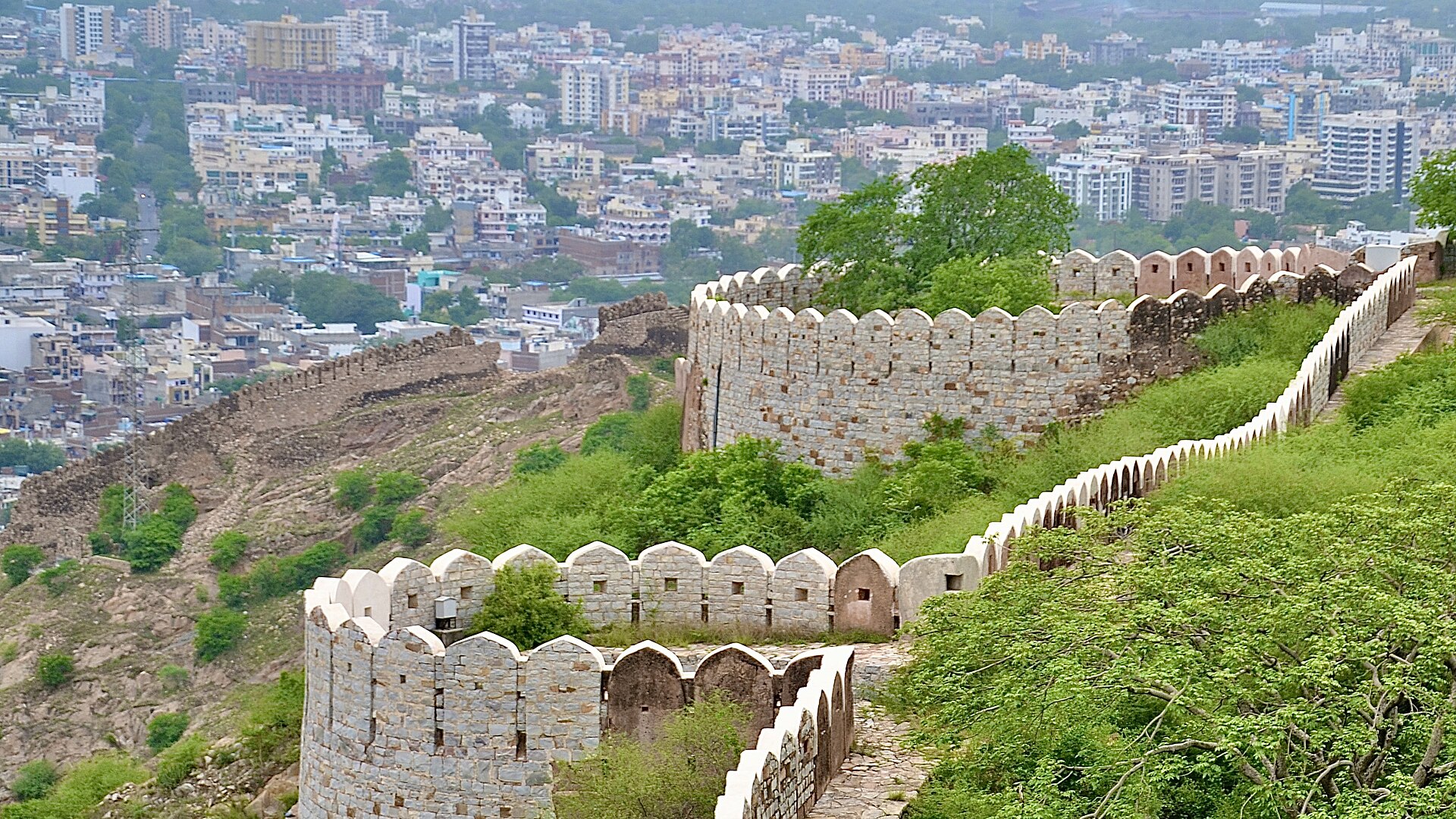
It cannot tell you how crowded the monuments are, which is the single most common disappointment we hear about the city. Amber Fort at eleven in the morning in January is a different building from Amber Fort at eight.
It cannot tell you about winter air quality in the north, which is a real consideration for some travellers and which no happiness index captures.
And it cannot tell you whether Jaipur belongs in your itinerary at all. A great many people arrive in Rajasthan expecting Jaipur to be the highlight and leave having preferred Udaipur or Jodhpur. That is a question about you, not about the city.
Where the finding matches what we see on the ground
Where we think the survey is picking up something real is in the city's working life. Jaipur is not a heritage set that empties at closing time; it is a city that still makes things. The block printers, the miniature painters, the stone carvers, the jewellers of Johari Bazaar and the puppet makers are trades, not demonstrations, and the difference is felt.
That matters for a visit in a specific way: it means the interesting hours are not only the monument hours. A morning in a printing workshop or an afternoon with a family of painters is not a substitute for the forts — it is the part of the city the forts were built to govern, and it is where the contentment the survey found is most visible.
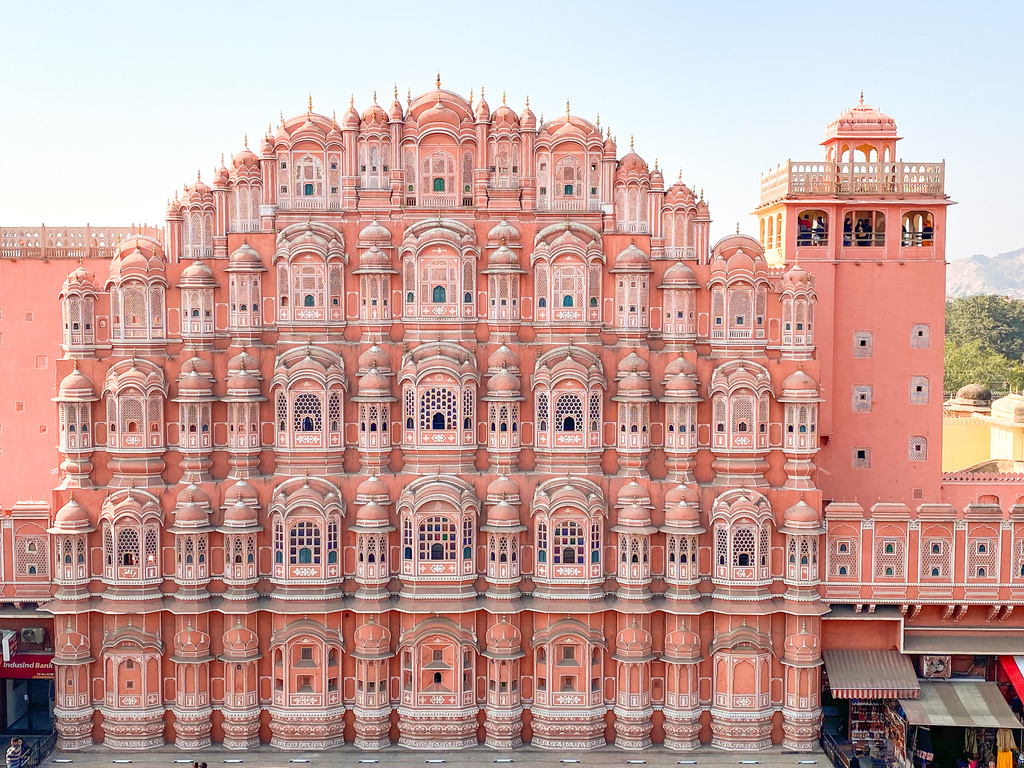
It is also a city built to a plan, which is rarer in India than the postcards suggest. Jaipur was laid out in 1727 on a grid, walled and colour-washed, and the legibility of it — you can orient yourself, you can walk parts of it — does something to how a place feels to live in and to visit.
How we would use it, planning a journey
Honestly? As a reason to give the city a night more than most itineraries allow, and to spend that night differently. The standard Golden Triangle allocation of two nights in Jaipur is enough for Amber, the City Palace and Jantar Mantar, and almost nothing else. Three nights is where the city the residents are rating starts to become available to a visitor.
We would also use it as a corrective to a habit in our own industry, which is to treat Jaipur as a checkpoint between Delhi and Agra and the rest of Rajasthan. It rewards being treated as a destination.
What we would not do is put it on a brochure as a reason to book. It is a survey of how twenty-odd thousand people feel about where they live. It is interesting, it is unusually hard to game, and it is not a substitute for knowing what you want from a fortnight in India.
Fragen, beantwortet
Is Jaipur really the sixth happiest city in the world?
It ranked sixth in Time Out's World's Happiest Cities 2026, published on 7 July 2026, from a survey of more than 24,000 residents across 150 cities. The survey measured how residents feel about living in their own city, using five agreement statements. It is a self-selecting sample rather than a representative census, so the top ten is best read as a band rather than a precise order.
Does the happiness ranking mean Jaipur is a good place to visit?
Not directly — visitors were not surveyed. But resident contentment is one of the few travel signals that cannot be purchased or campaigned for, and in our experience cities whose residents are settled tend to be easier and warmer places to be a guest in.
When is the best time to visit Jaipur?
Roughly October to March. November to February is the most comfortable, with cool mornings and warm afternoons. April and May are very hot, and the monsoon arrives around late June. The happiness ranking says nothing about season, which still needs planning around.
How many nights should I spend in Jaipur?
Two nights covers Amber Fort, the City Palace and Jantar Mantar. Three is where the working city becomes available — the block printers, miniature painters and the bazaars — which is the part most travellers remember and most itineraries omit.
Reisen, die Sie dorthin bringen
Weiterlesen