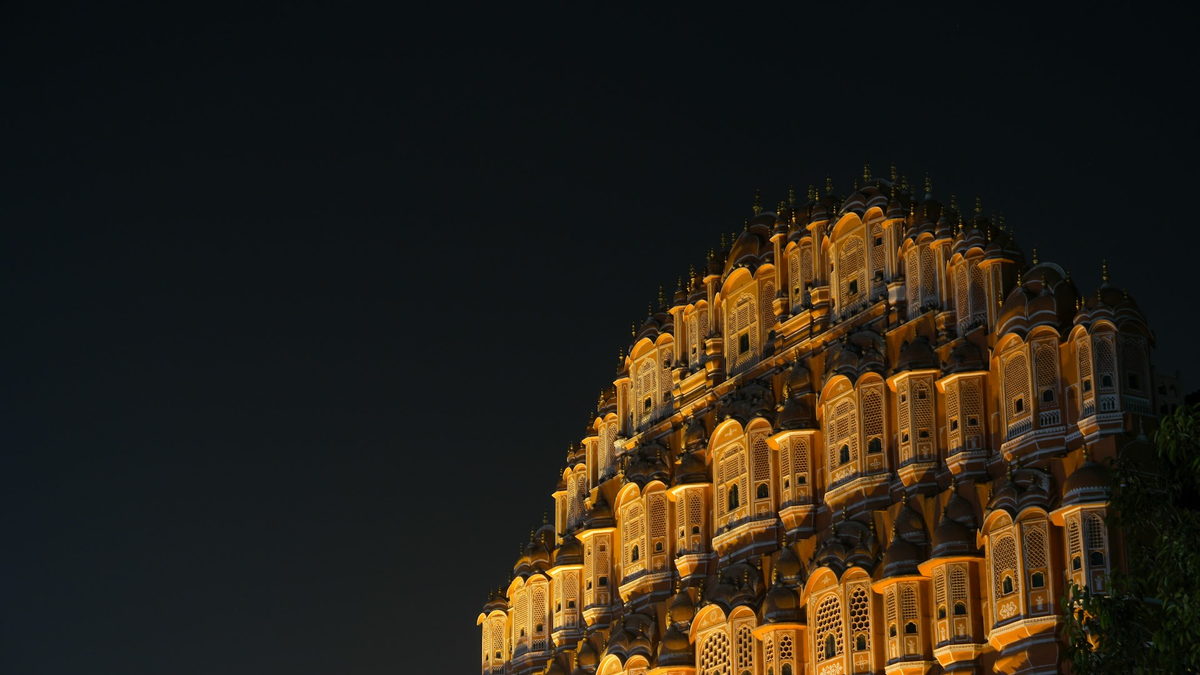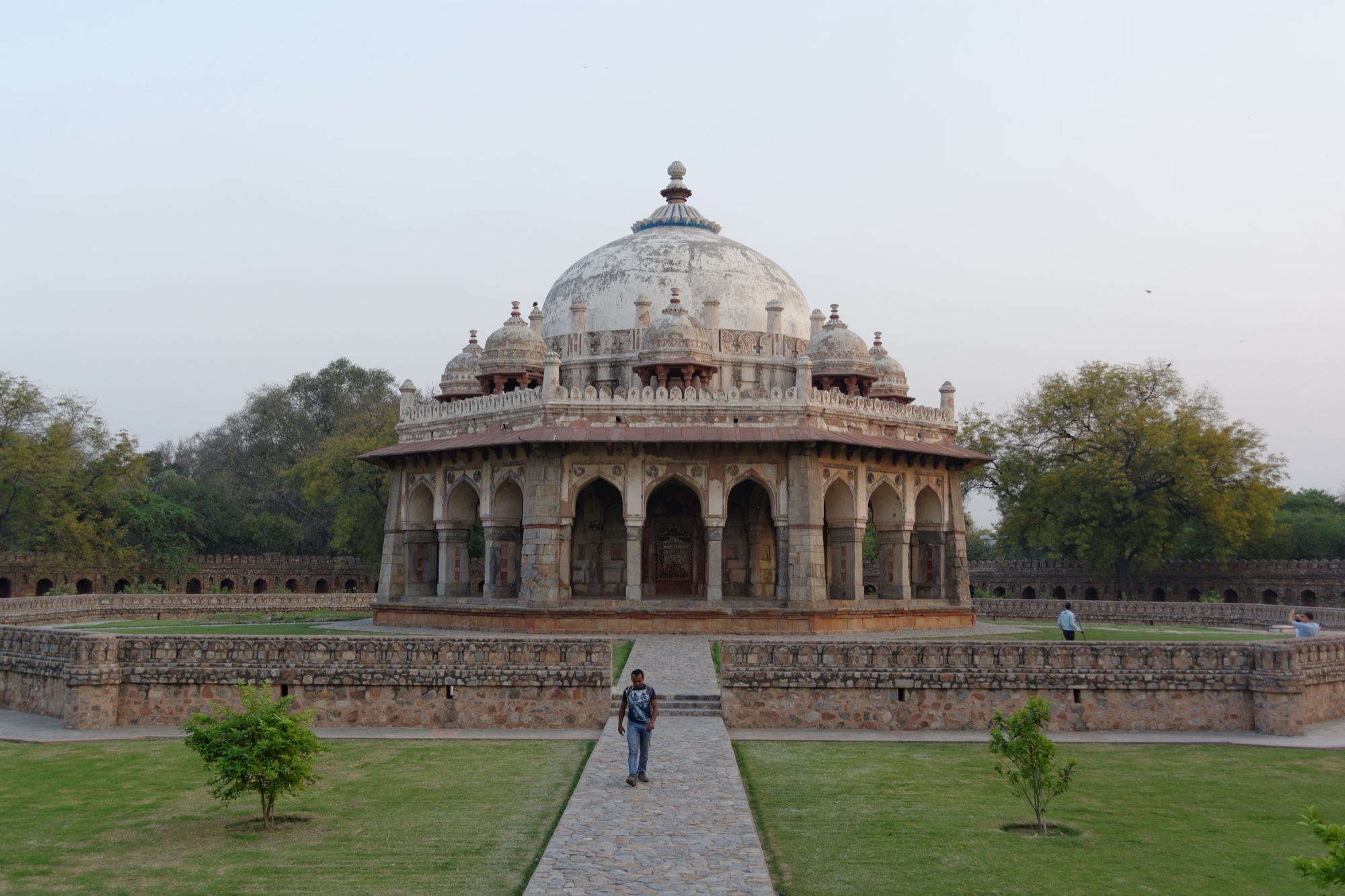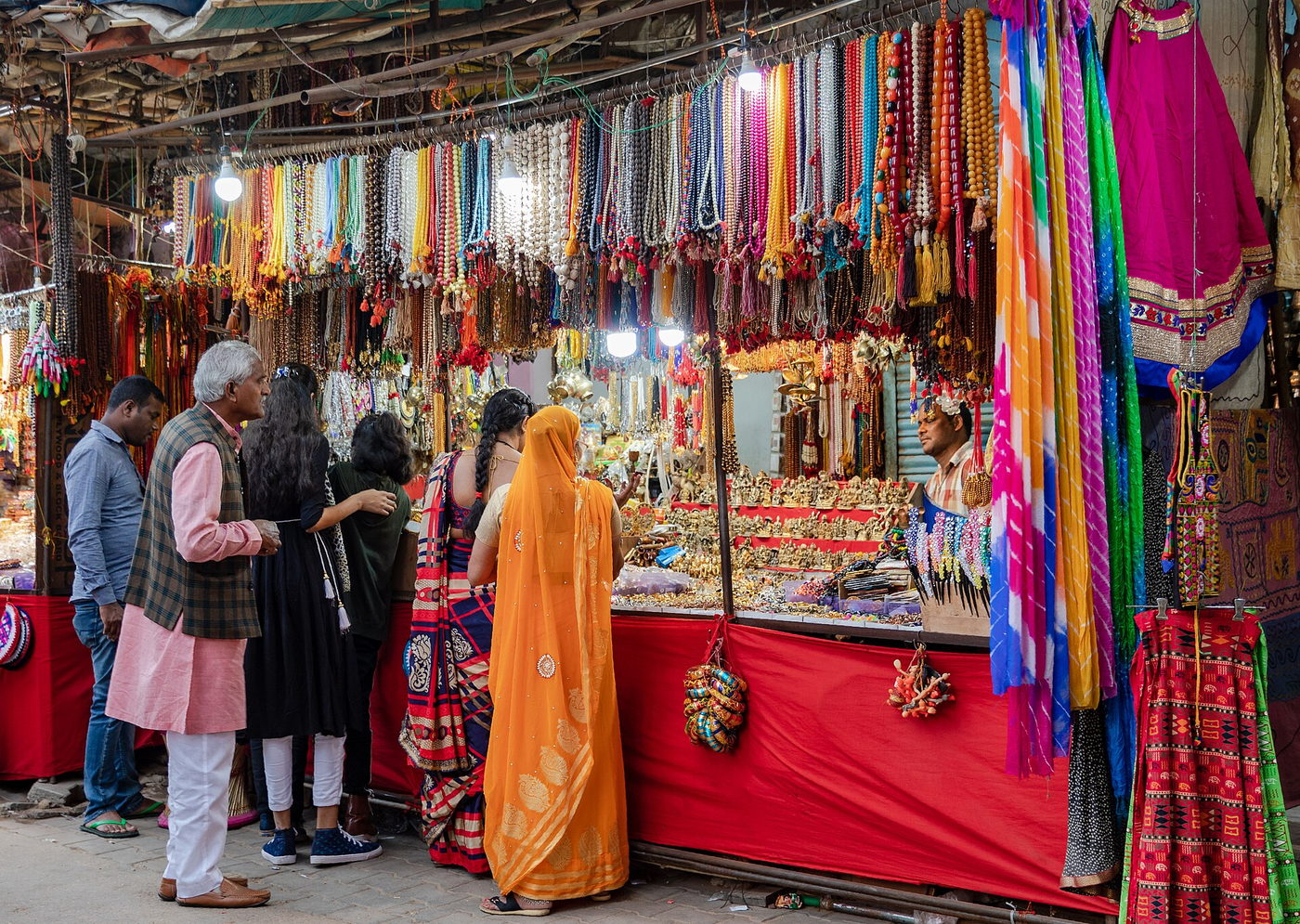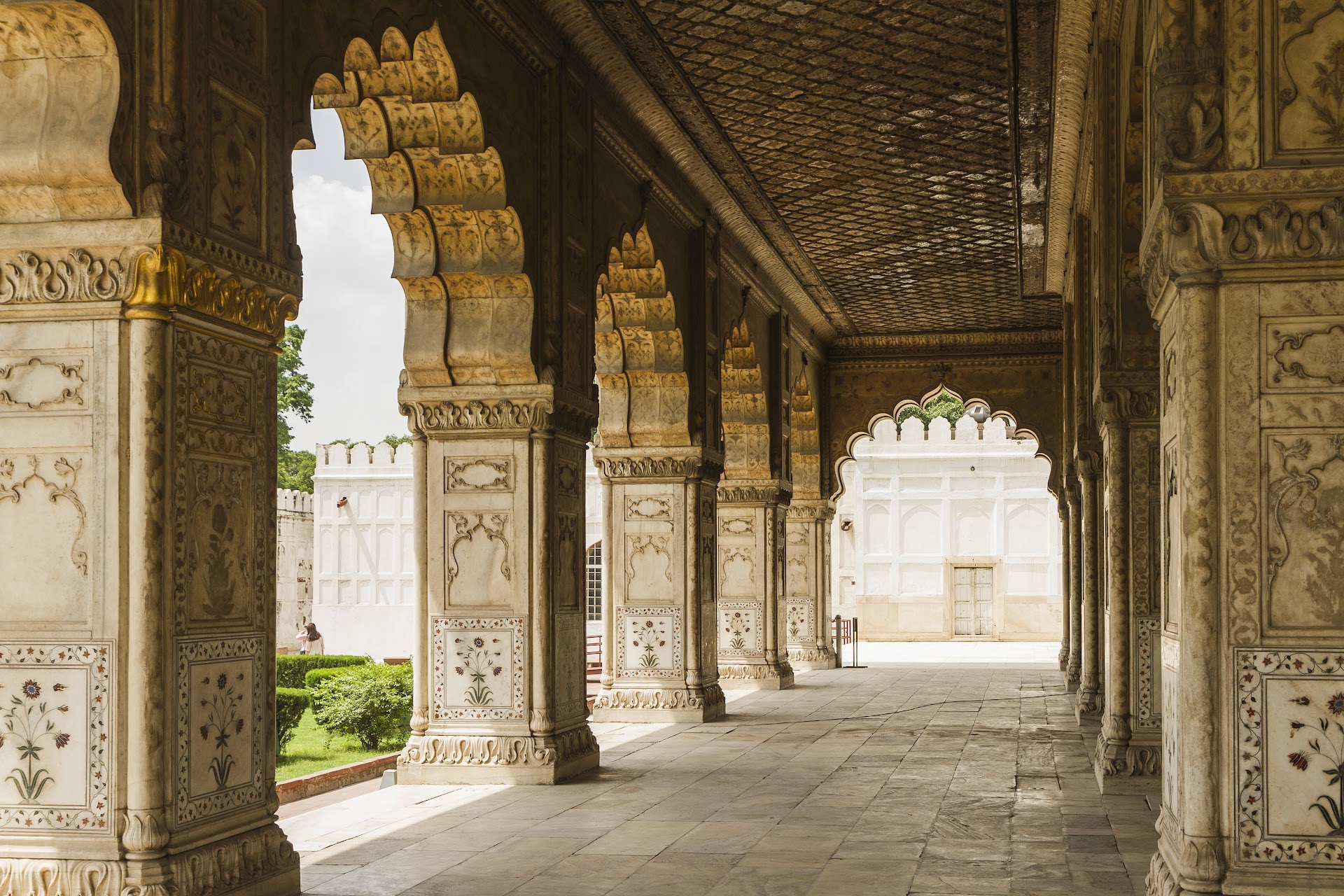
Titelfoto: Placeholder — wants our own photography of a Delhi bazaar in the week before Diwali
The advice given to anyone travelling in India around Diwali has hardened into a shape over the years: a week of mounting chaos, a day or two on which the country simply stops, and a sullen aftermath of closed shutters and unanswered phones. Plan around it, the advice says. Lose the days.
In 2026 that advice is close to useless, and the reason is almost comically mundane. Diwali falls on Sunday 8 November. The single gazetted central-government holiday in the entire five-day cluster lands on a day the offices were closed anyway. The festival, in the narrow administrative sense, costs the working week nothing at all.
What follows is not an argument that Diwali is a good time to travel in India, or a bad one. It is an attempt to say precisely which days do what, because the generic version of this advice has been wrong often enough that itineraries are still being built around a closure that will not occur.
What actually closes, and when
The authoritative list is the Department of Personnel and Training's holiday memorandum for 2026, which fixes Diwali on Sunday 8 November and treats it as the only closed holiday in the cluster. Everything around it — Naraka Chaturdashi, Govardhan PujaPujaAn act of Hindu worship — offerings of flowers, food, light or water made to a deity at a temple or a household shrine.Read in the glossary, Bhai Dooj — sits on the restricted list, from which an individual employee chooses two days a year. Restricted holidays do not close an office. They thin it.
Dhanteras, which in commercial terms is the largest shopping day of the Indian year, does not appear on either list. It is not a government holiday at all. The jewellers and the car showrooms will have their busiest day of the year on Friday 6 November while the ministries work a normal Friday.
The sharpest illustration of how little the calendar stops comes from the stock exchanges. The National Stock Exchange's trading-holiday circular for 2026 notes that Diwali Laxmi Pujan is not a trading holiday, because it falls on a Sunday — and then states that Muhurat Trading, the ceremonial session held on Diwali evening, will nonetheless be conducted on Sunday 8 November. India's equity markets will open, briefly and ceremonially, on a Sunday. Tuesday 10 November, Balipratipada, is the day they actually close.
The Friday nobody checks
The one genuinely disruptive closure in the Diwali week of 2026 has nothing to do with Diwali. The Taj Mahal closes every Friday. Dhanteras falls on Friday 6 November. A great many Golden Triangle itineraries will have been built to protect the eighth and left the sixth as a travel day or an Agra day, which is the wrong way round.
The Red Fort, by contrast, is now open every day of the week. An Archaeological Survey of India order dated 13 February 2026 ended the Monday closure that still appears in a good deal of published guidance and in a fair number of operators' itineraries.
It is worth being plain about what we could not establish. The Archaeological Survey publishes no festival-closure policy for centrally protected monuments — there is no order saying monuments close for Diwali, and equally no order saying they stay open. The documented closures are weekly and permanent, not festival-based. Anyone who tells you with confidence that the monuments shut for Diwali is not working from a published source, and neither is anyone who tells you the opposite.
The two days that do stop
If there is a window in 2026 in which the ordinary machinery of the country genuinely slows, it is Tuesday 10 and Wednesday 11 November — Balipratipada and Bhai Dooj. The markets are closed on the Tuesday. A large share of the private sector takes both. Domestic staff, drivers and guides are with their families, which is where they should be, and which is the real reason a trip feels thin on those days rather than any formal closure.
This is also where the government stops agreeing with itself. The Department of Personnel and Training puts Govardhan Puja on Monday 9 November. The National Stock Exchange closes on Tuesday 10 November for the same observance under its other name. A traveller following the official holiday list and a traveller following the market calendar will arrive on different days. We plan to the later of the two and treat the Monday as uncertain.
Chhath Puja follows on Sunday 15 November, and matters more than its restricted-holiday status suggests in Bihar, eastern Uttar Pradesh and the parts of Delhi and Mumbai that those states have populated. It is a four-day observance with a dawn river ritual at its centre, and it moves a very large number of people across the country by rail in the days either side.
The roads, and the week before
The congestion in the week before Diwali is not anecdotal and it is not mild. On the Friday evening before Diwali in 2025, Delhi recorded a congestion level of 145 per cent — eighty-two per cent above its own normal — and roughly an hour to cover ten kilometres on roads that would usually take twenty minutes. Metro ridership rose to more than seventy-six lakh daily journeys in the fortnight before the festival, against sixty-nine lakh at the start of that month.
The pressure is concentrated in the market districts, and it is predictable: Chandni Chowk, Karol Bagh, Lajpat Nagar, Sarojini Nagar. Delhi Police issue a traffic advisory naming them every year. A transfer routed through any of them in the four days before Diwali should be assumed to take twice its scheduled time, and an airport transfer in that window should leave absurdly early.
The railways run a very large programme of additional services for Diwali and Chhath — in 2026, timetabled specials from Delhi, Chandigarh, Mumbai and Varanasi towards Uttar Pradesh and Bihar across October and November. This is worth knowing not because our guests travel on them but because of what they represent: tens of millions of people moving across the north in the same fortnight. Station approaches, highway tolls and the roads out of the big cities carry that load.
What will actually disrupt your trip
It is not the festival. It is the air, and it has been for some years now.
The number most travellers check is the one least able to tell them what is happening. On the morning after Diwali in 2025, Delhi's Air Quality Index had risen eleven points, from 345 to 356 — a change a casual reader would dismiss. Over the same period the city's PM2.5 concentration went from 156.6 to 488 micrograms per cubic metre. The index moved by three per cent; the fine particulate load, which is the part that reaches the bloodstream, tripled. Anyone opening an air-quality app on Diwali morning will be reassured by a figure that is concealing the exposure.
The regulatory response has also tightened, and this is the part with real itinerary consequences. The Commission for Air Quality Management revised the Graded Response Action Plan on 28 September 2026. Restrictions on diesel generators and inter-city buses have been pulled forward into Stage I, which now begins at an index of 201 — a threshold Delhi crosses routinely in November. At Stage III, the ban on older petrol and diesel vehicles now extends beyond Delhi into Sonipat and the border areas of Ghaziabad, Faridabad and Gautam Buddha Nagar. Delhi reached Stage IV in January 2026.
On 4 October 2026, before the festival season had properly begun, Delhi's daily average index was 187 — the worst reading of the season to that point. The trajectory of a Delhi November is well established and it does not depend on fireworks alone: it is stubble smoke from Punjab and Haryana, winter inversion, road dust and traffic, with the festival contributing a sharp spike on top of a high baseline.
On fireworks themselves we will not speculate. As of the end of September 2026 the Supreme Court had ruled out both a total ban and unrestricted use, and had deferred the question of permitted hours pending a report from the Central Pollution Control Board. Whatever regime emerges will be specific to this season, as the 2025 order was specific to that one. Anyone quoting you last year's rules is quoting an expired order.
How we plan a November trip around all of this
We treat Friday 6 November as the fixed obstacle rather than the eighth — Agra moves, or the Taj is seen on another day. We assume the four days before Diwali are lost to traffic in any city with a bazaar worth visiting, and we route around the market districts rather than through them. We leave Tuesday 10 and Wednesday 11 November soft, with nothing that depends on a full complement of staff.
For guests sensitive to air quality, or travelling with children or anyone with a respiratory condition, we say plainly that the first fortnight of November in Delhi and Agra is a poor bet, and we offer the alternative: the same two weeks in Rajasthan's south, in Kerala, or on the Deccan, where the season is at its best and the air is not the story. Udaipur in the second week of November is one of the finest things India does.
And the festival itself, if you want it, is better seen somewhere smaller than Delhi. Varanasi's Dev Deepawali, which falls on the November full moon rather than on Diwali, puts lamps down the whole length of the ghatsGhatA flight of steps leading down to a river or tank, used for bathing, worship and cremation.Read in the glossary. Jaipur lights its old-city markets in a way that is genuinely organised rather than merely bright. Both are worth planning towards. Neither requires you to be in a megacity on the one night the air is at its worst.
Reisen, die Sie dorthin bringen
Weiterlesen