Leh sits at roughly 3,500 metres in a desert valley of the upper Indus, walled in by the Himalaya and the Karakoram. Nothing about it belongs to the India most travellers picture: the culture is Tibetan Buddhist, the landscape is rock and sky, and the light is so clear it flattens distance entirely.
The monasteries are the reason to come and they are working ones — Thiksey stacked up its hill in tiers, Hemis hidden in its gorge, dawn prayers with horns and drums and monks who have kept the same hours for centuries.
Altitude is the honest constraint. Above 3,000 metres the body needs time, and no itinerary here is worth being ill for. We build in a mandatory rest day on arrival, monitor oxygen saturation daily, and shape the days upward gradually.
Signature Experiences
- ◆Dawn prayers at Thiksey Monastery
- ◆Hemis, set deep in its gorge — the largest monastery in Ladakh
- ◆Shey Palace at sunset over the Indus valley
Optional, By Arrangement
- ◆Trekking the Sham valley over the Phobe La and Chagatse La passes
- ◆Alchi, whose eleventh-century wall paintings predate the Tibetan style
- ◆Bazaar afternoon in Leh on the acclimatisation day
Where We Place Our Guests
- Boutique lodge in Leh
- Expedition camp on the trekking legs
- Heritage village house in the Sham valley
The Table
- Butter tea and thukpa — the altitude kitchen
- Monastery-kitchen lunch with the monks
- Trail lunches by the stream
Curator's Advisory
June to September only; the passes close with snow outside that window. The first full day is a mandatory rest day with no exceptions — altitude sickness is the single most common way a Ladakh journey goes wrong. Anyone with a cardiac or respiratory condition should clear the trip with their doctor first.
Journeys Through Leh & Ladakh
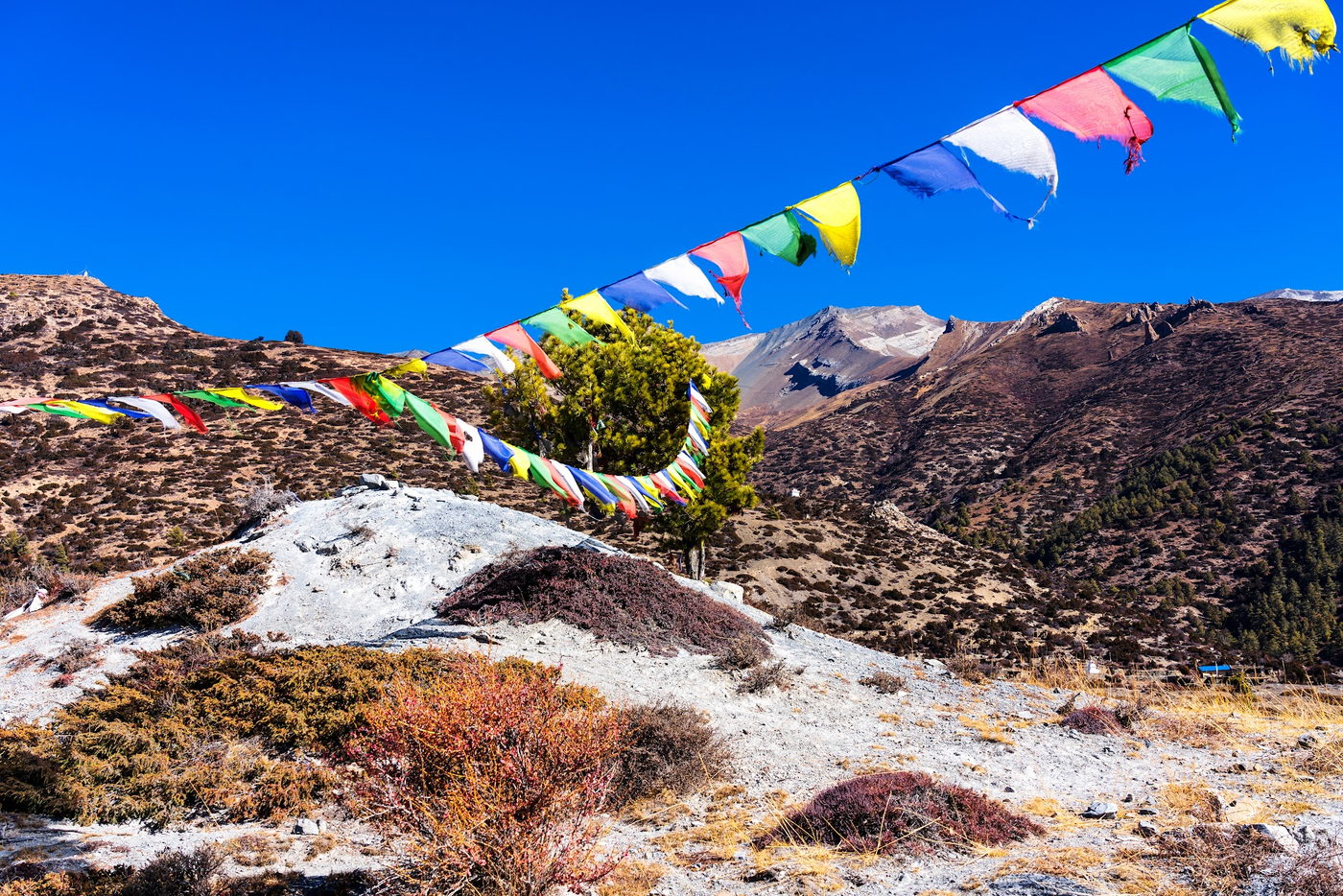
The Journal
Related Reading
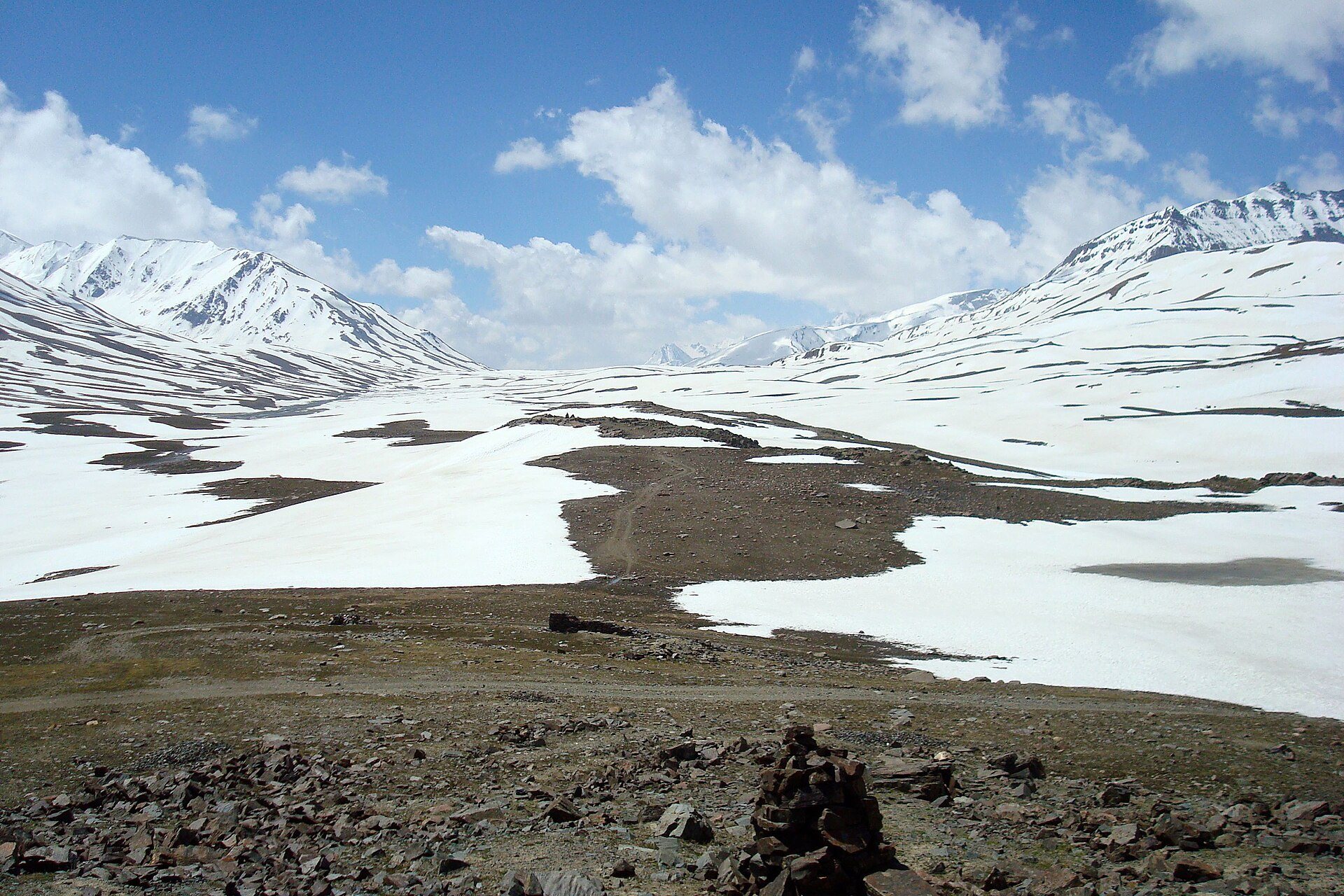
The Ladakh Season Closes
The signboard at the top of Khardung La overstates the pass by about eight hundred feet, and the road it stands on has not been the world's highest for years. Almost everything published about Ladakh's winter is similarly out of date — including the part about the passes closing.
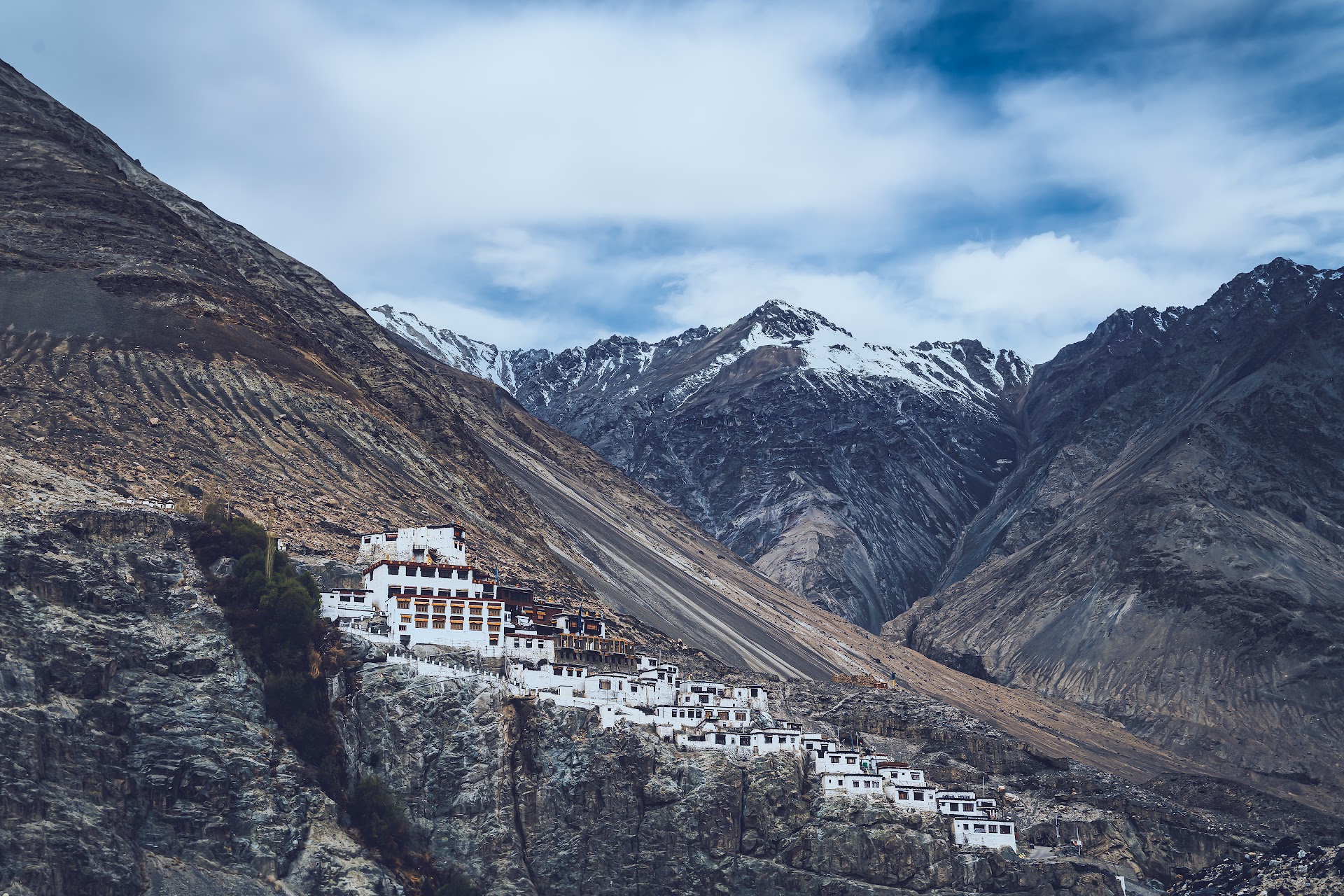
The Best Time to Visit Ladakh: A Season-by-Season Guide
Ladakh's season is short and shaped by altitude and mountain passes. A clear month-by-month guide to when the high desert is at its best — and why winter is a different trip entirely.
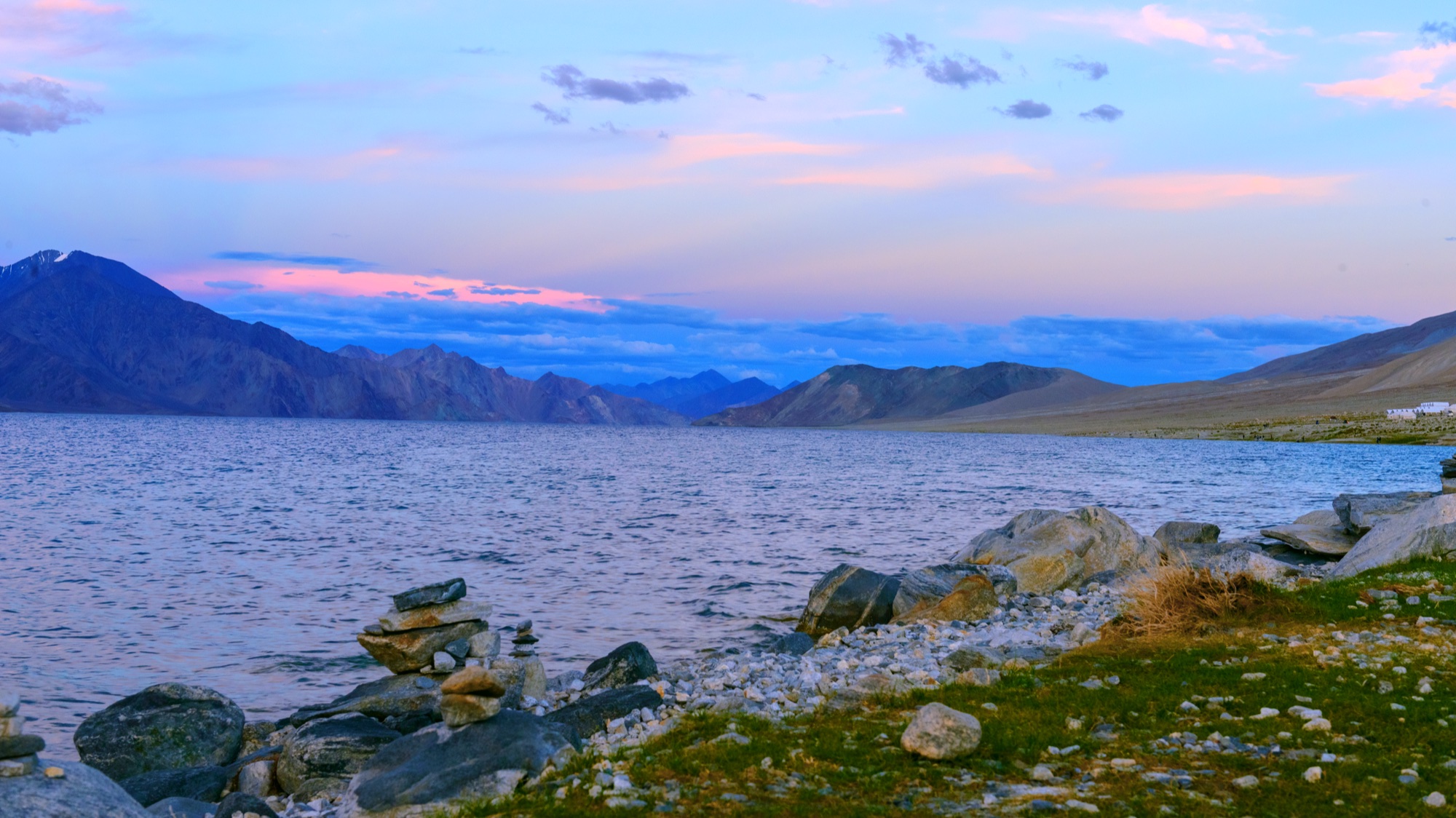
How Many Days Do You Need in Ladakh?
Ladakh's altitude changes the maths of a trip. A clear guide to how long you actually need — from a tight five days to an unhurried ten — with acclimatisation built in from the start.