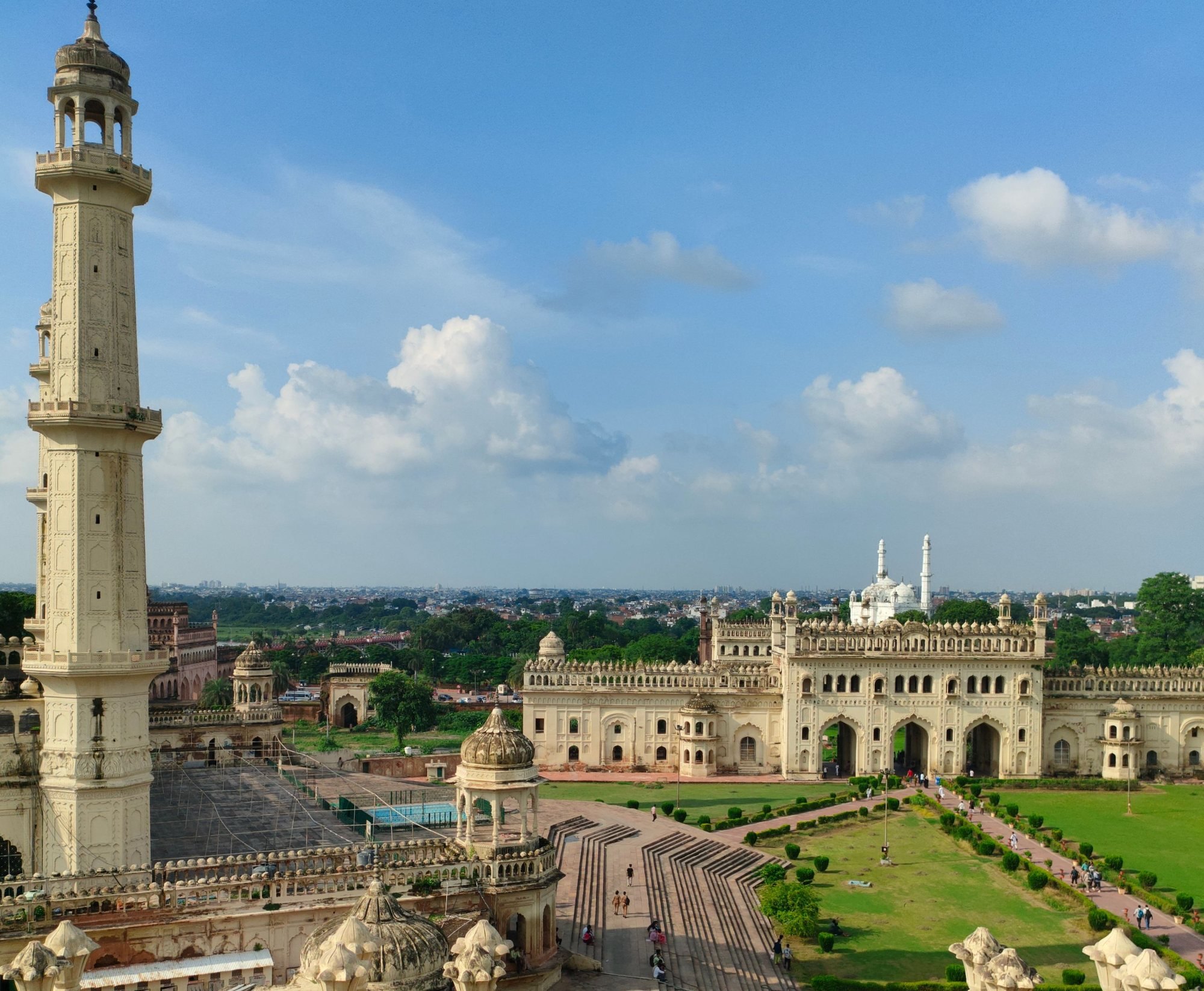
Lucknow was the NawabsNawabA Muslim prince or governor ruling a province under the Mughal empire and, later, under the Raj.Read in the glossary' capital, and what the dynasty left behind is less a collection of monuments than a manner. The courtly Urdu, the deference in the way strangers address each other, the insistence that a meal is an occasion — all of it descends from a court that spent its last century perfecting refinement while losing everything else.
The architecture makes the same argument. The Bara Imambara's central hall spans fifty metres with no pillars and no beams, and above it runs the bhulbhulaiya, a labyrinth of some four hundred and ninety interlocking passages. The Rumi Darwaza next door is a gateway to nowhere in particular — built as famine relief, and magnificent anyway.
Signature Experiences
- ◆The Bara Imambara and its pillarless hall
- ◆The bhulbhulaiya labyrinth above it
- ◆The Rumi Darwaza
- ◆A chikankari atelier, with the embroiderers at work
Optional, By Arrangement
- ◆The Residency ruins, left as the siege ended them
- ◆An evening of ghazal
- ◆A chikankari workshop of your own
- ◆A photography walk through the old city lanes
Where We Place Our Guests
- Taj Mahal LucknowThe city's most polished address, and the shortest route to a properly cooked Awadhi dinner.
The Table
- An Awadhi royal feast, courses paced the way the court paced them
- The kebab trail — galouti, kakori, tunday
- Fine contemporary dining in the Gomti Nagar quarter
Curator's Advisory
The kebab trail is not optional. The galouti was invented for a Nawab who had lost his teeth and wanted meat that dissolved; the result is still the city's masterpiece and it is eaten standing up, in lanes, from shops with no seating. Set aside a morning for chikankari as well — the good ateliers are not the ones on the main road, and the difference between hand and machine work is obvious once someone shows you.
In & Around Lucknow
Where to Stay
Journeys Through Lucknow
The Journal
Related Reading
The North-East: Assam, Meghalaya and Nagaland
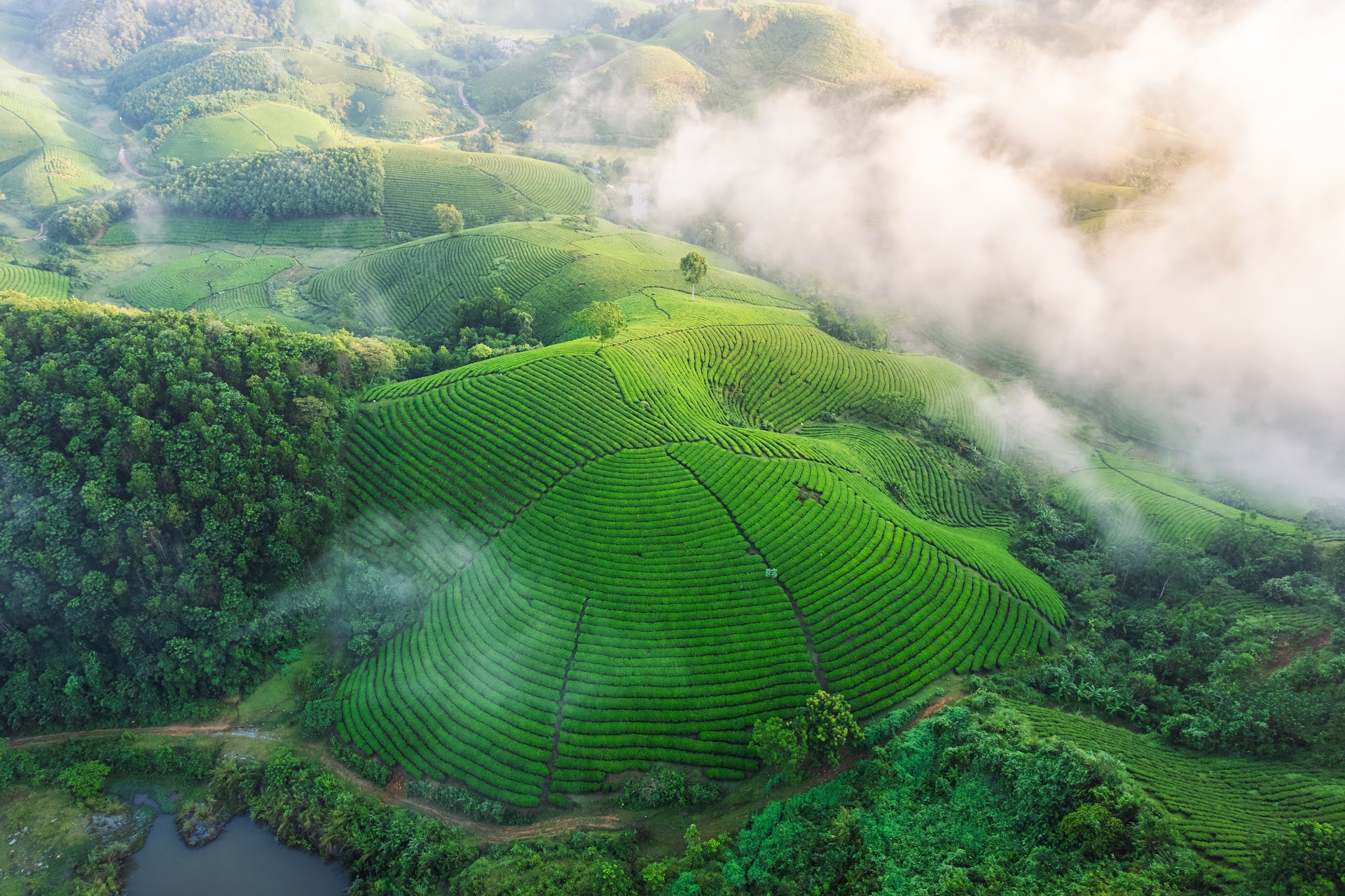
Rhino country, the wettest hills on earth, and a set of cultures that have very little to do with the India most visitors picture. Also the one part of the country where the paperwork genuinely decides the itinerary.
Durga Puja: Kolkata Becomes a Different City
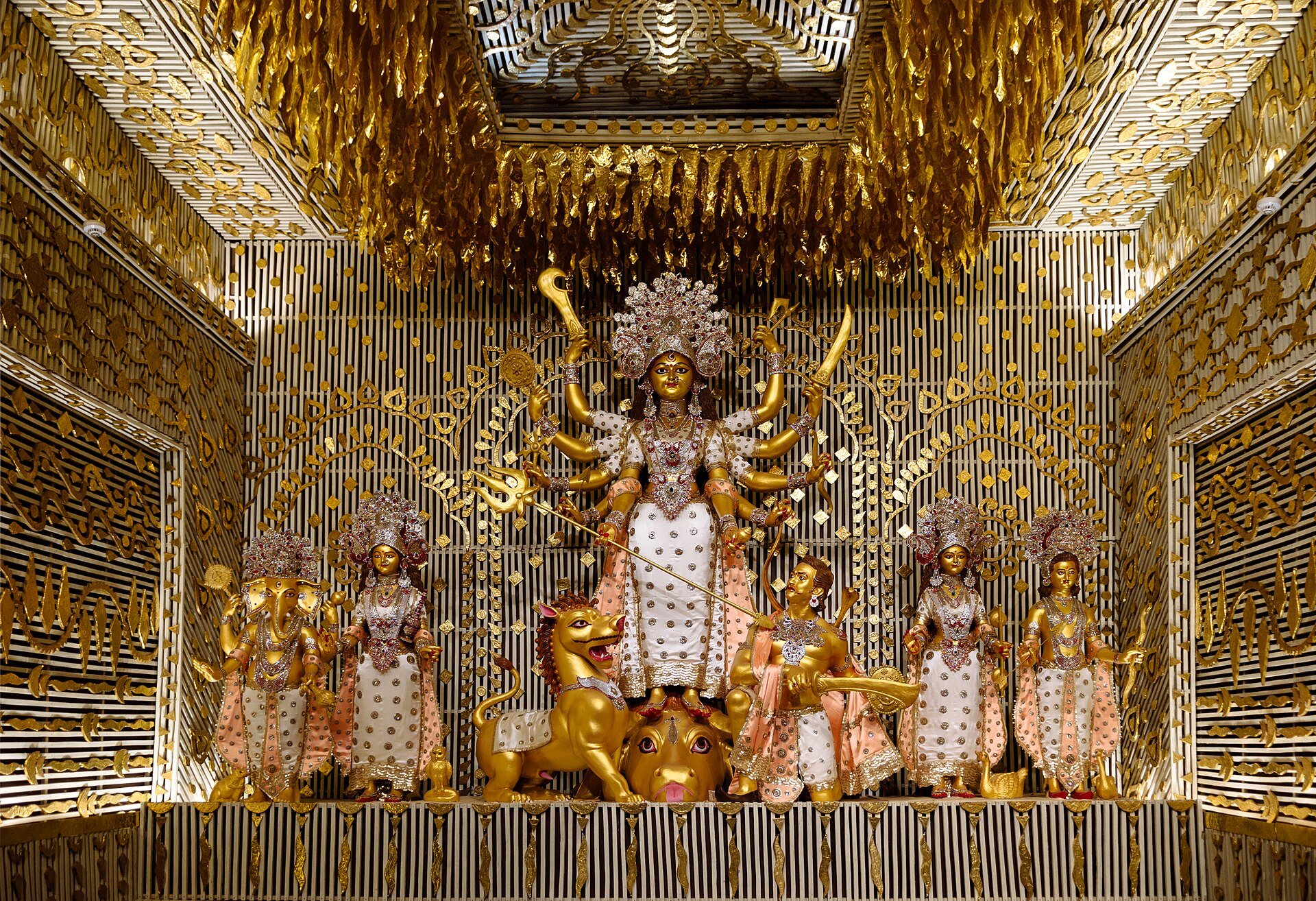
A British Council study put the creative economy around one week's festival at ₹32,377 crore — 2.58 per cent of West Bengal's entire GDP. Durga Puja is not a religious event with an art economy attached. It is one of the largest public art commissions on earth, erected and dismantled annually by around three thousand neighbourhood committees in a single city.
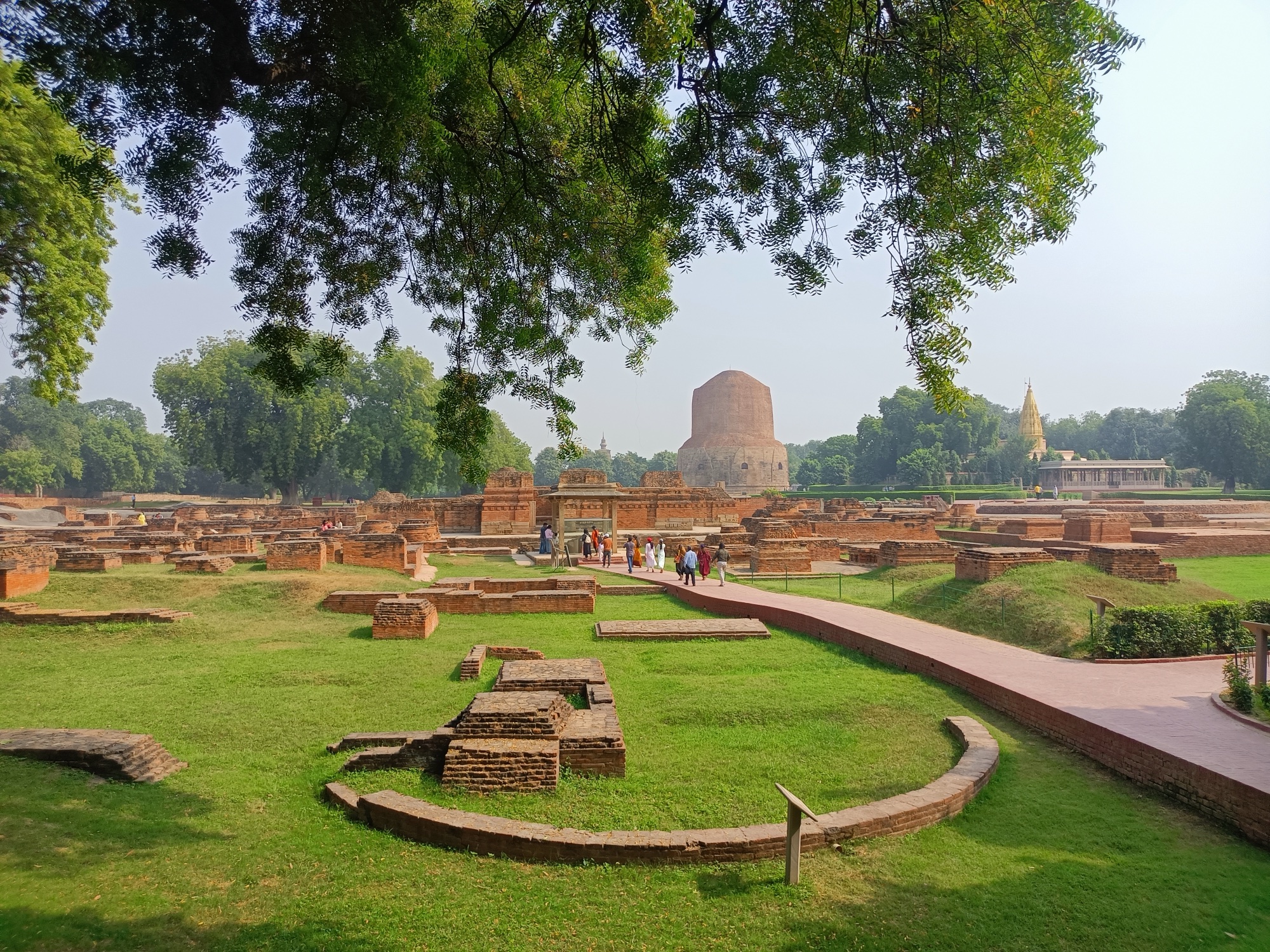
Sarnath Becomes India's 45th World Heritage Site
On 27 July 2026, after twenty-eight years on the tentative list, the Ancient Buddhist Site at Sarnath was inscribed by UNESCO. An honest account of what a World Heritage listing does for a place, what it does to it, and how to see Sarnath well.