How to read this list
There is no single best place to visit in India, only the best few for the trip you are actually taking — your first or your fifth, two weeks or four, culture or wilderness, fast or slow. What follows is a shortlist rather than an inventory: the regions and cities we most often build journeys around, and, more usefully, a line on who each one is really for and how long it wants.
The one rule that saves most first trips is to resist the map. India rewards fewer places experienced deeply far more than a checklist of everything, and the distances are longer than they look. Choose an axis — north or south — and let a handful of places breathe.
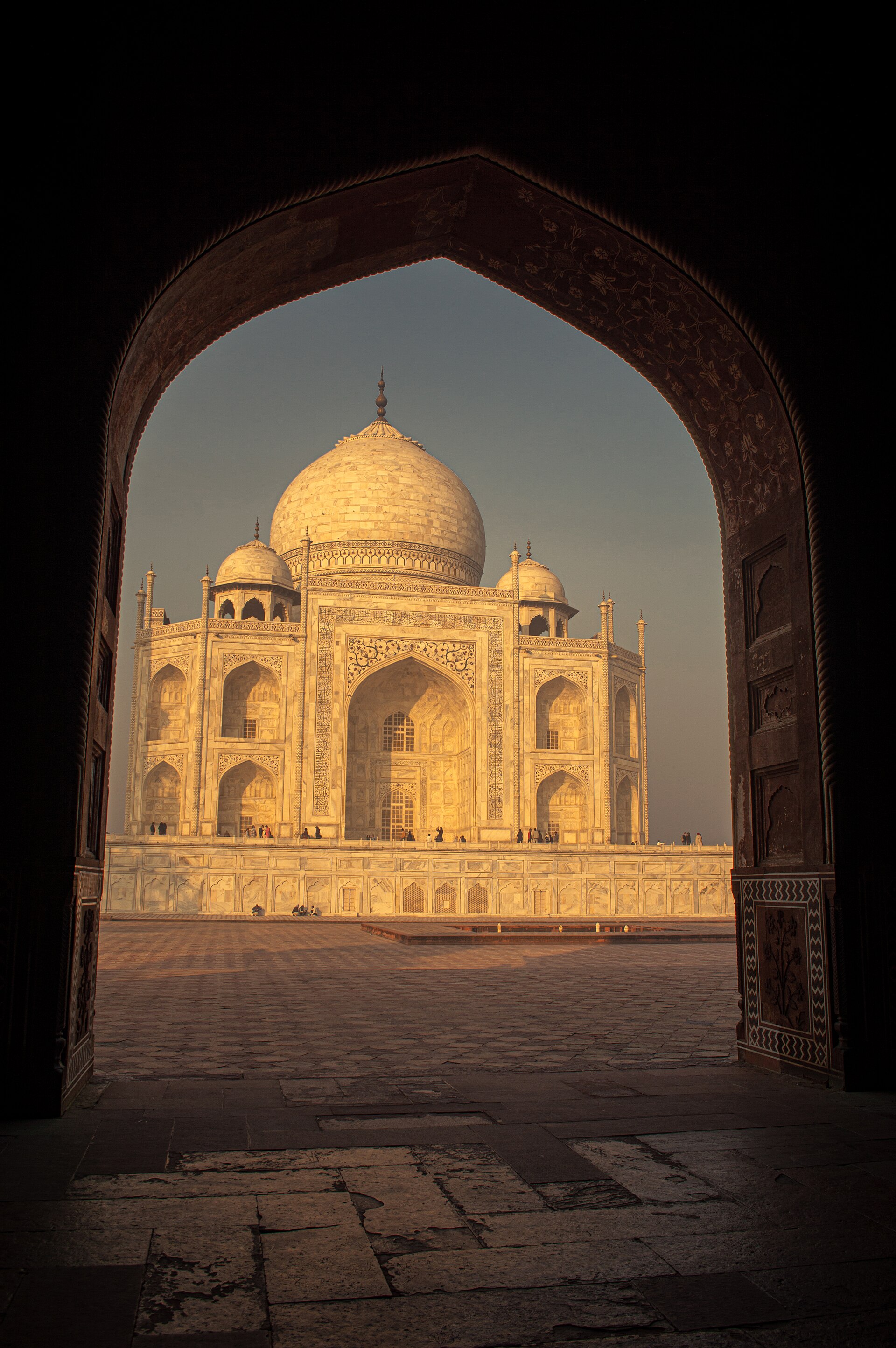
The Golden Triangle — Delhi, Agra and Jaipur
The spine of almost every first visit, and for good reason: Delhi’s imperial layers, the Taj Mahal at Agra, and Jaipur’s palaces and forts, all within comfortable driving distance. It is the fastest way to understand why India is India. Give it four to six days, and consider seeing the Taj Mahal at sunrise when it is quietest. Most travellers then add one contrast rather than stopping here.
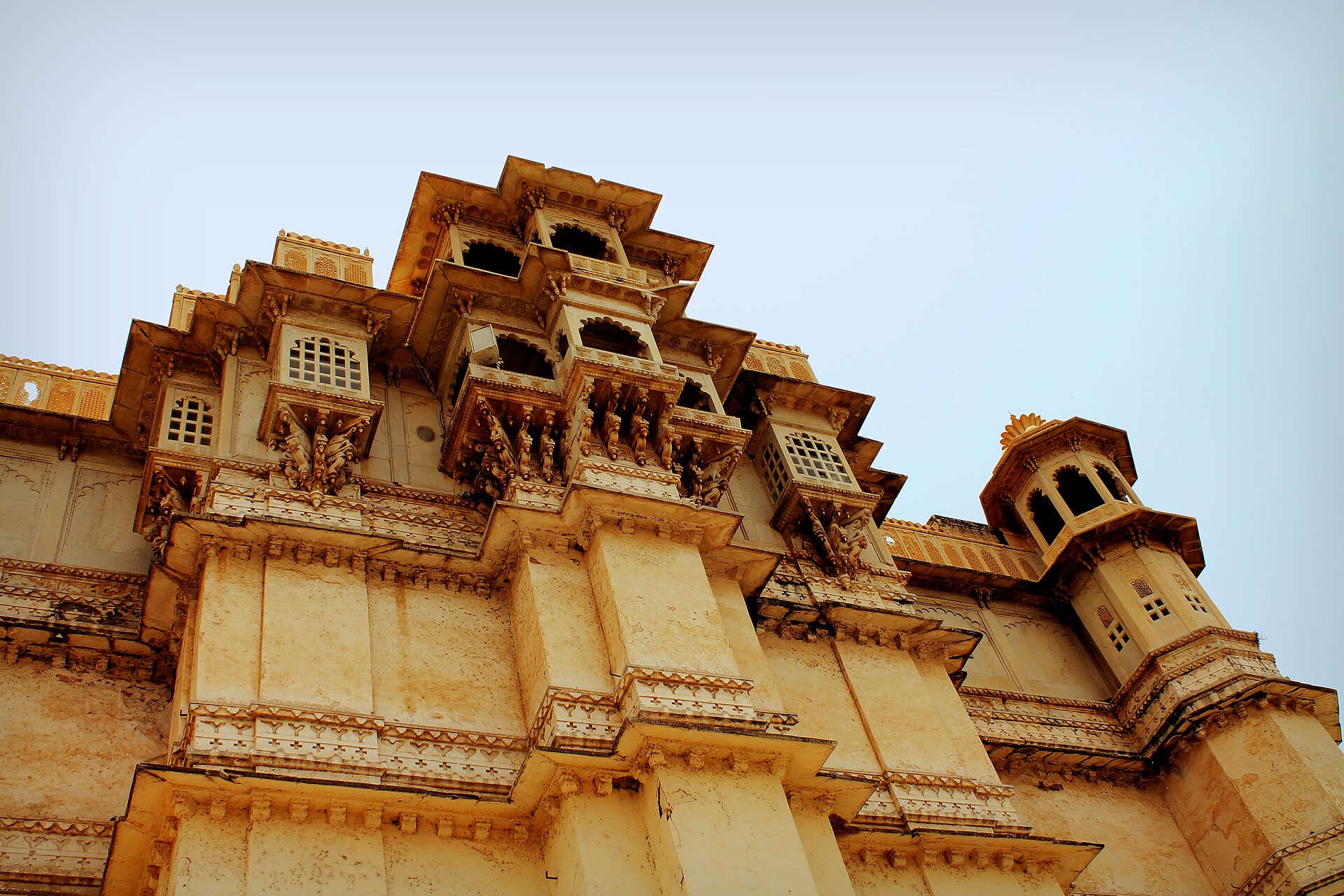
Rajasthan — the land of palaces
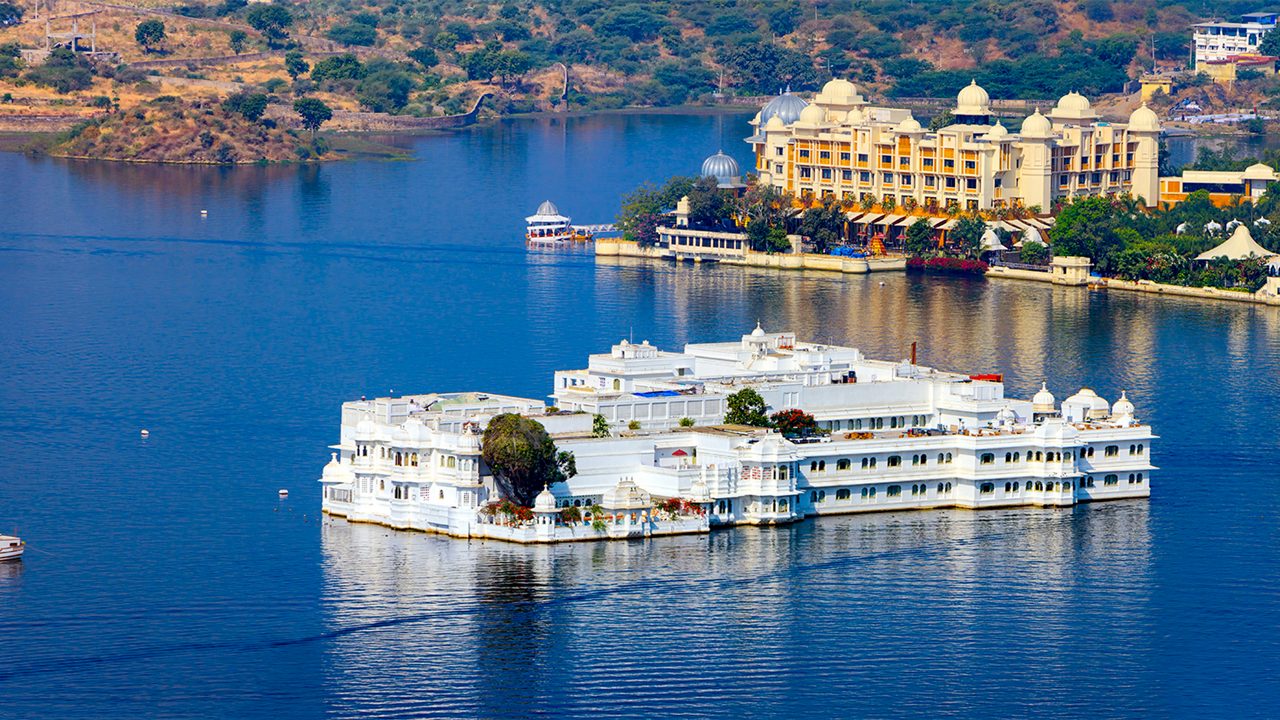
If the Golden Triangle is the introduction, Rajasthan is the love affair: Udaipur on its lakes, blue Jodhpur under its fort, golden Jaisalmer in the Thar desert, and a string of heritage estates in between, many of them still run by the families who built them. This is where staying in a palace hotel stops being a phrase and becomes the trip. Ten days to two weeks lets the circuit unfold without a forced march.
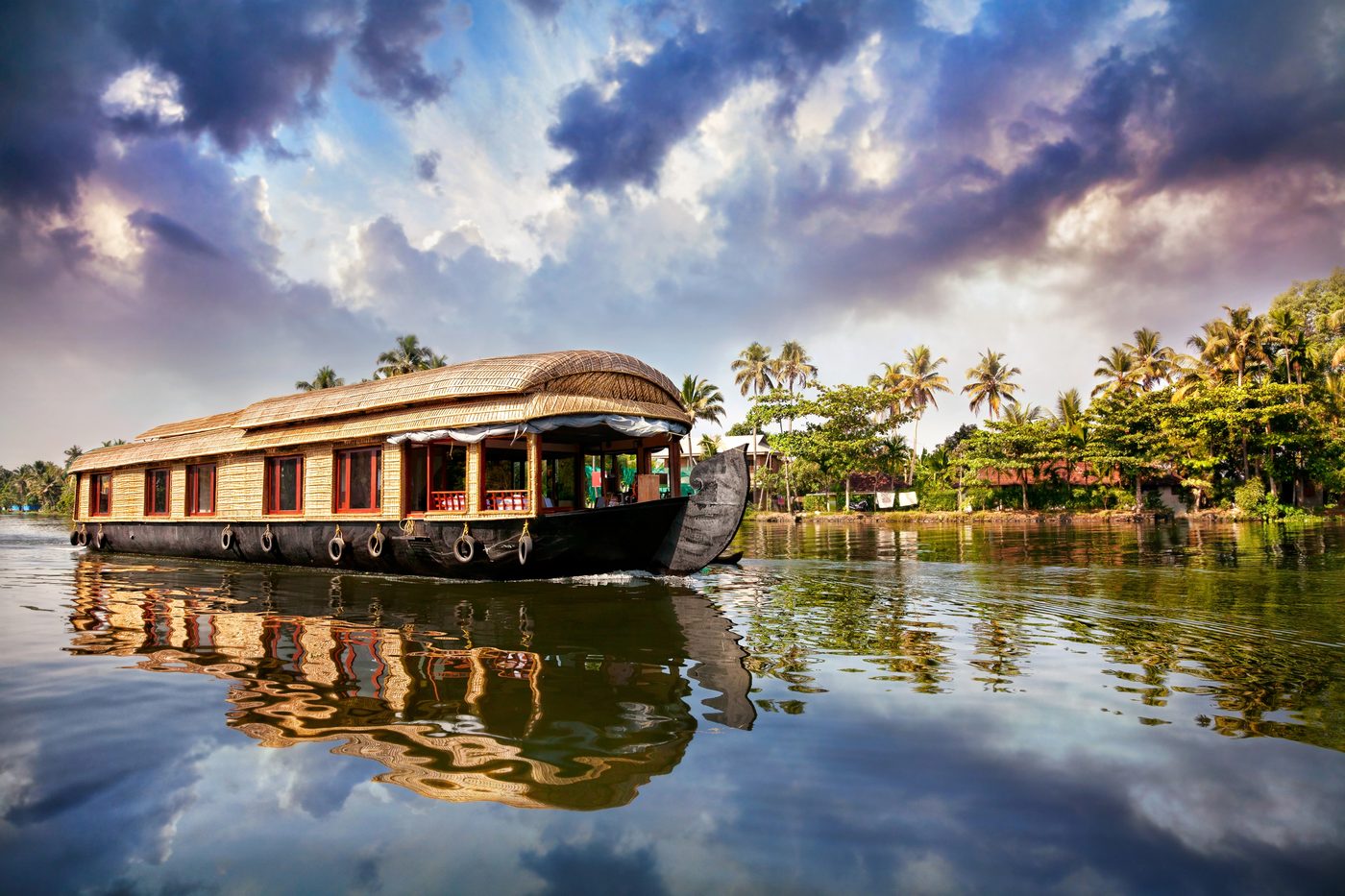
Kerala — the slow south
A different India entirely: the backwaters, the tea hills around Munnar, the Arabian Sea coast, AyurvedaAyurvedaA traditional Indian system of medicine that treats health as a balance between three bodily humours, or doshas.Read in the glossary done properly, and a gentler pace throughout. Kerala pairs beautifully with the energy of the north as a place to decompress at the end, or stands alone as a week of deliberate slowness. It is the south’s easiest introduction and often the part of a trip people are quietly most grateful for.
The tiger parks — Ranthambore, Bandhavgarh and Kanha
India holds the great majority of the world’s wild tigers, and a reserve at dawn is one of travel’s genuine thrills. Ranthambore slots neatly into a Rajasthan itinerary; Bandhavgarh and Kanha, deeper in central India, reward the traveller who comes specifically for wildlife with higher densities and fewer crowds. Give any park at least three nights — tigers are not a scheduled appointment — and come in the dry months when sightings peak.
Varanasi and the Ganges
The oldest living city many travellers will ever stand in, and the most intense. Dawn on the Ganges, the evening fire ceremonies on the ghatsGhatA flight of steps leading down to a river or tank, used for bathing, worship and cremation.Read in the glossary, the compression of life and death into a single riverbank — Varanasi is not comfortable and is all the more unforgettable for it. Two nights is enough to be changed by it; it works well as a short, powerful flight away from the Golden Triangle.
Ladakh and the high Himalaya
For the second or third trip, or the traveller who wants altitude and silence rather than palaces: the high desert of Ladakh, its monasteries, and mountain light unlike anywhere else. It is seasonal — broadly summer into early autumn — and asks for a day or two to acclimatise above 3,500 m, but it is the most otherworldly landscape India offers.
The great cities — Mumbai, Delhi, Kolkata
Easy to treat as gateways, worth treating as destinations. Mumbai is India’s confident, cosmopolitan edge; Delhi repays a slower read of its many imperial capitals; Kolkata is the country’s literary and artistic heart and the one great city most itineraries skip. A couple of well-guided days in any of them adds a register most trips miss.
Beyond the headline — Gujarat, the North-East, Odisha
When India is not new to you, the quieter corners become the point: Gujarat’s crafts, textiles and the white Rann of Kutch; the tribal cultures and green hills of Assam, Meghalaya and Nagaland in the North-East; Odisha’s temples and weaving villages on the eastern coast. None are first-trip territory, and all are the reason people come back.
So where should you actually go?
For a first visit of ten days to two weeks: the Golden Triangle plus one of Rajasthan, Kerala or a tiger park, at a pace that leaves room to do nothing. For a second trip: the south in full, or the deep wildlife parks, or the Himalaya. The honest answer is that the best places to visit in India depend less on a ranking than on choosing few enough of them — which is exactly the part a private travel house is for.
Preguntas, respondidas
What is the best place to visit in India for the first time?
For a first visit, the Golden Triangle — Delhi, Agra and Jaipur — plus one contrast such as Rajasthan, Kerala or a tiger reserve is the proven shape. It gives you the Taj Mahal and the palaces alongside a second, different India, without trying to see everything at once.
What are the top places to visit in India?
The most-loved are the Golden Triangle and the Taj Mahal, Rajasthan (Udaipur, Jodhpur and Jaisalmer), Kerala’s backwaters and hills, the tiger reserves of Ranthambore, Bandhavgarh and Kanha, Varanasi on the Ganges, Ladakh in the high Himalaya, and the great cities of Mumbai, Delhi and Kolkata.
Is north or south India better to visit?
Neither is better — they are different countries in pace, food and climate. The north (Delhi, Rajasthan, the Taj) is palaces, deserts and imperial history; the south (Kerala, Tamil Nadu) is backwaters, temples, coast and a gentler rhythm. On a first two-week trip it is usually better to choose one axis and go deep rather than straddle both.
How many places can you visit in two weeks in India?
Comfortably three or four regions — for example the Golden Triangle, a stretch of Rajasthan, and a few days of Kerala or a tiger park. Fewer is almost always better: India’s distances are longer than they look, and the trips people remember are the unhurried ones.
Los viajes que le llevan allí

Leer a continuación