By Nikhil Sharma — Founder & CEO
Hay una paradoja silenciosa en el corazón de los viajes a la India. La mejor estación del país —los meses frescos y luminosos que van de octubre a marzo— es también la que el mundo menos aprovecha en relación con lo extraordinaria que es. La India recibe una fracción de los visitantes de invierno que le corresponderían a una civilización de su escala y su belleza. Creo que es un fallo de presentación, no del lugar. Permítame exponer el caso con claridad.
Por qué el invierno es la mejor hora de la India
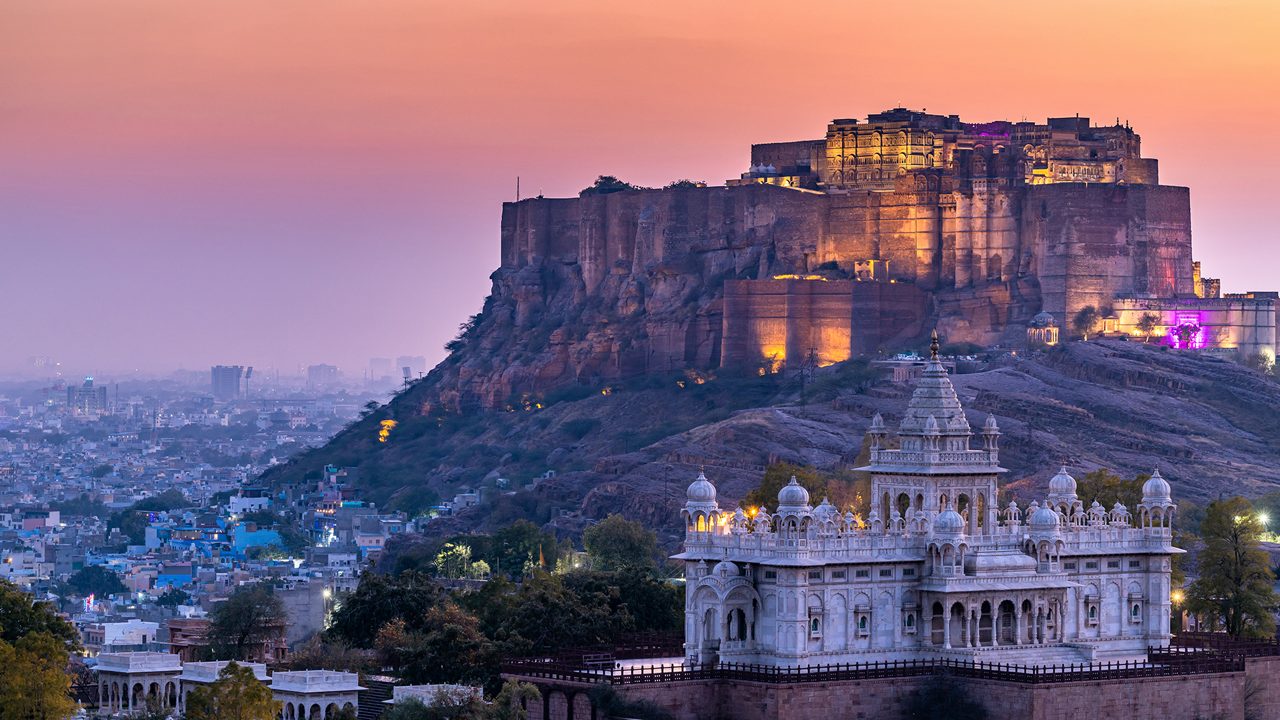
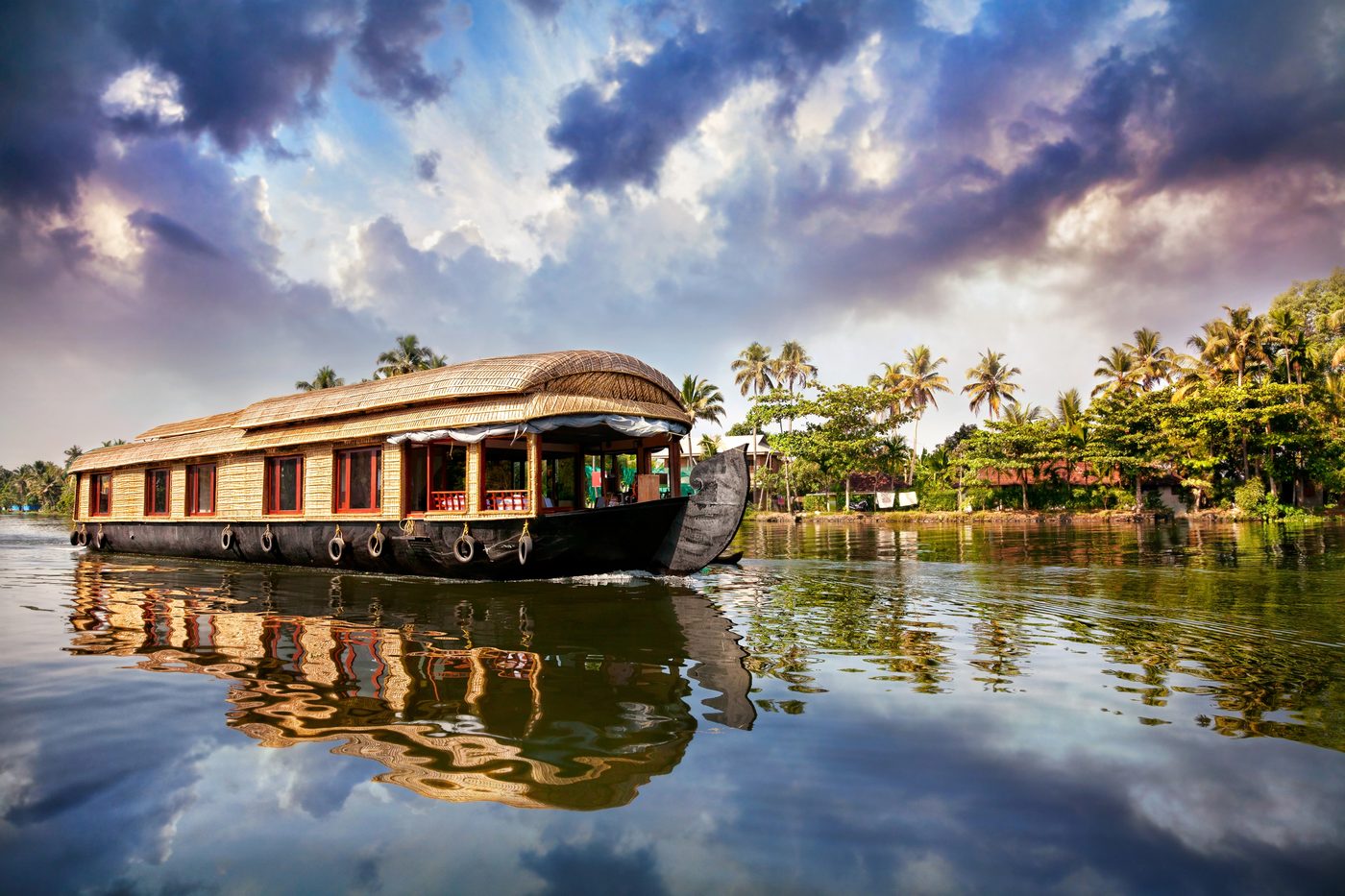
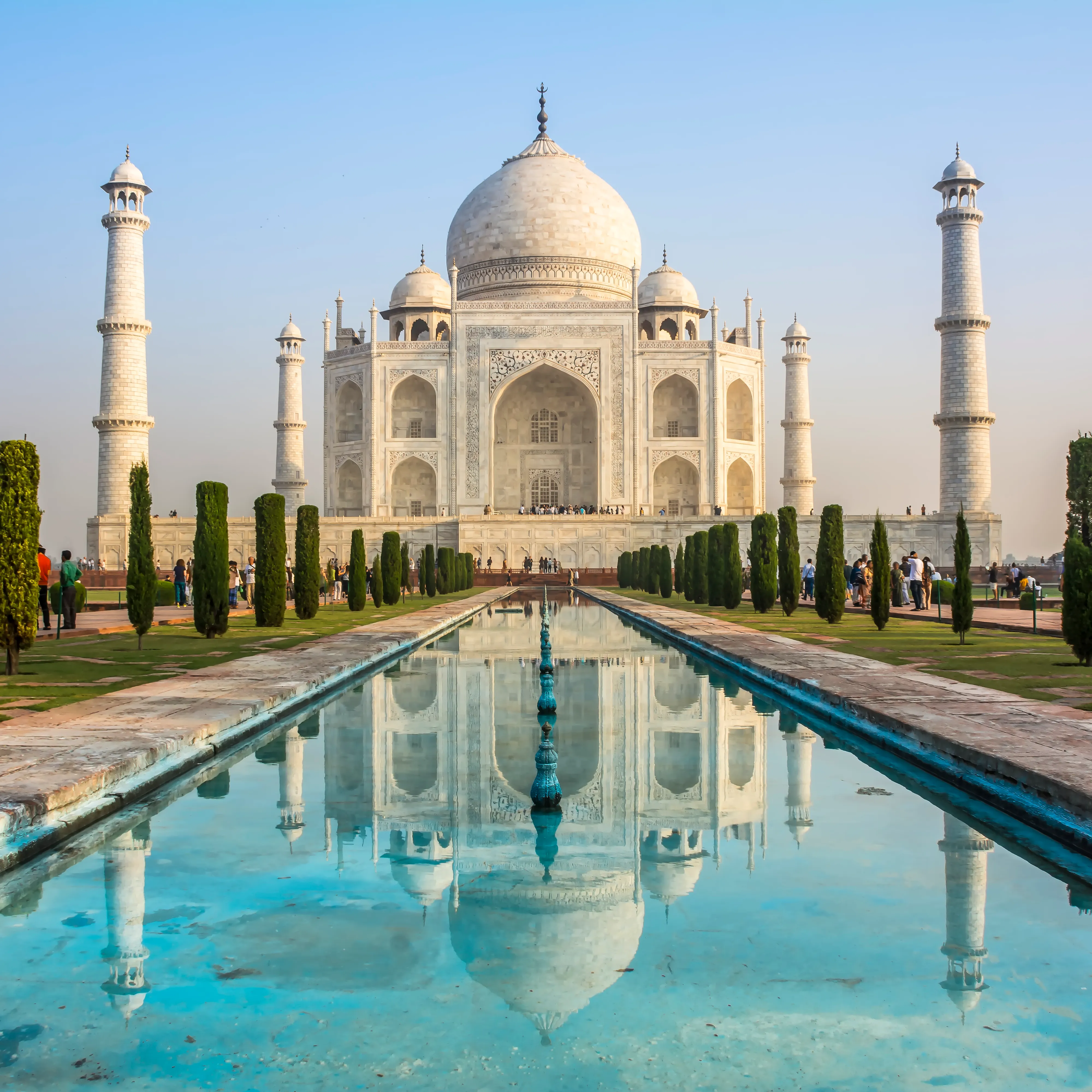
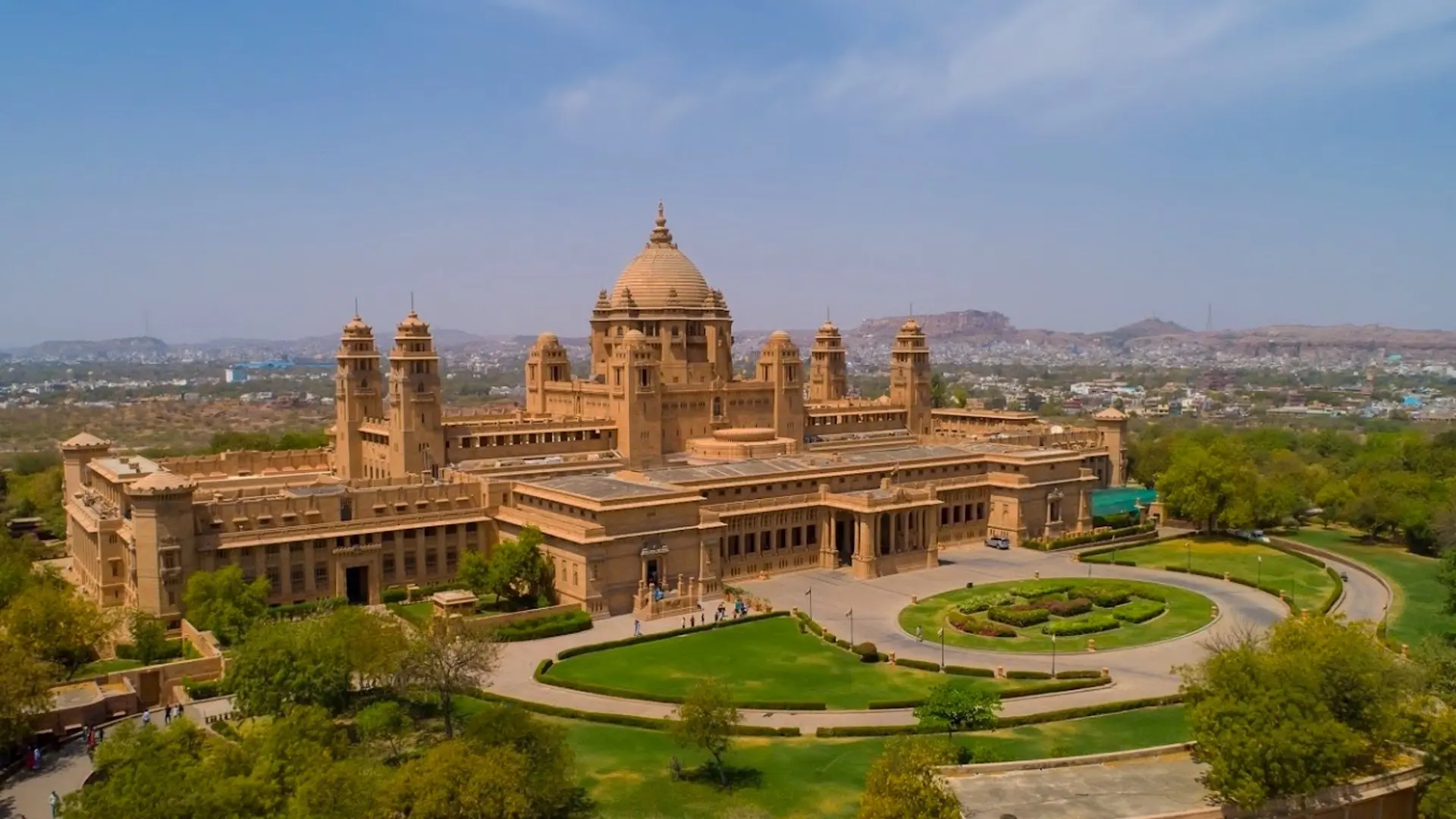
A partir de octubre el monzón se ha retirado, el polvo se ha asentado y la luz se vuelve dorada y larga. El Taj al amanecer, los fuertes de Rajasthan, los remansos de Kerala: todos están en su momento más fotogénico y más cómodo de explorar. Los días son cálidos y secos; las noches, lo bastante frescas para encender un fuego en un patio. Es, sencillamente, cuando la India se ve y se siente mejor.
La estación para la que se construyó el calendario
El invierno es además cuando la vida cultural de la India suena a todo volumen. Diwali ilumina el país entero a finales de otoño; la Feria de Camellos de Pushkar llena el desierto; la temporada de bodas llena los palacios; la Navidad y el Año Nuevo visten de fiesta Goa y Kerala. Y es el punto álgido de la temporada de fauna: los tigres de Ranthambore y los leones de Gir alcanzan su mayor visibilidad a medida que la vegetación clarea y los animales se congregan en el agua. Ninguna otra ventana concentra tanto en tan pocos meses.
Por qué la ventana para planificarlo es ahora
Esta es la verdad práctica bajo el romanticismo: lo mejor de la temporada es finito y se reclama pronto. El puñado de habitaciones con vistas al Taj, las suites frente al lago en Udaipur, los campamentos de tiendas de Pushkar, los mejores turnos de safari: todo eso se llena con meses de antelación, y las fechas más codiciadas se van primero. Los viajeros que viven el invierno indio en su mejor versión son, casi sin excepción, los que se decidieron a finales del verano o a principios del otoño.
Así que el argumento no es solo que la India en invierno sea el secreto mejor guardado del mundo del viaje. Es que ese secreto se guarda, en la práctica, planificando, y el momento de planificar es este en el que estamos.
Preguntas, respondidas
¿Cuál es la mejor época para visitar la India?
De octubre a marzo —el invierno indio— es la mejor época para casi todo el país: días secos, despejados y templados, ideales para visitar; el tramo más rico del calendario de festivales; y la temporada álgida para observar fauna. De abril a junio hace calor; el monzón se extiende aproximadamente de junio a septiembre.
¿Es el invierno una buena época para visitar la India?
Es la mejor. El monzón ha pasado, la luz es dorada, los días son cálidos y secos y las noches frescas, y la temporada acoge Diwali, la Feria de Pushkar, la Navidad y el Año Nuevo, y el punto álgido de los safaris de tigres y leones.
¿Con cuánta antelación debo planificar un viaje de invierno a la India?
Con toda la que pueda. Las mejores habitaciones —suites con vistas al Taj, palacios lacustres, campamentos en el desierto— y los mejores turnos de safari y fechas de festival se llenan con meses de antelación, de modo que los viajes de invierno más logrados suelen planificarse a finales del verano y principios del otoño.
¿Qué festivales hay en la India en invierno?
Diwali (octubre-noviembre), la Feria de Camellos de Pushkar (octubre-noviembre), la temporada de bodas a lo largo del invierno, y las celebraciones de Navidad y Año Nuevo especialmente en Goa y Kerala, con el Festival del Desierto de Jaisalmer y otros ya entrado el año siguiente.
Los viajes que le llevan allí

Leer a continuación