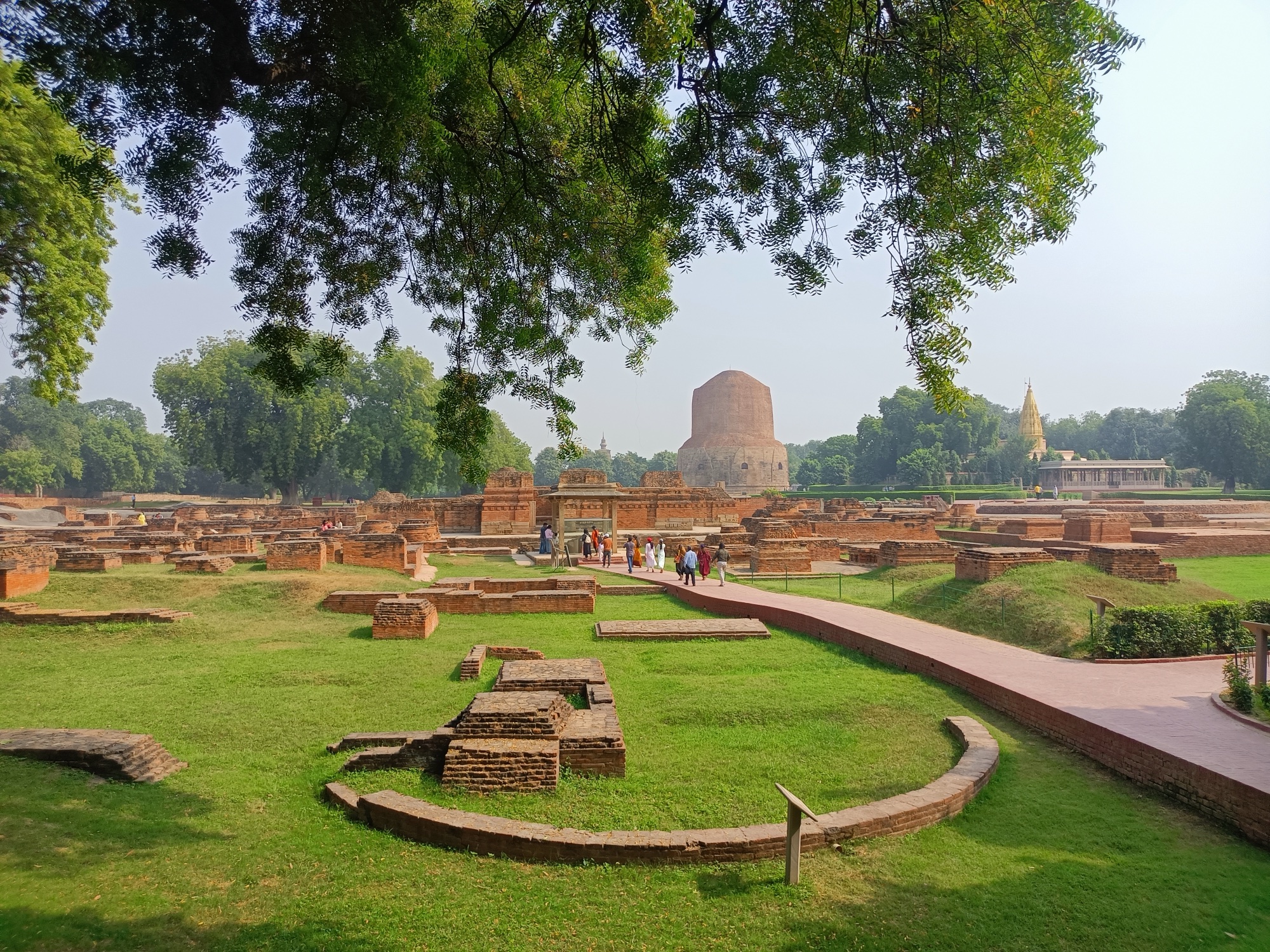
Fotografía de portada: Dhamekh Stupa and Bauddh Vihars at Sarnath — CC BY-SA 4.0, via Wikimedia Commons
On 27 July 2026, at the 48th session of the World Heritage Committee in the Republic of Korea, UNESCO inscribed the Ancient Buddhist Site at Sarnath. It is India's forty-fifth World Heritage property, and it had been on the country's tentative list for twenty-eight years before it got there.
Sarnath sits a short drive north of Varanasi, and for most travellers that proximity is the whole practical story: it is a half-day from a city almost every first journey through northern India already includes. What the listing changes is worth being clear-eyed about, because the honest answer is less than the headlines imply and more than nothing.
What is actually inscribed
The property comprises the Chaukhandi StupaStupaA solid domed Buddhist monument, built to house relics and walked around by worshippers as an act of devotion.Read in the glossary together with the archaeological remains of Sarnath — among them the Dhamek Stupa, the Dharmarajika Stupa, the Mulagandhakuti Vihara and the Ashokan pillar, within the area long known as the Deer Park.
The significance is singular rather than accumulated. Sarnath is where, in the sixth century BCE, the Buddha is held to have delivered his first sermon after enlightenment at Bodh Gaya — the setting in motion of the wheel of dharma, and by tradition the founding moment of the Buddhist community. Everything standing there was built afterwards, around that.
The Dhamek Stupa is the piece most visitors photograph: a solid cylinder of stone and brick, carved on its lower band with floral and geometric work of extraordinary patience. The Ashokan pillar is the piece that matters most historically, and its capital — the four lions — is the emblem of the Republic of India.
What inscription does
It is, first and last, a conservation commitment. Listing obliges the state party to a management framework, to monitoring, and to protecting the property's defined value. It is a legal and administrative instrument aimed at the next two hundred years.
It is not a grant, not a restoration programme, and not a promise about visitor facilities. None of those follow automatically, and where they do follow they follow slowly.
The reliable short-term effect is a rise in visitor numbers. Inscription is a powerful marketing signal whether or not anyone intends it as one, and the sites that handle it best are the ones that were already managing crowds well. That is the practical reason to go sooner rather than later, and earlier in the day rather than later.
How to see it well
Early. The site opens at six in the morning and the first two hours are a different place from the middle of the day — cooler, quieter, and with the low light that the carved band on the Dhamek Stupa needs to be seen at all.
With the museum, not instead of it. The Sarnath archaeological museum holds the lion capital itself, and the site without the museum is a set of foundations without their objects. An hour there changes what the ruins are.
And with someone who can tell you what you are looking at. Sarnath is not a place that explains itself: it is largely archaeological, much of it is foundation-level, and without a guide who knows the period it can read as a pleasant park with some brickwork. With one it is one of the four principal sites of the Buddhist world.
Sarnath and Varanasi, in one journey
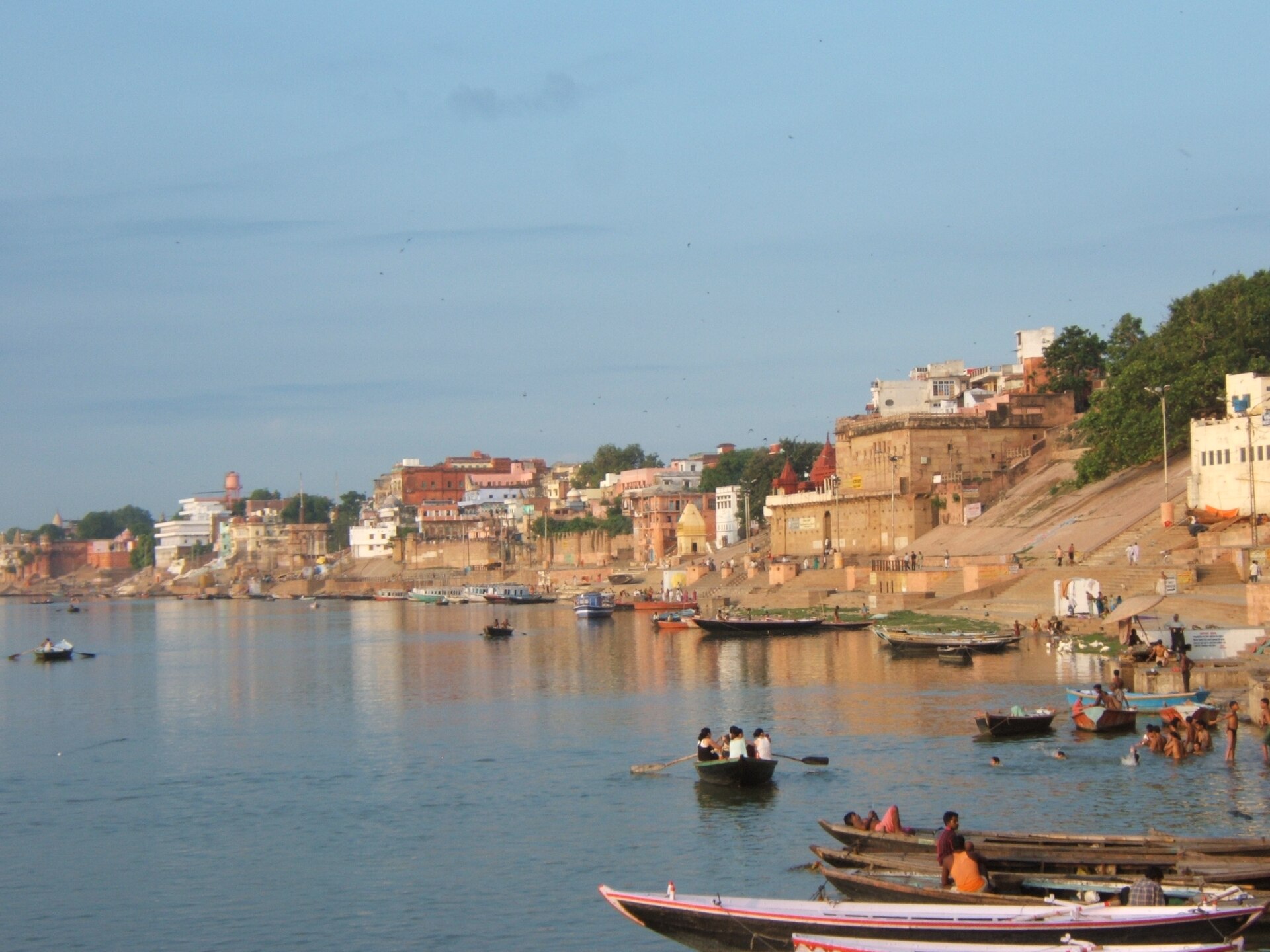
The two sit close together and are entirely unalike, which is the argument for doing both. Varanasi is dense, loud, continuous and overwhelming in the specific way that has made it the subject of more photographs than almost any city in India. Sarnath is quiet, ordered and archaeological.
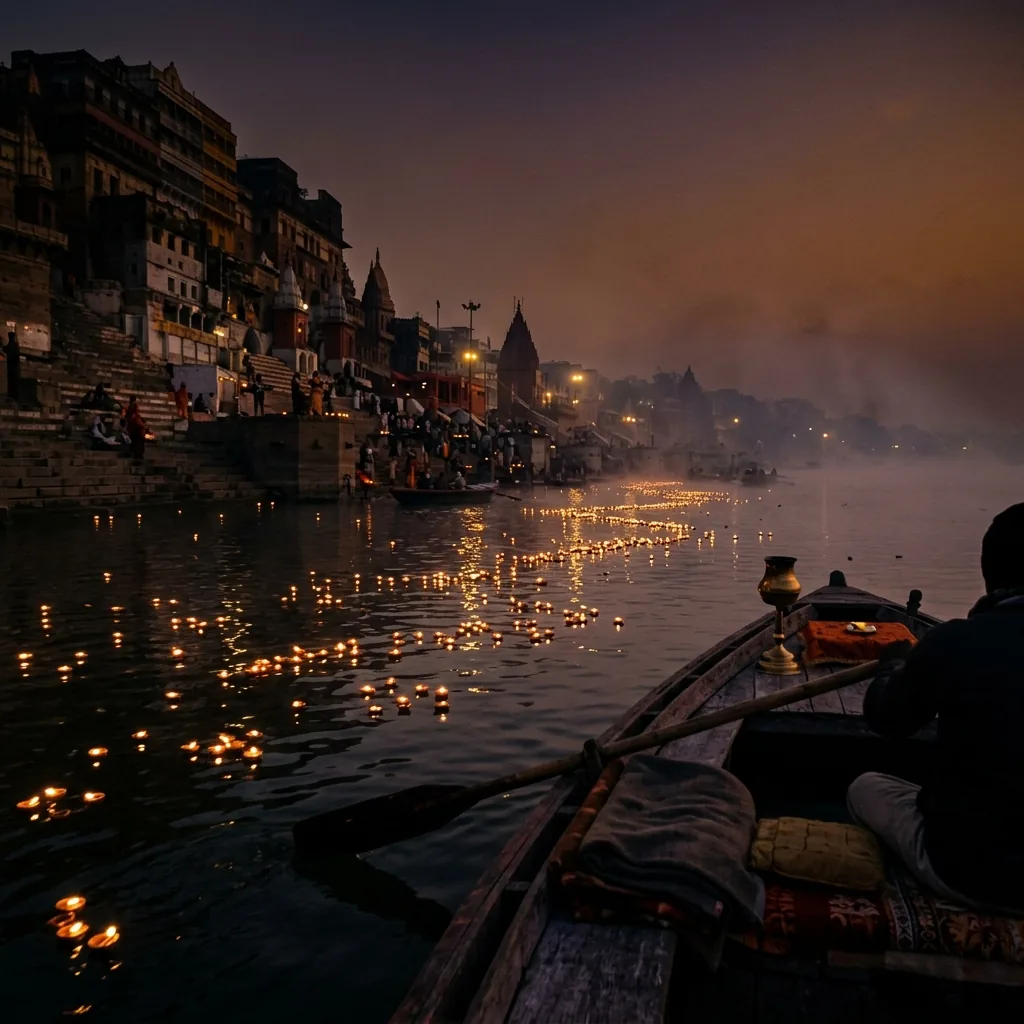
Most itineraries treat Sarnath as an add-on to a Varanasi morning, which works, but does the sequencing backwards. We would generally put Sarnath first — early, before the heat — and hold Varanasi's ghatsGhatA flight of steps leading down to a river or tank, used for bathing, worship and cremation.Read in the glossary for the evening aartiAartiA Hindu act of worship in which lamps of flame are circled before a deity or a sacred river, accompanied by bells, conch and chant.Read in the glossary and the following dawn. The contrast lands better in that order, and it gives the day a shape.
For travellers on the wider Buddhist circuit, Sarnath is one of four principal sites alongside Lumbini in Nepal, Bodh Gaya and Kushinagar. That is a different journey with a different rhythm, and worth planning as one rather than assembling piecemeal.
Preguntas, respondidas
When did Sarnath become a UNESCO World Heritage Site?
On 27 July 2026, at the 48th session of the World Heritage Committee held in the Republic of Korea. It was inscribed under the name Ancient Buddhist Site, Sarnath, after twenty-eight years on India's tentative list.
How many UNESCO World Heritage Sites does India have?
Forty-five, following the inscription of Sarnath. That places India sixth in the world by number of properties and second within the Asia-Pacific region.
What does the Sarnath World Heritage property include?
The Chaukhandi Stupa and the archaeological remains of Sarnath, including the Dhamek Stupa, the Dharmarajika Stupa, the Mulagandhakuti Vihara and the Ashokan pillar, within the area historically known as the Deer Park.
Is Sarnath worth visiting, and how long does it take?
Yes, and a half-day is enough — ideally an early start, with an hour kept for the archaeological museum, which holds the Ashokan lion capital. It sits a short drive north of Varanasi, so it combines naturally with a stay there.
Will the UNESCO listing change what visitors experience at Sarnath?
Not quickly. Inscription is a conservation and management commitment rather than a visitor-facing upgrade, and improvements to access or facilities do not follow automatically. The most predictable short-term effect is more visitors, which is an argument for going early in the day and sooner rather than later.
Los viajes que le llevan allí
Leer a continuación