By Nikhil Sharma — Founder & CEO
Il y a un paradoxe discret au cœur du voyage en Inde. La plus belle saison du pays — les mois frais et lumineux d’octobre à mars — est aussi celle que le monde exploite le moins au regard de son caractère extraordinaire. L’Inde reçoit une fraction des visiteurs d’hiver qu’une civilisation de cette ampleur et de cette beauté devrait accueillir. J’y vois un défaut de présentation, non un défaut du lieu. Permettez-moi de plaider franchement pour cette saison.
Pourquoi l’hiver est l’heure de gloire de l’Inde
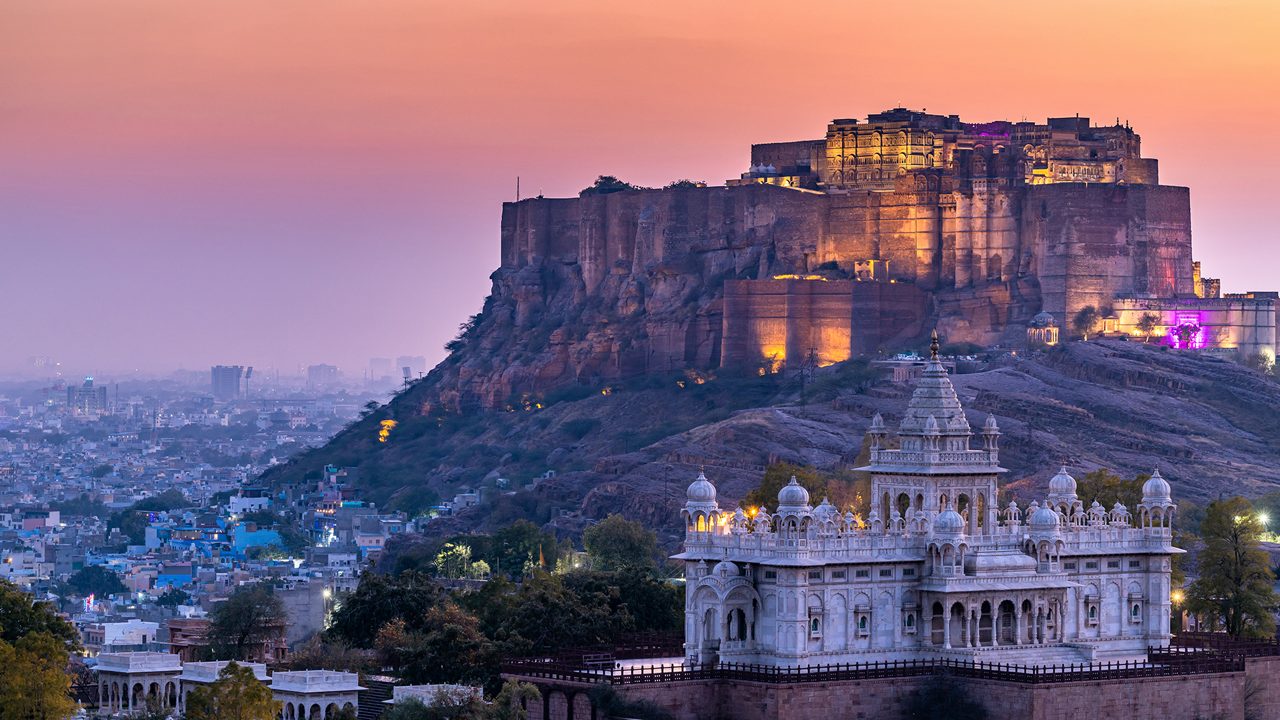
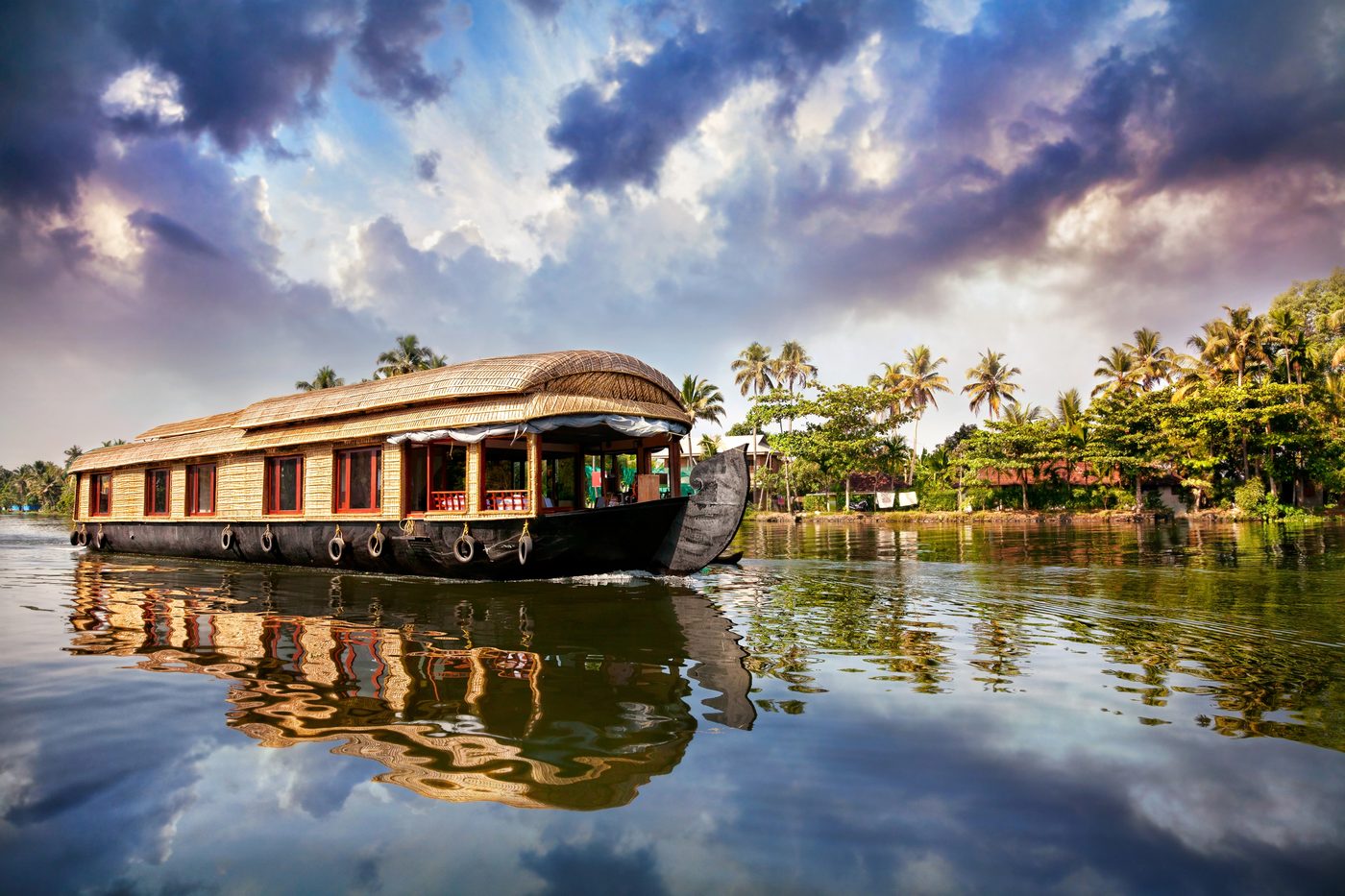
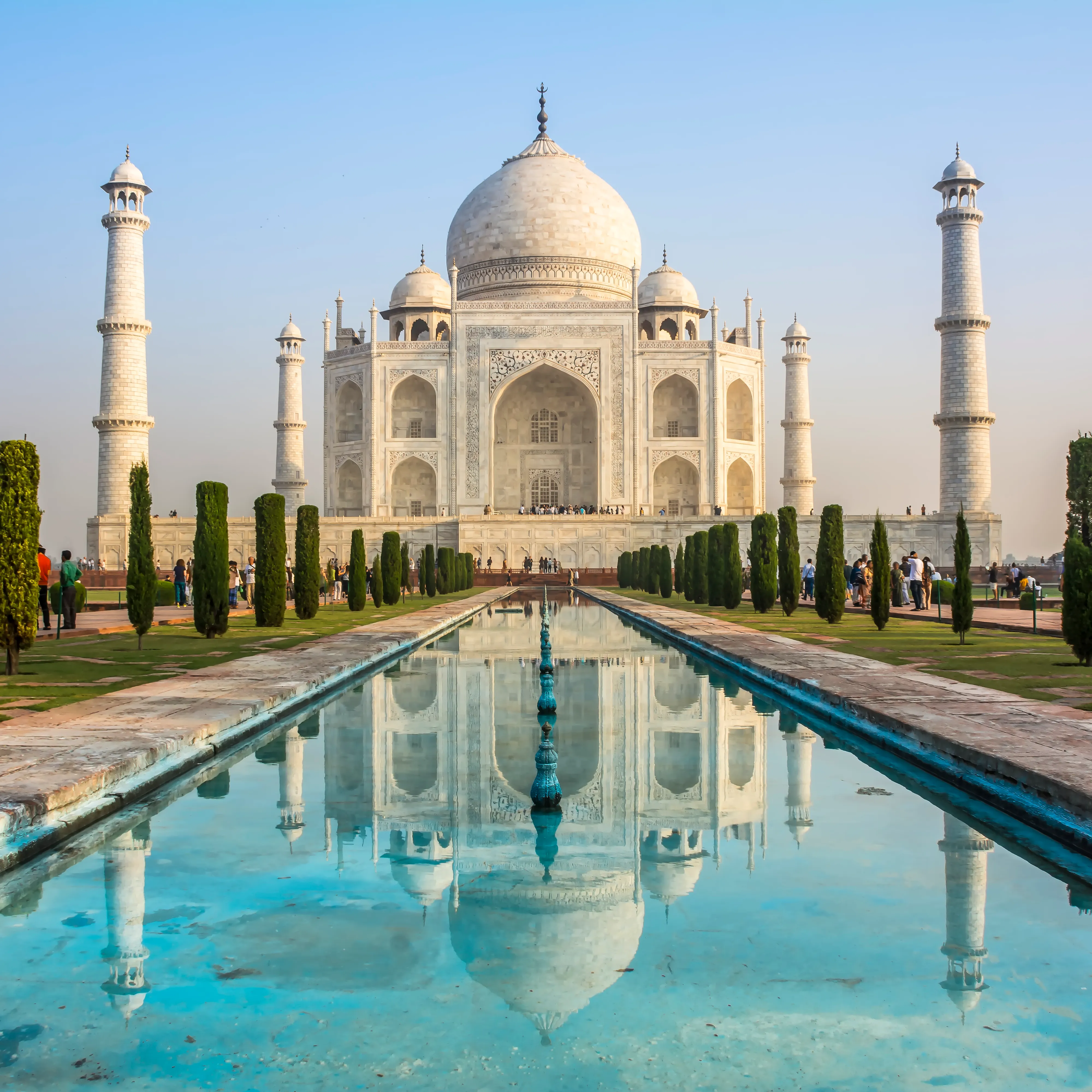
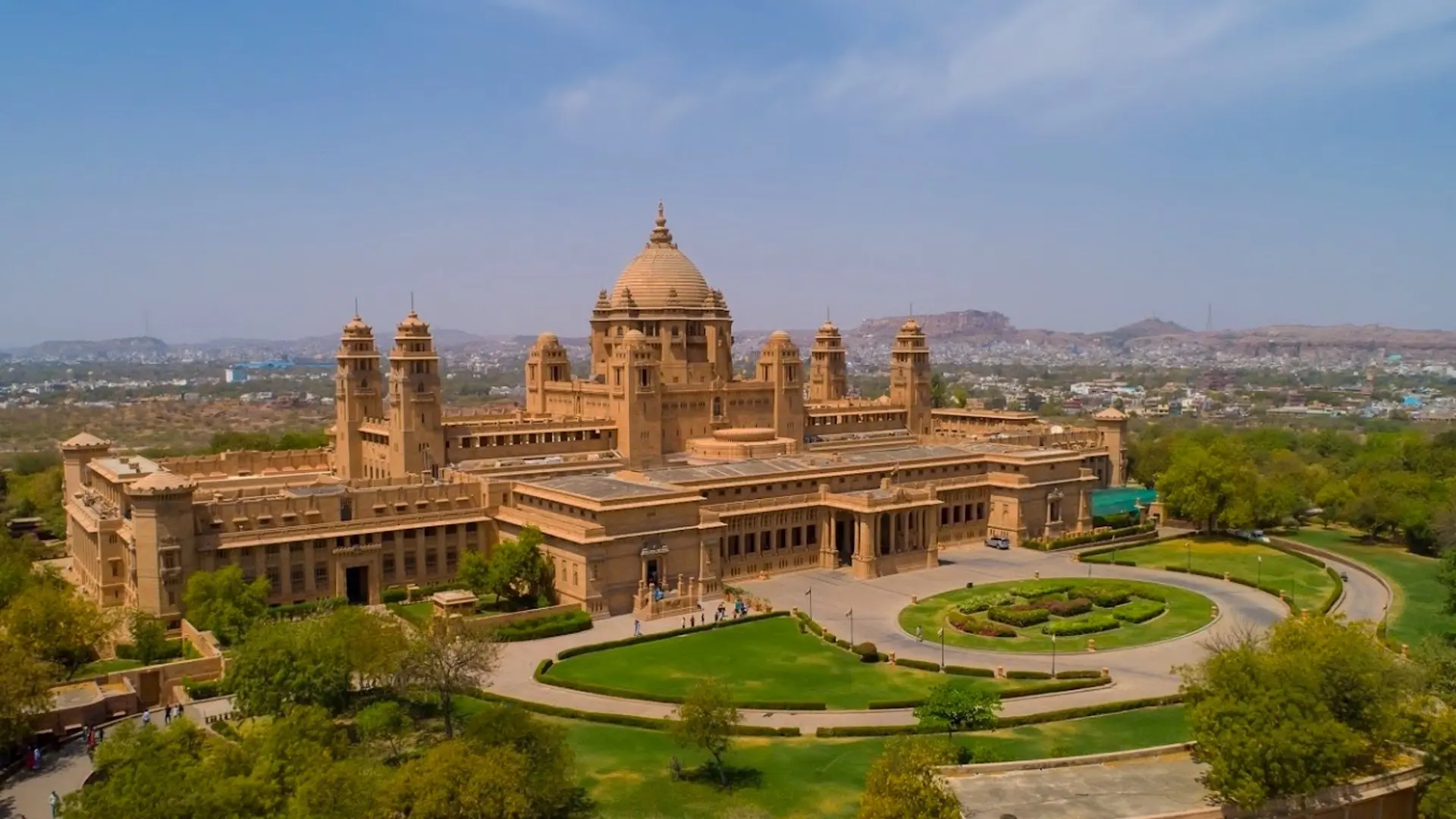
Dès octobre, la mousson s’est retirée, la poussière est retombée et la lumière devient dorée et longue. Le Taj à l’aube, les forts du Rajasthan, les backwaters du Kerala — tout est alors au plus photogénique et au plus agréable à parcourir. Les journées sont chaudes et sèches, les soirées assez fraîches pour un feu dans une cour. C’est tout simplement le moment où l’Inde est la plus belle et la plus douce à vivre.
La saison pour laquelle le calendrier a été conçu
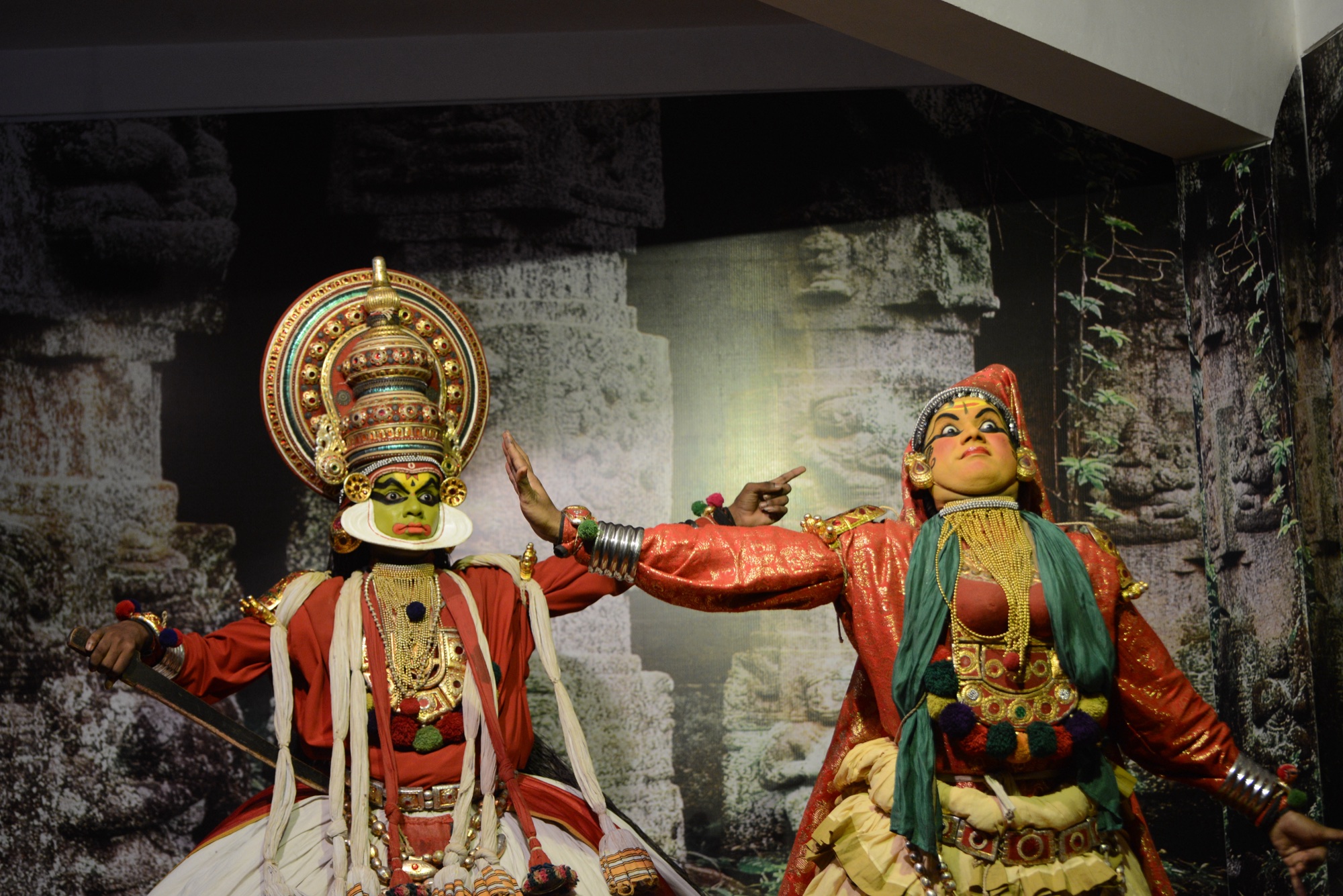
L’hiver est aussi le moment où la vie culturelle indienne joue à plein volume. Diwali illumine le pays entier à la fin de l’automne ; la foire aux chameaux de Pushkar remplit le désert ; la saison des mariages remplit les palais ; Noël et le Nouvel An mettent Goa et le Kerala en fête. C’est aussi le pic de la saison animalière — les tigres de Ranthambore et les lions du Gir n’ont jamais été aussi visibles, à mesure que le couvert s’éclaircit et que les animaux se rassemblent près des points d’eau. Aucune autre fenêtre ne concentre autant en si peu de mois.
Pourquoi c’est maintenant qu’il faut préparer ce voyage
Voici la vérité pratique qui se cache sous la promesse : le meilleur de la saison est en quantité limitée, et il est réservé tôt. La poignée de chambres qui font face au Taj, les suites donnant sur le lac à Udaipur, les camps de tentes de Pushkar, les créneaux de safari les plus prisés — tout cela se remplit des mois à l’avance, et les plus belles dates partent en premier. Les voyageurs qui vivent l’hiver indien dans les meilleures conditions sont, à de très rares exceptions près, ceux qui ont pris leur décision à la fin de l’été ou au début de l’automne.
Le constat n’est donc pas seulement que l’Inde en hiver est le secret le mieux gardé du voyage. C’est que ce secret se garde, en pratique, par l’anticipation — et le moment d’anticiper est précisément celui où nous sommes.
Questions, réponses
Quelle est la meilleure période pour visiter l’Inde ?
D’octobre à mars — l’hiver indien — est la meilleure période pour l’essentiel du pays : des journées sèches, claires et tempérées, idéales pour les visites, la portion la plus riche du calendrier des fêtes et le pic de l’observation animalière. D’avril à juin, il fait chaud ; la mousson s’étend grosso modo de juin à septembre.
L’hiver est-il une bonne période pour voyager en Inde ?
C’est la meilleure. La mousson s’est retirée, la lumière est dorée, les journées sont chaudes et sèches et les soirées fraîches, et la saison porte Diwali, la foire de Pushkar, Noël et le Nouvel An, ainsi que le pic des safaris tigre et lion.
Combien de temps à l’avance faut-il préparer un voyage d’hiver en Inde ?
Le plus tôt possible. Les plus belles chambres — suites face au Taj, palais sur les lacs, camps du désert — ainsi que les meilleurs créneaux de safari et les dates de festivals se remplissent des mois à l’avance : les plus beaux voyages d’hiver se préparent généralement à la fin de l’été et au début de l’automne.
Quelles fêtes ont lieu en Inde en hiver ?
Diwali (octobre-novembre), la foire aux chameaux de Pushkar (octobre-novembre), la saison des mariages tout au long de l’hiver, ainsi que les célébrations de Noël et du Nouvel An, en particulier à Goa et au Kerala — suivies du Desert Festival de Jaisalmer et d’autres en début d’année.
Les voyages qui vous y emmènent

À lire ensuite