Foto di apertura: Placeholder — wants photography from one of our own rail legs
India runs one of the largest railway networks in the world and a domestic air network that has grown around a handful of very large hubs. Between them and the road, almost every itinerary in the country is a choice among three modes — and most visitors make that choice badly, usually by defaulting to whichever one their operator finds easiest to book.
The road case is made properly elsewhere; our piece on travelling with a car and driver covers when overland is right and what it costs. This one is about the other two, which are less intuitive and where the money and the mistakes are.
The classes on an Indian train
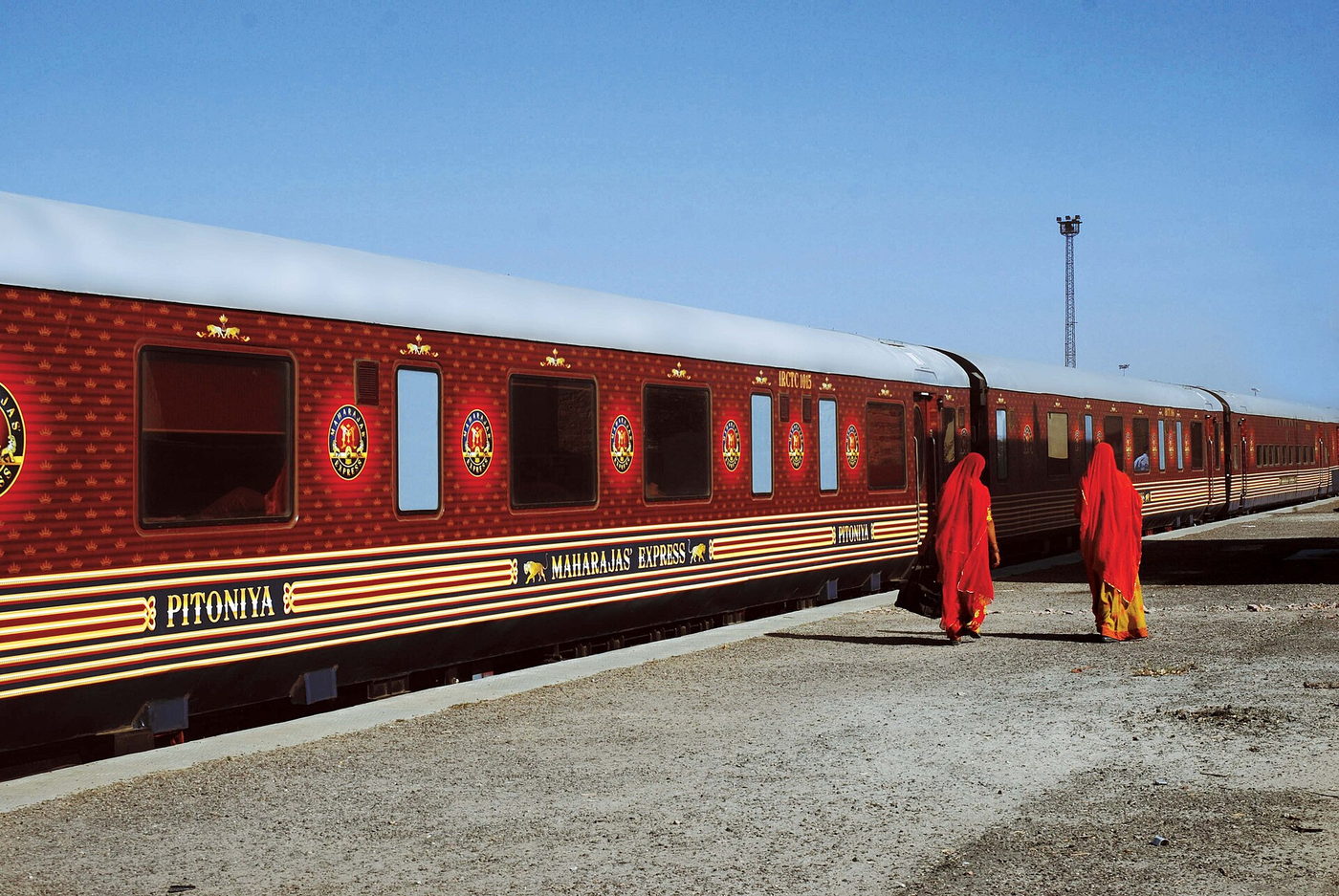
The lettering is the first obstacle and it is simpler than it looks. On overnight trains, 1A is first-class air-conditioned: two- and four-berth lockable cabins, the most private thing on the network and the closest to what a European traveller imagines a sleeper to be. 2A is air-conditioned two-tier — open bays of four plus two side berths, with curtains and a good deal of space. 3A is the same arrangement with three berths stacked instead of two: perfectly comfortable, markedly busier, and the class most Indian business travellers actually use.
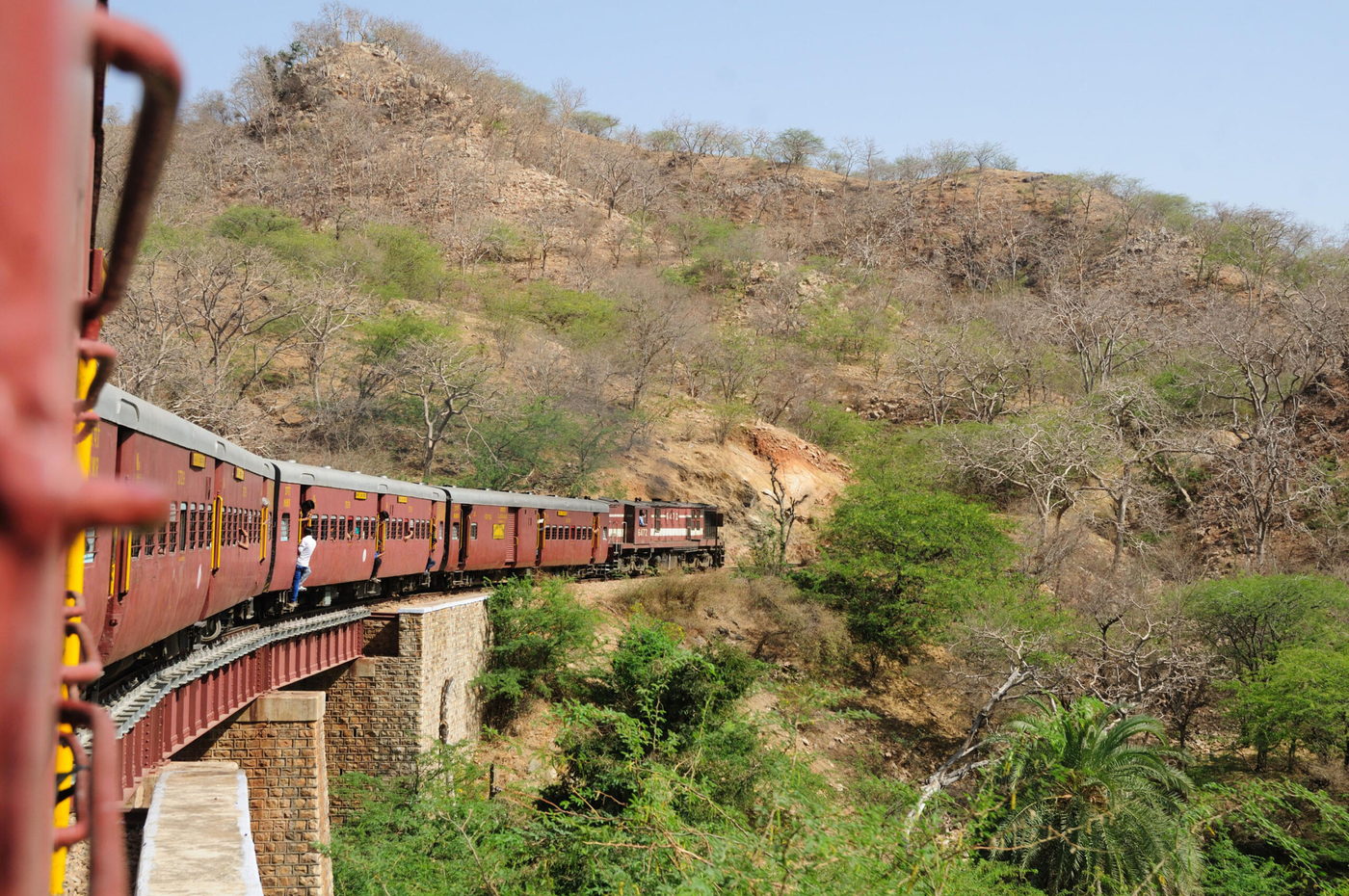
Sleeper class, SL, is non-air-conditioned with open windows and nine berths to a bay. It is not unsafe and for a short daylight leg it is one of the more sociable ways to travel in India. For an overnight journey in May it is not a holiday, and it is worth being clear-eyed about that rather than romantic.
On day trains the classes are different: EC is executive chair car, CC is air-conditioned chair car. The newer fast intercity services are chair-car trains, and for a four- or five-hour daylight hop between major cities they are frequently the best option in the country — faster than the road, no airport procedure at either end, and arriving in the middle of a city rather than forty kilometres outside it.
The booking window, and why people miss trains that exist
The general advance reservation period is 60 days. That is the point at which bookings open for a given date, and on the popular routes — and around any festival — the good classes go quickly. The single most common planning error is assuming that because a train runs daily, a berth will be available whenever you get round to it.
Waitlists are a real system rather than a polite fiction: tickets clear as cancellations come through, and a low waitlist number on a long-distance train very often confirms. But a confirmed booking is a confirmed booking, and for a leg your itinerary depends on, the waitlist is not where you want to be.
Tatkal, the emergency quota released shortly before departure, exists and works, at a premium and with no certainty. It is a recovery mechanism, not a plan.
The foreign tourist quota
This is the genuinely useful thing that almost no visitor knows about. Indian Railways holds a Foreign Tourist quota for foreign passport holders, including NRIs, and it can be booked up to 365 days in advance — an entire year, against a general window of sixty days.
It covers the classes a visitor would actually want: executive chair car, first AC, 2AC, 3AC, AC chair car, sleeper and second sitting. Booking is done through the IRCTC eTicketing site under the Foreign Tourist ticket option, needs the valid passport number of each passenger at the time of booking and a verified international mobile number on the profile, and can be paid with an international debit or credit card. There is a service charge of ₹200 plus GST per ticket on top of the fare.
For anyone planning a trip around a specific train on a specific date — the fast morning service between two cities, a particular overnight leg that makes an itinerary work — this quota is the difference between building the trip you want and taking what is left.
How the air network is actually shaped
Domestic aviation in India is hub-and-spoke, and the hubs are few. Delhi, Mumbai and Bengaluru carry the overwhelming majority of connections, with Hyderabad, Chennai and Kolkata behind them. What follows from that is the single most useful fact about flying in India: the direct flight you assume exists between two secondary cities frequently does not, and the routing goes back through a hub.
This has real consequences for itinerary design. A hop that looks like an hour on a map can be a five-hour day once you count the connection, the transfer and the airport procedure at both ends. It is why a good itinerary tends to alternate — a hub city, then a region covered by road, then back through the hub — rather than zig-zagging between secondary airports.
Two practical notes. Domestic terminals are often physically separate from international ones at the same airport, and the transfer between them can be long enough to matter on a same-day connection; build in real time for it. And winter fog in the north genuinely disrupts the Delhi morning schedule, most acutely in late December and January — an early departure out of Delhi in midwinter is the flight most worth having slack behind.
Choosing between them
The rule of thumb that holds up: over roughly 500 kilometres, fly. Under it, the road usually wins once airport procedure is counted, and it lets you stop at the things a flight passes over. The exception in both directions is the fast day train, which beats both on the classic intercity pairs.
The other exception is the journey that is the point rather than the means. An overnight in a 1A cabin, or one of the heritage narrow-gauge hill lines, is not a way of covering distance efficiently — it is a thing you came to do. Those belong in an itinerary on their own merits, and they are worth the day they cost.
What does not work is picking one mode and defending it. A well-built fortnight in India usually uses all three.
Domande, con risposta
How far in advance can you book Indian train tickets?
The general advance reservation period is 60 days. Foreign passport holders, including NRIs, can book under the Foreign Tourist quota up to 365 days in advance through IRCTC, which is considerably more useful for anyone planning a trip around a specific train on a specific date.
What is the foreign tourist quota on Indian Railways?
A quota reserved for foreign passport holders and NRIs, bookable up to a year ahead via the Foreign Tourist ticket option on the IRCTC site. It covers EC, 1A, 2A, 3A, CC, sleeper and second sitting, requires each passenger's valid passport number at booking and a verified international mobile number, accepts international cards, and carries a service charge of ₹200 plus GST per ticket.
Which class should I book on an Indian train?
For an overnight journey, 2A is the sensible default — curtained open bays with good space — and 1A is worth the premium when the journey itself is part of the trip, since it gives you a lockable two- or four-berth cabin. For daytime intercity hops, the executive or standard chair cars on the fast services are frequently better than flying.
Is it better to fly or take the train in India?
Over roughly 500 kilometres, fly. Under that, the road or a fast day train usually wins once airport procedure at both ends is counted — and a chair-car service drops you in the centre of a city rather than forty kilometres outside it. Overnight sleepers and the heritage hill lines are worth taking for their own sake rather than for speed.
Are there direct flights between smaller Indian cities?
Often not. Indian domestic aviation is hub-and-spoke around Delhi, Mumbai and Bengaluru, so a route between two secondary cities frequently connects back through a hub, turning what looks like an hour into most of a day. It is worth checking the actual routing before an itinerary assumes a direct hop.
Does fog affect flights in India?
Yes, in the north, and it is worth planning around. Winter fog disrupts the Delhi morning schedule most acutely in late December and January. An early departure from Delhi in midwinter is the flight to leave the most slack behind.
I viaggi che la portano lì

Da leggere dopo