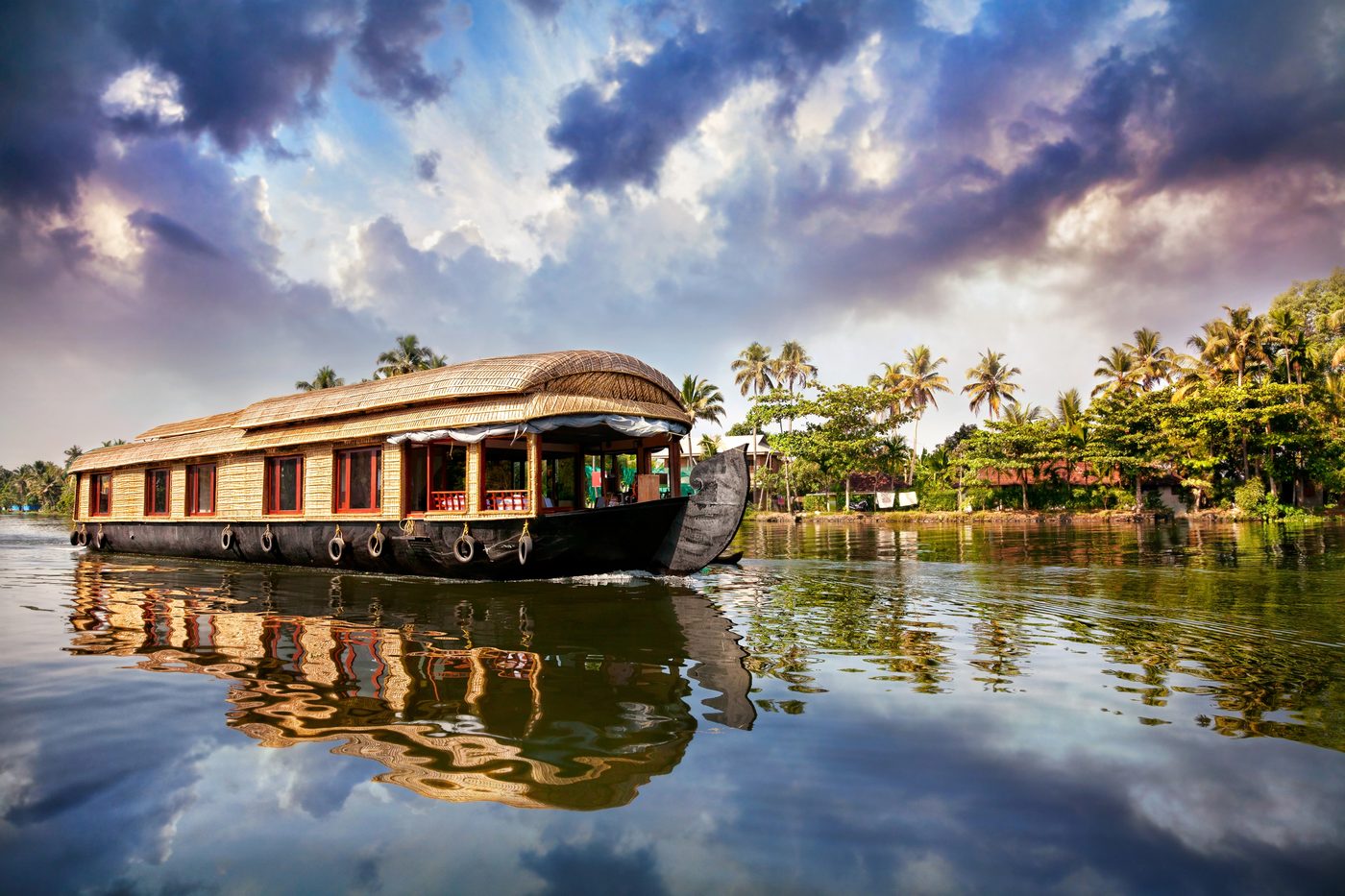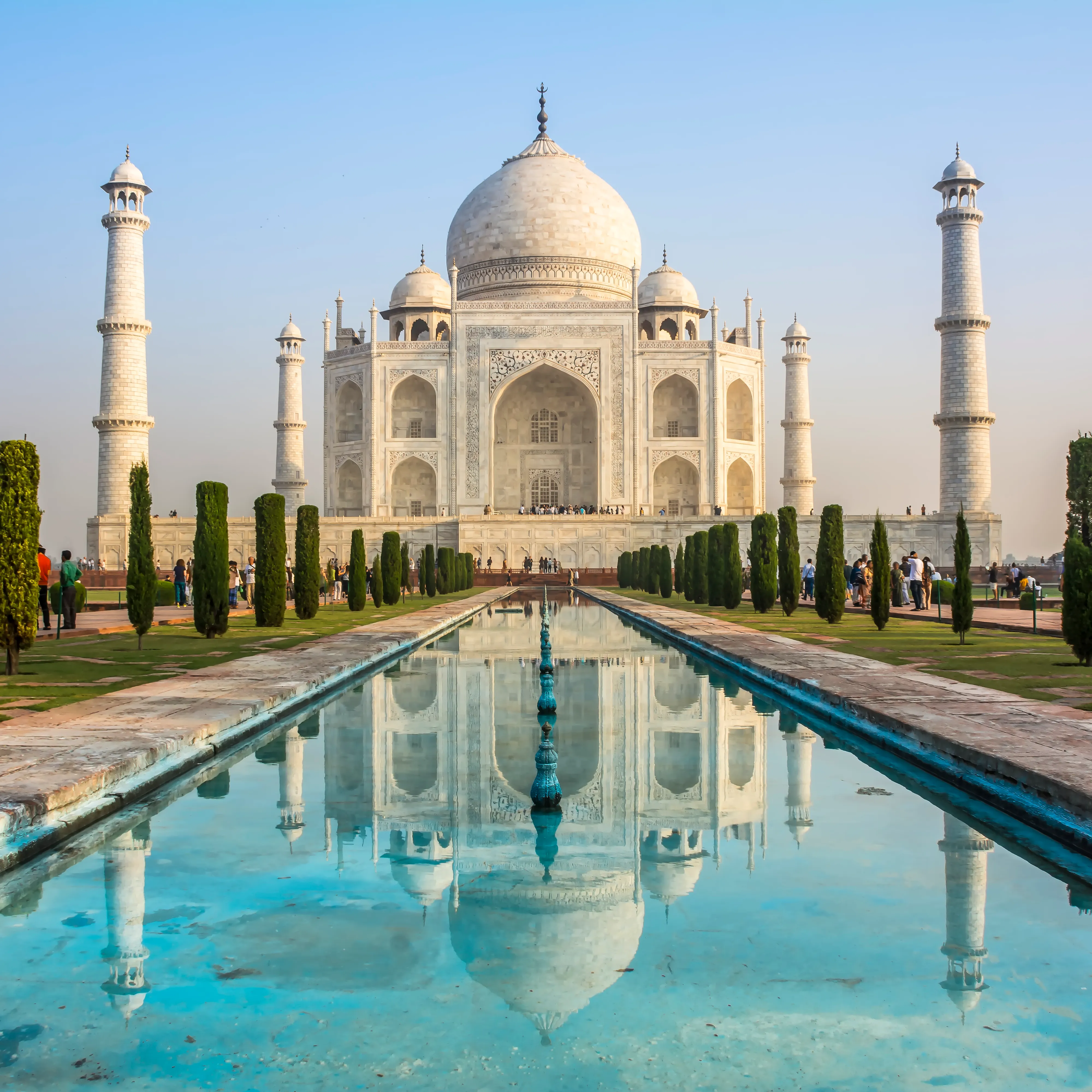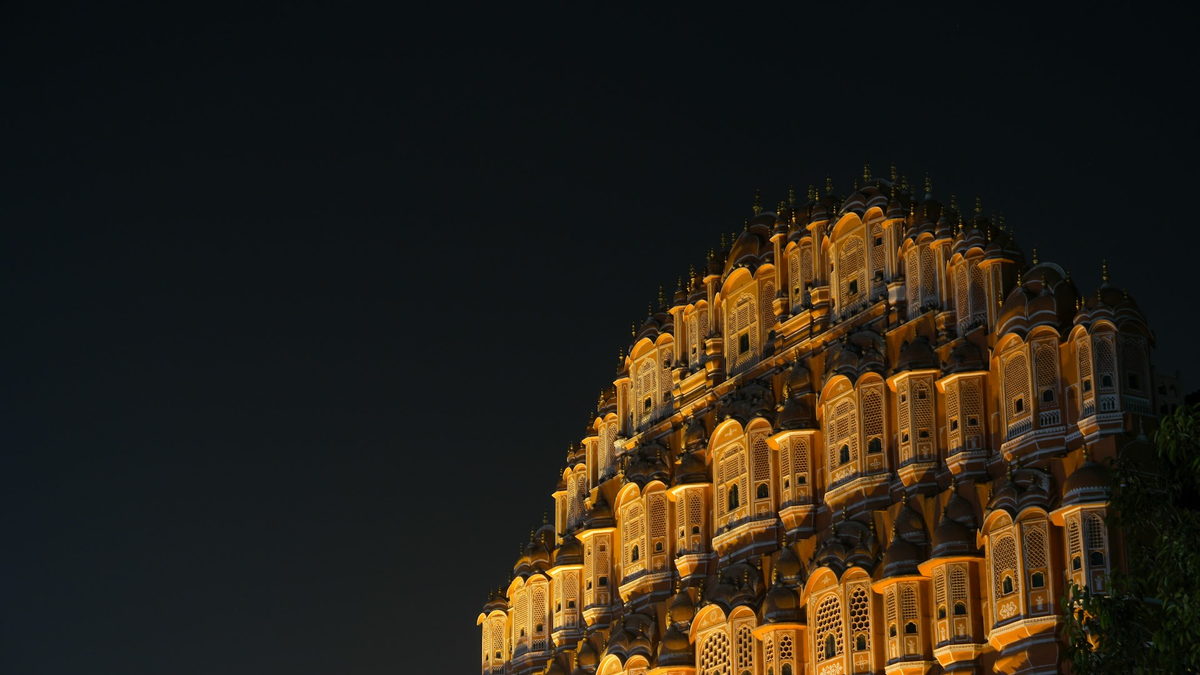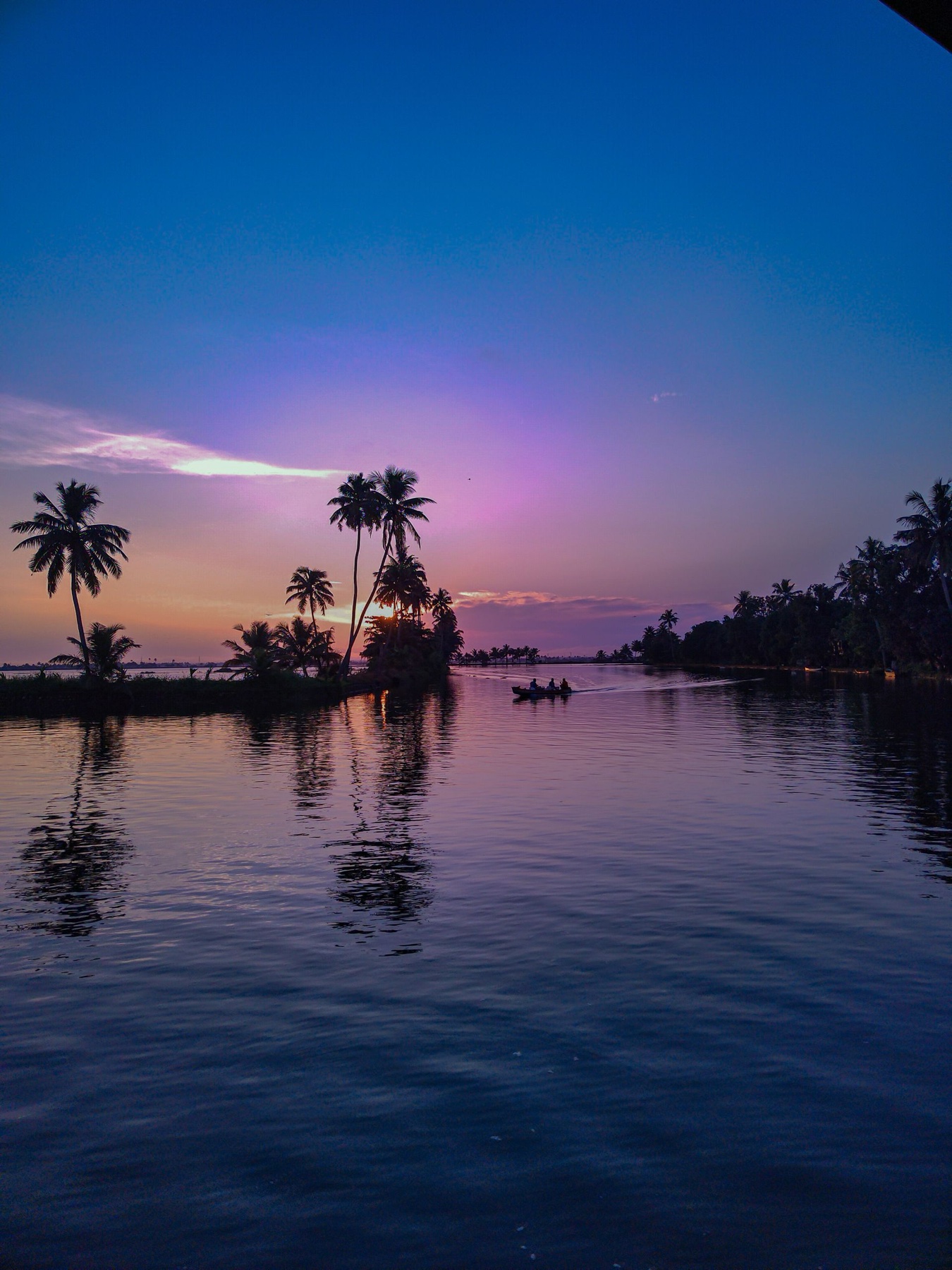
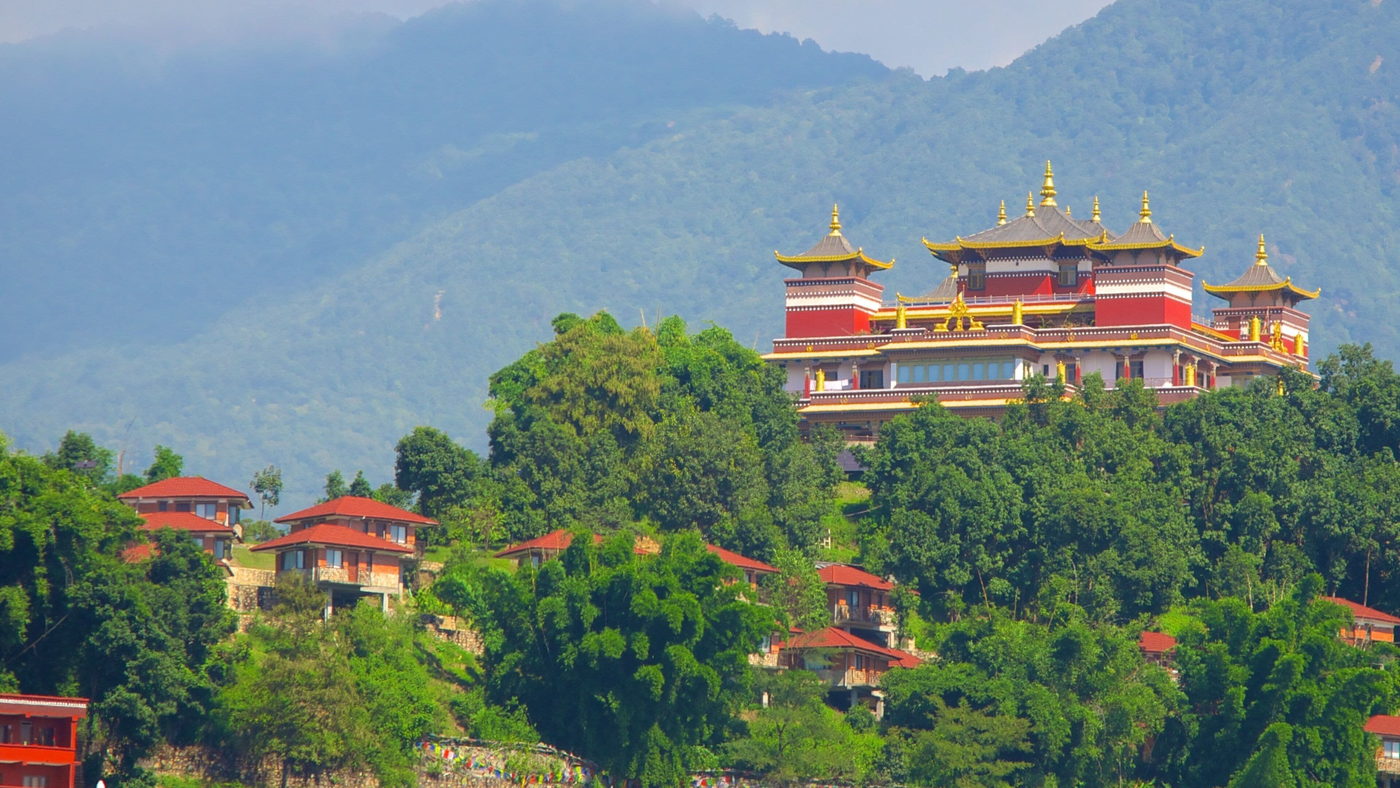
October is not quite the monsoon and not yet the season, which is exactly why it is interesting. The rains pull back across the country unevenly — Rajasthan and the north are usually dry by the first week, central India shortly after, the far south considerably later — and for a few weeks India is green in a way it will not be again until next August, while the weather is already good enough to travel comfortably.
The light
Photographers know this and most other visitors do not. After the rains have washed the air, visibility and colour across northern India are the best they will be all year — before winter's temperature inversions settle dust and smoke over the plains from about mid-November. If a journey is being built around photography, October and early November are the strongest weeks in the calendar.
The parks reopen
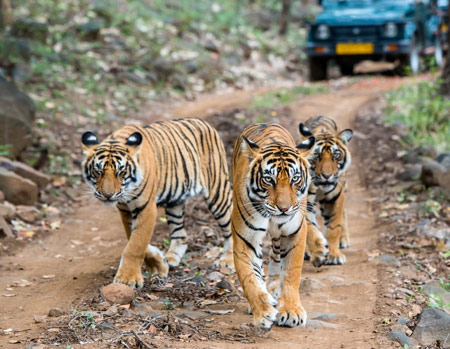
Most of the major tiger reserves close for the monsoon and reopen around the start of October. Early-season game viewing is a different proposition from the dry months — the grass is high and the animals are dispersed because water is everywhere, so sightings take more patience. The compensation is a landscape that looks nothing like the dusty scrub of April, and very few other vehicles.
The festivals arrive
October is when the calendar opens. Navratri and Dussehra usually fall within it, and Diwali lands in October or November depending on the year — in 2026 it is 8 November, just past the edge. Travelling in October increasingly means travelling alongside domestic holidaymakers, which affects trains and popular hill stations more than it affects private itineraries.
The trade
October gives you green landscapes, superb light, fewer international visitors and lower rates than December. It takes back some reliability: a late monsoon can extend into the first half of the month, humidity lingers in the south and east, and the coast is not yet dependable. For a second or third visit to India — someone who has done the dry-season Golden Triangle and wants a different country — it is an excellent choice.
Questions, Answered
Is October a good time to visit India?
Yes, particularly in the north and centre. The monsoon has usually withdrawn, the landscape is still green, the light and air are the clearest of the year, and rates sit below the December peak. The south stays wetter for longer.
Has the monsoon finished by October in India?
In most of the north, yes — usually by the first week. Central India follows shortly after. The far south and the east clear later, and parts of Tamil Nadu receive a separate northeast monsoon around October and November.
Are tiger parks open in October?
Most of the major reserves reopen around the start of October after the monsoon closure. Early-season sightings can be harder because water is plentiful and vegetation is high, but the parks are green and very quiet.
What festivals happen in India in October?
Navratri and Dussehra usually fall in October. Diwali falls in October or November depending on the year — in 2026 it is on 8 November.
Is October cheaper than December in India?
Generally yes. October sits in the shoulder between monsoon and peak season, so rates at most properties are meaningfully below the December and January peak.
Journeys That Take You There
Read Next