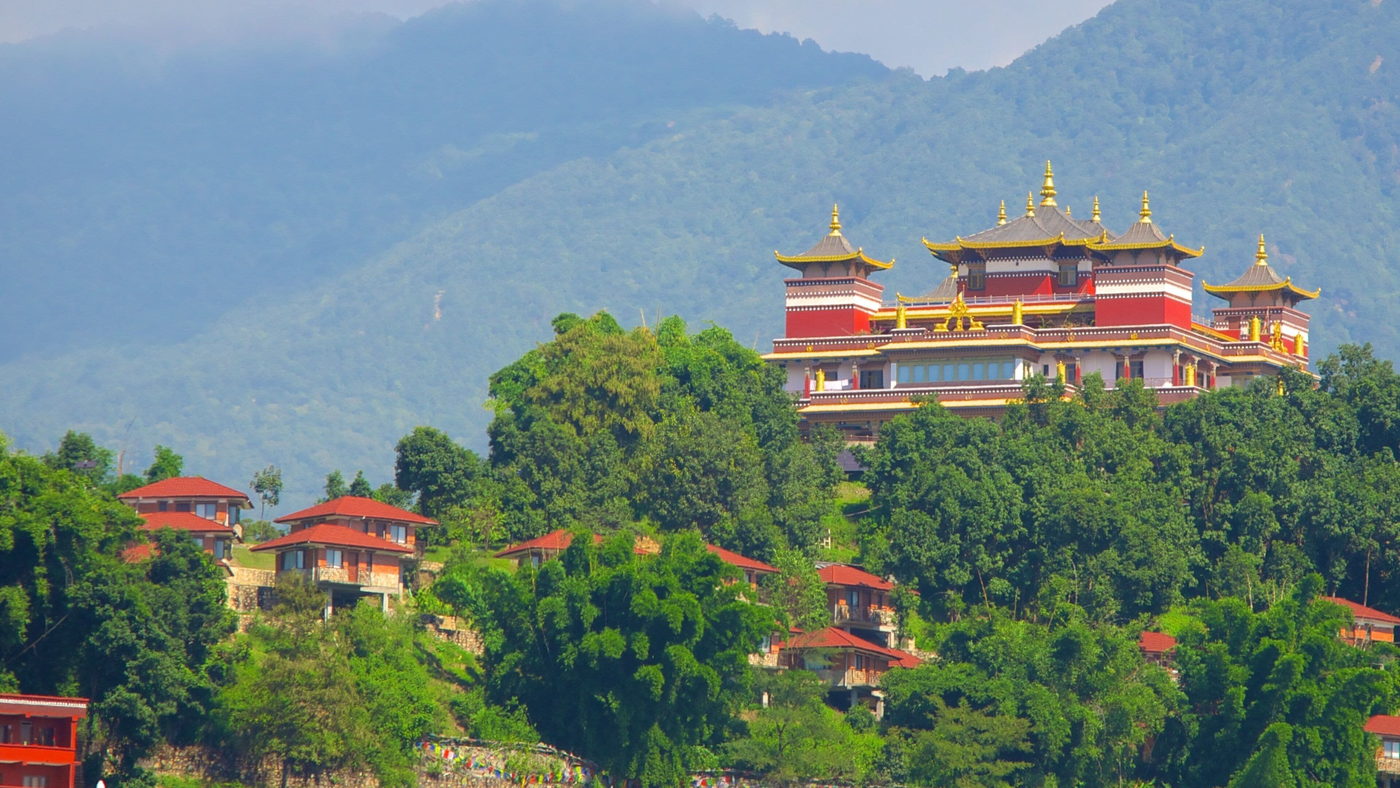
Hero photograph: McKay Savage / Wikimedia Commons (CC BY 2.0)
Hotels are between half and two-thirds of the bill and are the one component you can price yourself in five minutes. Check that line first. Everything else — guiding, vehicles, monument fees, internal flights — is smaller than people expect and varies far less between operators.
| Component | Roughly what it is | How much it varies |
|---|---|---|
| Hotels and room category | Half to two-thirds of the total on most itineraries | Enormously — a heritage hotel and a palace suite are different orders of magnitude |
| Private car and chauffeur | A day rate, continuous through the journey | Little between serious operators; the difference is whose vehicle and whose driver |
| Guides | A day rate per city, where you want one | Little — but a specialist costs more than a generalist, and is worth it |
| Monument fees and permits | Fixed, published, per person | None. These are government rates |
| Internal flights | Per sector, per person | Moderate, and bookable early for less |
| Rare access | Private openings, a fort dinner, a particular naturalist | The genuinely variable line, and the one worth spending on |
Almost every answer to this question is a band — a dollar figure per person per day, offered without saying what hotel tier it assumes or what it excludes. A band is unfalsifiable. It cannot be checked, argued with, or compared against another quotation, which is precisely why it is the format the industry prefers.
The useful version of this answer is not a number. It is a breakdown of what a journey is actually made of, which components are publicly priced, and which single line moves the total more than everything else combined. With that, you can read any quotation — ours or anyone's — and know whether it is honest.
Which component actually decides the total?
Accommodation, and it is not close. On most well-composed itineraries the hotels are somewhere between half and two-thirds of the bill, and the gap between the tiers is far wider than anything else in the journey. A fine heritage hotel and a lake-facing suite at a marquee palace are not adjacent prices; they are different arithmetic.
This matters more than it sounds, because it is the one major component you can verify yourself. Every property a serious operator uses is publicly bookable. If a quotation names the hotel and the room category — and it should — you can open the hotel's own site, price the same room on the same dates, and see what the rest of the journey is costing you. Five minutes of arithmetic tells you more than any amount of brochure language.
It follows that the most useful question to put to anyone quoting you is not "can you do it cheaper". It is: "what changes if we move down one hotel category in two cities?" A straight answer tells you both the number and how the operator thinks.
What is fixed, and cannot be negotiated by anyone?
Monument and park fees are set by government and published. The Taj Mahal charges a foreign visitor ₹1,100, with a further ₹200 to step inside the mausoleum itself — the rates the Archaeological Survey publishes on the monument's own site. It is closed on Fridays, and there is no ticket that changes that. Reserve permits, camera fees and the rest work the same way.
These lines are small against the total, but they are a useful integrity check. An itemised quotation states them; a vague one folds them into a single figure. Neither is fraud, but only one of them lets you see what you are buying.
Where does spending more genuinely change the trip?
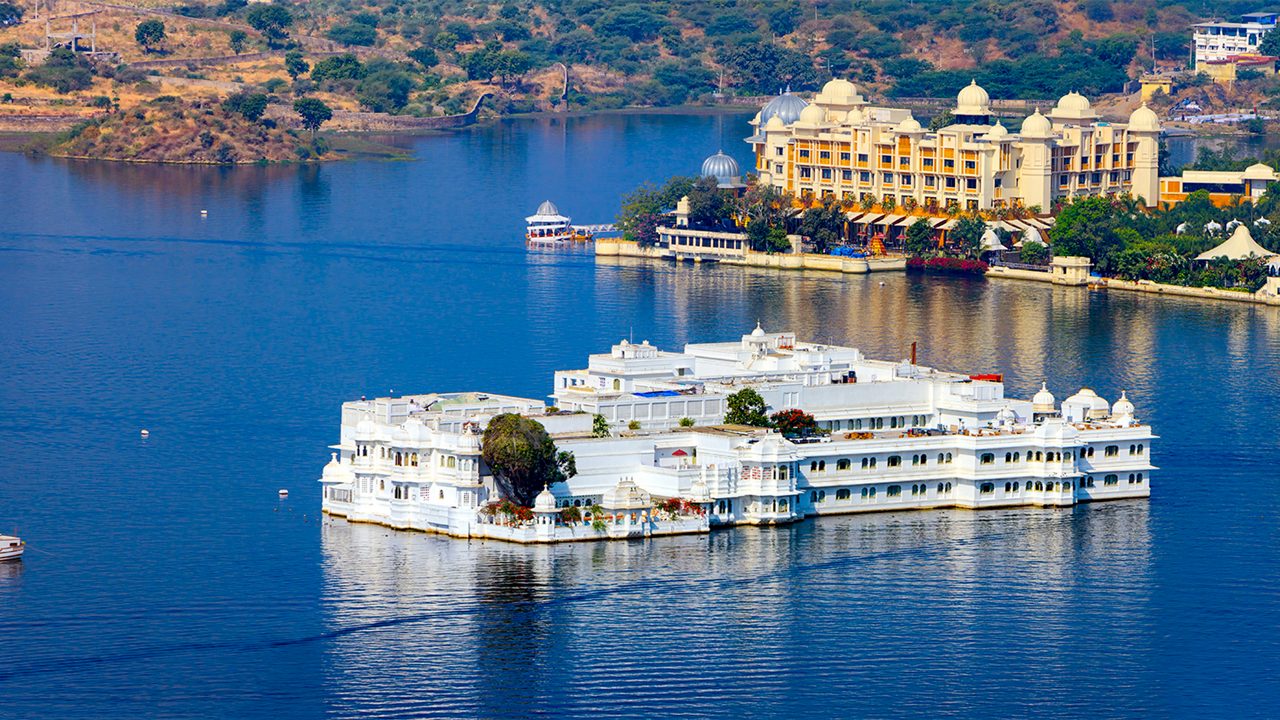
Three places, in our experience. The first is the room, but only sometimes — a lake-facing room at Udaipur or a Taj-view room at Agra earns its premium because the view is the reason you came; an upgrade at a city business hotel you will see at breakfast does not.
The second is the naturalistNaturalistThe trained wildlife guide who accompanies guests on safari, reading tracks, alarm calls and behaviour to find animals.Read in the glossary, at a wildlife reserve. The difference between a good one and an ordinary one is the difference between a sighting and a drive, and it costs a fraction of what the lodge does. It is the most under-bought line in Indian travel.
The third is time. Two nights where the itinerary offered one is usually cheaper than adding another city, and almost always improves the journey. Pace is the rare lever that can move cost down and quality up at once.
Where does spending more change nothing you will notice?
Vehicles, past a point. An immaculate sedan with a chauffeur who has driven the route for fifteen years is the thing that matters; the badge on the bonnet is not, and you will spend the drive looking out of the window in either case.
Ultra-short internal flights, where the check-in and transfer time exceeds the drive. And a guide in every city on every day — a superb guide for eight hours a day is exhausting, and half-days, well chosen, beat full ones on most itineraries. We will say so when we think it applies to yours.
What should a quotation look like?
Itemised, and specific enough to be checked. Hotels by name and room category, not "five star" or "deluxe". Whether the vehicle and guide are exclusively yours or shared. Which meals are included. Which monument fees and permits sit outside the figure. A single per-person number with none of that underneath it is concealing its own substitutions, and the three most common are a lower room category than implied, guides shared with another party, and commission-earning shopping stops built into the days.
Unusually low pricing in Indian luxury travel almost always resolves into one of those three. None of them appears in the headline figure; all of them are visible in the itemisation.
So what will it cost?
Honestly: we do not know until we know the hotels, the season and the shape. What we will not do is quote you a per-day band to get the conversation started, because that number is meaningless until those things are decided, and it exists mainly to anchor you.
What you get instead is an itemised proposal after a proper conversation — named properties, stated room categories, what is included and what is not — and a straight answer when we think a spend is not worth making. If a route you have asked for is the wrong shape for what you want from India, we would rather say so before you pay a deposit than after.
Questions, Answered
How much does a luxury India trip cost per person?
It depends almost entirely on hotel tier, which is typically half to two-thirds of the total. A per-person-per-day band is not a useful answer without knowing what accommodation it assumes and what it excludes. The practical approach is to have the itinerary quoted with hotels named by room category, then price those rooms yourself on the hotel's own site — that tells you what the rest of the journey costs and whether the quotation is honest.
What drives the cost of a bespoke India journey?
Accommodation first and by a wide margin, then length, then season — October to March is peak, with Christmas and New Year the tightest and dearest. Private vehicles, guides, internal flights and monument fees are smaller than most travellers expect and vary much less between serious operators. Rare access — a private opening, a particular naturalist — is the genuinely variable line.
How much is the Taj Mahal entry fee for foreign visitors?
₹1,100 for a foreign national, plus a further ₹200 to enter the main mausoleum, per the Archaeological Survey's published rates. The monument is closed on Fridays. Children under 15 enter free. These are government rates and no operator can change them — which makes them a useful check on whether a quotation itemises honestly.
Where is it worth spending more on an India trip?
The room where the view is the reason you came — lake-facing at Udaipur, Taj-view at Agra. The naturalist at a wildlife reserve, which costs a fraction of the lodge and decides whether you have a sighting or a drive. And time: two nights where the itinerary offered one usually costs less than adding a city and improves the journey more.
What is included in the price of a bespoke India journey?
Typically accommodation, private air-conditioned vehicles and chauffeurs, government-licensed guides, internal flights and rail where the route needs them, monument fees, and a concierge running the journey end to end. What should always be stated explicitly is what is excluded. Elevated India itemises both before anything is committed.
Journeys That Take You There
Read Next