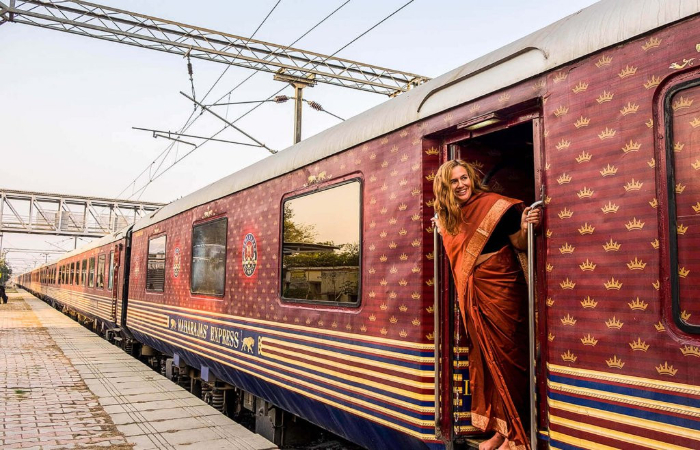
The packaged tour was a good invention. In an era before the internet, when an overseas traveller had no reliable way to assess a hotel, a road, or a guide on the far side of the world, buying a sealed unit from a company that had already checked was entirely rational. The fixed departure removed information scarcity and logistical risk, and it opened international travel to a great many people who would otherwise never have gone.
That problem no longer exists in the same form. The information is abundant now. What persists is the format — and formats outlive the problems that produced them.
What a fixed departure optimises for
It is worth being honest about the incentives. A fixed itinerary exists to be filled. Its dates are set by the operator's calendar, its route by what can be bought in bulk, its pace by what keeps a coach moving efficiently between contracted properties. Every one of those decisions is a legitimate business decision, and not one of them is made with reference to the individual traveller's tastes, energy or interests.
Sometimes that alignment happens to work. Often it produces the specific modern complaint — that a person spent a fortnight somewhere extraordinary and came home with photographs of the same nine places everybody else photographs, having never had an afternoon that was theirs.
Why more choice is not the answer
The obvious correction — hand the traveller a configurator and let them build it themselves — trades one failure for another. Someone who has never been to India is not well placed to know that two nights in Jodhpur is right and one is not, that the drive they are contemplating is four hours longer than the map suggests, or that the famous hotel's ordinary room is a worse night than a small property's best one.
Unlimited choice without ground knowledge produces anxiety and, usually, a worse itinerary than the package would have been. The problem was never the amount of choice. It was who was making it, and on what basis.
Composition, not configuration
The alternative we argue for is older than both: someone who knows the ground listens carefully, then composes. Not a menu, and not a sealed unit — a conversation that establishes what the traveller actually responds to, followed by a route built around that, with the difficult judgements made by people who have made them many times before.
It is slower to sell and it does not scale neatly, which is why the industry mostly does not do it. It is also, for anyone whose time is genuinely scarce, the only version that reliably returns the fortnight they were hoping for.
Questions, Answered
What is wrong with a fixed-departure tour?
Nothing inherently — but it is designed to be filled efficiently, so its dates, route and pace follow the operator's economics rather than the traveller's interests. When those happen to align it works well; often it does not.
Isn't it better to plan a trip myself?
Only up to a point. Ground knowledge — how long a drive really takes, which room in a heritage property is the good one, how many nights a city actually needs — is hard to acquire remotely, and unlimited choice without it usually produces a worse itinerary than a package would have.
What does a bespoke journey actually mean?
In practice: a conversation that establishes what you respond to, then a route composed around that by people who know the ground, with the difficult judgements already made. It is neither a menu nor a sealed unit.