Planning Guides7 min readPublished August 4, 2026
No first journey divides opinion like India. Travelers return either evangelical or exhausted, and the difference is rarely the country — it is the design of the trip. India is not more difficult than other long-haul destinations; it is more concentrated. More color, more history, more humanity per square mile than anywhere on earth. The first-timer's task is not to brace against that intensity but to meter it.
Is it worth visiting? Consider what a single two-week arc delivers: the greatest building humans have made, palaces you sleep in rather than tour, wild tigers, a five-thousand-year-old living spiritual tradition, and food that will permanently reorganise your opinion of Indian restaurants at home. There is no comparable return on two weeks anywhere.
Where to go the first time
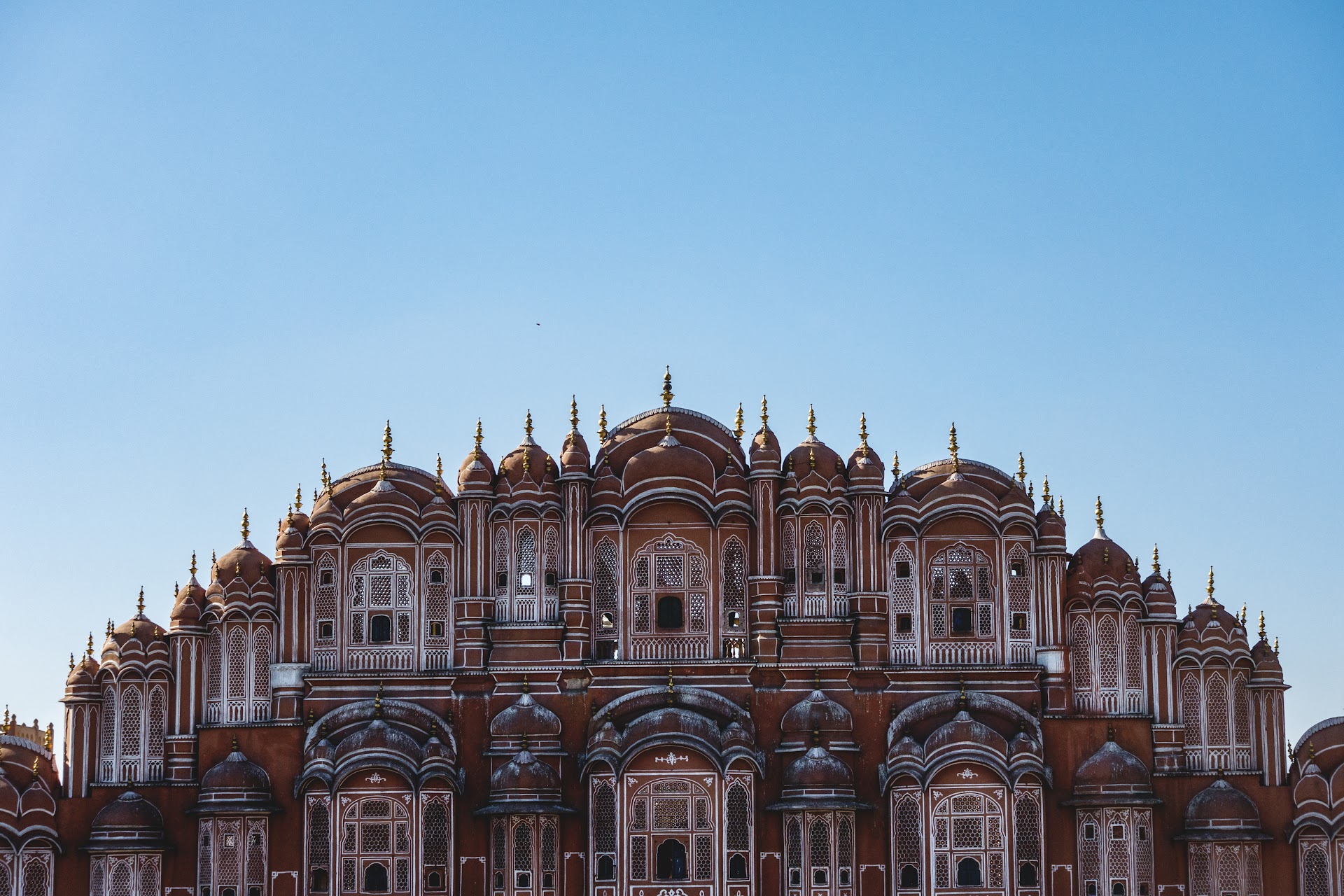
The answer has been settled by generations of travelers: begin in the north. Delhi, Agra and Jaipur — the Golden Triangle — then deeper into Rajasthan if time allows: Jodhpur's blue old city beneath Mehrangarh Fort, Udaipur's lake palaces. This circuit exists because it works: short distances, the country's densest concentration of wonders, and its deepest bench of exceptional hotels.
Resist the urge to add more. Kerala is glorious but belongs to a three-week trip or a second visit; the Himalayas are a journey of their own. One region, traveled well, will bring you back. Three regions, traveled at a gallop, will not.
What to expect — honestly
Expect contrast without cushioning: a serene palace courtyard and, twenty meters beyond its gate, the full theatre of the Indian street. Expect to be looked at with open curiosity, which is nearly always friendliness rather than threat. Expect traffic that appears lawless and functions anyway. Expect the first thirty-six hours to feel like too much — everyone's do — and expect the moment, usually on day three, when the volume becomes music.
The practical tips that matter for Americans: drink bottled or filtered water only, ease into street food through your hotel's or guide's recommendations, dress a shade more modestly than at home, carry small bills, and treat touts and 'helpful strangers' at monuments with cheerful indifference. A good private guide renders most of this moot — which is the single best argument for having one.
Begin Properly
Let a curator sketch your India
A few short questions — who is traveling, what draws you, how you like to move — and we reply with a first sketch of the journey we would design for you. No commitment; just a considered starting point.
Begin Your Private EnquiryQuestions, Answered
Where should I go on my first trip to India?
The classic first route is Delhi, Agra and Jaipur — the Golden Triangle — extended into Rajasthan (Jodhpur, Udaipur) with more time. It offers India's densest concentration of sights, short travel distances and the country's best hotels.
Is India worth visiting?
Few destinations return as much per day: the Taj Mahal, palace hotels you actually stay in, wild tigers, living spiritual traditions and remarkable food, all inside a two-week journey. First-timers who pace the trip properly overwhelmingly return.
Is India hard to travel for Americans?
With a private driver, good hotels and a designed route, India is straightforward — the challenges are sensory rather than logistical. Independent backpacking is harder work; a well-planned private journey is not.
How many days do you need for a first India trip?
Ten days minimum, two weeks ideally. That allows Delhi, Agra and two or three Rajasthan cities at a civilised pace of two nights per stop, with one longer pause mid-journey.
What should first-timers avoid in India?
Overpacking the route. One city per day, three regions in two weeks, or a different hotel every night guarantees exhaustion. India rewards depth over coverage more than any destination we know.
From the Journal
Journeys That Answer This