Planning Guides8 min readPublished August 4, 2026
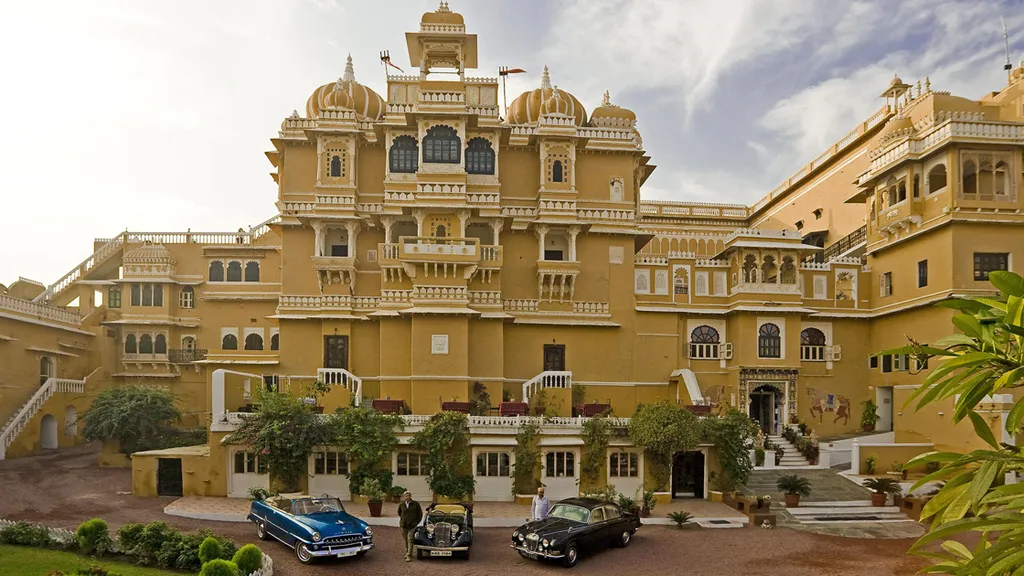
India is the only country on earth where 'palace hotel' is a literal description. The maharajasMaharajaA ruling Indian prince — literally 'great king'; a maharani is his queen, or a princess ruling in her own right.Read in the glossary' twentieth-century reckoning with taxation produced hospitality's greatest windfall: actual royal residences — moated, muraled, peacock-patrolled — converted into hotels where the suite you sleep in hosted viceroys and the man polishing the brass is the third generation of his family to do it. No other destination lets you inhabit its history this way for the price of a good city hotel elsewhere.
The layer beneath the famous names matters just as much: several hundred heritage properties — fort hotels, merchant havelisHaveliA traditional townhouse or mansion built around one or more internal courtyards.Read in the glossary, rural garh estates still owned by the families that built them — where dinner may come with the Thakur's own stories. A great India itinerary braids both: legend hotels at the marquee stops, living heritage in between.
The houses: Oberoi, Taj and the independents
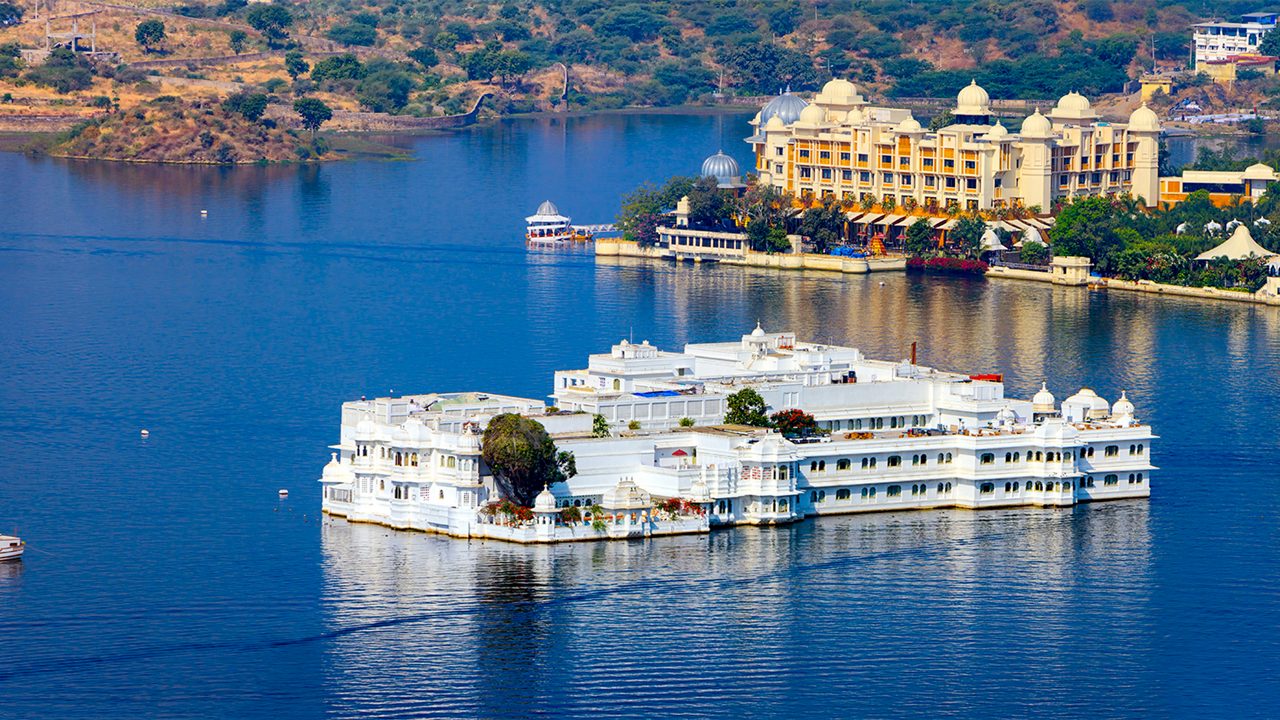
The Oberoi–Taj question is India's Rolls-versus-Bentley, and the honest answer has a shape: Oberoi runs the most flawless service machine in world hospitality — its Rajasthan trio of purpose-built palaces deliver a consistency approaching the eerie — while Taj holds the irreplaceable buildings: the Mumbai icon by the Gateway, the lake palace of Udaipur, grand dames a century old. Perfectionists lean Oberoi; romantics lean Taj; our itineraries usually refuse the choice and use both, adding the third force — Leela's flamboyance, RAAS's design-forward heritage conversions, and Aman's twin Indian outposts for those who require the apex.
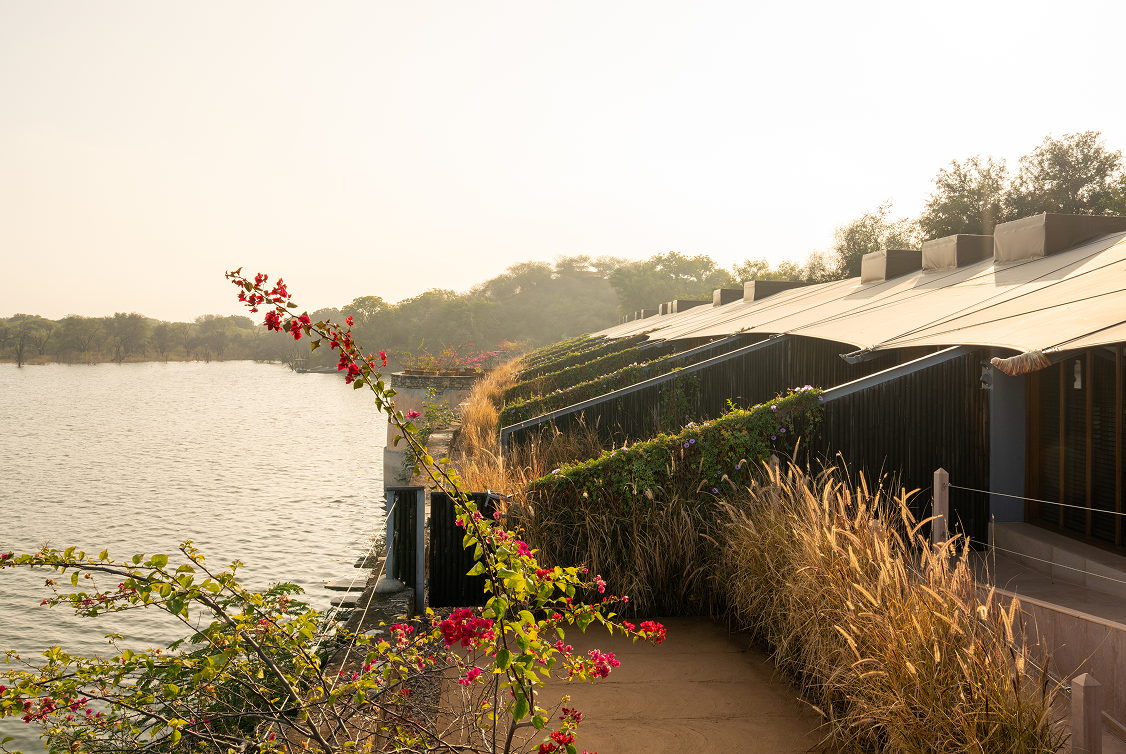
Beyond the chains lie the independents that define their towns: the great family-run forts of Jodhpur's orbit, Jaipur's aristocratic garden houses, the wilderness camps of Jawai and the safari lodges of central India — places where character outruns polish, in the best way.
Spending the budget like an insider
The allocation principle: spend where the hotel is the destination, save where it is the base camp. Udaipur and the rural fort night deserve the splurge — these are stays you will describe for years. Delhi and Agra are one-and-two-night sightseeing bases where a superb room matters less than location and breakfast hours (though Agra's premium play — a Taj-view room — is a legitimate luxury). Jaipur sits between: its palace hotels are attractions, and mid-tier heritage there is so charming that saving feels like winning too.
Book the legends four to six months out for high season — the famous lake and fort suites go first — and know the heritage caveat: four-hundred-year-old buildings have stairs, quirks and the occasional resident peacock alarm at dawn. That is not a defect; it is the product. Travelers wanting seamless modernity should weight toward Oberoi and the purpose-built; travelers wanting to sleep inside the story should take the stairs.
Begin Properly
Let a curator sketch your India
A few short questions — who is traveling, what draws you, how you like to move — and we reply with a first sketch of the journey we would design for you. No commitment; just a considered starting point.
Begin Your Private EnquiryQuestions, Answered
What are the best luxury hotels in India?
The consensus peaks: the Oberoi palaces of Rajasthan, Taj's icons in Mumbai and Udaipur, Aman's two Indian properties, and the great independent fort and lake hotels of Jaipur, Jodhpur and Udaipur — with wilderness camps like Jawai's as the connoisseur's addition.
Can you actually stay in a real palace in India?
Yes — dozens of genuine royal residences operate as hotels, from world-famous lake palaces to family-run rural forts where the owning family still hosts dinner. It remains India's most singular luxury experience.
Oberoi or Taj — which is better?
Oberoi for the most consistently flawless service in the world; Taj for irreplaceable historic buildings. Most connoisseur itineraries use both — Oberoi where it's purpose-built, Taj where the building is the point.
How much do India's palace hotels cost?
Roughly $400–900 per night for the great heritage and palace properties in season, with the legendary suites far beyond — against $150–300 for excellent boutique heritage. By global luxury standards, the value is unmatched.
Which cities deserve the hotel splurge?
Udaipur first, the rural fort or camp night second, Jaipur third. Delhi and Agra are short sightseeing bases where location beats grandeur — the classic allocation mistake is inverting this.
From the Journal
Journeys That Answer This