Planning Guides9 min readPublished August 4, 2026
Ask when to visit India and you will hear 'October to March' — true, and nearly useless. Within that window the country changes costume monthly, and the best month depends entirely on which India you are buying: fort ramparts in crisp light, a houseboat sliding through the backwaters, tigers in dry-season grass, or a festival that repaints an entire city.
Our full seasonal essay lives in the journal; this page is the planner's version — month by month, region by region, with the honest caveats.
The golden core: October to March
October reopens the country after the rains: landscapes green, air washed, hotels not yet at peak pricing — and festival season crests, with Diwali lighting every city (early November in 2026). November is arguably Rajasthan's finest month, warm days and cool evenings, with the Pushkar Camel Fair filling the desert with pilgrims and traders. December and January are peak: flawless weather in the north — though Delhi and Agra wake to fog, so build slack around sunrise plans — and Kerala at its absolute best. Book these months earliest; the great hotels sell out by late summer.
February may be the connoisseur's choice: peak-quality weather, post-holiday calm, and longer, warmer days. March brings Holi — the festival of color, falling in late March in 2027 — and the start of prime tiger viewing as heat concentrates wildlife at water. By late March, plains temperatures are climbing past 90°F; the season is closing.
The counter-season: April to September
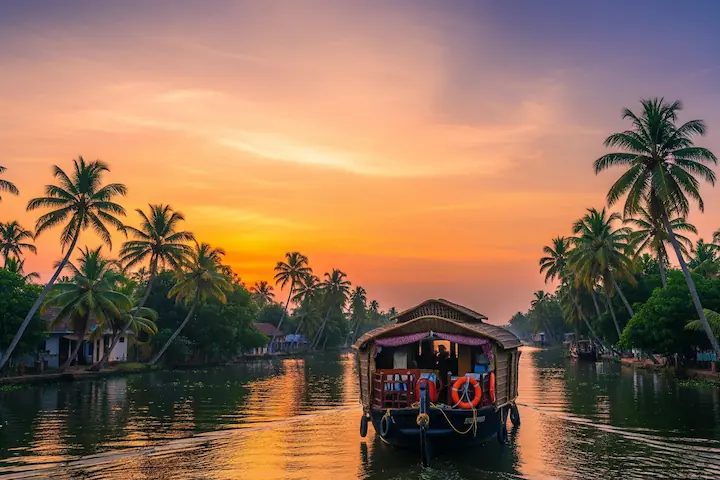
April and May are hot — and are precisely when serious safari-goers come, because tigers are never easier to see than in the dry heat. The Himalayas open as the plains swelter: Ladakh's season runs June to September, a high-desert world untouched by monsoon. The rains sweep in from June, and while the plains cities turn humid and dramatic, Kerala's green-season identity — AyurvedaAyurvedaA traditional Indian system of medicine that treats health as a balance between three bodily humours, or doshas.Read in the glossary, empty backwaters, hotel rates at half of January's — has a quiet following among repeat travelers.
The months we steer first-timers away from: May and June in the plains cities, and September's tail-end humidity. If those are your only windows, the mountains and the treatment-focused south still travel beautifully.
Begin Properly
Let a curator sketch your India
A few short questions — who is traveling, what draws you, how you like to move — and we reply with a first sketch of the journey we would design for you. No commitment; just a considered starting point.
Begin Your Private EnquiryQuestions, Answered
What is the best month to visit India?
For most first trips: November, December, January or February, when the north runs warm days and cool nights and Kerala is at its finest. November adds festivals; February adds calm after the holiday peak.
Is December a good time to visit India?
Excellent — peak season for good reason. Expect flawless Rajasthan weather, morning fog in Delhi and Agra (pad your Taj Mahal plans), premium pricing, and hotels that sell out months ahead, especially over Christmas and New Year.
What is India like in January?
The north is cool and bright — jacket mornings, perfect sightseeing afternoons. Kerala and Goa are in their prime. It is the single most reliable month across the classic circuits, and prices reflect it.
Should I avoid India during monsoon season?
For a first-time Rajasthan-and-Taj trip, yes — aim for October–March. But the monsoon (June–September) is Kerala's healing season and the Himalayas' open window, with dramatic landscapes and gentler prices for travelers who know what they're buying.
When can I see Holi or Diwali in India?
Diwali falls in October or November (early November in 2026); Holi falls in March (late March in 2027). Both are worth planning a trip around — and both require booking hotels well in advance.
From the Journal
Journeys That Answer This