Planning Guides7 min readPublished August 4, 2026
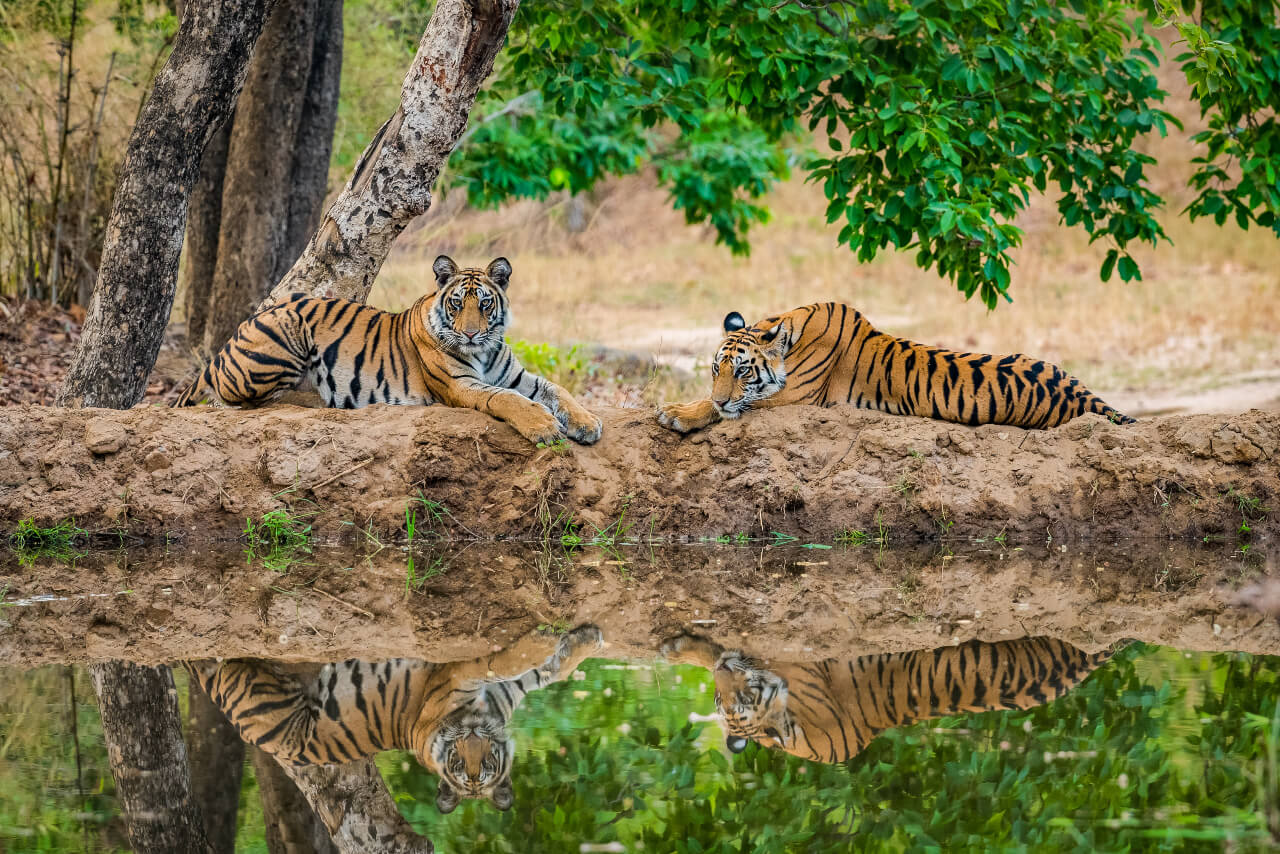
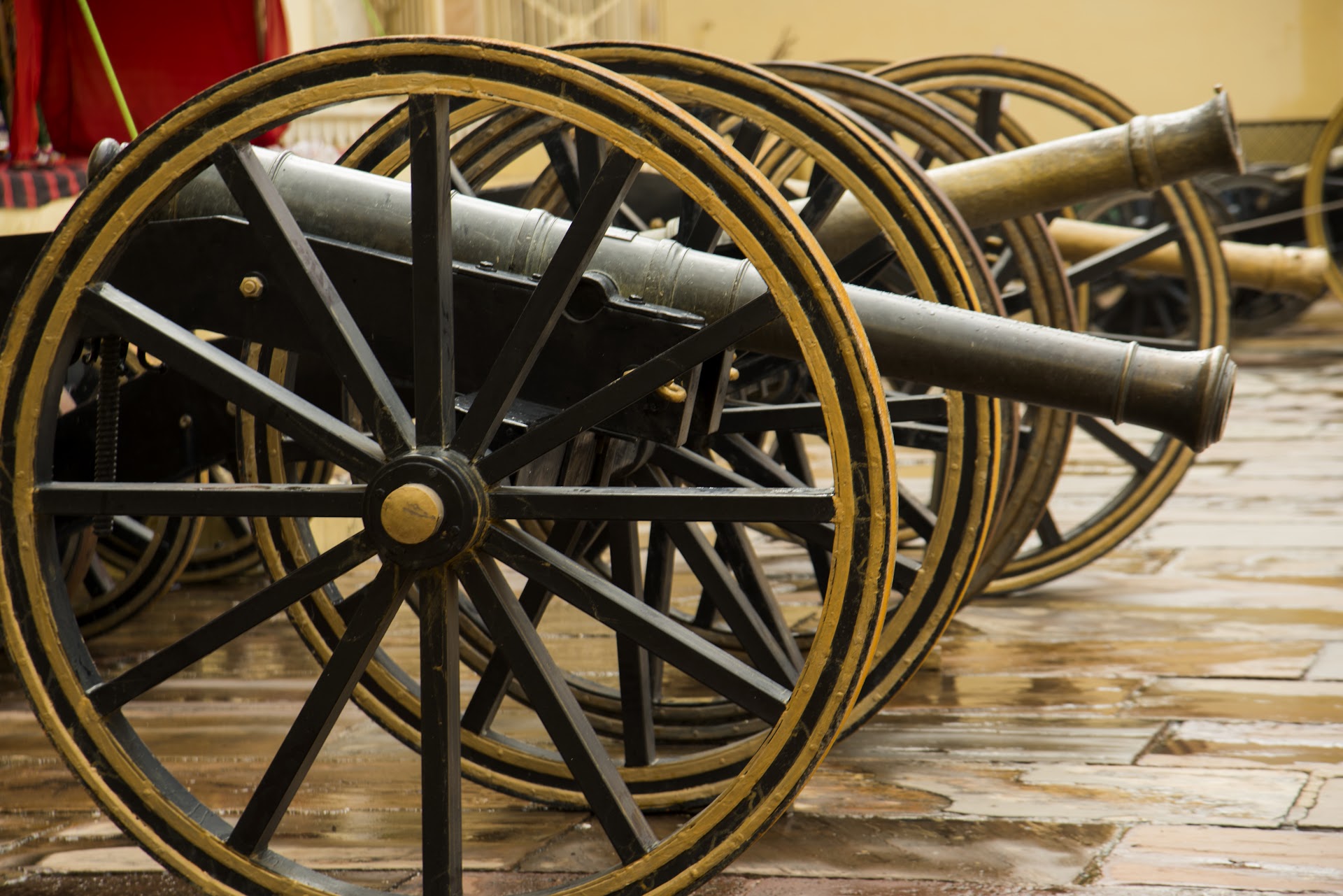
Here is the unadvertised truth about India with children: the country is on your side. India adores kids — yours will be welcomed, fussed over and delighted in everywhere from palace lobbies to village lanes — and the raw material is a child's imagination made real: fortresses with actual cannons, elephants at temple gates, monkeys as street theatre, tigers that do not live in zoos, and a nightly festival of color and noise that no screen competes with.
The design principles differ from an adult trip in degree, not kind: slower, fewer, sillier. Two-hour sightseeing mornings, pool afternoons, one wonder per day rather than three. Children do not remember the sixth fort; they remember the kite flown from the haveliHaveliA traditional townhouse or mansion built around one or more internal courtyards.Read in the glossary roof and the naturalistNaturalistThe trained wildlife guide who accompanies guests on safari, reading tracks, alarm calls and behaviour to find animals.Read in the glossary who taught them to read pawprints.
The route and the ages
The family gold standard is the Triangle-plus-tigers arc: Delhi briefly (one day of old-city bicycle rickshaws and the sound-and-light fort), Agra for the Taj — children are reliably awed — then Ranthambore, the trip's engine room: open-jeep safaris are transcendent for anyone over about six, with zone rules worth checking for the very small. Finish in Jaipur or Udaipur, where palace hotels with pools, puppet shows and block-printing workshops let the trip land softly. Kerala is the gentler alternative for younger children — houseboats, beaches, elephants and short drives — and pairs beautifully with grandparents' pacing.
Ages, honestly: under-fives travel India fine but absorb little of what you flew for; six to twelve is the wonder window; teenagers engage best when given roles — the trip photographer, the market negotiator, the safari spotter with the checklist.
The practical spine — and the multigenerational play
Health and safety with kids is the adult protocol enforced with comic rigor: bottled water only (make it a game), hotel and guide-vetted food, hand sanitiser as ritual, sun hats as law, and the travel clinic visit six weeks out for the family's specifics. Private car and driver is non-negotiable with children — your schedule, your bathroom stops, your cold air conditioning — and India's hotels handle families with old-fashioned grace: adjoining rooms, early dinners, babysitting at the good addresses.
For multigenerational journeys — India is made for them; this is a culture where three traveling generations is the norm, not the project — the architecture is a hub-and-spoke: base longer in fewer places (a Jaipur palace, an Udaipur lake hotel), let energetic parties spoke out to forts and bazaars while grandparents and small children keep the pool, and reconvene for the evening spectacle. Everyone's trip; nobody's forced march.
Begin Properly
Let a curator sketch your India
A few short questions — who is traveling, what draws you, how you like to move — and we reply with a first sketch of the journey we would design for you. No commitment; just a considered starting point.
Begin Your Private EnquiryQuestions, Answered
Is India safe to travel with kids?
Yes, with the family versions of the standard protocols: bottled water, vetted food, private transport and a sensible pace. Indian culture is exceptionally warm toward children, which smooths more of the road than any precaution.
What are the best places in India for families?
The Golden Triangle plus Ranthambore for the fort-and-tiger fantasy; Udaipur and Jaipur for palace hotels with pools; Kerala for a gentler, beach-and-boat trip with younger children.
What does a family India itinerary look like?
Twelve days: Delhi (1–2 nights), Agra (1), Ranthambore (2–3), Jaipur (3), Udaipur (3) — one wonder per day, afternoons off, palace pools doing the heavy lifting between sights.
What age is best for taking kids to India?
Six to twelve is the sweet spot — old enough for safaris and fort stories, young enough for unguarded wonder. Teens thrive with responsibilities; under-fives travel fine but remember little.
Does India work for multigenerational trips?
Superbly — base in fewer places, spoke out by energy level, and reconvene at dinner. Indian hotels and culture are built around the extended family; three-generation journeys are among the most successful we design.
From the Journal
Journeys That Answer This