Rajasthan · Food
The Food of Rajasthan
A desert kitchen of ingenuity and richness — from royal hunting curries to the vegetables of scarcity.
Rajasthani cuisine is the cooking of a hard, beautiful land — a desert kingdom where water was scarce, fresh vegetables rare, and food had to keep for long journeys across the sand. Out of that constraint came one of India’s most distinctive and inventive kitchens.
It runs on two registers at once: the opulent meat cookery of the Rajput courts — game and mutch, smoked and chilli-red — and the frugal genius of the Marwari and desert communities, who turned dried berries, gram flour and yoghurt into dishes of real depth. To eat Rajasthan well is to taste both.
The dish that defines Rajasthan — baked wheat balls (baati) split and drowned in ghee, with a spiced lentil dal and a sweet crumble of churma. Desert food built to keep, engineered for a land with little water and long distances.
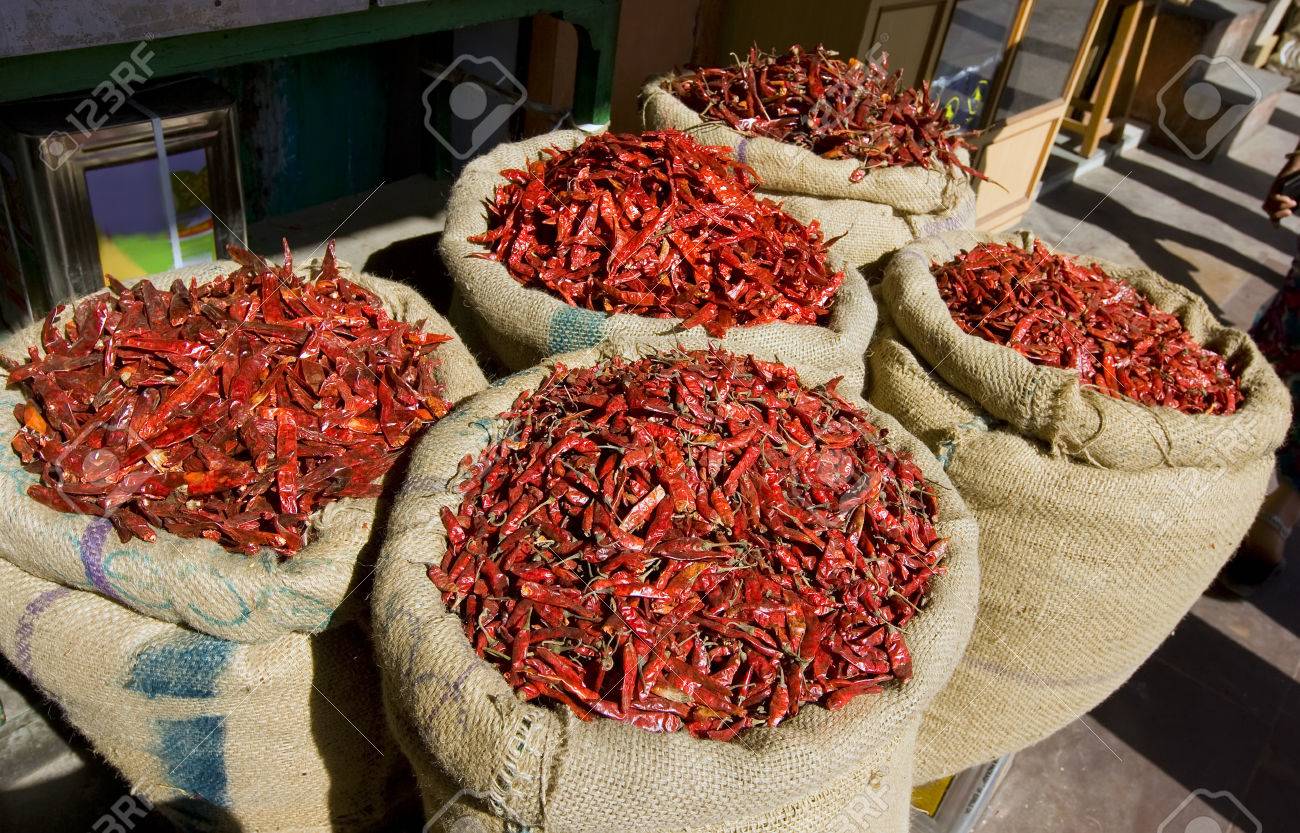
A fiery scarlet mutton curry coloured and heated by Mathania red chillies, born in the royal hunting kitchens of Marwar. The great meat dish of the region — richer and smokier in its best versions than the roadside imitations.
The true taste of the Thar — dried desert berries (ker) and beans (sangri) cooked with yoghurt and spice. A vegetarian masterpiece of scarcity, and a dish most visitors never think to order.
Gram-flour dumplings simmered in a tangy yoghurt gravy — clever, protein-rich cooking for a place where fresh vegetables were once a luxury.
Jaipur and Jodhpur's legendary street snacks — a flaky onion-stuffed kachori, a chilli fritter — best eaten hot from a hundred-year-old sweet shop with a glass of chai.
The honeycomb monsoon sweet of Rajasthan, disc-shaped and drenched in syrup, made especially around the Teej and Rakhi festivals.
Rajasthan is famous for dal baati churma, the fiery mutton curry laal maas, the desert vegetable ker sangri, gatte ki sabzi, and street snacks like pyaaz kachori and mirchi vada — a cuisine shaped by a hot, arid land where preserving and stretching ingredients was an art.
Some dishes — laal maas above all — are genuinely hot, coloured by Mathania chillies. But much of the cuisine is about richness and technique rather than raw heat, and every dish can be tempered. Our chefs and hosts calibrate to the guest.
The finest versions are in the royal palace kitchens (many now hotels), at a handful of heritage restaurants, and — best of all — in private homes and village settings we arrange. A curated food journey moves between all three.