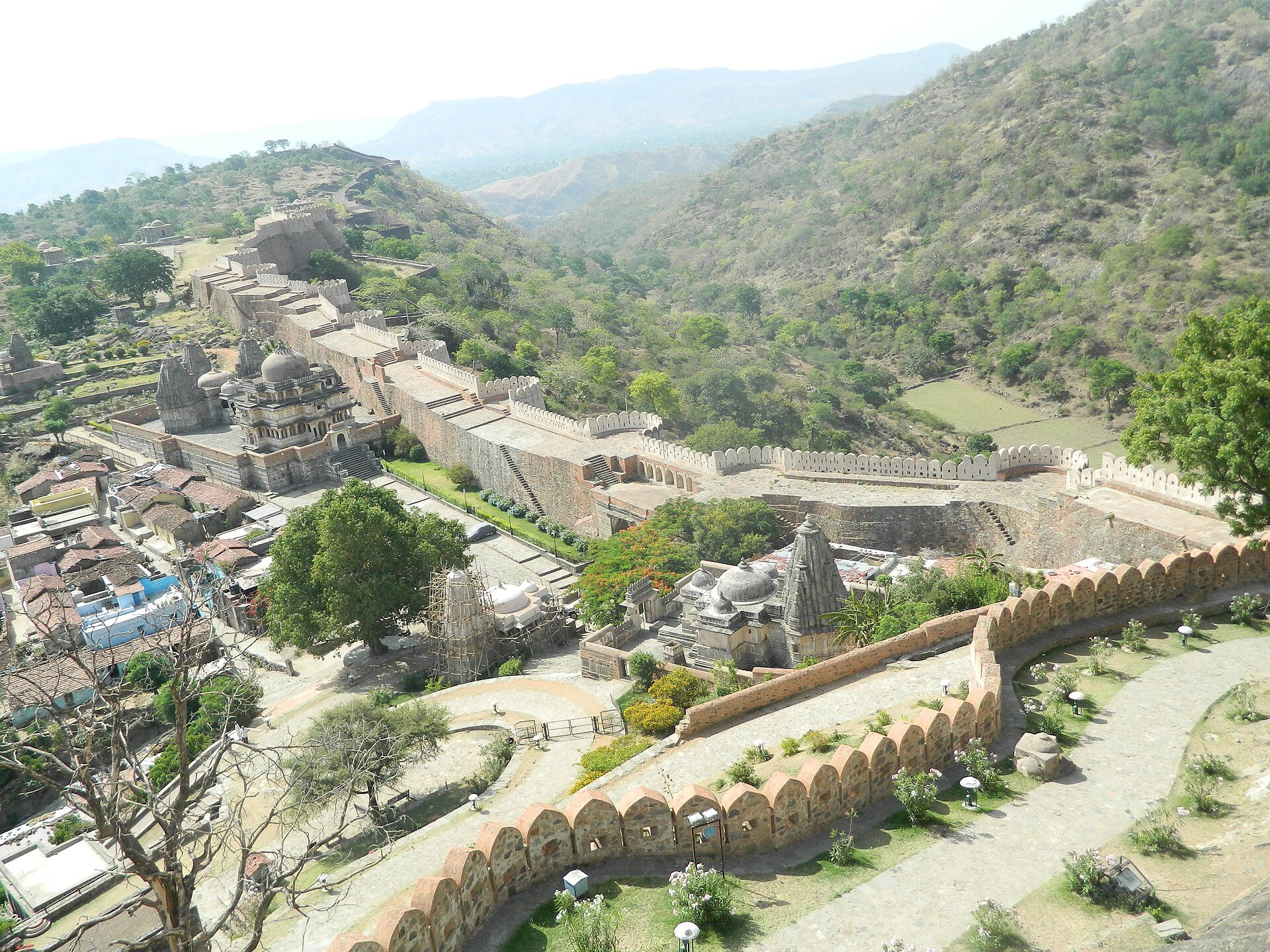
Most RajputRajputA member of the warrior and landholding clans of northern India, chiefly Rajasthan, who ruled its princely states.Read in the glossary forts are accretions — a century of building, then another, then a palace dropped into a courtyard by a ruler who wanted something newer. Kumbhalgarh is not. UNESCO's own evaluation notes that it was constructed in a single process and, apart from the palace of Fateh Singh added later, retains its architectural coherence. It is a fifteenth-century fort that still looks like one idea.
That idea has a named author, which is rare. The design is attributed to an architect known by name, Mandan, who was also an author and theorist at the court of Rana Kumbha. You are not walking through anonymous vernacular military building. You are walking through the executed drawings of somebody who wrote about what he was doing.
Kumbhalgarh is one of the six components of the Hill Forts of Rajasthan, inscribed as a World Heritage Site in 2013 under criteria (ii) and (iii), alongside Chittorgarh, Ranthambore, Gagron, Amber and Jaisalmer. It has been protected as a Monument of National Importance since 1951.
Visiting Well
- About three hours from Udaipur by road, and an easy morning from Ghanerao or the Jojawar side if you are already in the Godwad country.
- The Ministry of Tourism gives opening as 09:00 to 18:00. Rajasthan monument hours move seasonally and by order, so we confirm before every visit rather than trusting a page.
- The walk up to the Badal Mahal at the summit is steep and sustained. The views are the reason to do it, and the reason to do it early.
- Allow three hours, and more if you intend to walk any length of the rampart.
How Elevated India Arranges It
We would pair Kumbhalgarh with Ranakpur in the same day rather than with another fort, because the contrast does both of them a favour — a military idea executed whole in the morning, a devotional one executed whole in the afternoon, forty minutes apart. Go up early for the Badal Mahal before the heat, walk a stretch of rampart rather than photographing it from the car park, and ask the guide about Mandan. On the famous wall we are careful: the Ministry of Tourism describes a thirty-six kilometre perimeter and calls it the world's second-longest wall after the Great Wall of China, and we are happy to repeat that with the attribution. UNESCO's own description of the property does not mention the wall at all, which is worth knowing before anybody recites a record at you.
Questions, Answered
Why is Kumbhalgarh Fort famous?
For its wall, and for its coherence. The Ministry of Tourism describes a thirty-six kilometre perimeter and calls it the world's second-longest wall after the Great Wall of China. Less often mentioned, and more interesting once you are inside it, is that UNESCO's evaluation records the fort as having been constructed in a single process, retaining its architectural coherence, to a design attributed to a named architect — Mandan, an author and theorist at Rana Kumbha's court.
When was Kumbhalgarh Fort built, and by whom?
In the fifteenth century, by Rana Kumbha, according to the Ministry of Tourism. The palace of Fateh Singh inside it was added later; UNESCO treats that as the one departure from the fort's original scheme.
Was Maharana Pratap born at Kumbhalgarh?
The Ministry of Tourism's own page describes Kumbhalgarh as known as the birthplace of Maharana Pratap, and we will put it the same way. It is a strong and long-held tradition rather than something we have seen documented in a primary record, and we would rather say which it is than present it as settled.
How do you visit Kumbhalgarh Fort?
About three hours by road from Udaipur, and conveniently close to Ranakpur, which is the pairing we recommend. Hours are given as 09:00 to 18:00, but Rajasthan monument timings change seasonally and by government order, so we confirm them before the day rather than relying on a published page.
Journeys That Take You There
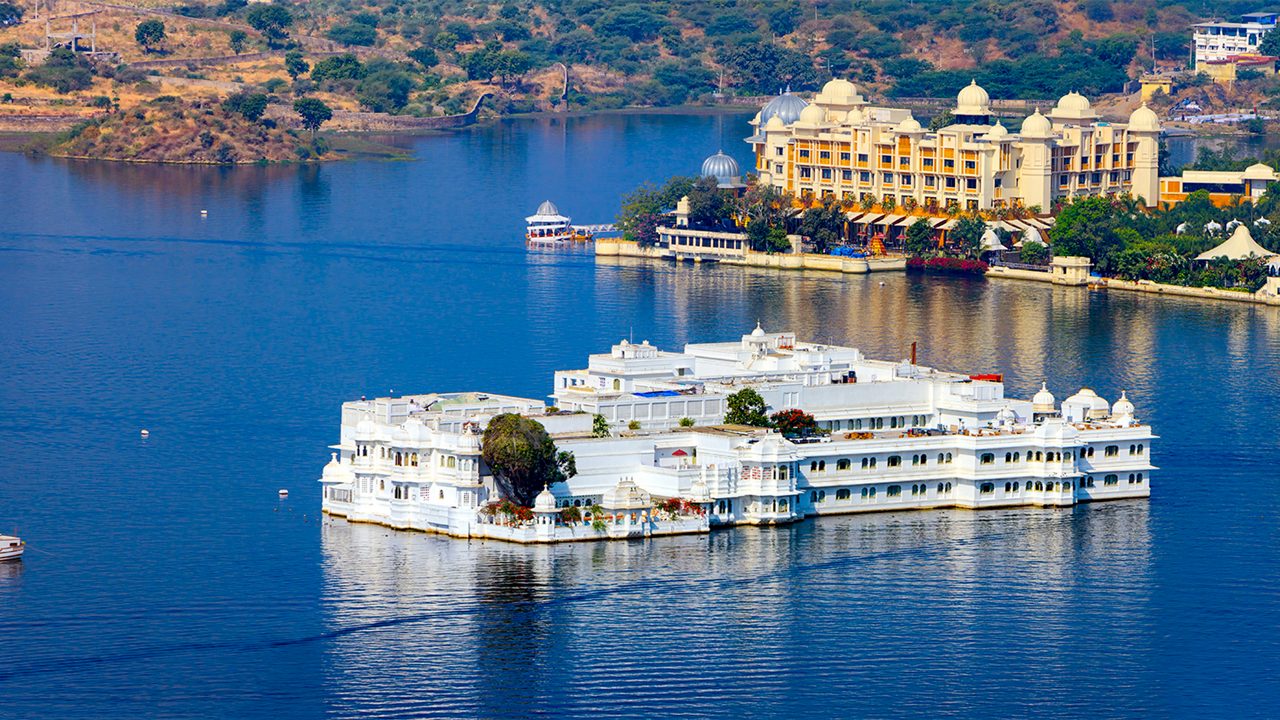
Heritage & Horizons: Royal Estates & Lake Palaces
13 Days / 12 Nights
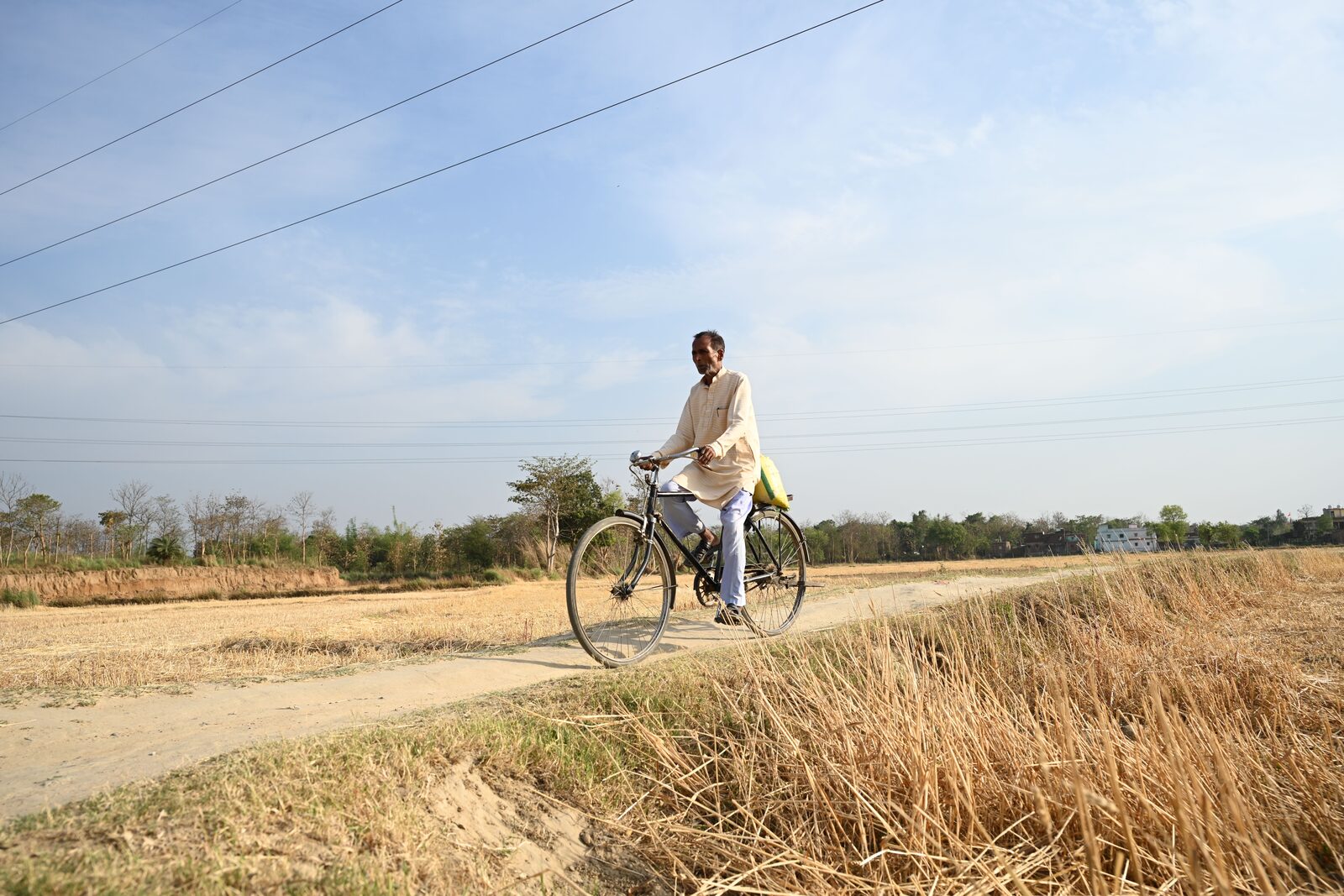
Aravalli to Thar, by Bicycle
14 Days / 13 Nights · 9 cycling days
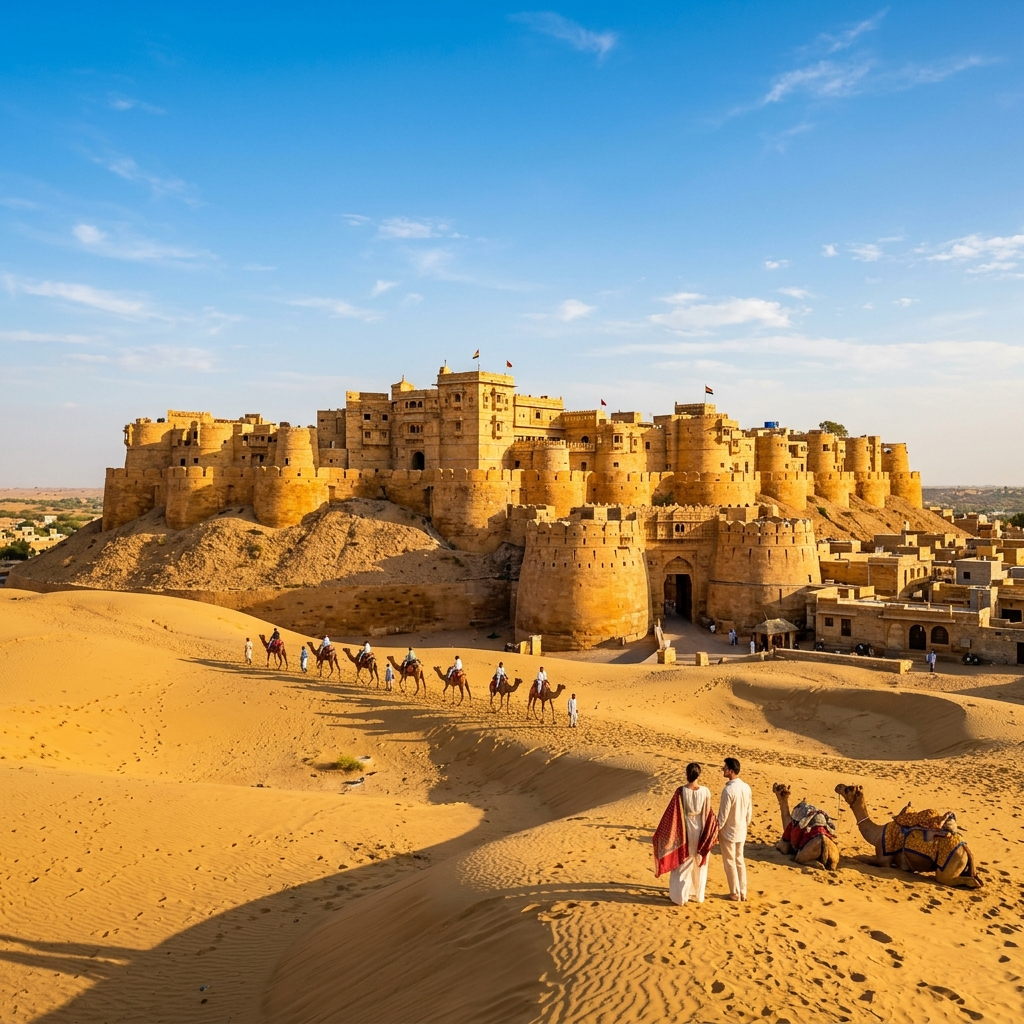
Beyond the Fort Walls
20 Days / 19 Nights
Explore the destination guide: Udaipur, Rajasthan ↗