Twenty days across Rajasthan — imperial Delhi and the Taj at sunrise, palaces still lived in, leopard country in the Aravallis, and the painted merchant towns of the Shekhawati.
You are met inside the arrivals hall at Indira Gandhi International and driven to a colonial-era hotel in the old civil lines. Nothing is scheduled. The first day of a long journey is best spent adjusting to it — the light, the hour, the altitude of a different life.
LodgingThe Oberoi Maidens, Delhi
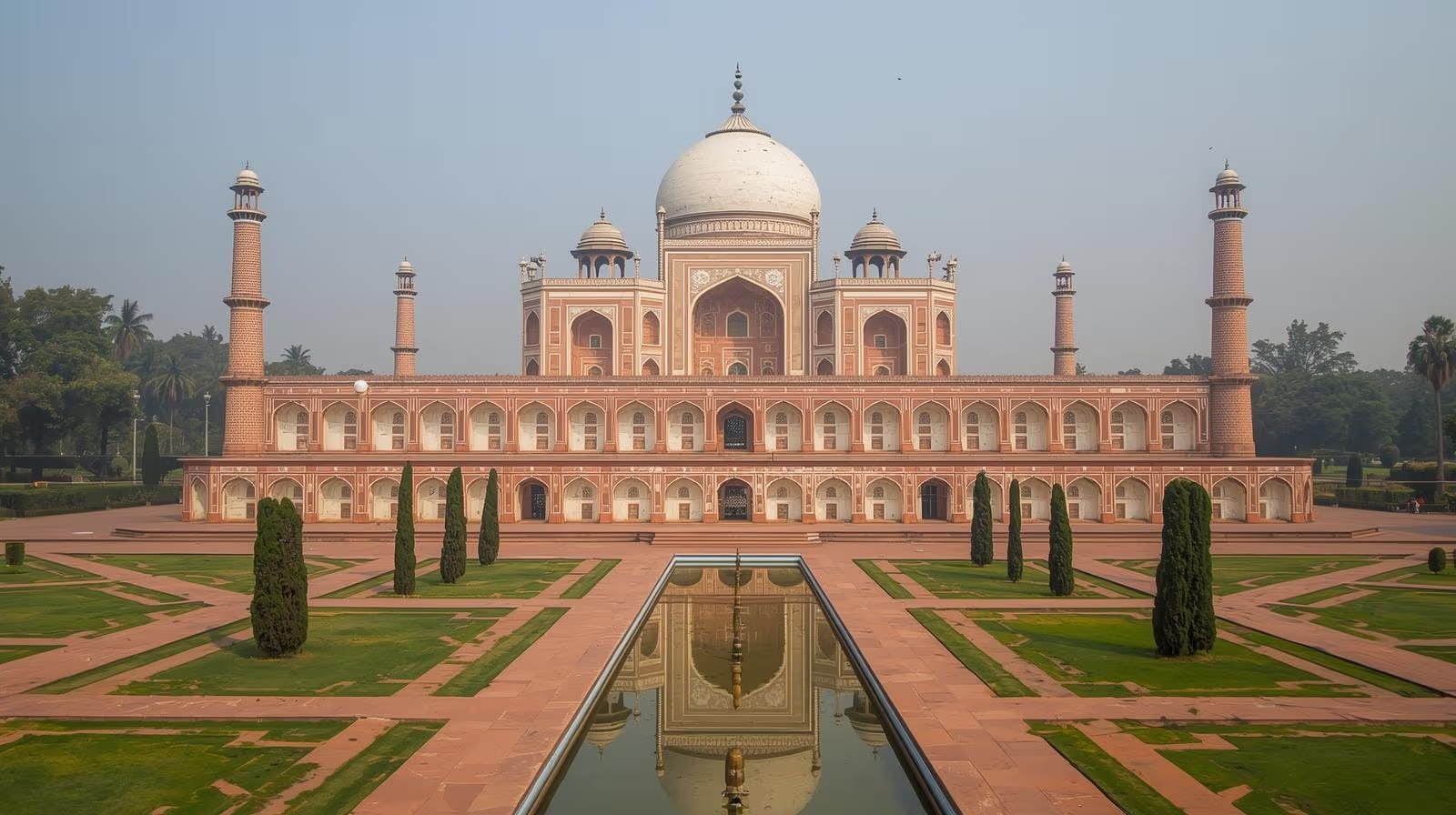
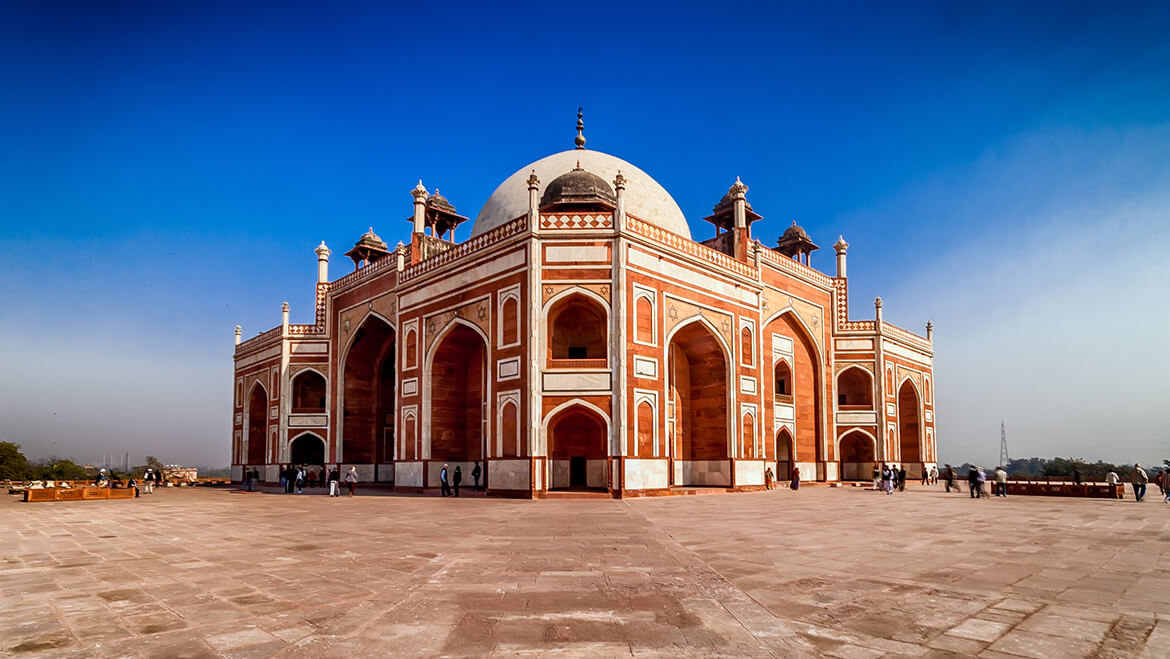
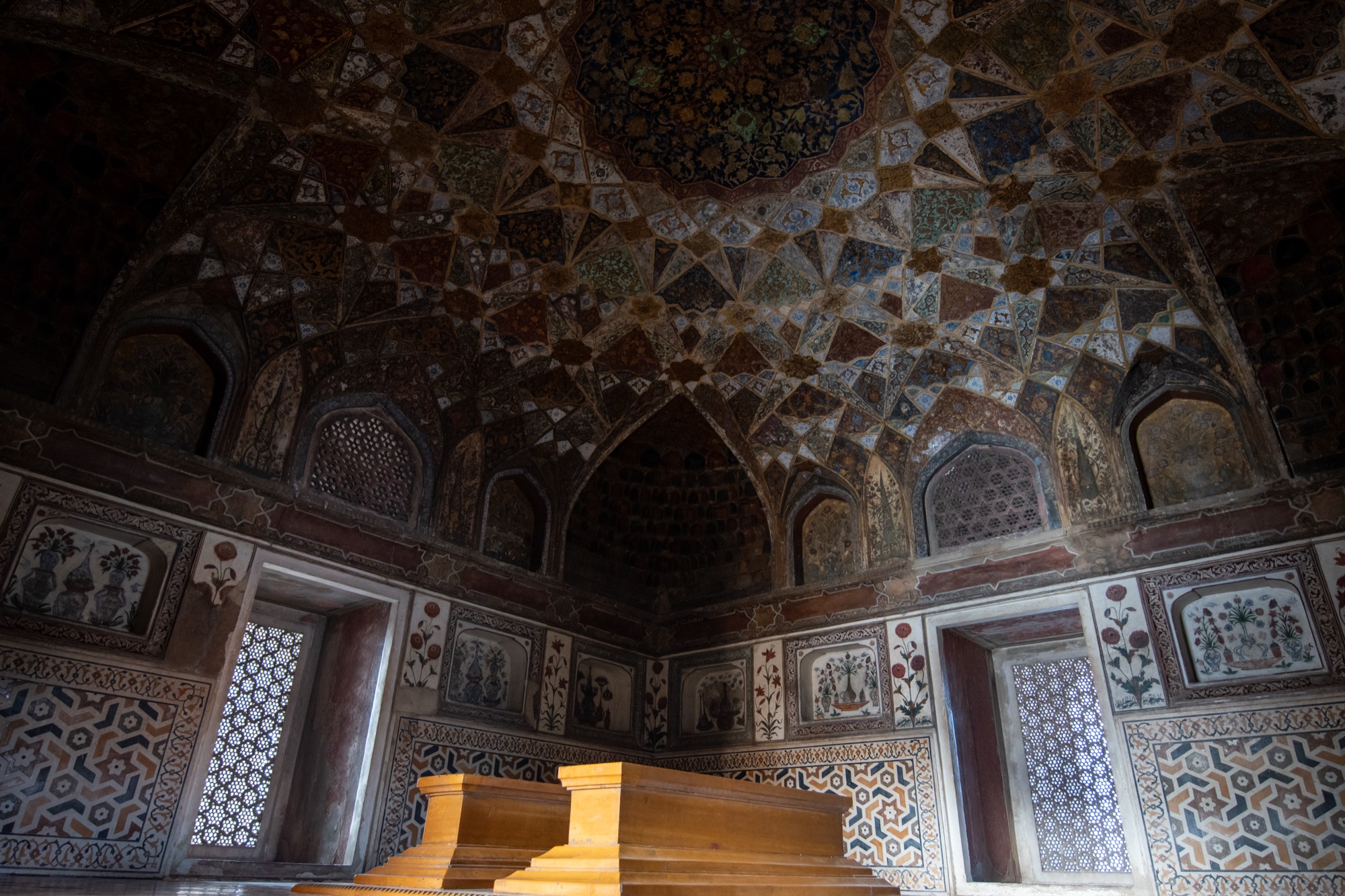
Humayun's Tomb — the Mughal garden-tomb that set the template for the Taj Mahal
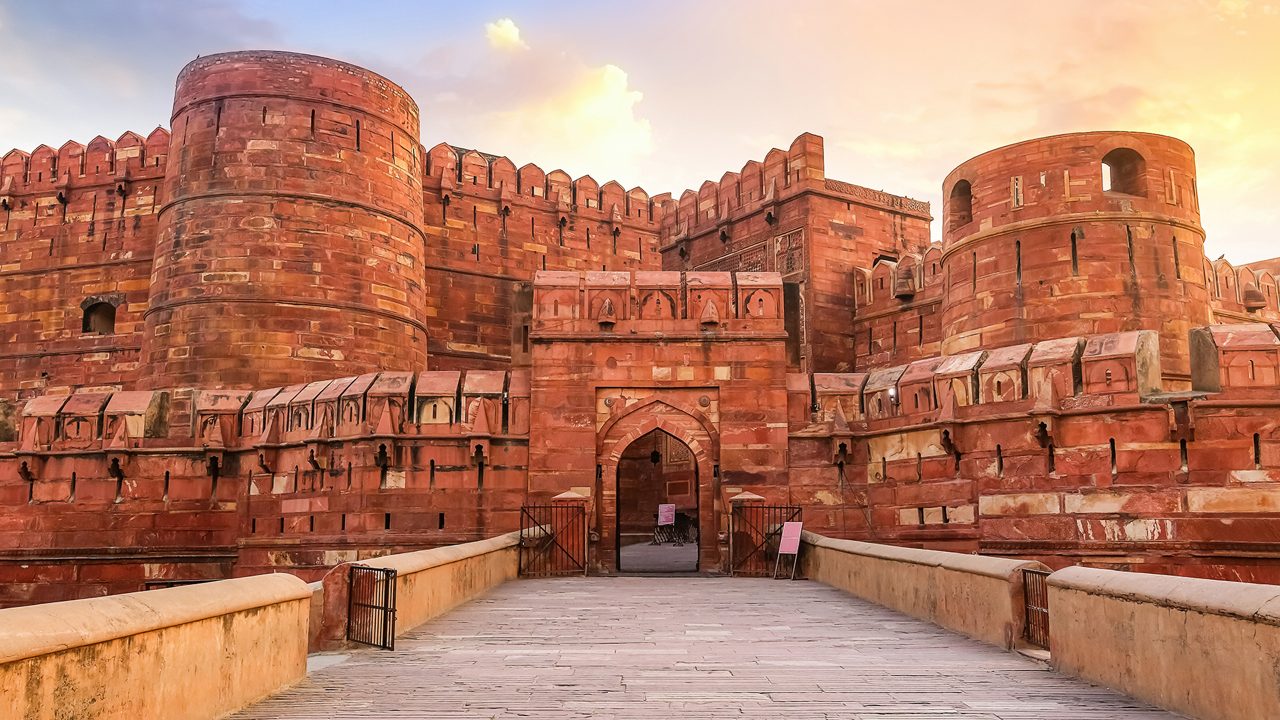
The Gatimaan Express leaves Delhi in the morning and reaches Agra in a little over ninety minutes — air-conditioned, unhurried, breakfast served at the seat, mustard fields at the window in winter. The afternoon is Agra Fort, which is the more interesting building of the two the city is known for: a working seat of empire where Shah Jahan was later held prisoner within sight of the tomb he built. At dusk, Mehtab Bagh across the river, where the Taj is seen from the garden it was designed to be seen from.
LodgingTrident, Agra
Meal OptionsBreakfast aboard the Gatimaan Express
Agra Fort, the red sandstone seat of Mughal power on the Yamuna
Hotel Recommendations
Oberoi Amarvilas Agra
ITC Mughal
Taj Hotel & Convention Centre
Travel Curator Advisory
""
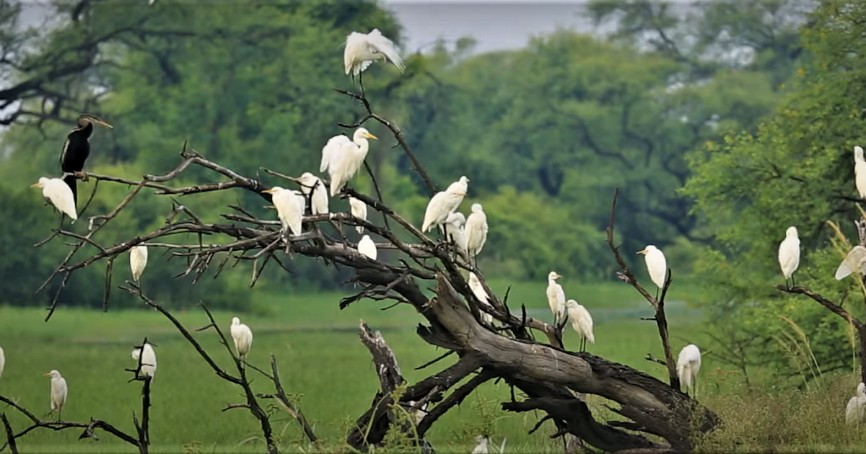
Bharatpur
Day 4 | Sunrise
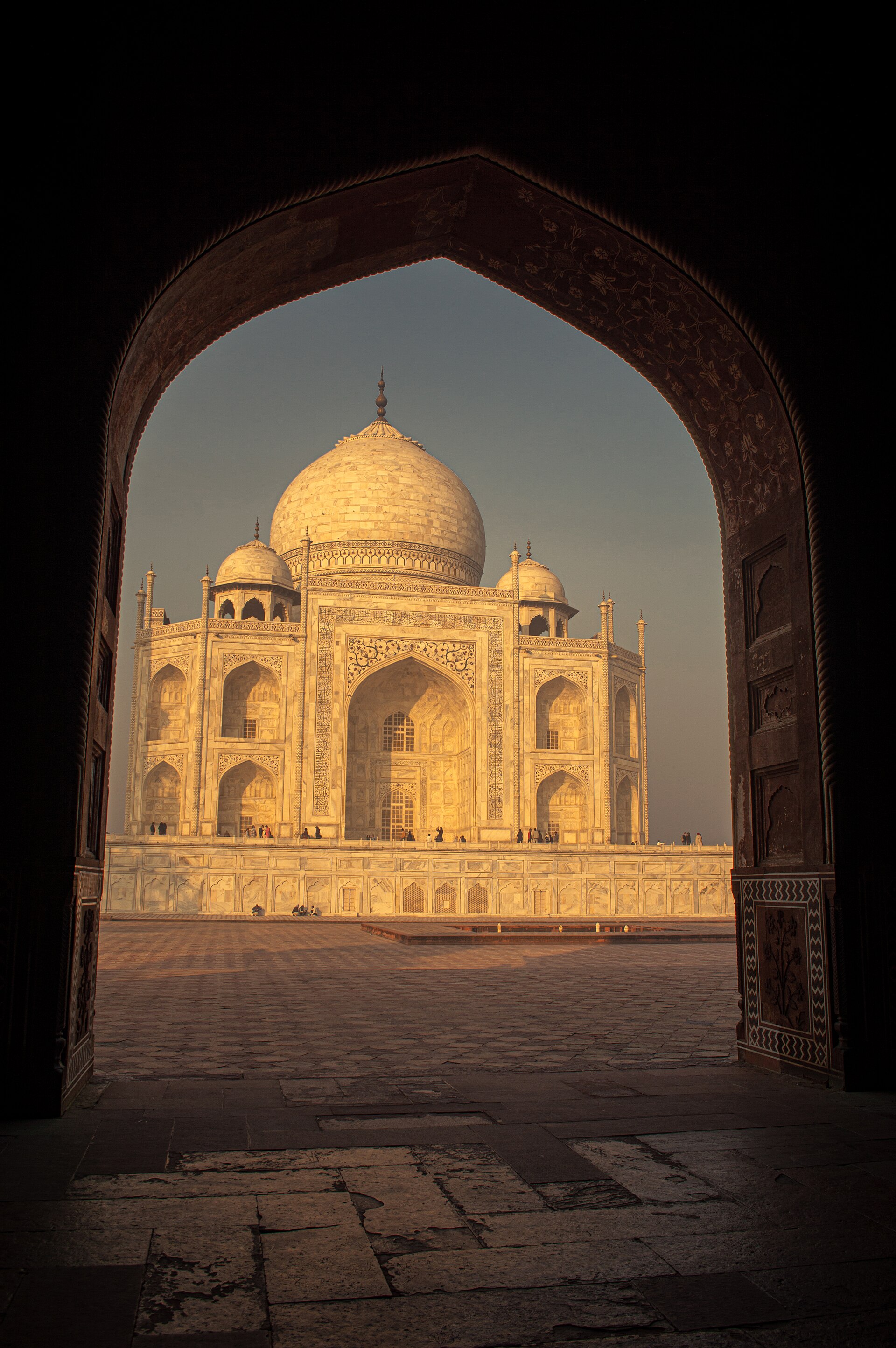
You reach the gate before dawn. The marble takes the light slowly — silver, then a faint apricot, then white — and the water channels hold the whole building twice. The crowds are gentler at this hour and the air is cooler; the difference between this and a midday visit is not marginal. Breakfast follows at the hotel. Later, the inlay workshops, where the same pietra duraPietra duraThe inlay of cut and polished coloured stones into marble to form a design.Read in the glossary technique is still cut by hand, and on to Bharatpur.
LodgingChandra Mahal Haveli, Bharatpur
Meal OptionsBreakfast after the monument; dinner at the haveli
The Taj Mahal at sunrise, before the crowds arrive
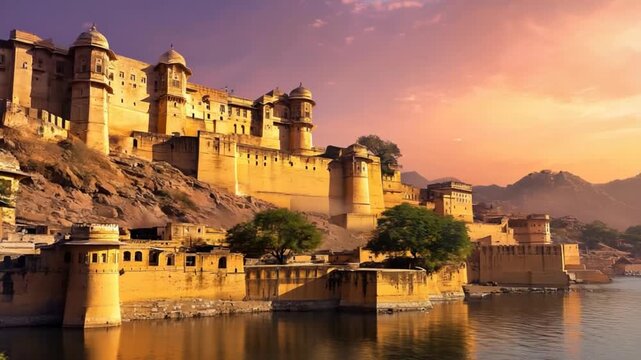
The balloon lifts before the city is properly awake. From the basket Amber Fort resolves along the ridge, Maota Lake goes to polished silver, and beyond the monuments you see the ordinary morning beginning in the villages. Back on the ground and after breakfast: Amber Fort itself, the Jal Mahal and Hawa Mahal, and a walk through the old city's bazaars. The evening brings a private puppet performance — Rajasthan's oldest travelling art form, played close.
LodgingJai Mahal Palace, Jaipur
Meal OptionsDinner at the hotel
Amber Fort above the Maota Lake
Hotel Recommendations
Rambagh Palace Jaipur - Historical Suite
The Oberoi Rajvilas - Premier Room
Samode Haveli - Luxury Suite
Culinary Suggestions
Refined Local Tea and Snack ExperienceA relaxed introduction to Jaipur's contemporary regional flavours.
Modern Jaipur DiningA polished culinary experience shaped around seasonal Rajasthani influences.
Heritage Sweets and Local SnacksA curated tasting of Jaipur's classic mithai and savoury traditions.
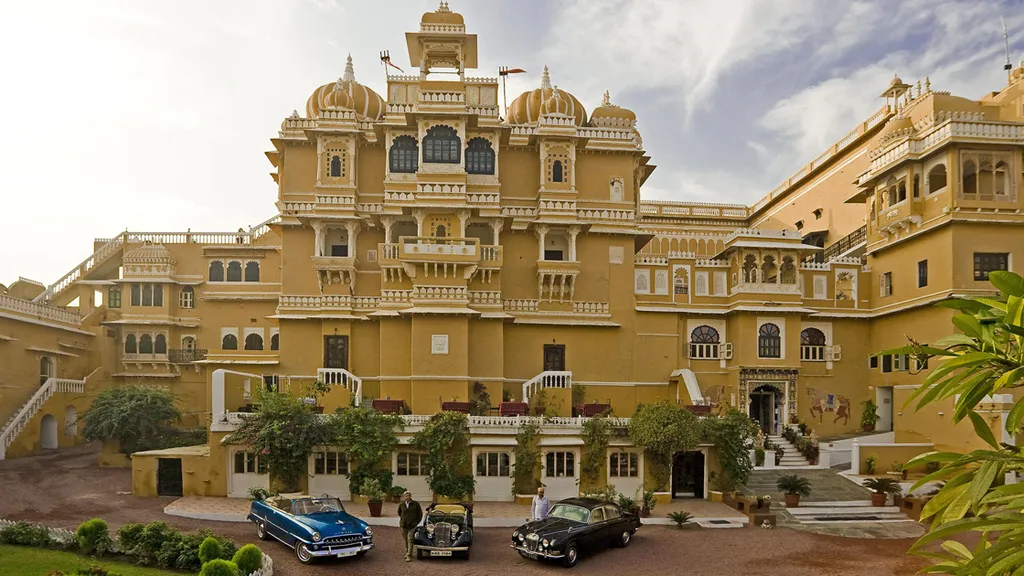
The drive south leaves the plains for the Aravalli hills. Deogarh Mahal is a seventeenth-century palace still occupied by the family that built it, which changes the texture of a stay here entirely — you are a guest in a house, not a customer in a hotel. The evening is deliberately unstructured.
The Sas Bahu temples stand above Bagela Lake — tenth century, comparatively unvisited, and carved to a fineness that reads as lace where it should read as stone. The domed ceiling of the mandap is the reason to make the stop. Udaipur follows in the afternoon.
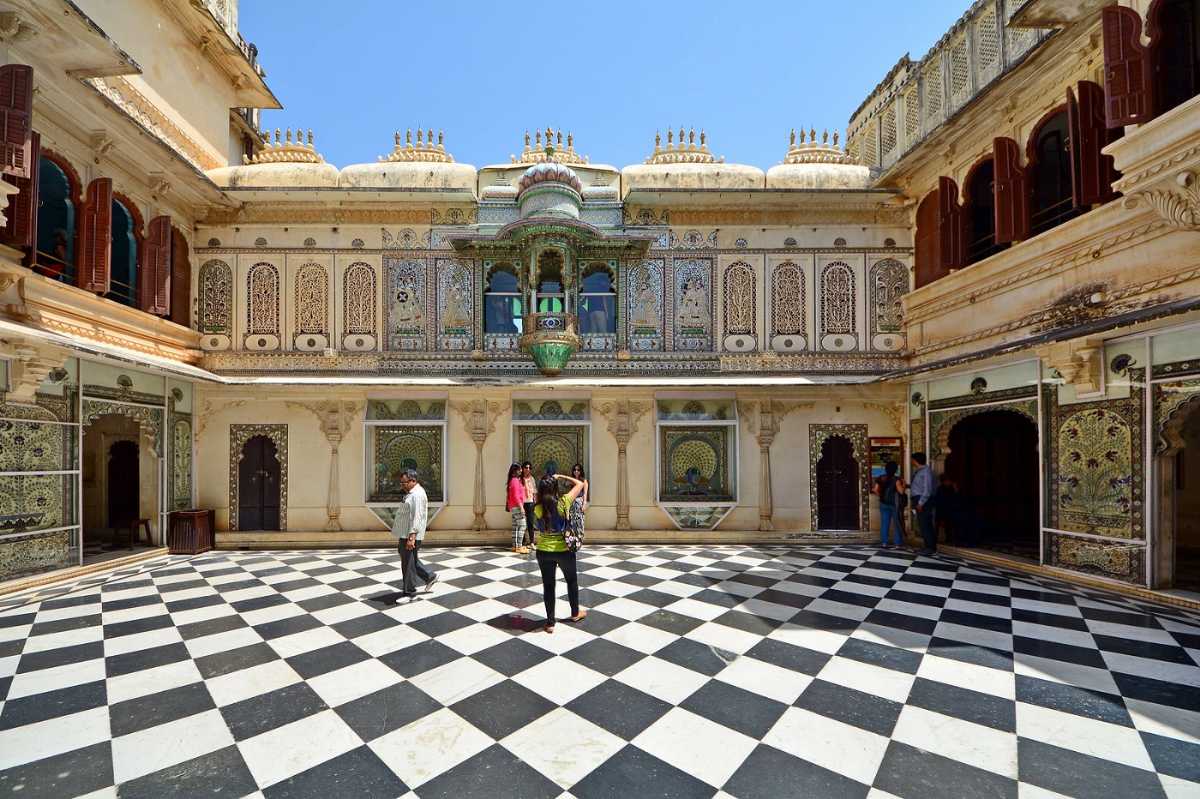
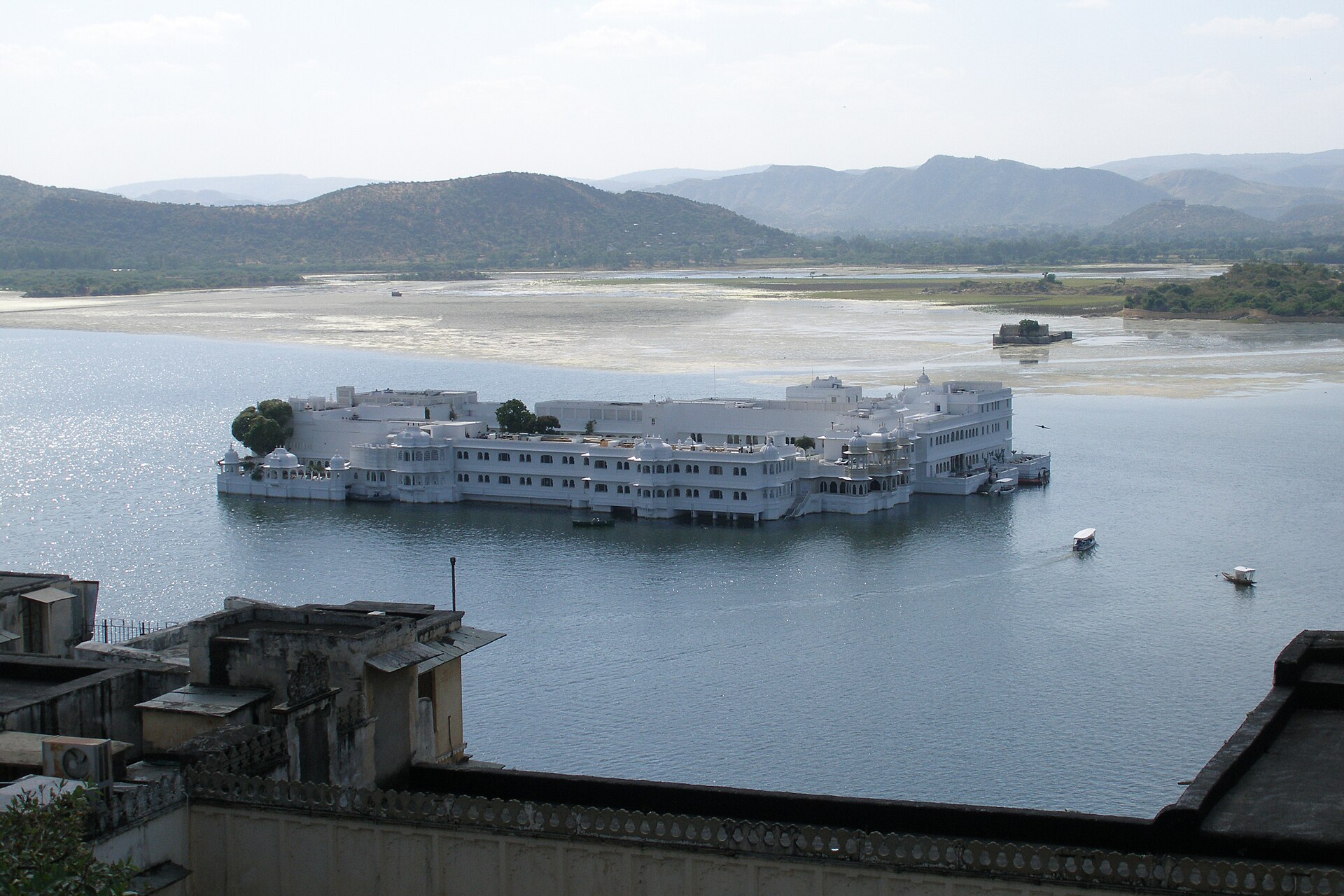
The City Palace rises straight from the water and unfolds inward through courtyards, mirrored chambers and glass mosaic — Rajput structure with Mughal manners. The afternoon is Saheliyon Ki Bari, built as a retreat for the women of the court, with its lotus pools and fountains. At the end of the day a private boat on Lake Pichola, when the Lake Palace appears to float and the light goes rose and gold across the water.
LodgingFatehgarh, Udaipur
Meal OptionsDinner at the hotel
The Lake Palace appearing to float on Lake Pichola
Hotel Recommendations
Taj Lake Palace
Udai Vilas Palace
Leela Palace Udaipur
Travel Curator Advisory
""
Narlai
Day 11 | Ranakpur, and a Stepwell Dinner
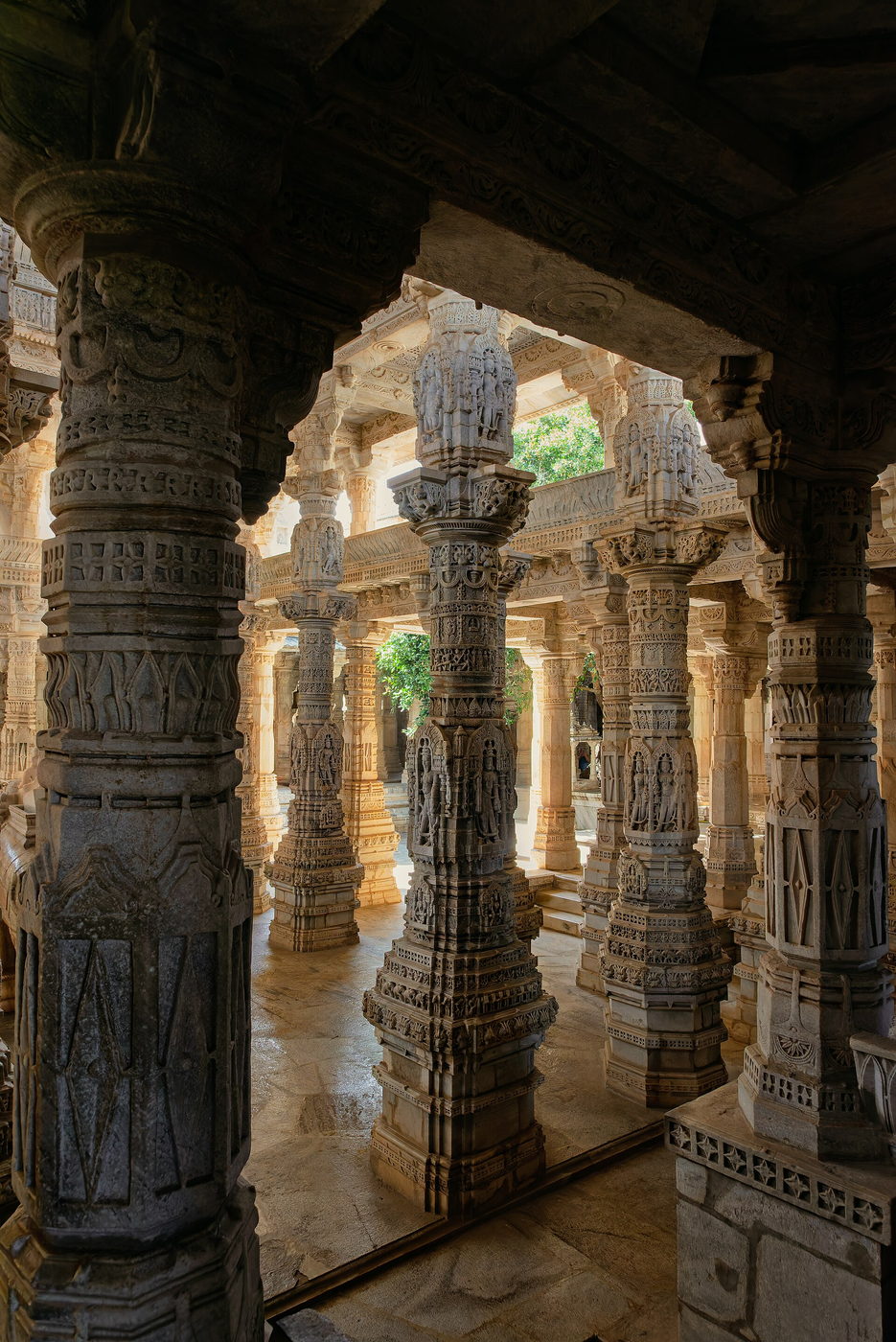
Ranakpur is reached through a wooded valley and is, by most measures, the finest Jain temple in India: a forest of 1,444 marble columns, each carved differently, holding a roof that seems to weigh nothing. You continue to Narlai, a village beneath a granite monolith. Dinner is served in a centuries-old stepwell lit by hundreds of oil lamps — the single most photographed thing this house arranges, and worth the reputation.
LodgingRawla Narlai
Meal OptionsCandlelit dinner in the Narlai stepwell
Ranakpur — 1,444 marble pillars, no two carved alike
A short drive brings you into the Jawai and Bera country — granite outcrops rising out of scrub, ancient shrines scattered across the hillsides, and one of the densest leopard populations in India living quite openly alongside the villages. The afternoon is spent with Rabari shepherds: an indigenous herding caste, the men in white with red turbans and silver, moving cattle and camels as they have for centuries. It is not a performance arranged for visitors; it is simply what happens here.
LodgingBera / Jawai, tented camp or heritage lodge
Meal OptionsDinner at the camp
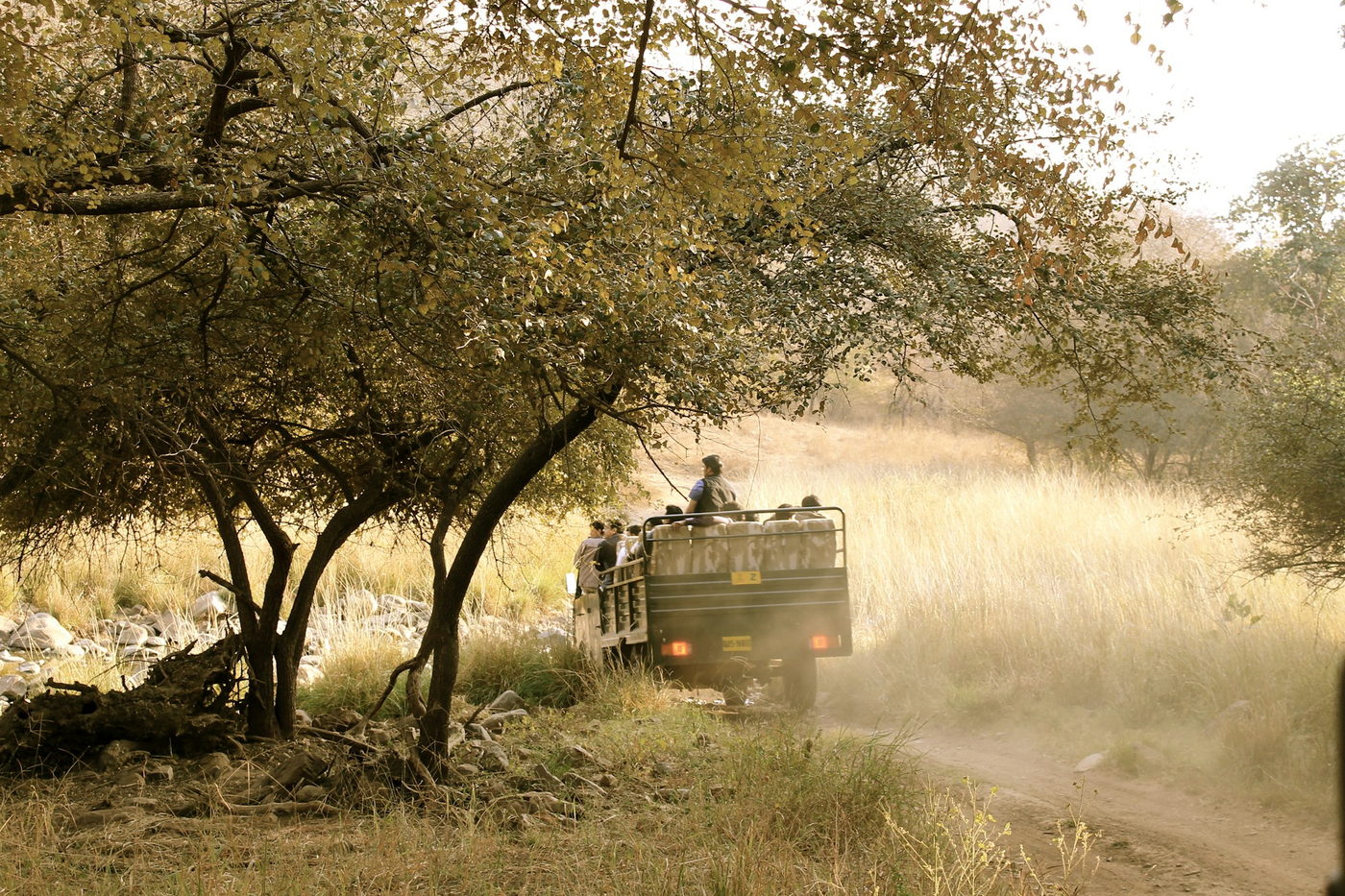
Jeep safari through the granite hills and scrub of Jawai
Out before first light in an open jeep. The trackers read pugmarks, langur alarm calls and movement on the rocks; the leopards here use the hills and the temple ruins with complete confidence. After breakfast the road turns north to Jodhpur, with a stop at the Bullet Baba shrine on the Pali highway — a temple built around a Royal Enfield 350, garlanded and glassed, tended by truck drivers and villagers. India does not always explain itself.
LodgingRAAS, Jodhpur
Meal OptionsDinner at the hotel
The Indian leopard, the region's most elusive resident
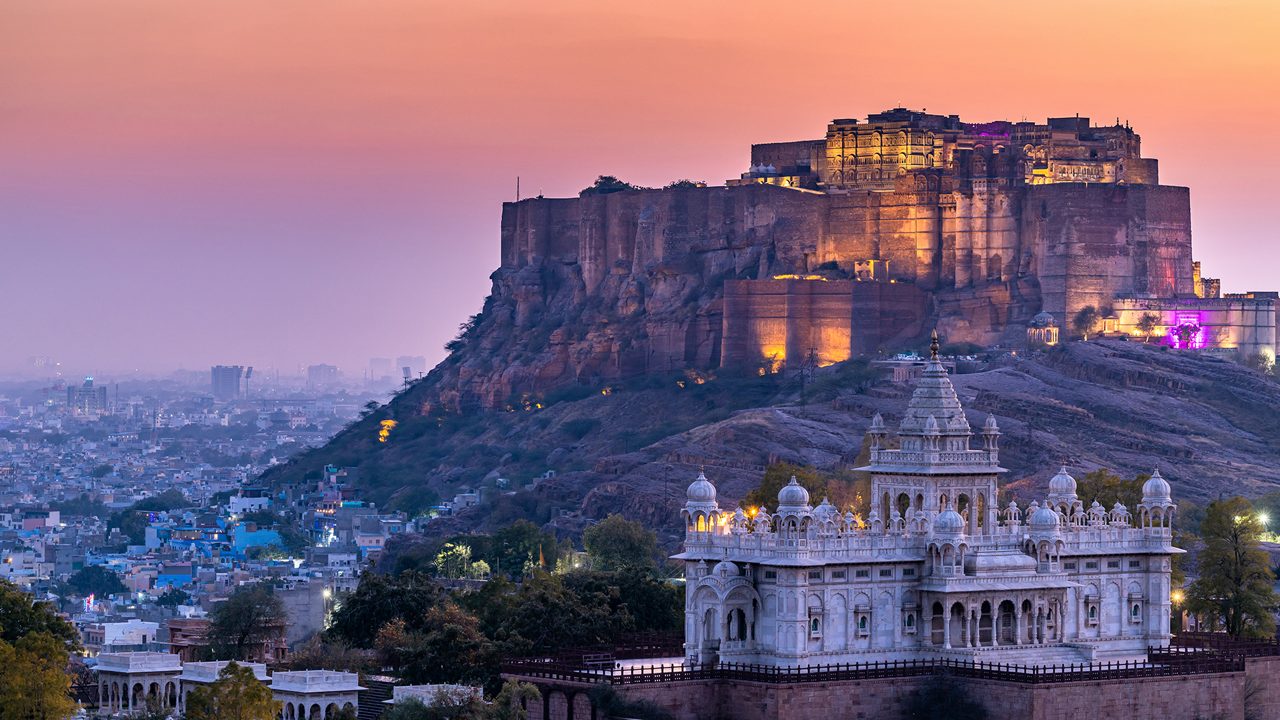
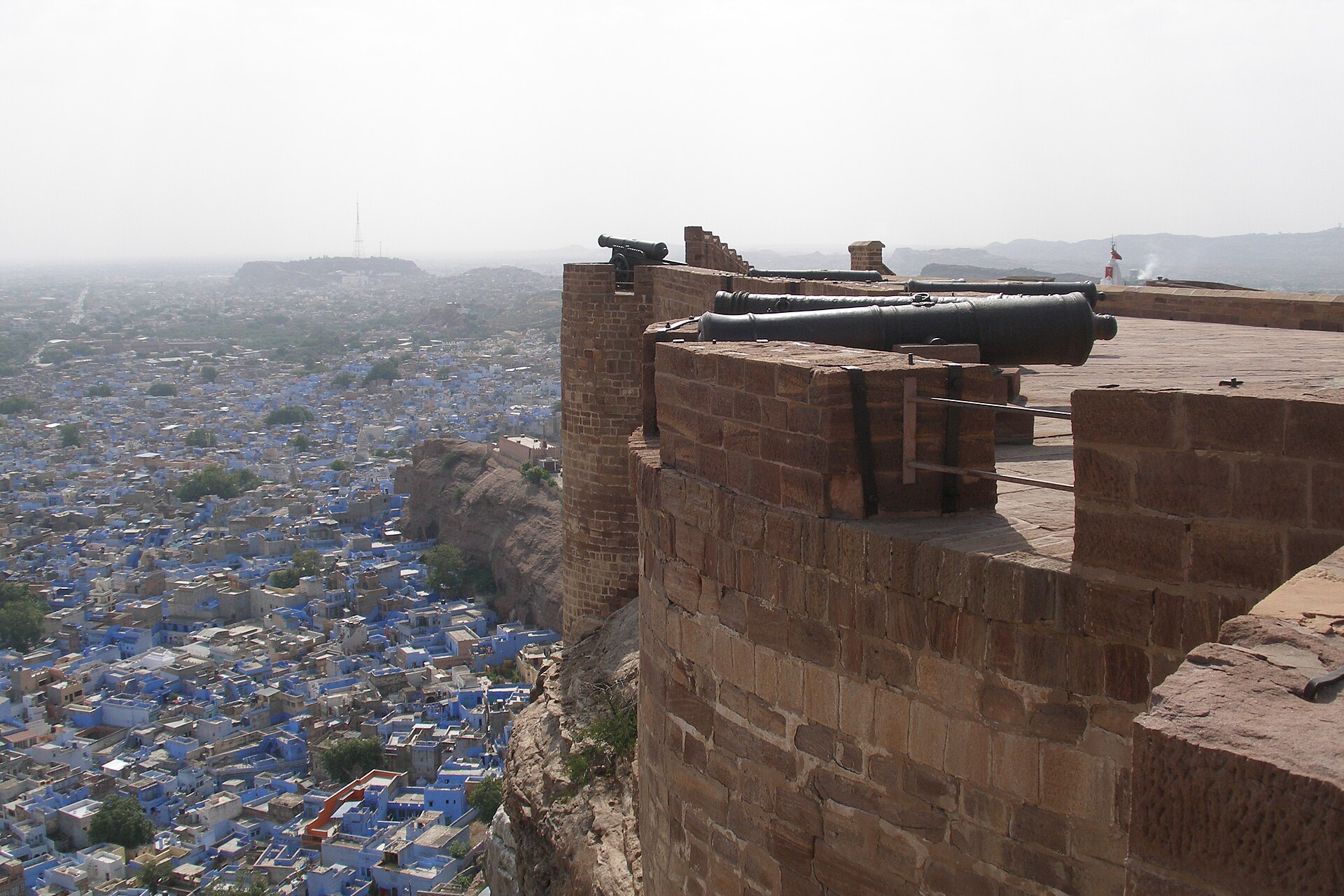
Mehrangarh stands four hundred feet above the city on sheer rock and is among the best-kept forts in India — the museum inside it is genuinely good, which is rarer than it should be. Afterwards a walking tour of the blue quarter directly beneath the walls, where the indigo wash on the houses has practical origins and a striking cumulative effect.
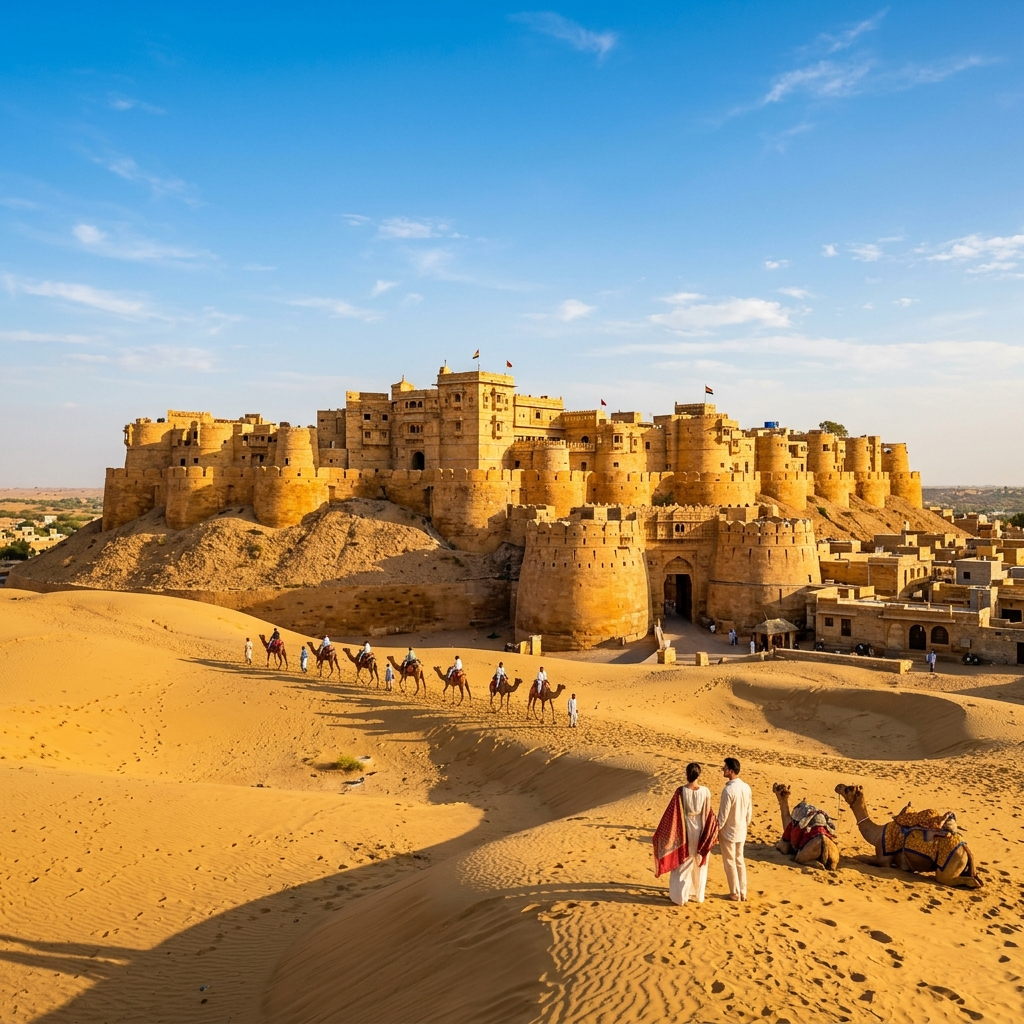
The road west empties out. Khejri trees, mud houses with thatch, shepherds and camels, and a sky that grows steadily larger. Then Jaisalmer lifts out of the horizon in honey-coloured sandstone. The evening brings a private performance by musicians of the Thar — Manganiar and Langa traditions, played on instruments most audiences never see.
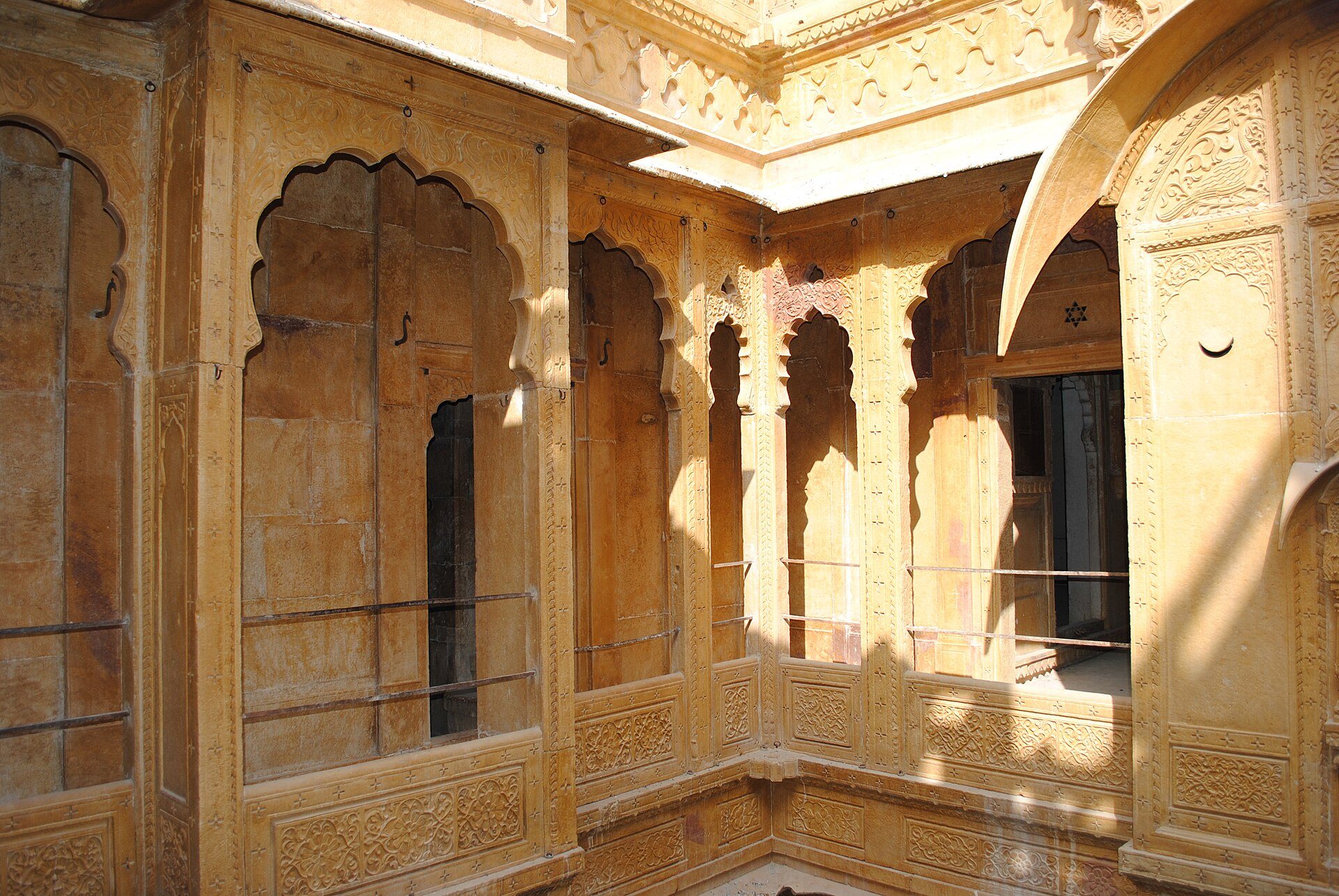
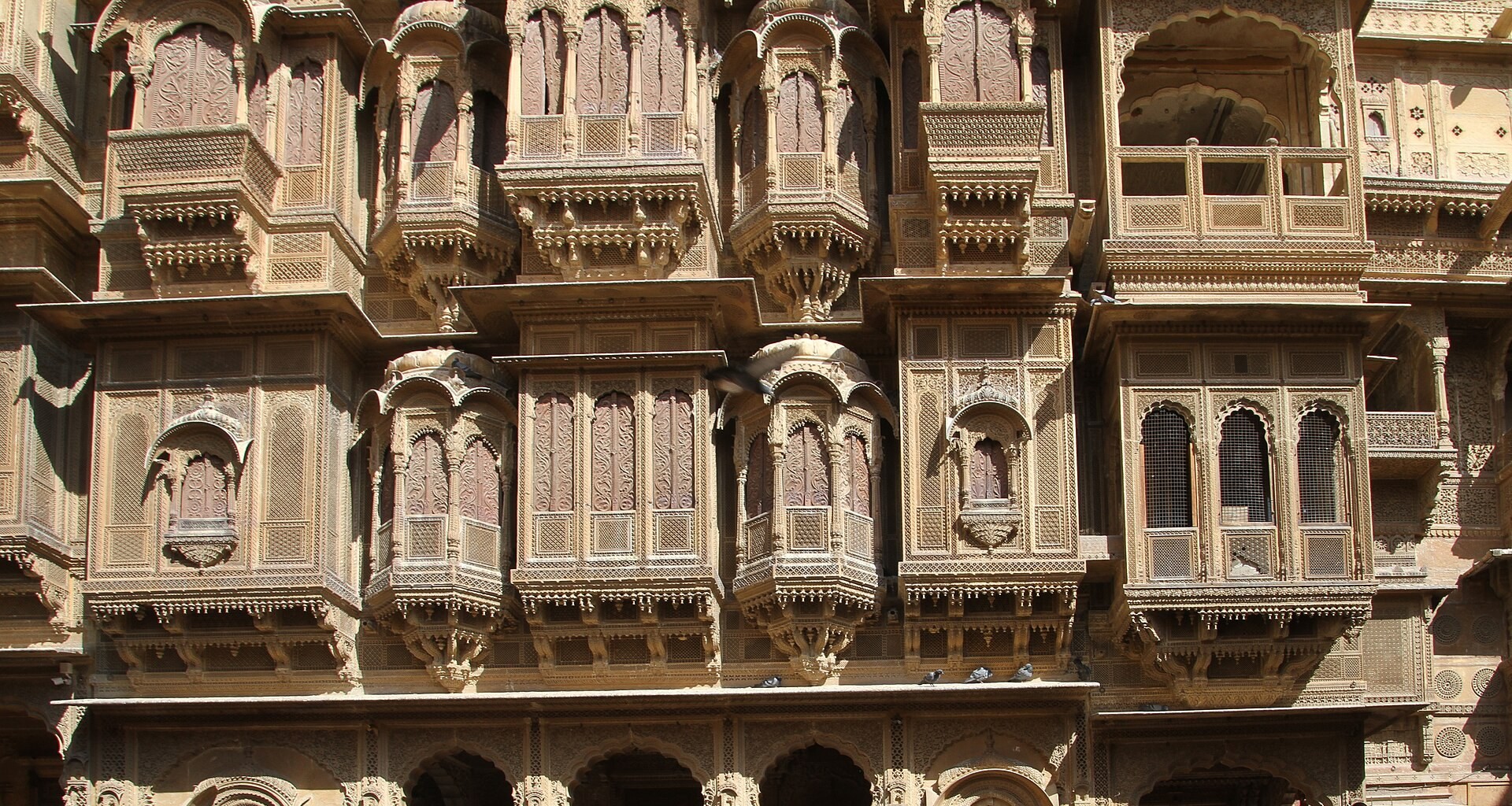
Jaisalmer Fort is one of the very few forts anywhere still inhabited — some four thousand people live inside the walls, which makes walking it an act of moving through a town rather than a monument. Within it, the Jain temples; below it, Patwon Ki Haveli, five merchant mansions of extravagant filigree. Gadisar Lake at the end of the afternoon. The evening is spent cooking with a priest's family in the old city — strictly vegetarian, entirely home-taught: dal baati, gatte ki sabzi, rabodi, breads over open flame, eaten together afterwards.
A long, open drive through the desert heartland — arid plains, scattered dunes, grazing camels, and villages where the pace has not changed much. It is a transfer, but the landscape does the work.
Local Family Dining ExperienceHomemade vegetarian meal with a local priest family.
Fire Dance CeremonyA religious ritual performed by local Siddh communities for deep cultural immersion.
Travel Curator Advisory
""
Mandawa
Day 18 | An Unconquered Fort
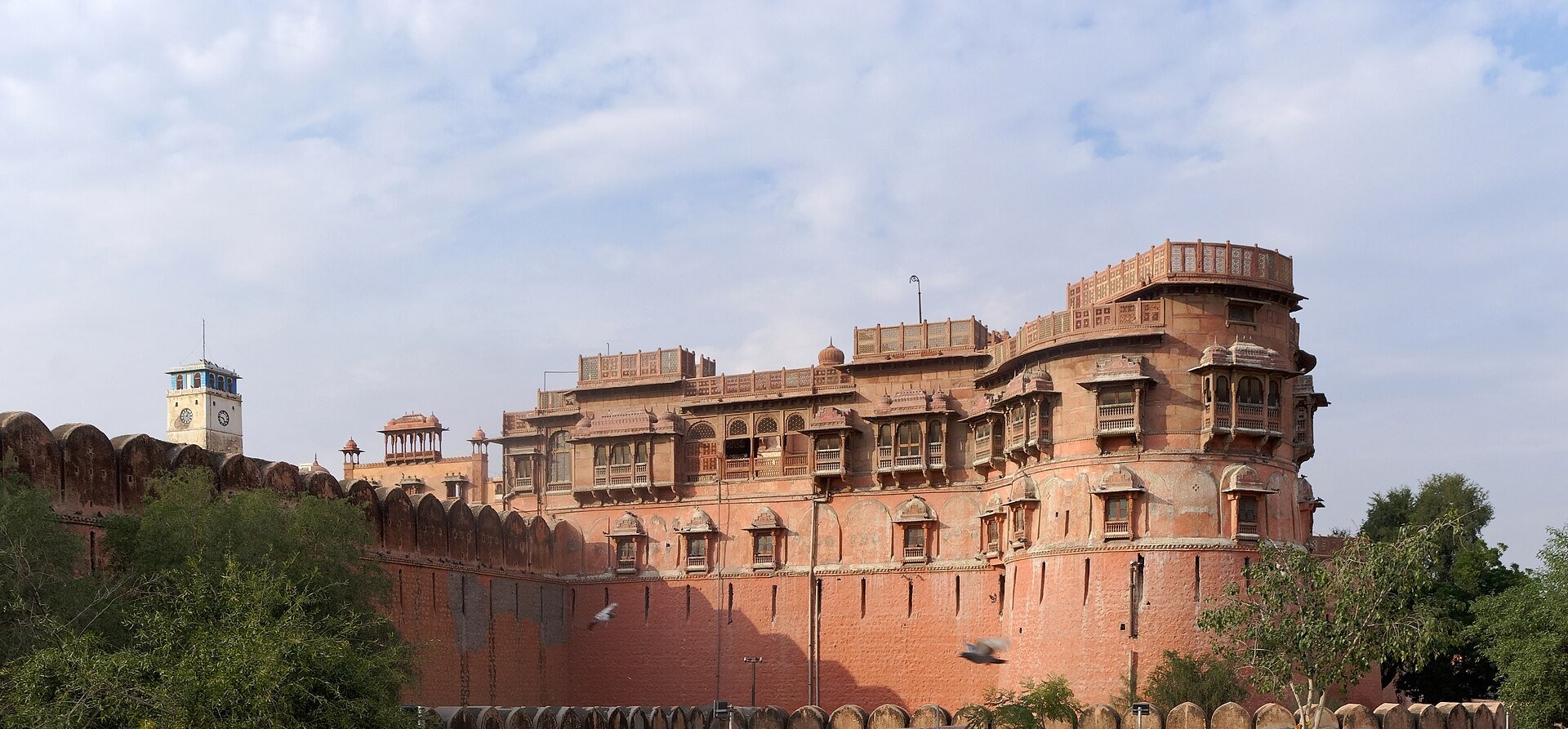
Junagarh is unusual among Rajasthan's forts in standing on flat ground rather than a hilltop, and more unusual in never having been taken. Built in 1593 by Raja Rai Singh, a general of Akbar's, its severity outside conceals rooms of considerable delicacy. The afternoon drive reaches Mandawa, in the Shekhawati.
LodgingVivana Haveli, Mandawa
Meal OptionsDinner at the haveli
Junagarh Fort, Bikaner — built at ground level, never taken
Travel Curator Advisory
""
Mandawa
Day 19 | Painted Towns
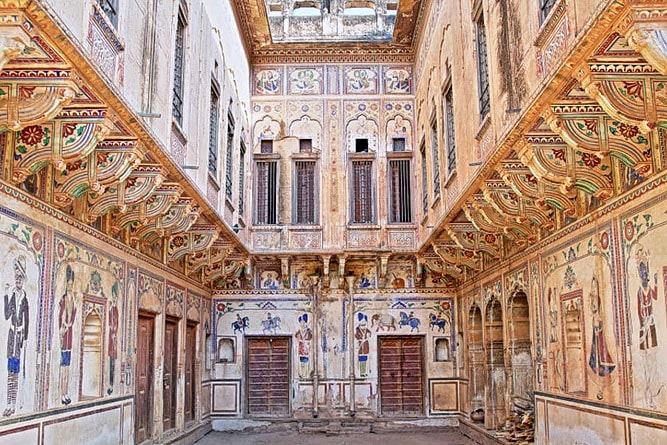
Shekhawati was made rich by Marwari merchants on the caravan routes, and they spent it on their houses — frescoes across entire façades, courtyards and jharokhas, mythology beside royal processions beside, occasionally, a painted motor car or gramophone as the modern world arrived. Mandawa and Nawalgarh are walked slowly, including private mansions not generally opened.
LodgingVivana Haveli, Mandawa
Meal OptionsDinner at the haveli
Frescoed haveli courtyard in the Shekhawati region
After breakfast, the drive to Delhi International for onward flights. Departures after 7 pm allow the transfer to be made without hurry; where an earlier flight or a final night in the capital suits better, we arrange a hotel near the airport.
Lodging—
Meal OptionsBreakfast at the haveli
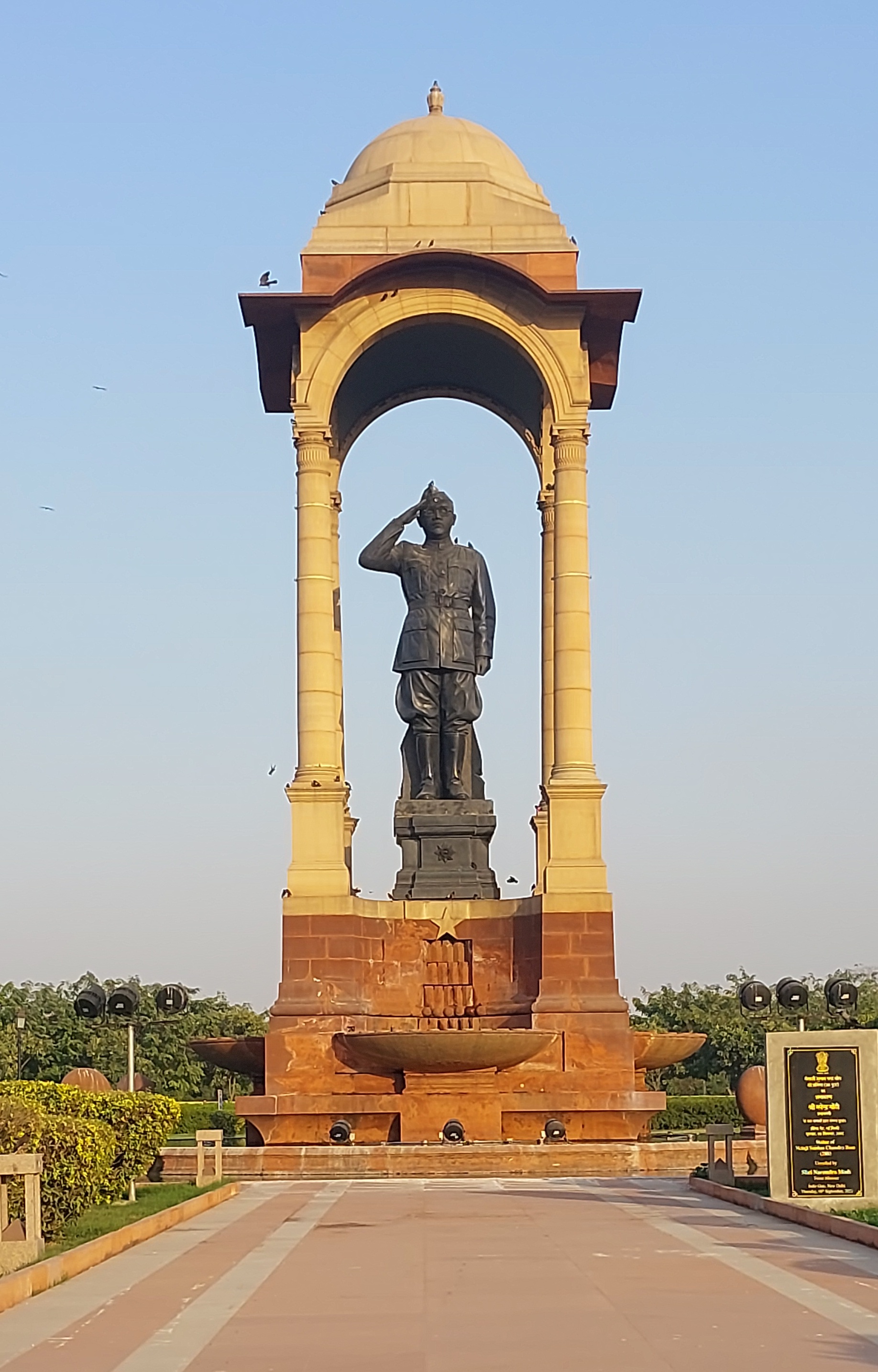
India Gate, New Delhi
Travel Curator Advisory
""
At a Glance
The Route
At a Glance
When to Go
Jan
Feb
Mar
Apr
May
Jun
Jul
Aug
Sep
Oct
Nov
Dec
Best time
Next best
Best avoided
Oct – Nov · Autumn
Comfortable across the north and centre after the monsoon; some warm days remain.
Dec – Feb · Winter
Peak season for Rajasthan, Delhi and Agra — sunny days, cold mornings, occasional dawn fog. The south stays warm.
Mar – Apr · Spring
Pleasant in March, hot by April, especially across the north and Rajasthan.
May – Jun · Summer
Very hot in the north and centre; the Himalaya and parts of the south stay comfortable.
Jul – Sep · Monsoon
Intermittent rather than constant rain, landscapes at their greenest; some hill roads and wildlife parks close.
The colour bar is tuned to this journey's region; the notes above summarise India's seasons overall. Every journey is private and can be arranged year-round — your curator will advise the finest window for your dates.
Every itinerary is individually tailored around your preferred pace, travel dates, and chosen level of accommodation exclusivity. Connect with a curator to begin your journey.
Every departure is private — your dates, your pace. The finest windows fill first: palace suites ask 4–6 months’ notice in the golden season, and festival weeks a year.
A Travellers' Choice award and a five-star average on TripAdvisor — earned on the ground by India Personal Tours (IPT Travel), the ground-operations arm that runs every Elevated India journey.
Member of the Indian Association of Tour Operators and a Recognised Agency of the Ministry of Tourism, Government of India — operated in-house by IPT Travel Private Limited, New Delhi (CIN U63040DL2012PTC237342). Nothing is subcontracted.