Titelfoto: Placeholder — wants our own photography from Assam and the Khasi Hills
The seven states east of Bangladesh, joined to the rest of India by a corridor twenty-odd kilometres wide, are the part of the country that most comprehensively fails to match the picture in a first-time visitor's head. There are no forts and no maharajasMaharajaA ruling Indian prince — literally 'great king'; a maharani is his queen, or a princess ruling in her own right.Read in the glossary. The food is not the food. The faces, the languages, the architecture and the religions are different, and the landscape — river plain, rainforest, and hills that get more rain than almost anywhere on earth — belongs to south-east Asia at least as much as to the subcontinent.
It is also, by a distance, the least-visited region of India relative to what is there. That is partly geography, partly a history of restricted access, and partly the fact that almost nobody writes about it. This is an attempt at the piece we would want a guest to read before asking us about it.
The permits, which decide everything else
Start here, because in this region the paperwork is not a formality — it determines which states are in your itinerary.
Assam and Meghalaya require no Inner Line Permit. They are, in permit terms, as straightforward as anywhere else in India, and that is the principal reason they make the right first trip into the north-east.
Nagaland is different, and it changed recently. Every foreign national visiting Nagaland must now hold a Protected Area Permit. It can be obtained from the Ministry of Home Affairs, Indian missions abroad, the FRROs, the Home Commissioner of Nagaland, the Resident Commissioner of Nagaland in New Delhi, or the Secretary of Tourism, and applications are made online through the e-FRRO portal. A second requirement catches people: on arrival, you must register with the Foreigners Registration Officer of the district concerned within 24 hours.
Arunachal Pradesh, Manipur and Mizoram also sit under the protected-area regime for foreign nationals, and Indian citizens need an Inner Line Permit for Arunachal Pradesh, Nagaland, Manipur and Mizoram.
None of this is onerous if it is done in the right order and early. All of it is a problem if it is left until the flights are booked. Rules in this region have been tightened and relaxed more than once, so confirm the current position close to travel rather than relying on any guide written earlier — including this one.
Assam: the river and the rhinos
Assam is the floor of the region: the Brahmaputra valley, tea gardens running to the horizon, and a river so wide in places that the far bank is a rumour. It is the gateway in every practical sense — Guwahati is the hub the domestic network connects to, and almost every north-east itinerary starts or ends there.
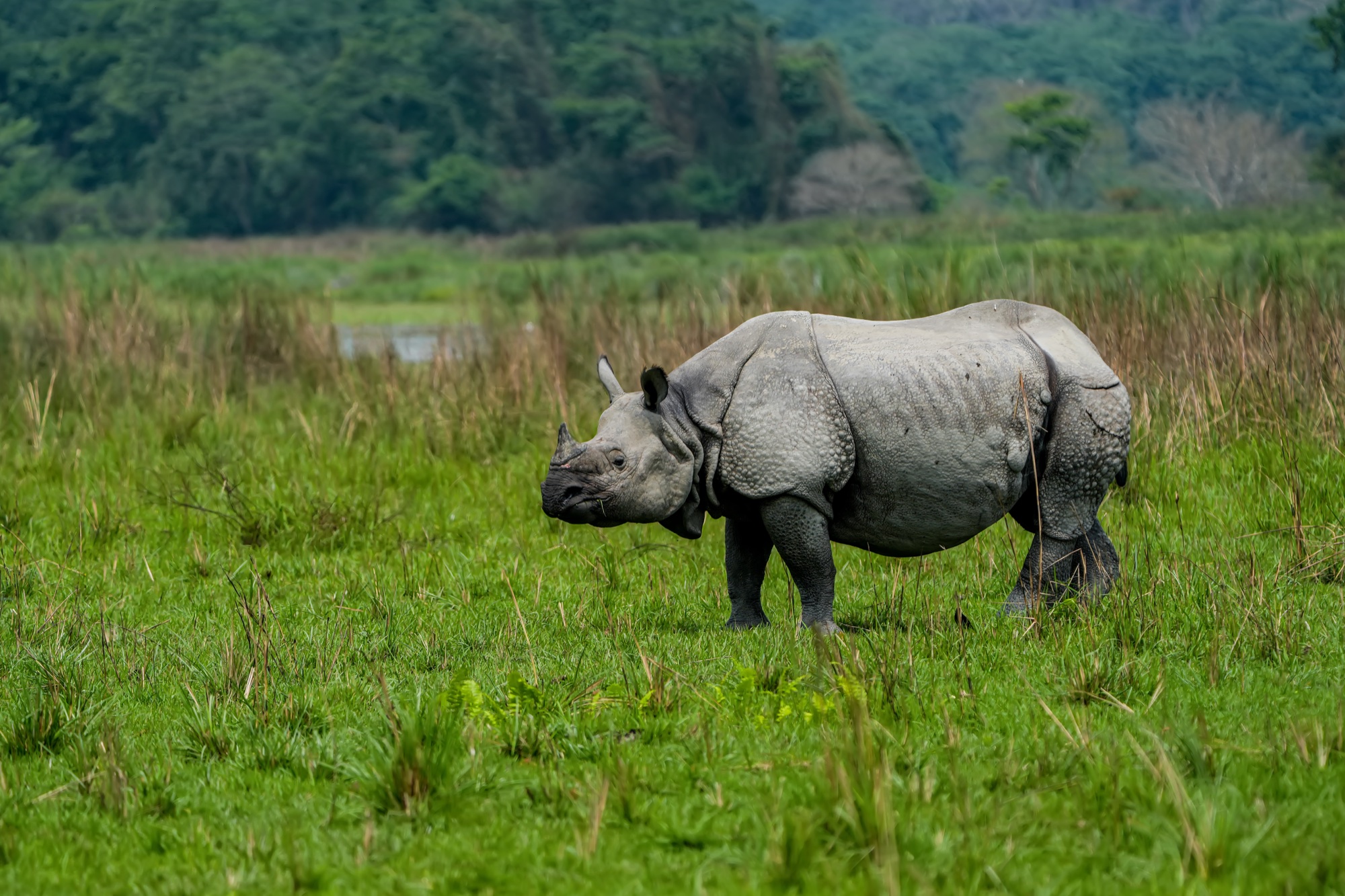
Kaziranga is the reason most people come. The park's grasslands hold the bulk of the world's greater one-horned rhinoceros, alongside wild elephant, swamp deer and a tiger population that is dense but rarely seen. The experience is genuinely unlike a Rajasthan or Madhya Pradesh safari: tall elephant grass, wet ground, and rhino at close quarters in open country.
The season is set by the river. Kaziranga floods during the monsoon — this is a normal annual event rather than a disaster, and the park closes for it — and reopens once the water has dropped. The exact opening date moves with the water and is announced for each season, so it is worth confirming rather than assuming; the reliable planning window is the cool, dry months from late autumn through spring.
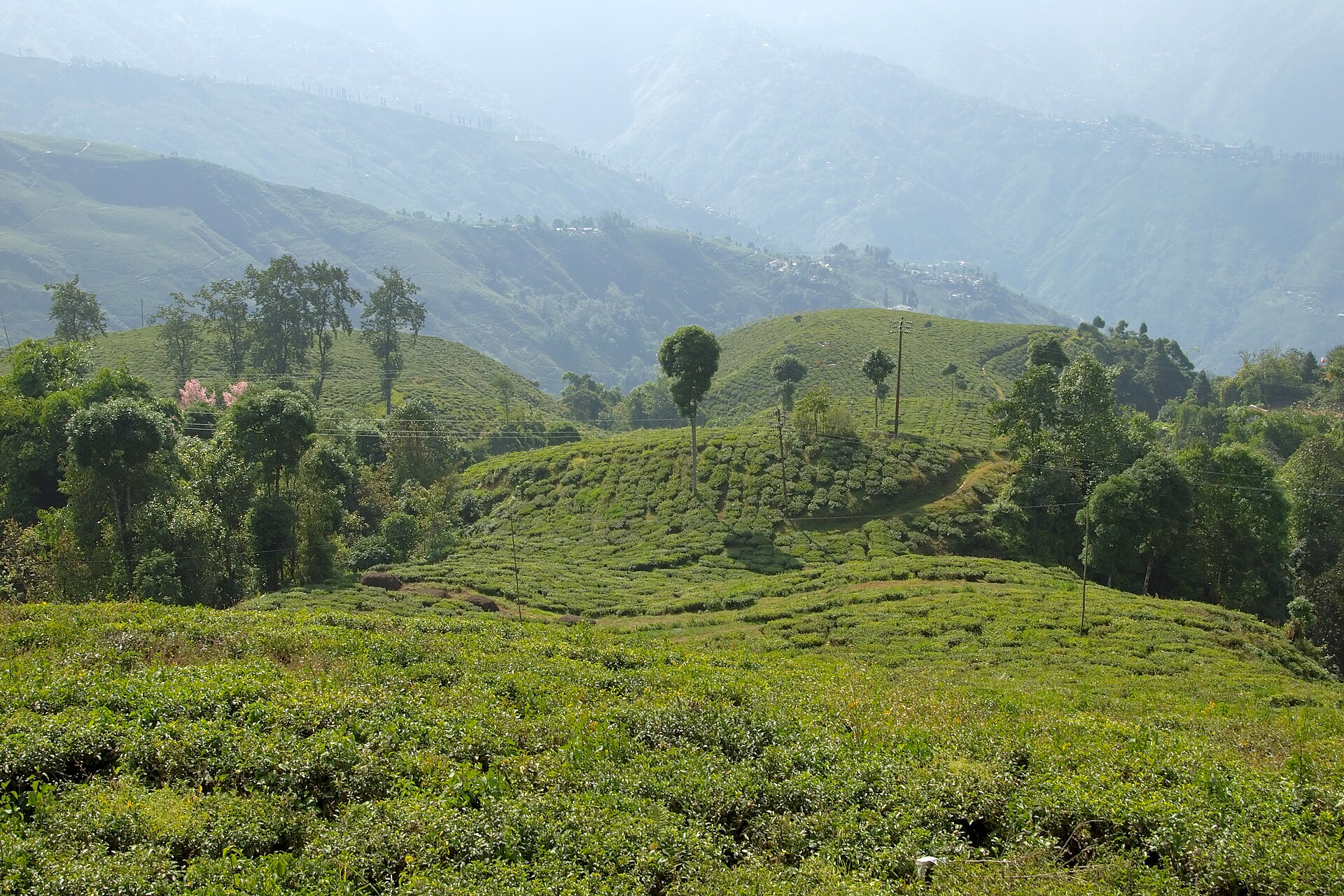
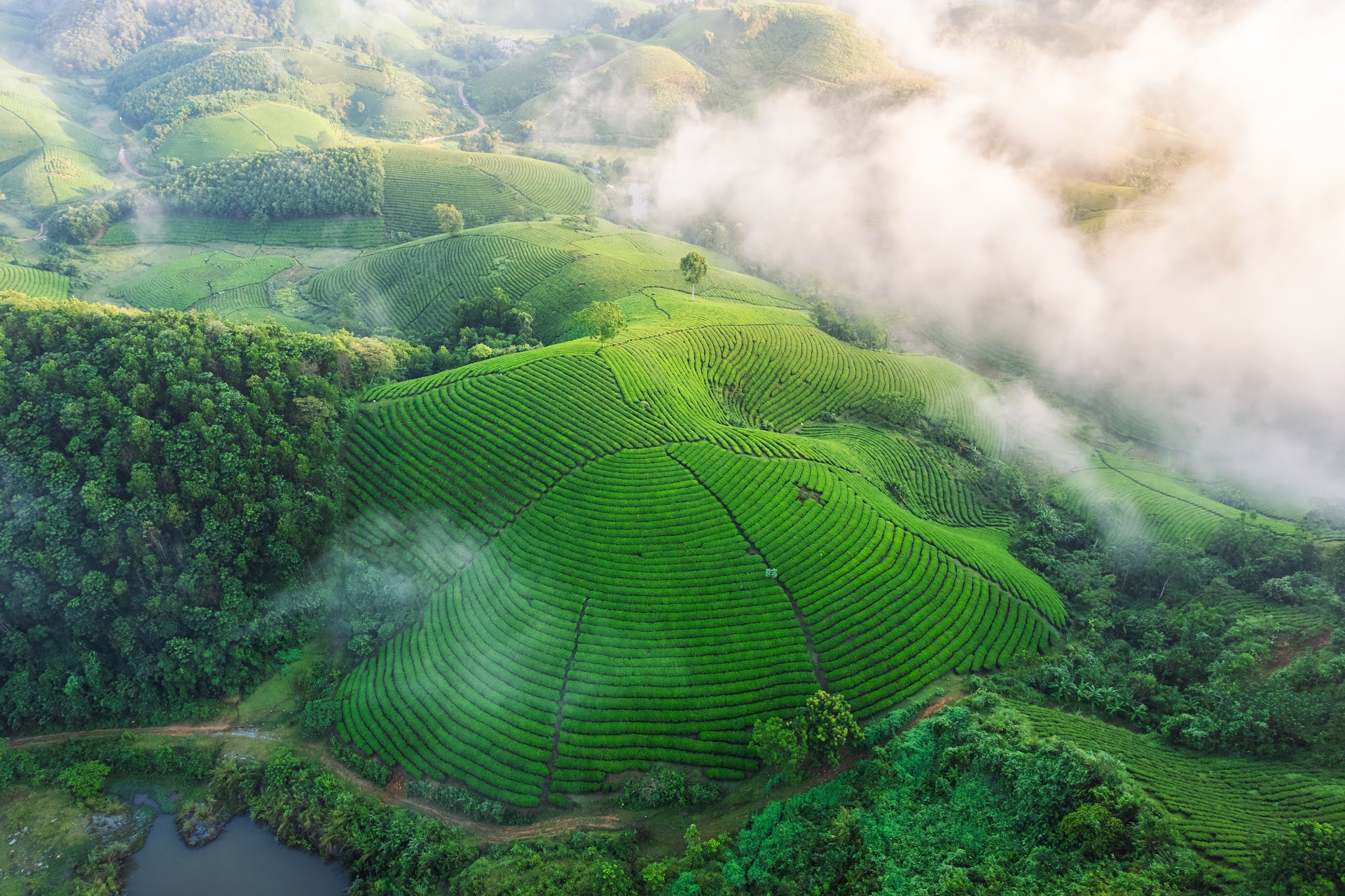
Then the tea. Assam is the single largest tea-growing region in the world by production, and a night in a planter's bungalow on a working garden is one of the quietly great stays in India — colonial-era houses, enormous verandas, and an estate that still gets up at five to pluck.
Upstream, Majuli is a large inhabited river island in the Brahmaputra, home to Vaishnavite monastic communities — the satras — whose dance, mask-making and manuscript traditions have been maintained for centuries. It is reached by ferry, it moves at the pace of a place reached by ferry, and it rewards two nights rather than one.
Meghalaya: the wettest hills on earth
Meghalaya means 'abode of clouds' and it earns the name. The southern escarpment of the Khasi Hills catches the monsoon coming off the Bay of Bengal and turns it into rainfall figures that are difficult to believe — Sohra, still widely known as Cherrapunji, and Mawsynram are among the wettest inhabited places recorded anywhere on the planet.
What that water produces is the region's signature: gorges, waterfalls that fall hundreds of metres in a single drop, limestone cave systems among the longest in the subcontinent, and the living root bridges. Those last are the thing people come for and they are exactly as remarkable as the photographs suggest — the Khasi have trained the aerial roots of rubber fig trees across streams over decades until they form a structure that carries weight and keeps growing. The best known are in the valley below Tyrna, reached on foot and down a very large number of steps; they are a proper walk rather than a viewpoint, and the descent is the easy half.
Shillong, the state capital, is a hill station with an unusual character — a strong local music culture, a Presbyterian architectural legacy, and a matrilineal society among the Khasi in which property and family name descend through the youngest daughter. It is worth understanding a little before arriving rather than treating as a curiosity on the way through.
Nagaland: the hardest to reach and the most distinct
Nagaland is where the region stops resembling anywhere else at all. Sixteen or so recognised tribes, each with its own language — Nagamese, a creole, is what gets spoken between them — and a set of cultural traditions that were essentially untouched by both MughalMughalRelating to the Muslim dynasty of Central Asian descent that ruled most of the subcontinent from the sixteenth to the eighteenth century.Read in the glossary and British India until the nineteenth century, and then transformed by Baptist missionaries with unusual completeness. It is today one of the most Christian places in Asia, and the combination of that with intact tribal identity is the thing that makes it extraordinary.
The HornbillHornbillA large forest bird with a heavy down-curved bill, often topped by a hollow casque.Read in the glossary Festival is the way most visitors see it. It runs from 1 to 10 December every year at Kisama Heritage Village, just outside Kohima, organised by the state's tourism and art and culture departments as a deliberate meeting point for the tribes. Fixed annual dates make it one of the very few things in the Indian festival calendar you can book a year out with confidence.
It is worth being honest about what it is. This is a state-organised cultural festival, not an undiscovered ritual — the morungs are reconstructions, the audience is substantially Indian and international, and it has grown a great deal. That does not make it inauthentic; it makes it a curated introduction, and a very good one, to cultures that would otherwise take months to meet. The tribes take part on their own terms, and what happens in the villages during the same week is frequently the better part of the trip.
Kohima also holds the war cemetery, where the 1944 battle halted the Japanese advance into India. For British and Commonwealth visitors in particular it is a serious and affecting place, and it deserves a morning rather than a stop.
How to put it together
The honest shape for a first trip is Assam and Meghalaya, ten days to a fortnight, flying into Guwahati: Kaziranga for the rhino, a tea estate for a couple of nights, then up into the Khasi Hills for the gorges and the root bridges. No permits, excellent lodges by regional standards, and enough contrast to justify the flight.
Add Nagaland when the timing is right — which in practice means early December for the Hornbill Festival — and start the permit process months rather than weeks ahead. Trying to reverse that order is the most common way these trips fail.
On timing more broadly: the monsoon here is not the monsoon of a Kerala green-season brochure. The volume of rain in the Meghalaya hills between roughly June and September is in a different category, the parks are closed, and roads wash out. The cool, dry window from late autumn into spring is when the region is at its best, and it is also when the light over the Brahmaputra is worth getting up for.
One last thing, which matters more here than almost anywhere else in India: go with a guide from the region. The languages, the tribal courtesies, the question of what may be photographed and what may not, and the difference between a village that welcomes visitors and one that would rather not — none of that is available from a book, and getting it wrong is a real discourtesy in a place that has had rather a lot of outsiders arriving on their own terms.
Fragen, beantwortet
Do foreigners need a permit to visit Nagaland?
Yes. All foreign nationals visiting Nagaland must obtain a Protected Area Permit, available from the Ministry of Home Affairs, Indian missions abroad, the FRROs, the Home Commissioner of Nagaland, the Resident Commissioner of Nagaland in New Delhi or the Secretary of Tourism, with applications made online through the e-FRRO portal. Foreign visitors must also register with the district Foreigners Registration Officer within 24 hours of arriving.
Do you need a permit for Assam or Meghalaya?
No. Neither state requires an Inner Line Permit, which is why they make the natural first trip into north-east India. Permit rules across the region have changed more than once, so confirm the current position close to your travel date.
When is the Hornbill Festival in Nagaland?
From 1 to 10 December every year, at Kisama Heritage Village near Kohima, organised by the Nagaland government's tourism and art and culture departments. The fixed annual dates make it one of the few Indian festivals you can plan a trip around a year in advance — which is useful, because foreign visitors need a Protected Area Permit arranged well beforehand.
What is the best time to visit north-east India?
The cool, dry months from late autumn into spring. The monsoon in the Meghalaya hills is in a category of its own — Sohra and Mawsynram are among the wettest inhabited places on earth — and Kaziranga closes when the Brahmaputra floods, reopening once the water drops.
What is there to see in Kaziranga?
Kaziranga's grasslands hold the bulk of the world's greater one-horned rhinoceros, along with wild elephant, swamp deer and a dense but rarely seen tiger population. The terrain — tall elephant grass and wet ground — makes it a distinctly different safari from the dry forests of Rajasthan or Madhya Pradesh.
What are the living root bridges in Meghalaya?
Structures the Khasi have formed by training the aerial roots of rubber fig trees across streams over decades until they carry weight — and they keep growing. The best known lie in the valley below Tyrna and are reached on foot down a very long flight of steps, so they are a serious walk rather than a viewpoint.
Reisen, die Sie dorthin bringen
Weiterlesen