Tag 1 | Arrival
Met inside the arrivals hall at Indira Gandhi International and driven to the hotel. Nothing is scheduled. Nine cycling days are coming, and the first of them is easier on legs that have slept.

Empfehlung Ihres Reisekurators
""
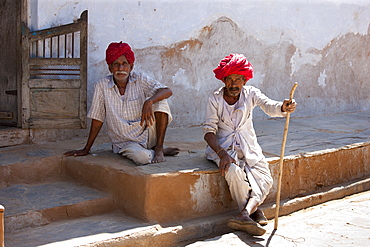
Fourteen days and nine riding days from the lakes of Udaipur to the edge of the desert at Jodhpur — climbing the Aravallis, crossing mustard country, and riding into leopard territory at Jawai. Averaging 40km a day, easy to moderate.
14 Days / 13 Nights · 9 cycling days
Delhi, Udaipur, Kumbhalgarh, Ghanerao, Jawai, Jojawar, Sardar Samand, Jodhpur
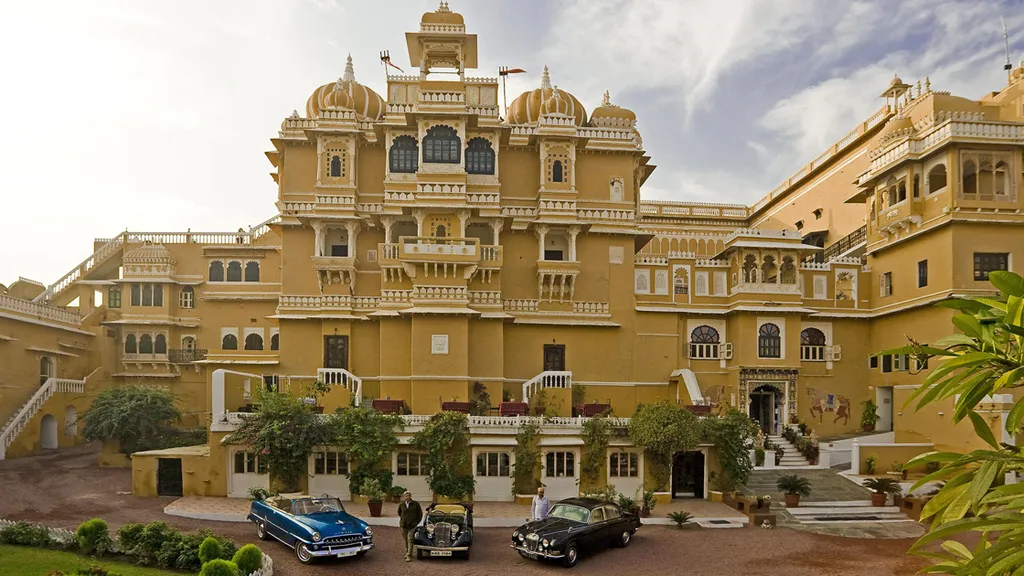
Palace hotels in Udaipur and Jodhpur, a castle at Ghanerao, a safari camp at Jawai and the Maharaja's old shooting lodge above Sardar Samand lake
Auf Anfrage pro Person
Hybrid bicycles with a support vehicle throughout, plus internal flights Delhi – Udaipur and Jodhpur – Delhi and a heritage train through the Aravallis
Optionale Zusatzleistungen: chauffierte Flotte · PrivatcharterWarum diese Reise, mit diesem Haus
Keine Gruppen, keine Fremden — diese Route, allein um Sie herum neu komponiert.
Eigene Flotte und Fahrer — zwei Jahrzehnte auf genau diesen Straßen.
Kuratoren, die in jedem Palast, jeder Lodge und jedem Atelier am Weg mit Namen bekannt sind.
Straße, Flug, Unterkünfte und Momente — ein Ansprechpartner verantwortet alles.
Private Reisen starten, wann Sie es wünschen; wir beraten zu den besten Zeitfenstern.
Met inside the arrivals hall at Indira Gandhi International and driven to the hotel. Nothing is scheduled. Nine cycling days are coming, and the first of them is easier on legs that have slept.

""
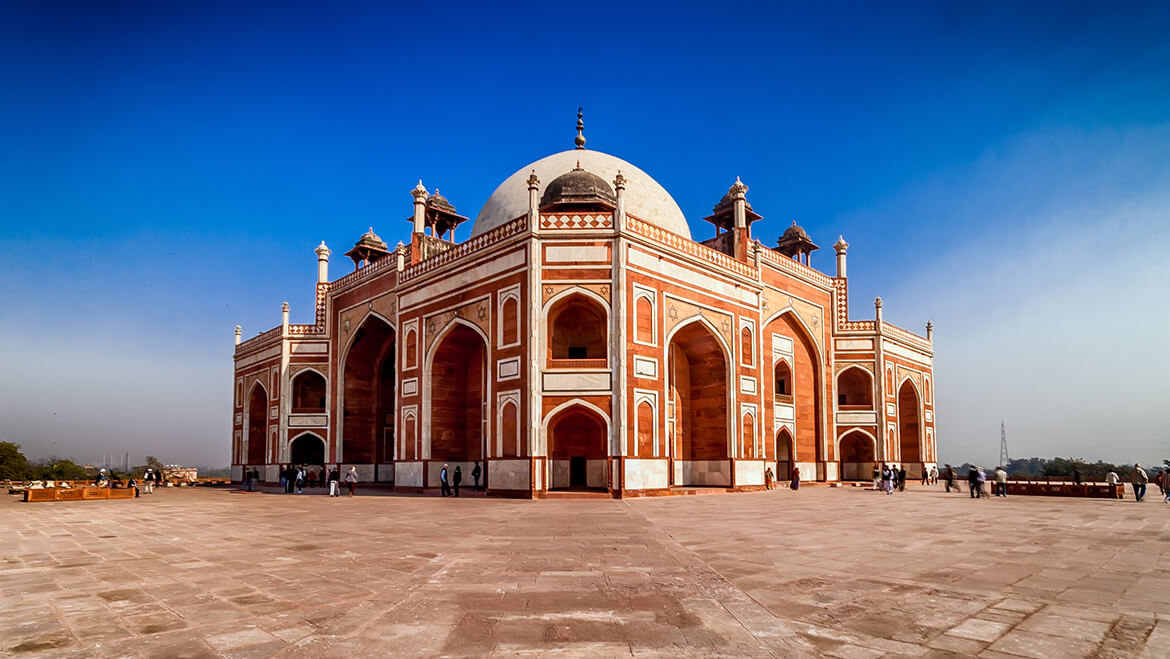
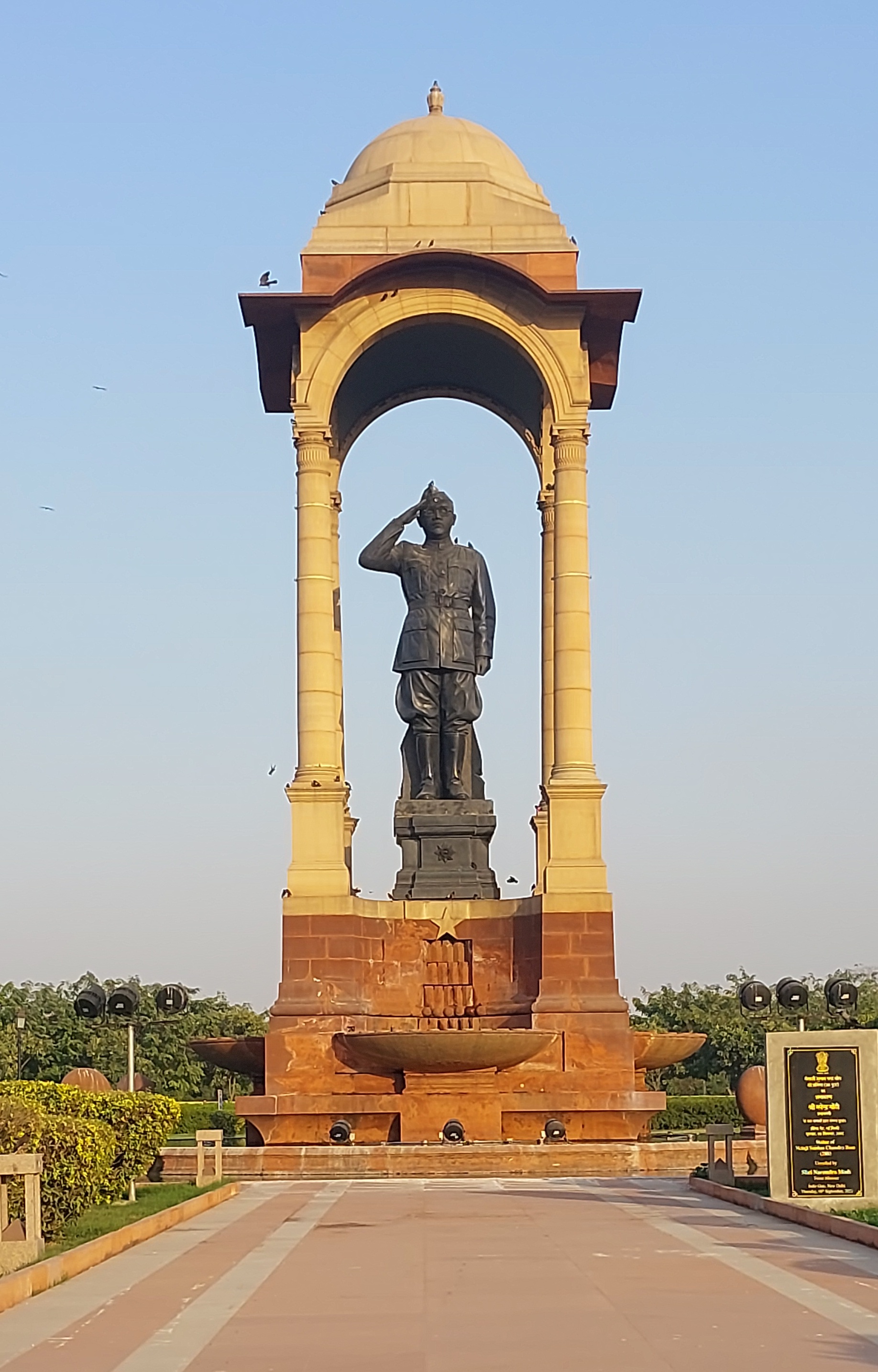
India Gate and Humayun's Tomb in the imperial south, then Old Delhi by rickshaw and on foot — the spice market at Khari BaoliStepwellA well reached by a long descending staircase, so that water can still be drawn as the water table falls.Read in the glossary, Chandni Chowk, and Paranthe Wali Gali, where the lane is two arms wide and lunch is eaten standing up.

""
The flight to Udaipur, met on arrival and driven in. The afternoon is free. In the evening you meet your guide for the ride briefing — the route, the road rules, the support vehicle, and a bike fitted to you rather than handed to you.

""
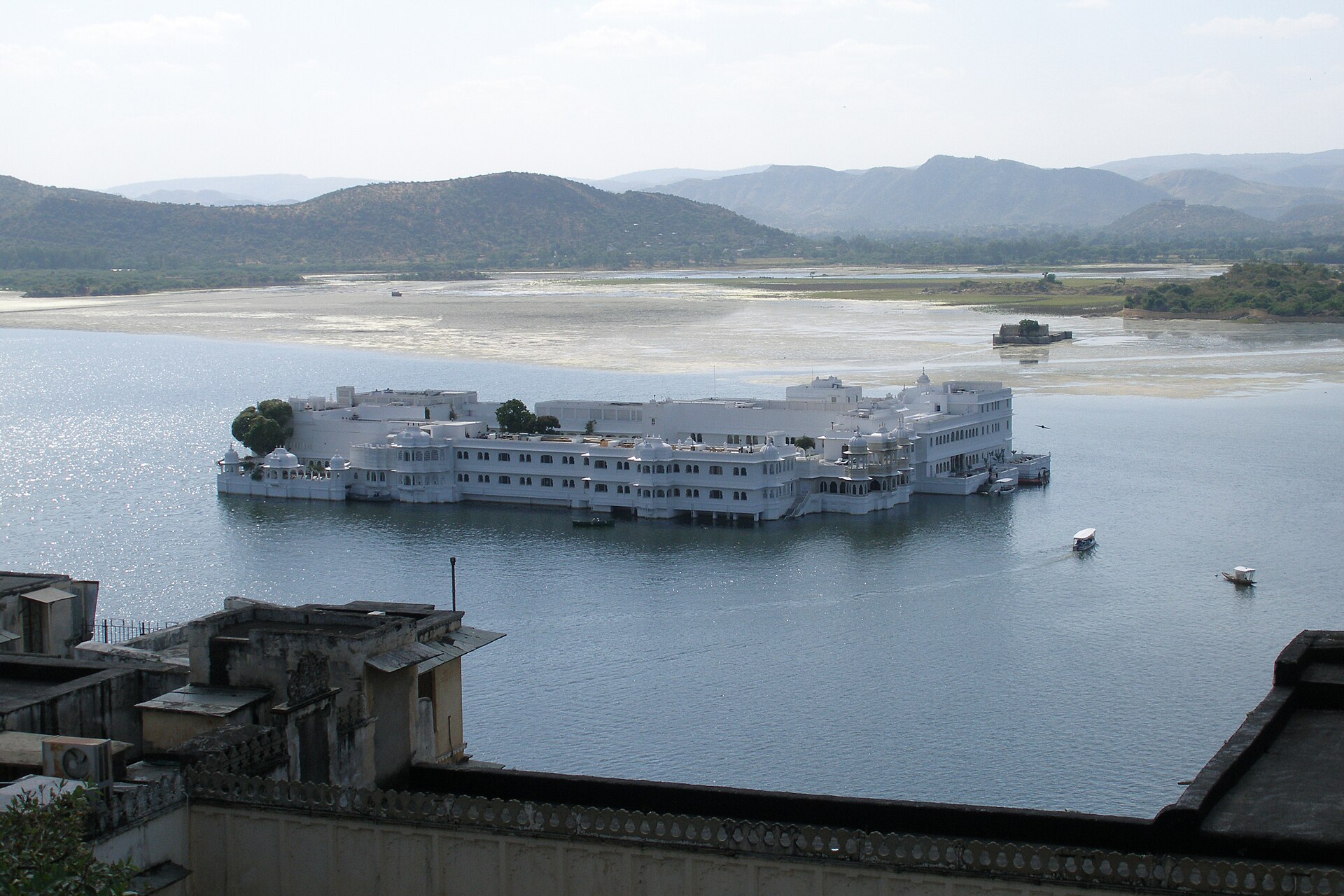
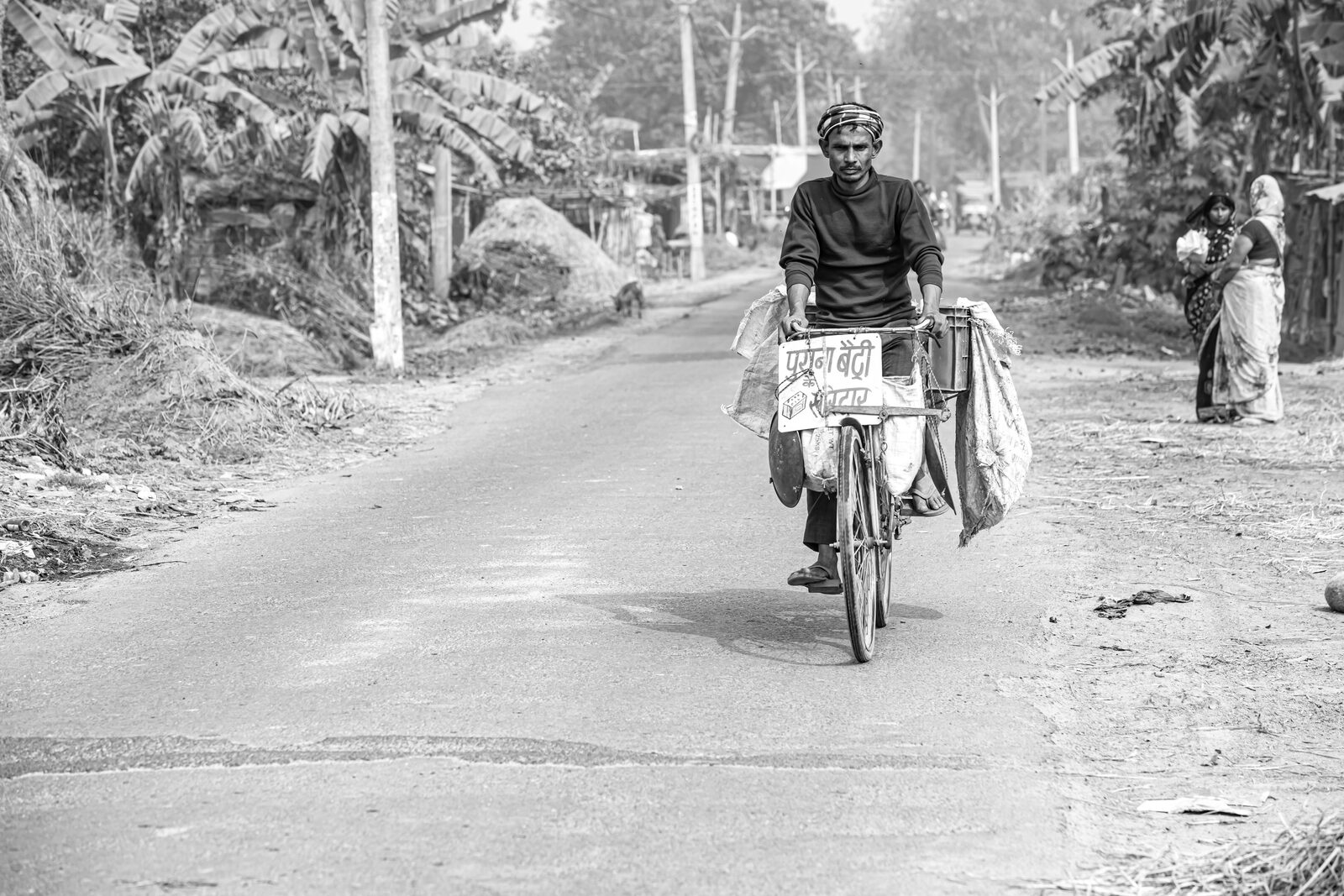
Out at eight, before the city is properly awake, and into the country around Udaipur — an easy 40km to find your legs and your gears. Back by early afternoon for the City Palace, and a boat on Pichola as the light goes. Udaipur is a jumble of sight and sound and smell and there is no useful way to hurry it.

""
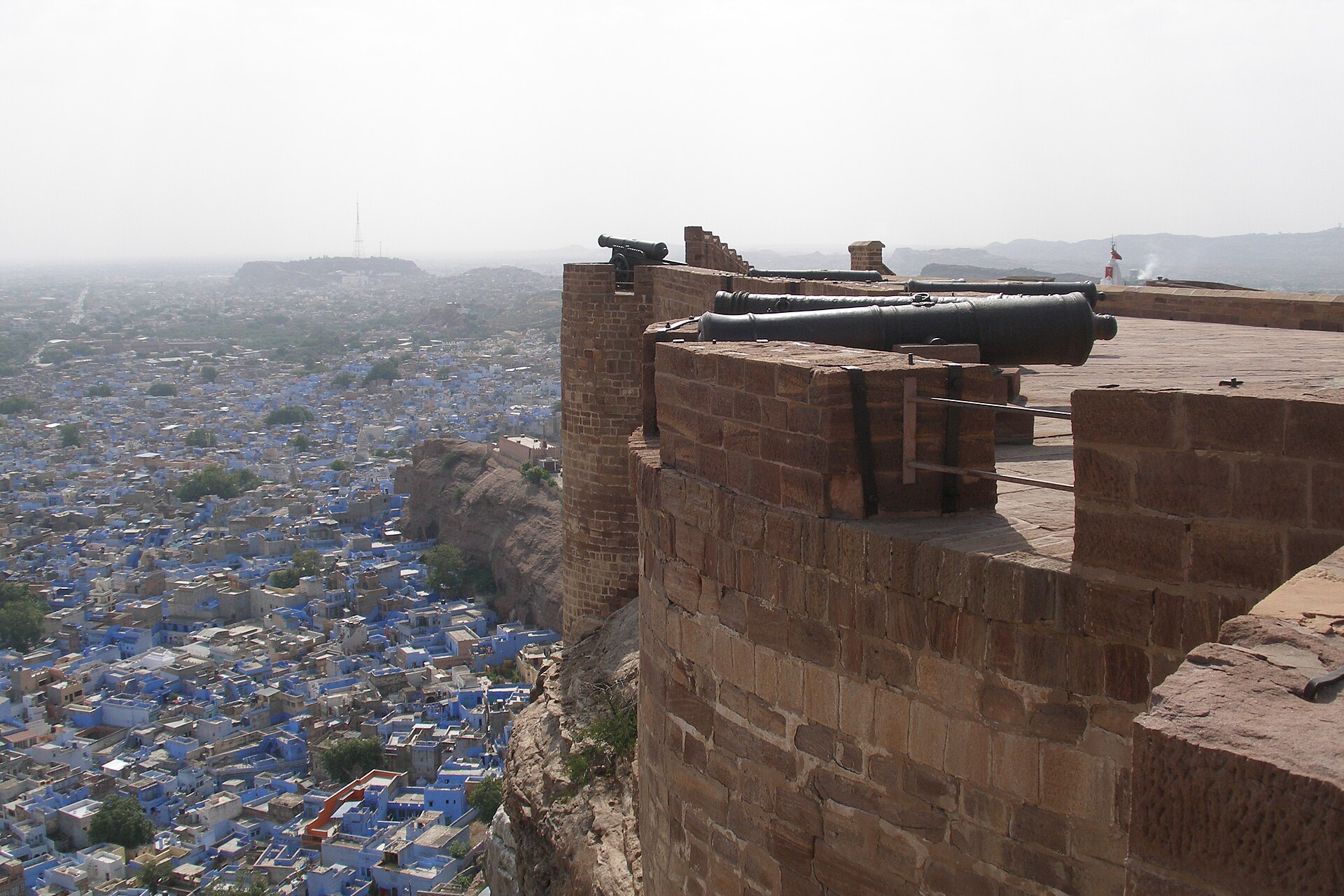
An early start and a short shuttle, then the climb. This is the finest ride of the fortnight: up into the Aravallis, through rolling hills and dhonk scrub whose leaves put colour across otherwise pale brown country. Kumbhalgarh is a fifteenth-century fort town, and in the evening you climb the fort itself — a wall 36km long, the second longest continuous wall anywhere, with 365 temples inside it.

""
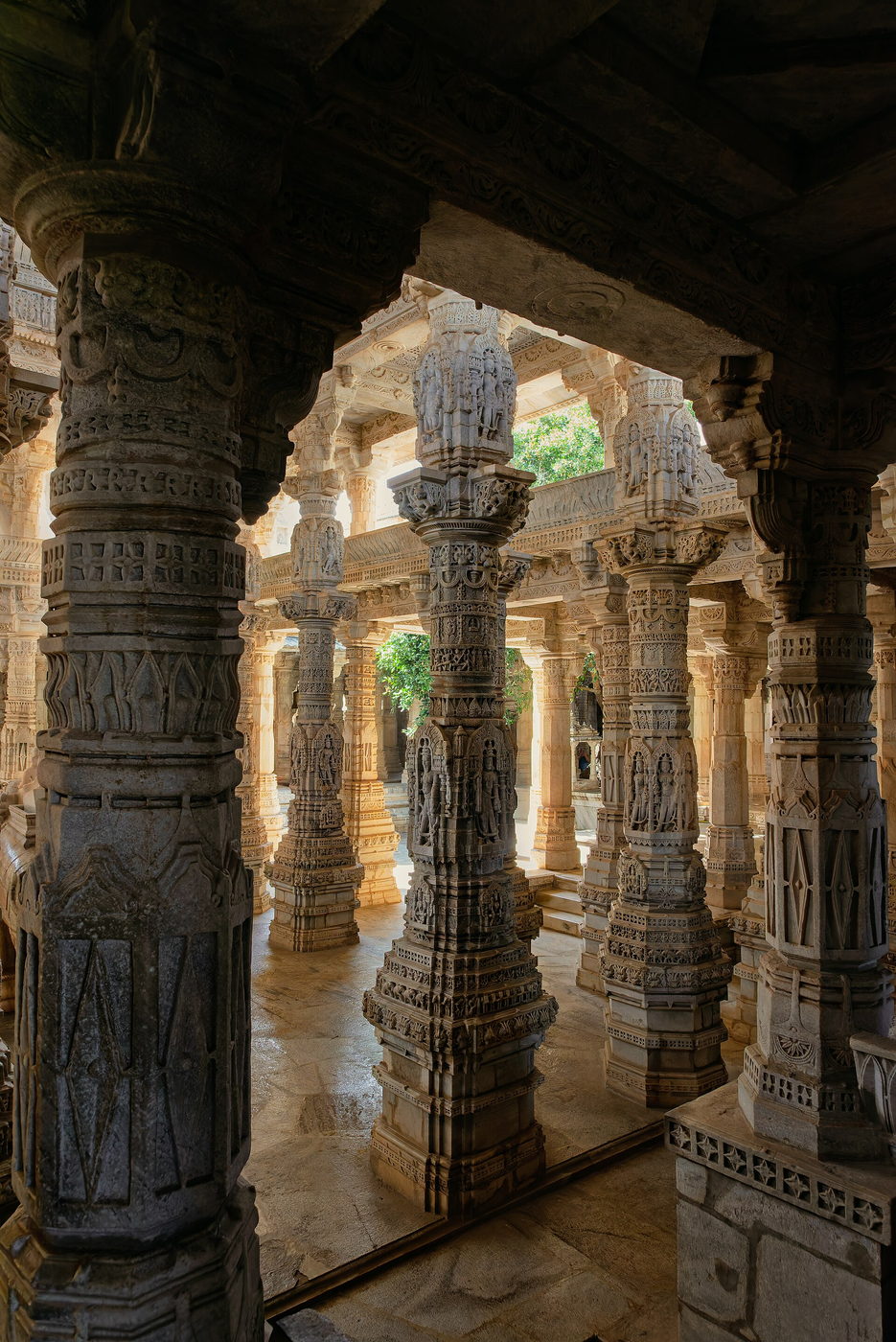
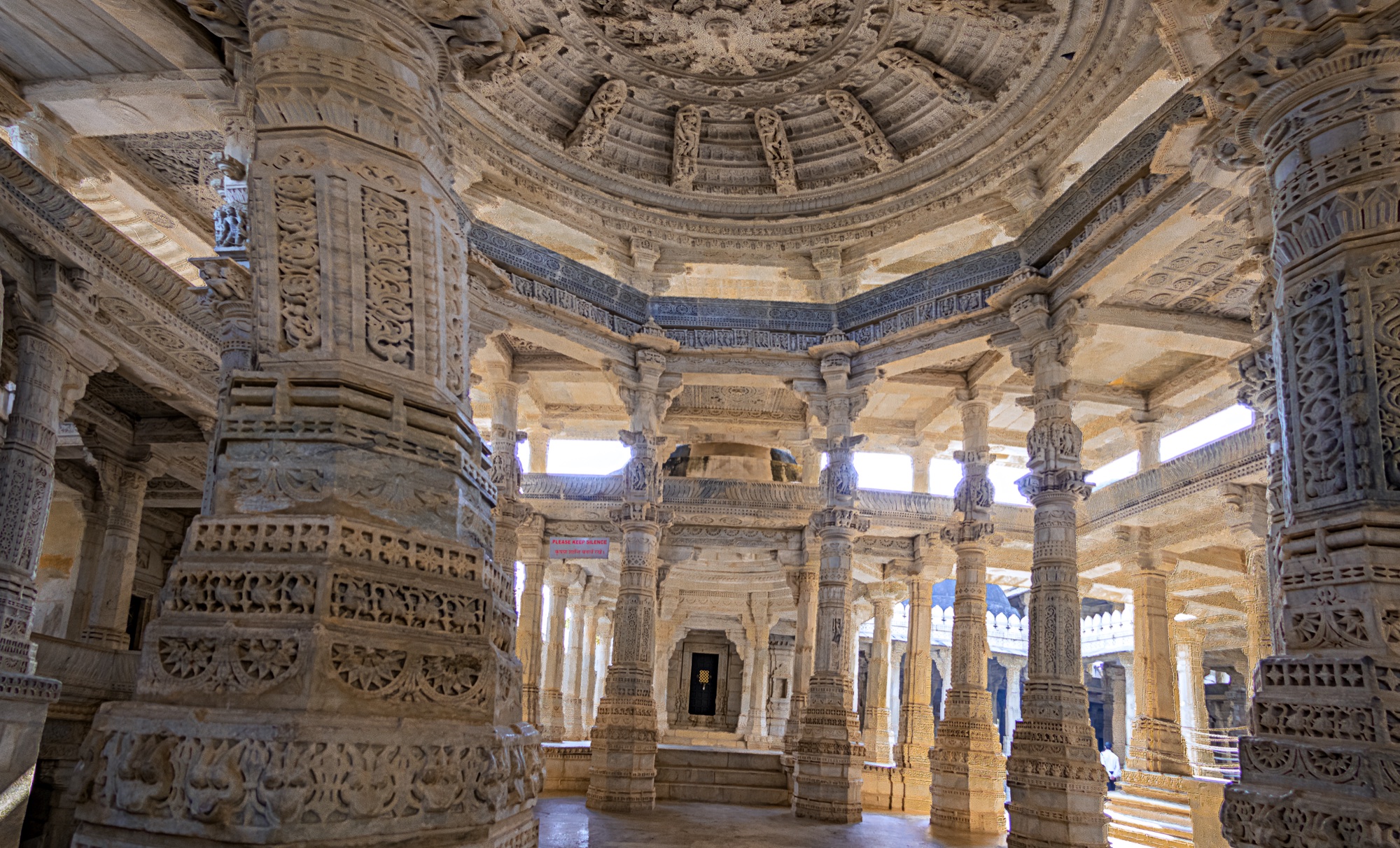
Dense forest and undulating road along the flank of the Aravallis, ending at Ranakpur. Rest and eat first, then give the temple proper time: marble worked by local craftsmen into 1,444 pillars, no two of them the same, and a single rock carved with 108 snakes whose tails cannot be told apart from one another. It is the sort of building that rearranges what you thought stone could do.

""
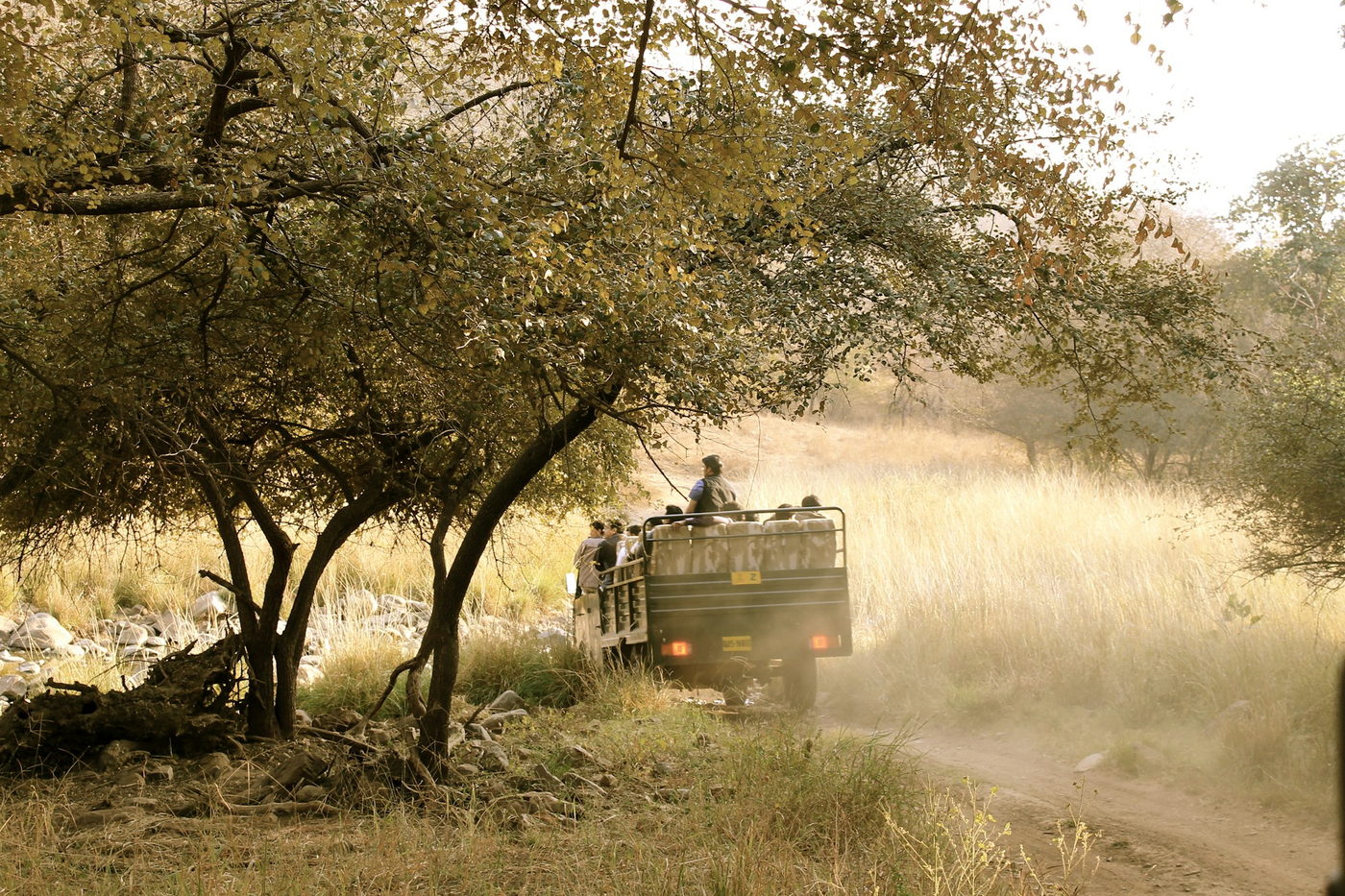
Rural riding through hamlets where the farming year is visibly under way and the women's clothes are the brightest thing in the landscape. As you approach the Jawai hills the country turns — granite domes, thorn scrub, open wilderness. Lunch at a camp set in it. In the evening, the safari: leopards live here wild and unfenced, alongside the herding communities, and neither side seems much troubled by the other.

""
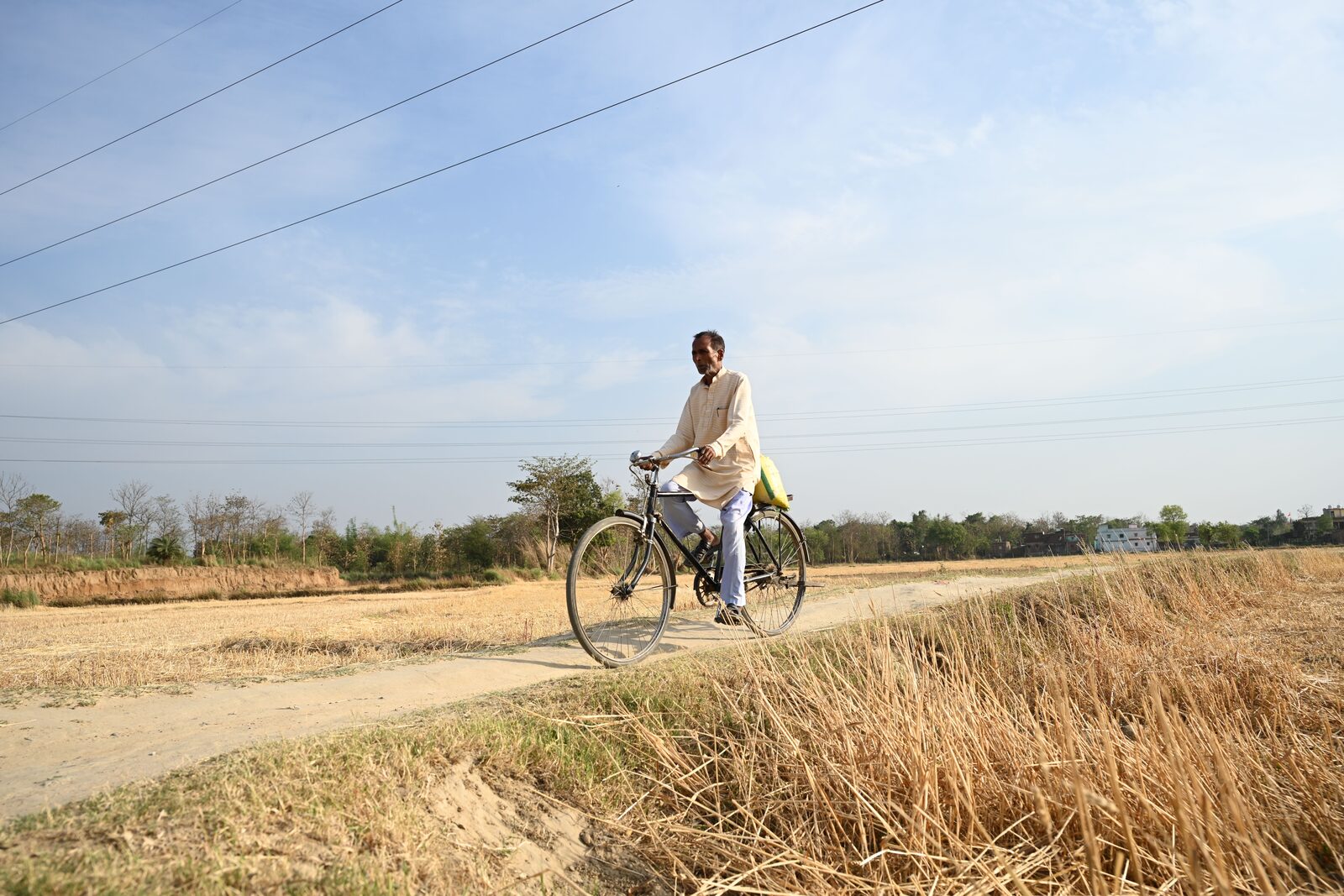
A ride out into the country around Jawai and time with the Rabari — the herding community whose people have lived alongside these leopards for generations and who will tell you, without drama, that in living memory there has been no serious trouble between them. A jeep safari again, because two attempts is how you actually see a leopard.

""
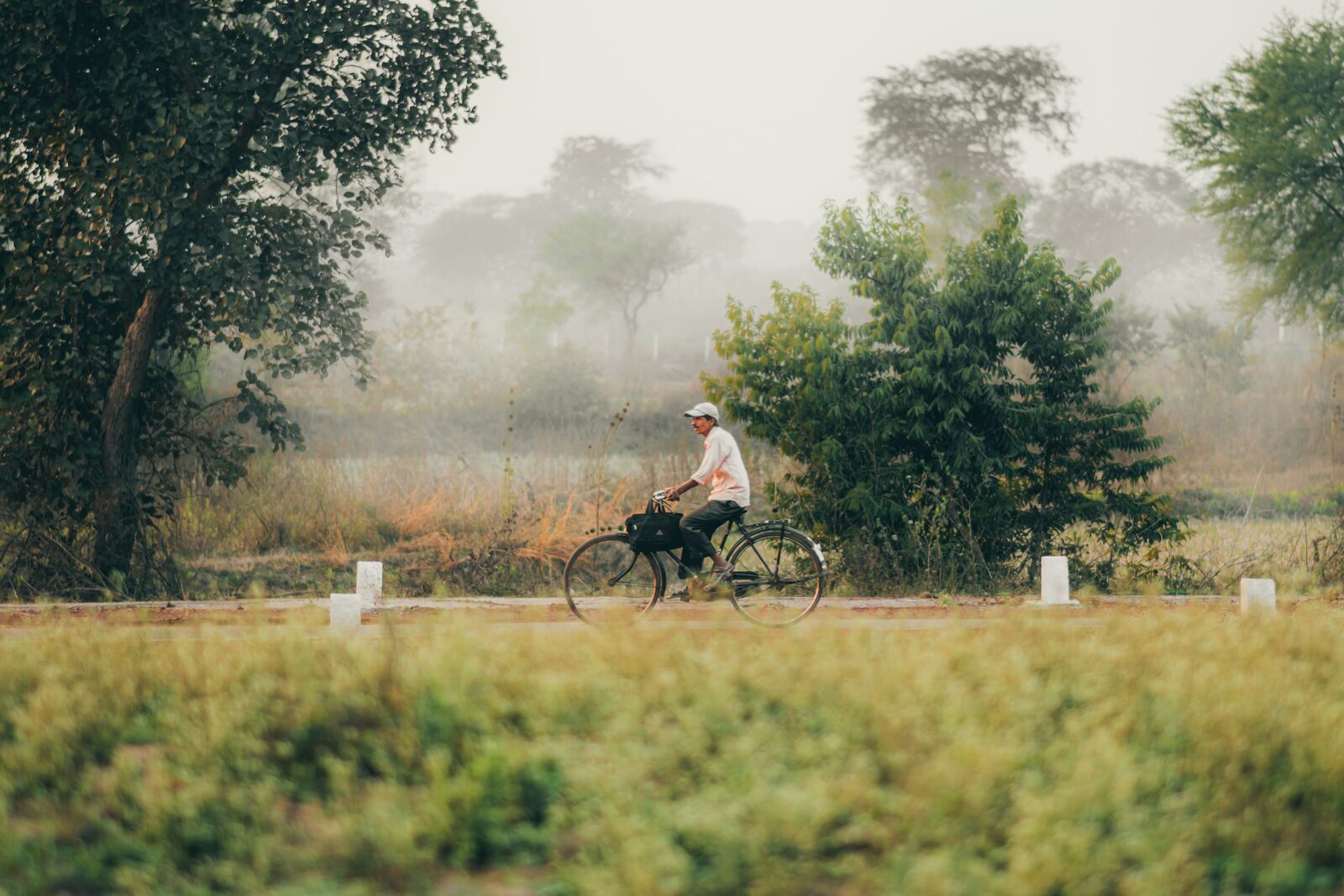
The longest day, and the easiest — largely flat, through scrub and then across carpets of mustard in flower. Lunch at Rawla Narlai, a heritage house at the foot of its granite hill, then on to Jojawar and another. Two of the best rural properties in Rajasthan in a single day, one for lunch and one for the night.

""
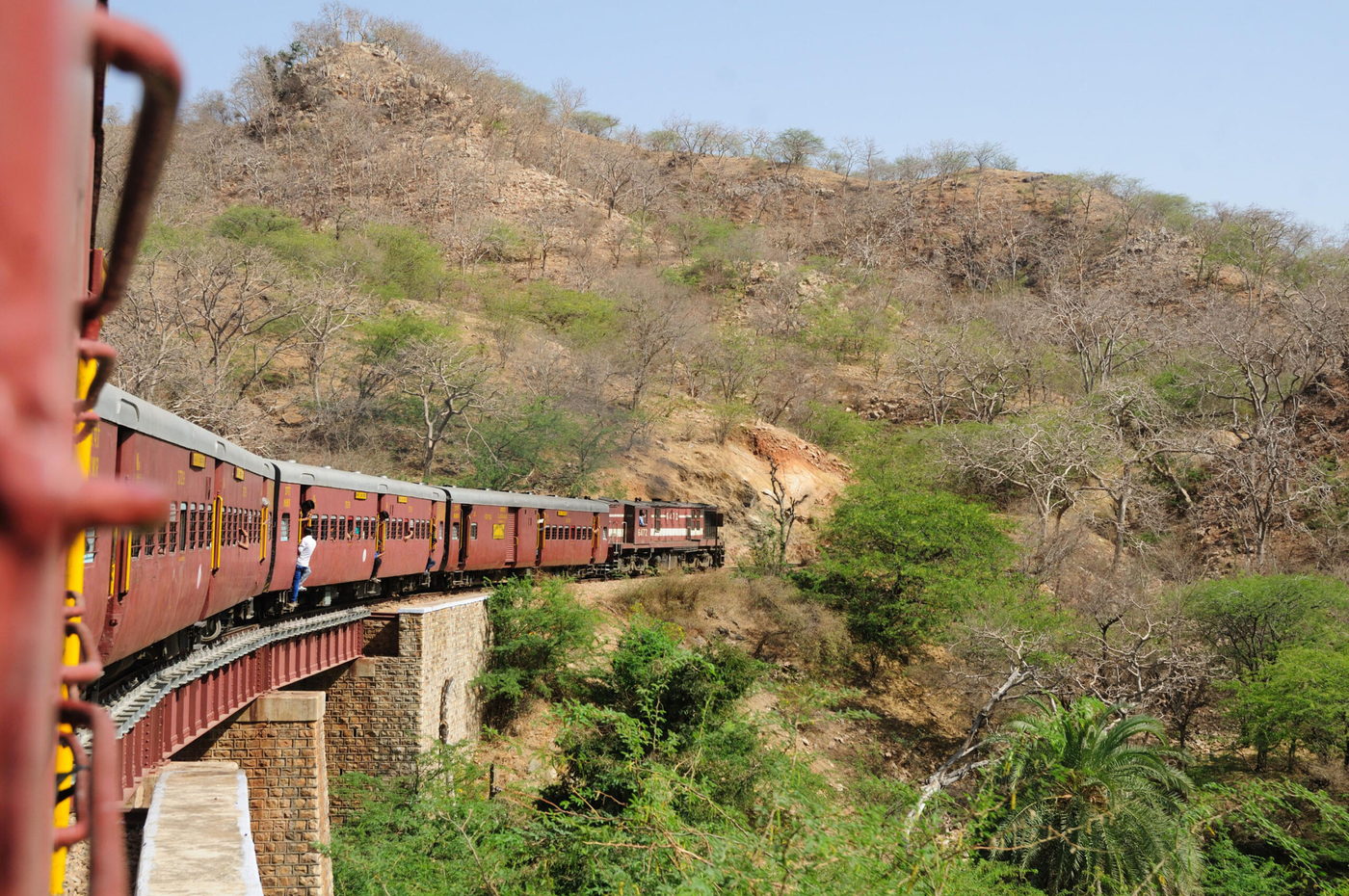
An hour and a half on the British-era line from Kamli GhatGhatA flight of steps leading down to a river or tank, used for bathing, worship and cremation.Read in the glossary to Phulad — a slow metre-gauge train through tunnels and ravine country, and one of the few railway journeys worth taking for its own sake. Bikes meet you at Phulad and you descend to Jojawar on a narrow back road that is quiet enough for blackbuck and nilgai, and, with luck, the chinkara — shy, and the most graceful thing on four legs in this country.

""
Easy road, open country, and camels, blackbuck and deer at the edges of it — a day where the riding asks little enough that you can look around while you do it. Sardar Samand was the MaharajaMaharajaA ruling Indian prince — literally 'great king'; a maharani is his queen, or a princess ruling in her own right.Read in the glossary of Jodhpur's shooting lodge and sits alone above its lake. The rest of the day is yours, and the terrace is the place to spend it.

""
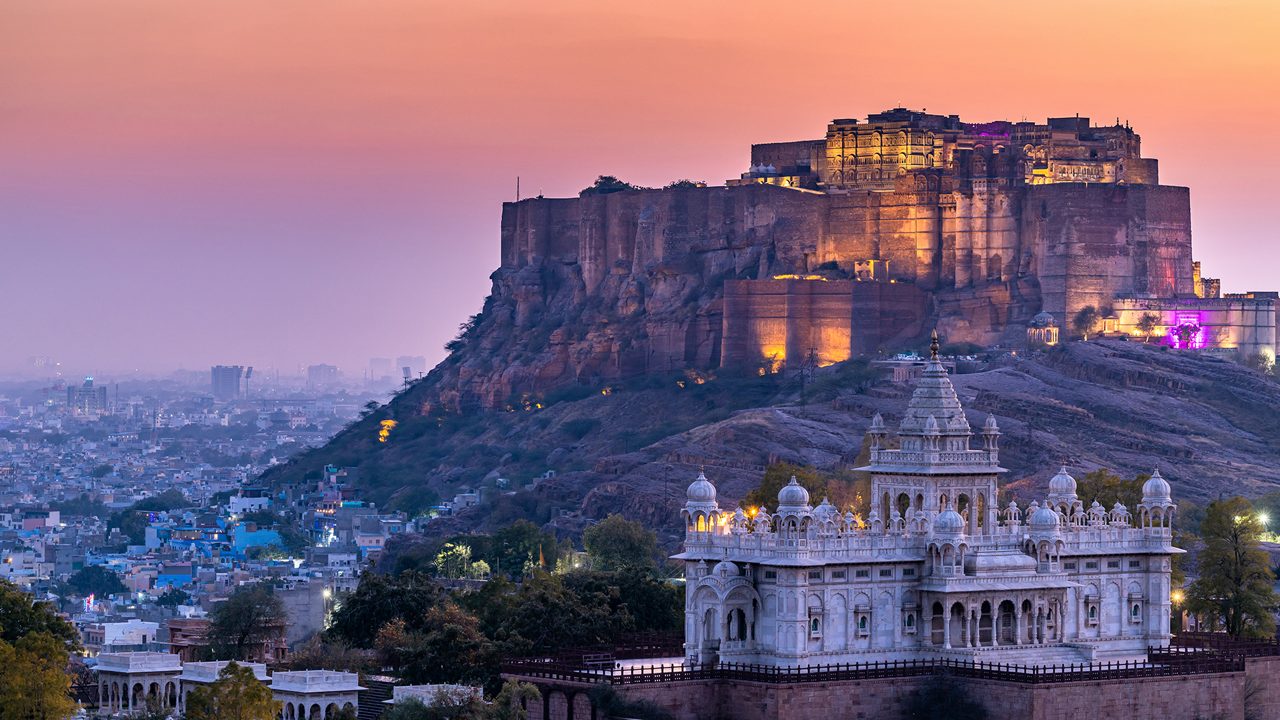
Villages and open country most of the morning, until the Jodhpur highway — which is where the riding stops. Bikes go onto the support vehicle for the last 10km, because a dual carriageway into a city of a million people is not a thing to cycle for the sake of saying you did. Dinner on a rooftop with Mehrangarh lit above the old town.

""
Mehrangarh in the morning — not a ruin but a working fort museum, and the best-kept in Rajasthan. Then the old town on foot, and by tuktuk through the blue lanes, where the colour is indigo lime-wash and everyone will give you a different reason for it. Farewell dinner on the rooftop.

""
Transfer to Jodhpur airport and the flight to Delhi for onward connections.

""
Comfortable across the north and centre after the monsoon; some warm days remain.
Peak season for Rajasthan, Delhi and Agra — sunny days, cold mornings, occasional dawn fog. The south stays warm.
Pleasant in March, hot by April, especially across the north and Rajasthan.
Very hot in the north and centre; the Himalaya and parts of the south stay comfortable.
Intermittent rather than constant rain, landscapes at their greenest; some hill roads and wildlife parks close.
The colour bar is tuned to this journey's region; the notes above summarise India's seasons overall. Every journey is private and can be arranged year-round — your curator will advise the finest window for your dates.
A licensed guide for sightseeing, plus a private chauffeur who drives, waits and looks after you — two roles, both included.
A framework, not a fixed schedule — adjusted with you each day for pace, weather and what interests you most.
Parks close Jul–Sep; museums shut Mondays; the Taj closes Fridays; 20 Dec–5 Jan is peak and busy. We plan around all of it.
Quoted on base-category rooms subject to availability; if needed we secure a comparable alternative, always discussed first.
Oct–Mar is peak; the monsoon is green and quieter.
230V; socket types C, D, M — bring a universal adaptor.
Cards widely accepted; carry some rupees for markets.
Light, breathable, modest — cover shoulders and knees at temples.
Shoes off at temples; ask before photographing people.
Drink sealed bottled or filtered water.
Das Journal

Eintausendvierhundert gemeißelte Säulen, keine wie die andere, in einem Tal zwischen Udaipur und Jodhpur. Ranakpur liegt an der Straße, die die meisten Rajasthan-Routen ohnehin nehmen — und die meisten halten nicht an.

Hinter den drei berühmten Städten liegt ein stilleres Rajasthan — Marmor-Jain-Tempel, vergessene Forts und private Anwesen, auf denen Sie die einzigen Gäste sein könnten.

Die drei großen Königsstädte Rajasthans, jede mit eigener Farbe und eigenem Charakter — und warum man sie als eine einzige, ununterbrochene Palastreise erleben sollte.

Jede Reiseroute wird individuell auf Ihr Tempo, Ihre Reisedaten und Ihr gewünschtes Maß an Exklusivität abgestimmt. Sprechen Sie mit einem Kurator, um zu beginnen.
Termine & private Abreisen
Jede Abreise ist privat — Ihre Daten, Ihr Tempo. Die besten Zeitfenster sind zuerst vergeben: Palast-Suiten wollen in der goldenen Saison 4–6 Monate Vorlauf, Festwochen ein Jahr.
Termine mit einem Kurator reservierenBelegbar, nicht bloß behauptet
5,0 · 621+ Bewertungen
Ein Travellers'-Choice-Award und ein Fünf-Sterne-Schnitt auf TripAdvisor — vor Ort erarbeitet von India Personal Tours (IPT Travel), dem Bodenbetrieb, der jede Reise von Elevated India durchführt.
Zum Eintrag →IATO & Tourismusministerium
Mitglied der Indian Association of Tour Operators und anerkannte Agentur des Tourismusministeriums der Regierung Indiens — im eigenen Haus betrieben von IPT Travel Private Limited, New Delhi (CIN U63040DL2012PTC237342). Nichts wird untervergeben.
Zu den Akkreditierungen →Ihre Kuratoren


Jede Anfrage wird persönlich von dem Kurator beantwortet, der Ihre Route am besten kennt — meist innerhalb von Stunden.
Mit einem Reisekurator sprechen