Planning Guides9 min readPublished August 4, 2026
India offers more destination per passport stamp than any country on earth — which is exactly the problem. The subcontinent holds forty places that would headline a smaller nation's tourism board, and the first-time planner drowns in listicles. Permit us a curatorial edit: the places below are the ones that, after years of designing journeys, we watch travelers actually rank highest on the flight home.
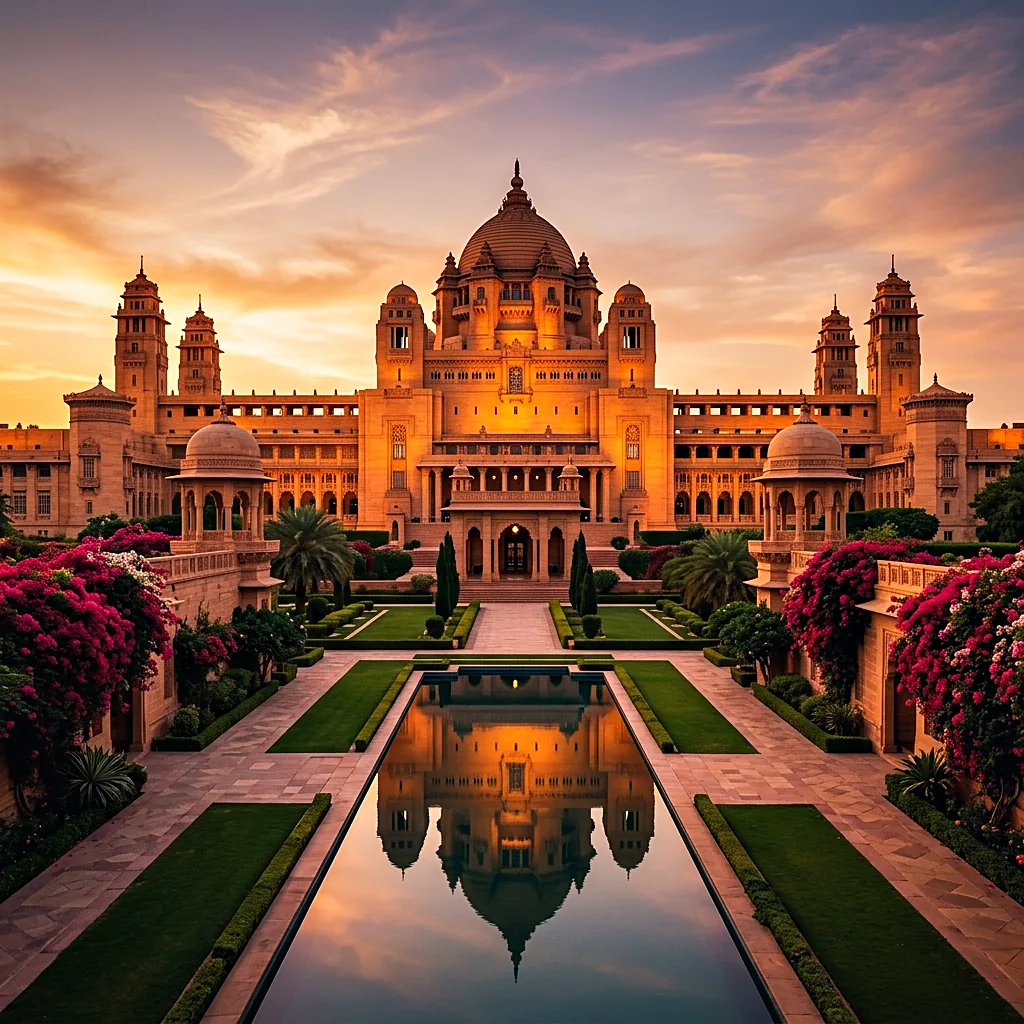
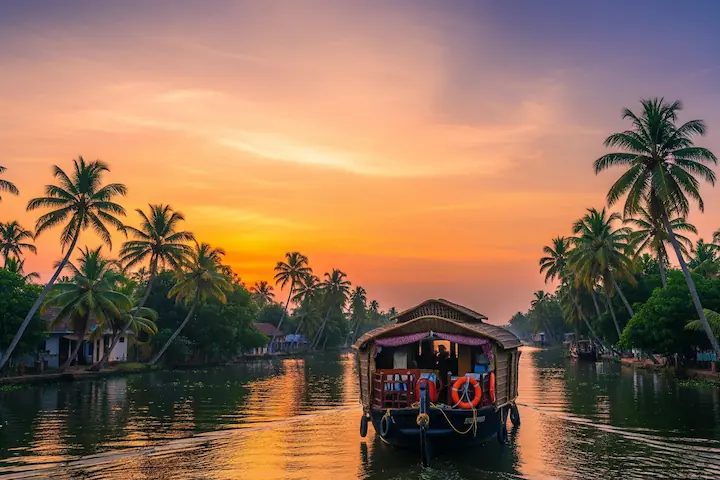
The north's crown: Delhi for the MughalMughalRelating to the Muslim dynasty of Central Asian descent that ruled most of the subcontinent from the sixteenth to the eighteenth century.Read in the glossary city and the finest food tour in Asia; Agra for the building that survives every photograph of it; Jaipur, Jodhpur and Udaipur — the Rajasthan trinity of pink, blue and white cities; Varanasi, the oldest living city on earth, for the dawn that reorders your sense of what travel is for; and Ranthambore, where tigers walk past ruined temples. The south's answer: Kochi's spice-port layers, the Kerala backwaters by private houseboat, the tea hills of Munnar, and — for the temple-inclined — Tamil Nadu's living CholaCholaRelating to the Tamil dynasty that ruled much of southern India, and territories beyond it, between roughly the ninth and thirteenth centuries.Read in the glossary shrines.
North or south? The honest comparison
North India is history staged as spectacle: forts, palaces, the Taj, the desert, the great bazaars. It is louder, drier, more demanding and more triumphant — the India of your imagination. The south is landscape and ease: green water-country, hill stations, coconut coast, a gentler street life and lighter food. It stimulates less and soothes more.
The formula we use: first trip of two weeks — north, without hesitation; it is the fuller first chapter. Three weeks — north then south, the classic arc from spectacle to serenity. Second trip — south in depth, plus Varanasi if you missed it, which deserves to be nobody's afterthought.
Composing a route (and the beautiful places nobody lists)
A route is not a bucket list with transport. The craft is adjacency and rhythm: cluster what is near (Jaipur–Jodhpur–Udaipur flow; Delhi–Varanasi–Khajuraho flow; Kochi–Munnar–backwaters flow), alternate big city with small place, and end somewhere soft — Udaipur in the north, the Marari coast in the south — because last days become the trip's aftertaste.
And leave room for one place off every list. The painted havelisHaveliA traditional townhouse or mansion built around one or more internal courtyards.Read in the glossary of the Shekhawati region, standing empty in golden light; Bundi, the Rajasthan of thirty years ago; the living Chola temple at Tanjore; Jawai's leopard hills, where camps sit between granite domes and shepherd villages. These are frequently the days travelers describe first at dinner parties — precisely because no one at the table has heard of them.
Begin Properly
Let a curator sketch your India
A few short questions — who is traveling, what draws you, how you like to move — and we reply with a first sketch of the journey we would design for you. No commitment; just a considered starting point.
Begin Your Private EnquiryQuestions, Answered
What are the best places to visit in India?
For a first visit: Delhi, Agra (Taj Mahal), Jaipur, Jodhpur and Udaipur in the north; Ranthambore for tigers; Varanasi for the spiritual heart; and in the south, Kochi, the Kerala backwaters and Munnar's tea hills. Each earns its place on merit, not habit.
Is north or south India better for a first trip?
North, for most first-timers on two weeks — it holds the iconic monuments, palace hotels and Rajasthan's cities. With three weeks, do both: the north's spectacle followed by the south's calm is the classic arc.
What are the most beautiful places in India?
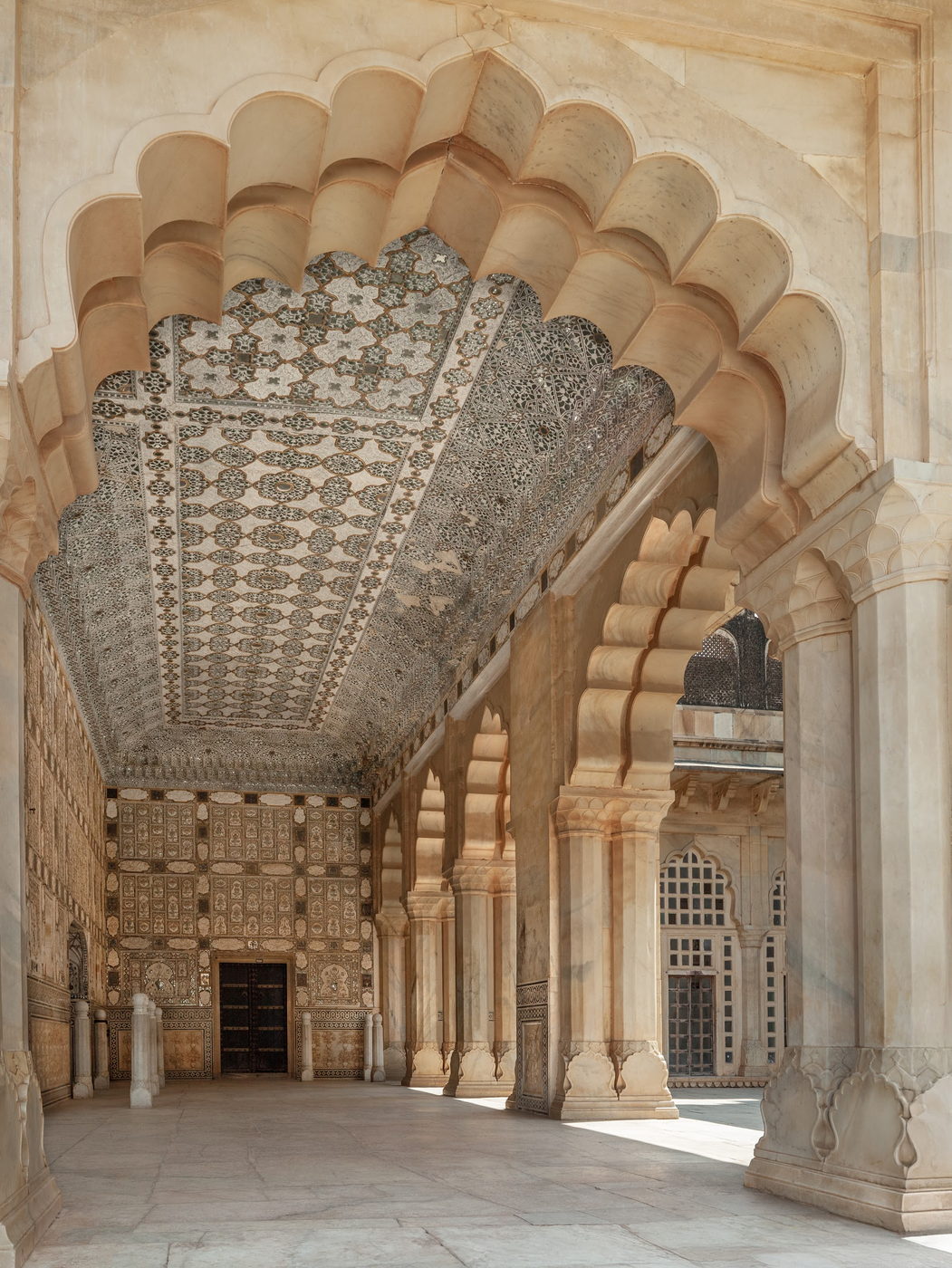
Beyond the famous: the mirrored Sheesh Mahal at Amber, dawn on the Ganges at Varanasi, the Thar desert from a fort rampart, Kerala's backwaters at first light, Munnar's tea country, and the painted merchant towns of Shekhawati.
What belongs on an India bucket list?
Sunrise at the Taj Mahal, a night in a palace hotel, a tiger in the wild, the Ganges aarti at Varanasi, a private houseboat on the backwaters, and one bazaar deep-dive with someone who knows the doors worth entering.
How many places should one India trip include?
Five to six stops in two weeks is the ceiling for comfort — clustered within one region, alternating cities with smaller places, ending somewhere restful. Fewer, deeper stops consistently outperform ambitious routes.
From the Journal
Journeys That Answer This