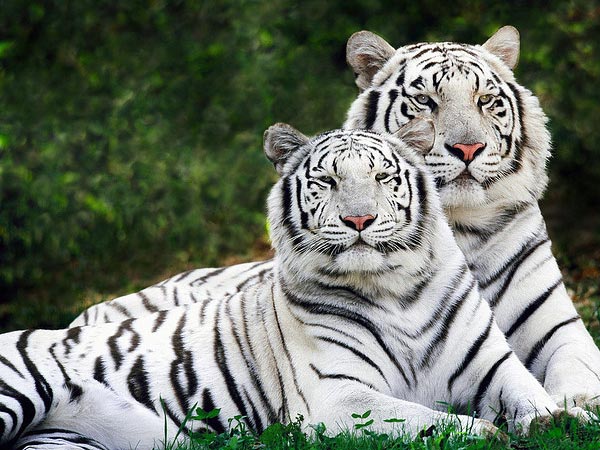
Bandhavgarh holds one of the densest Bengal tiger populations on earth, in terrain that surprises: cliffs, ancient caves and grassland meadows under a two-thousand-year-old hilltop fort. The reclining Vishnu carved at its base has watched the forest for a millennium.
Tracking here is a craft — alarm calls read like radio traffic, pugmarks aged by their edges — and the lodges' naturalistsNaturalistThe trained wildlife guide who accompanies guests on safari, reading tracks, alarm calls and behaviour to find animals.Read in the glossary are among India's finest teachers of it.
Signature Experiences
- ◆Morning and afternoon jungle safaris
- ◆Tiger tracking with expert naturalists
- ◆Bandhavgarh Fort and the reclining Vishnu
Optional, By Arrangement
- ◆Photography-focused safari
- ◆Birdwatching with a naturalist
- ◆Buffer-zone nature walk
- ◆Tribal village visit
Where We Place Our Guests
- Samode Safari LodgeTwelve private villas in sal forest, at one of the highest tiger densities in India.
- Taj Mahua KothiBush villas — kutiyas — on the reserve's edge.
The Table
- Bush breakfasts in the jungle
- Traditional Madhya Pradesh lunch
- Gourmet wilderness dinners
Curator's Advisory
Combine high-probability tiger safaris with the ancient fort — mornings for the core zone, neutral colours throughout, and silence in the jeep buys everything.
In & Around Bandhavgarh
Bandhavgarh sits within our Madhya Pradesh region guide.
Experiences
Where to Stay
Journeys Through Bandhavgarh
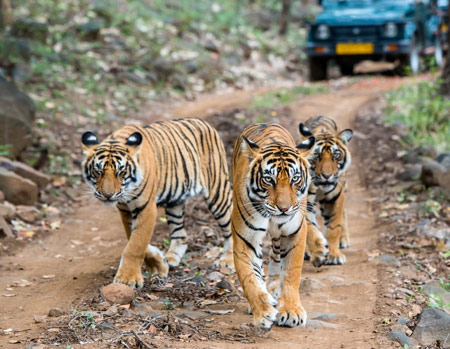
The Journal
Related Reading
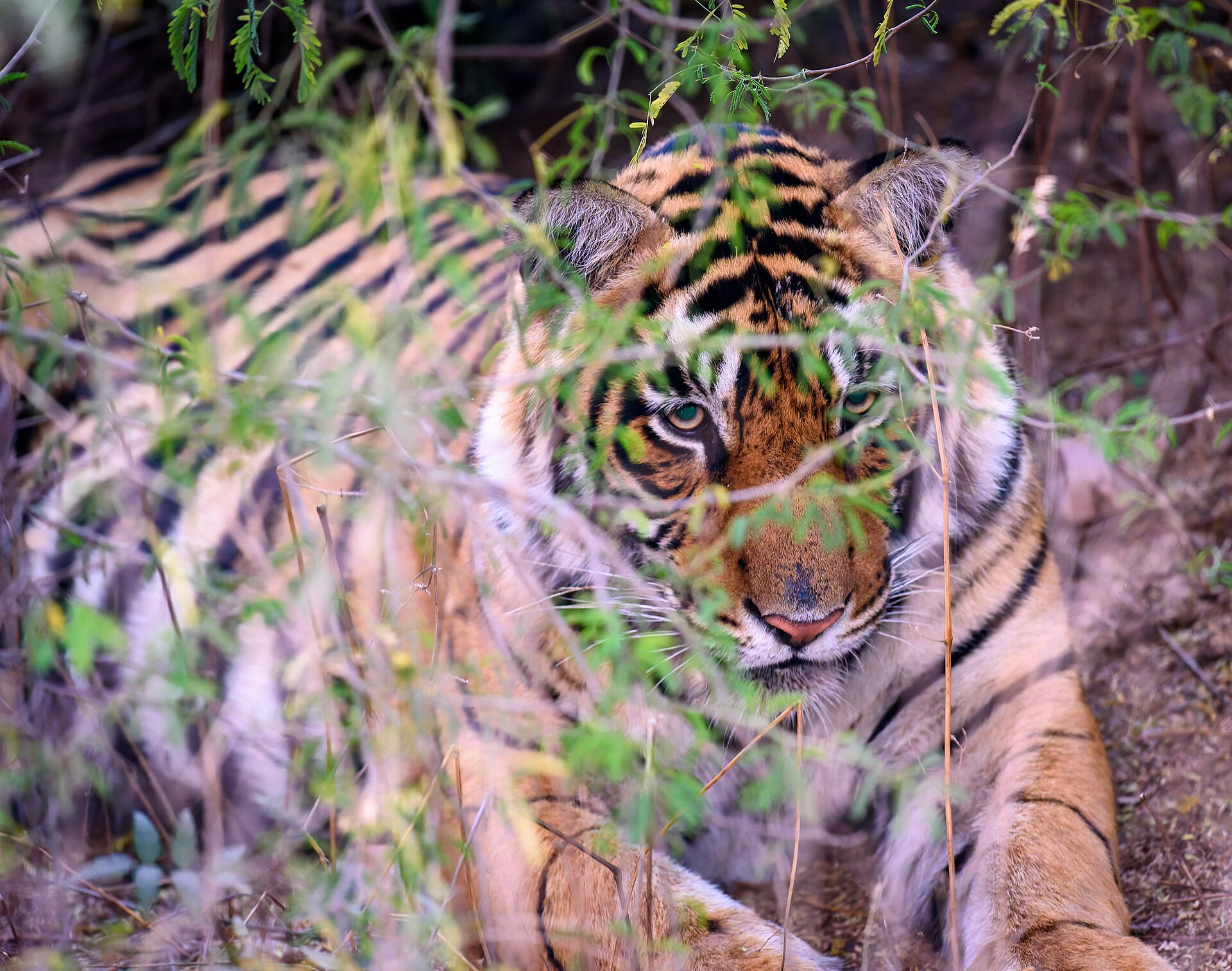
Bandhavgarh vs Kanha: Which Central Indian Tiger Park?
Two of India's finest tiger reserves, side by side in Madhya Pradesh. A clear guide to choosing between Bandhavgarh's sighting odds and Kanha's grand sal forests — or combining them.
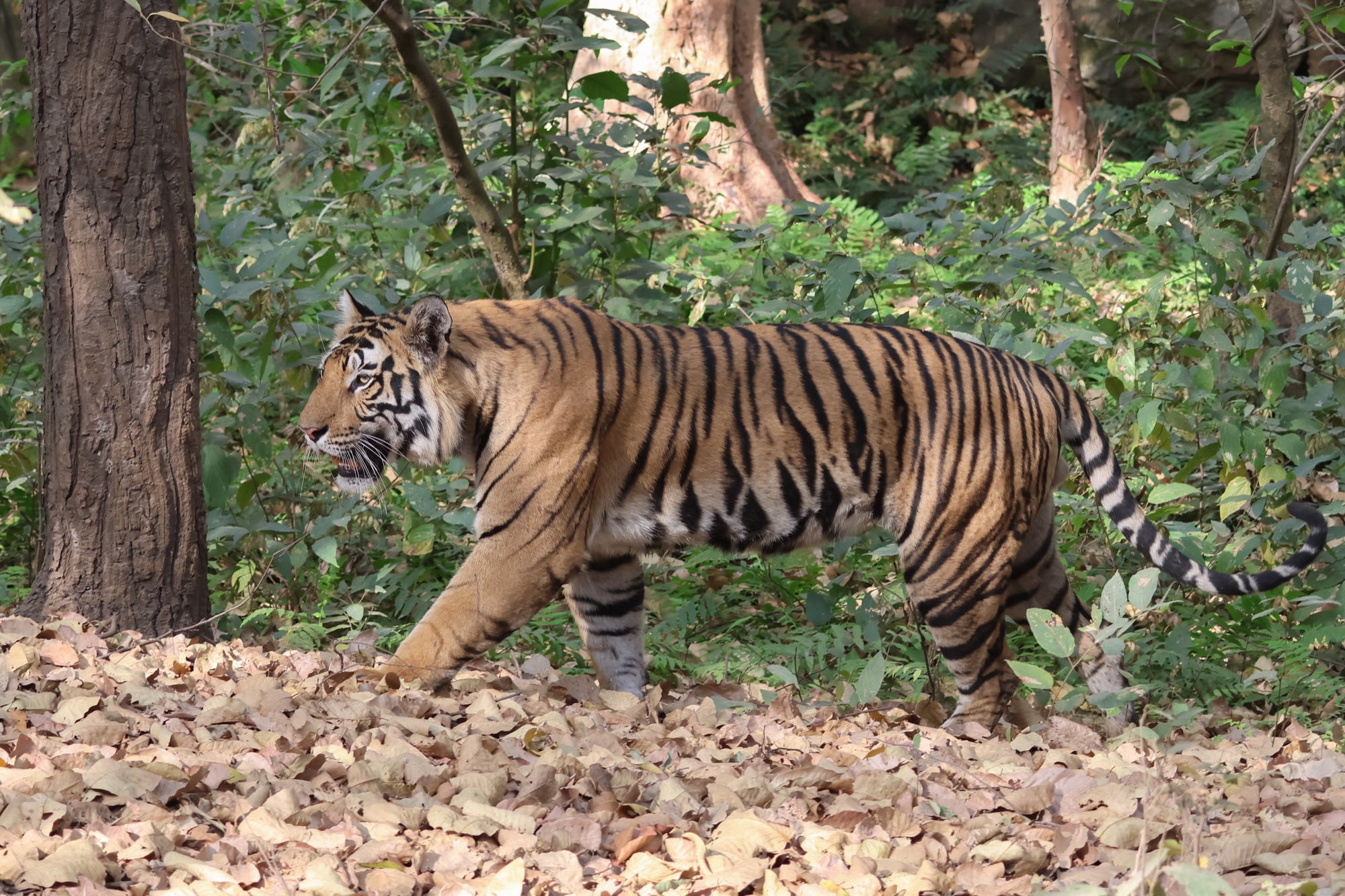
Ranthambore vs Bandhavgarh: Tiger Odds, and Which Fits Your Trip
Bandhavgarh has the better odds. Ranthambore costs you fewer nights and no extra flight. If you have flown a long way and have two weeks, that trade is the whole decision.
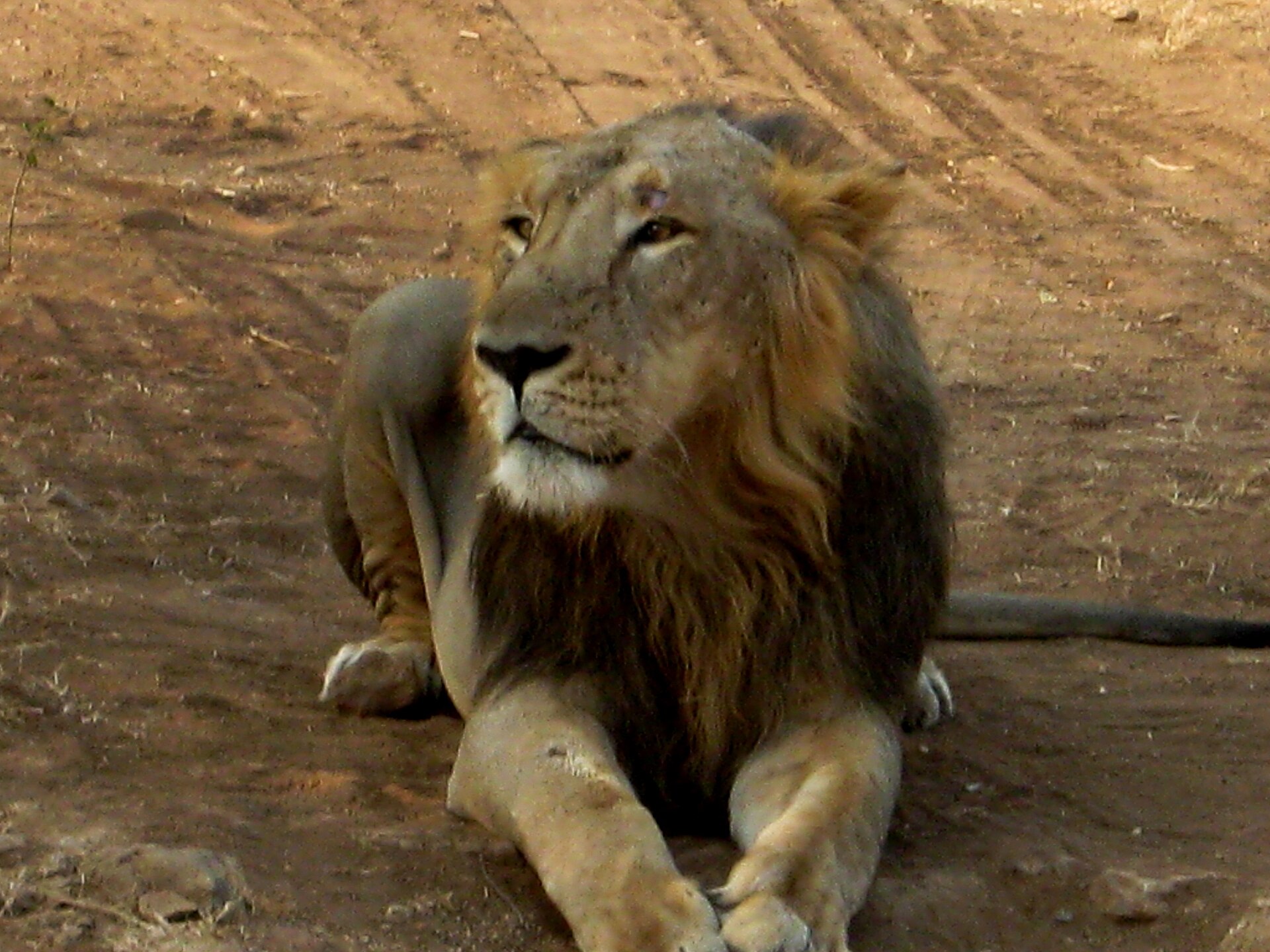
Gir vs Ranthambore: Lions or Tigers in India?
India's two great cat parks, side by side. A clear guide to choosing between Gir's Asiatic lions and Ranthambore's Bengal tigers — sighting, setting, access and when to go.