Hero photograph: Nikunj Vasoya / Wikimedia Commons (CC BY 3.0)
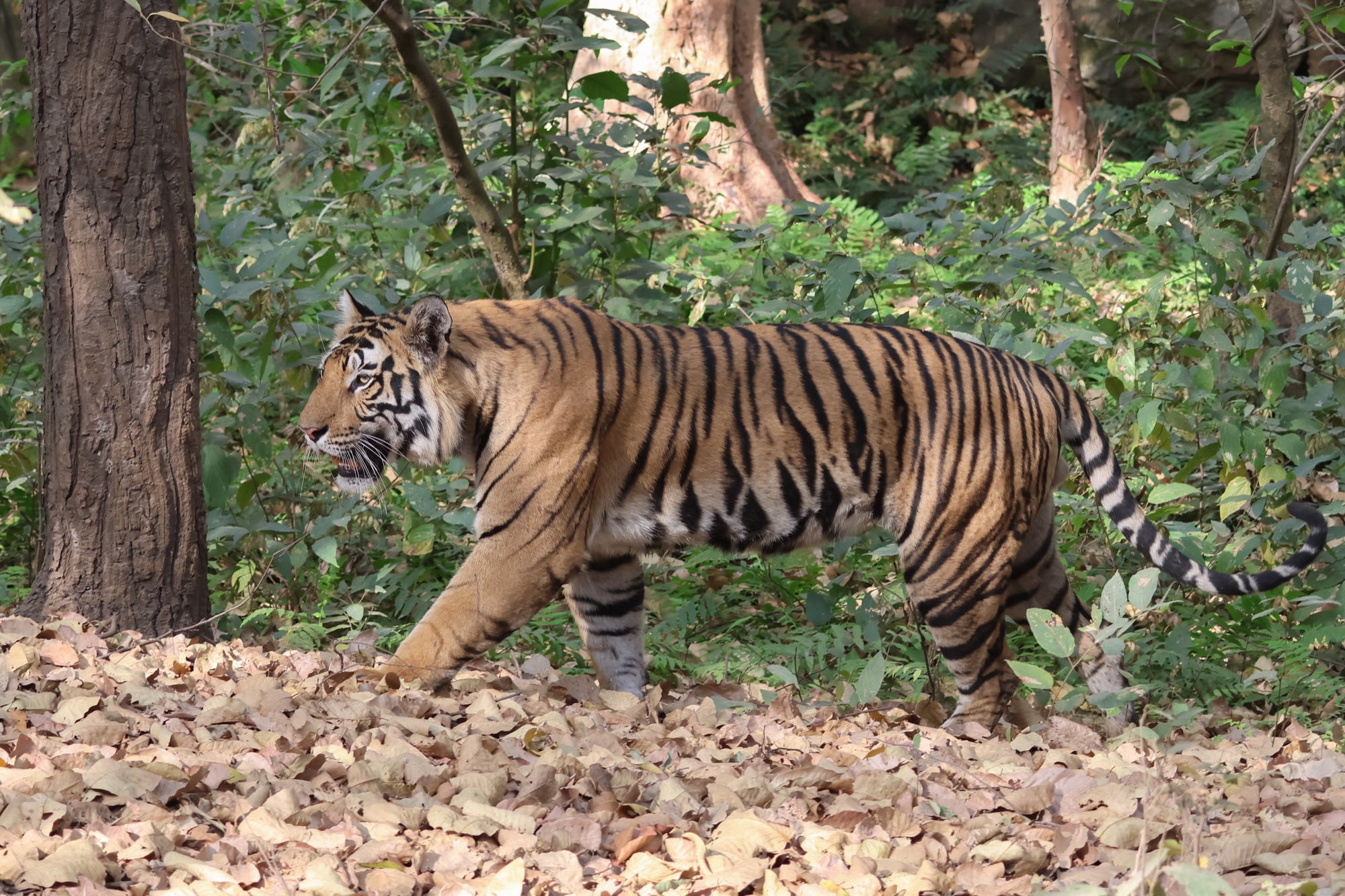
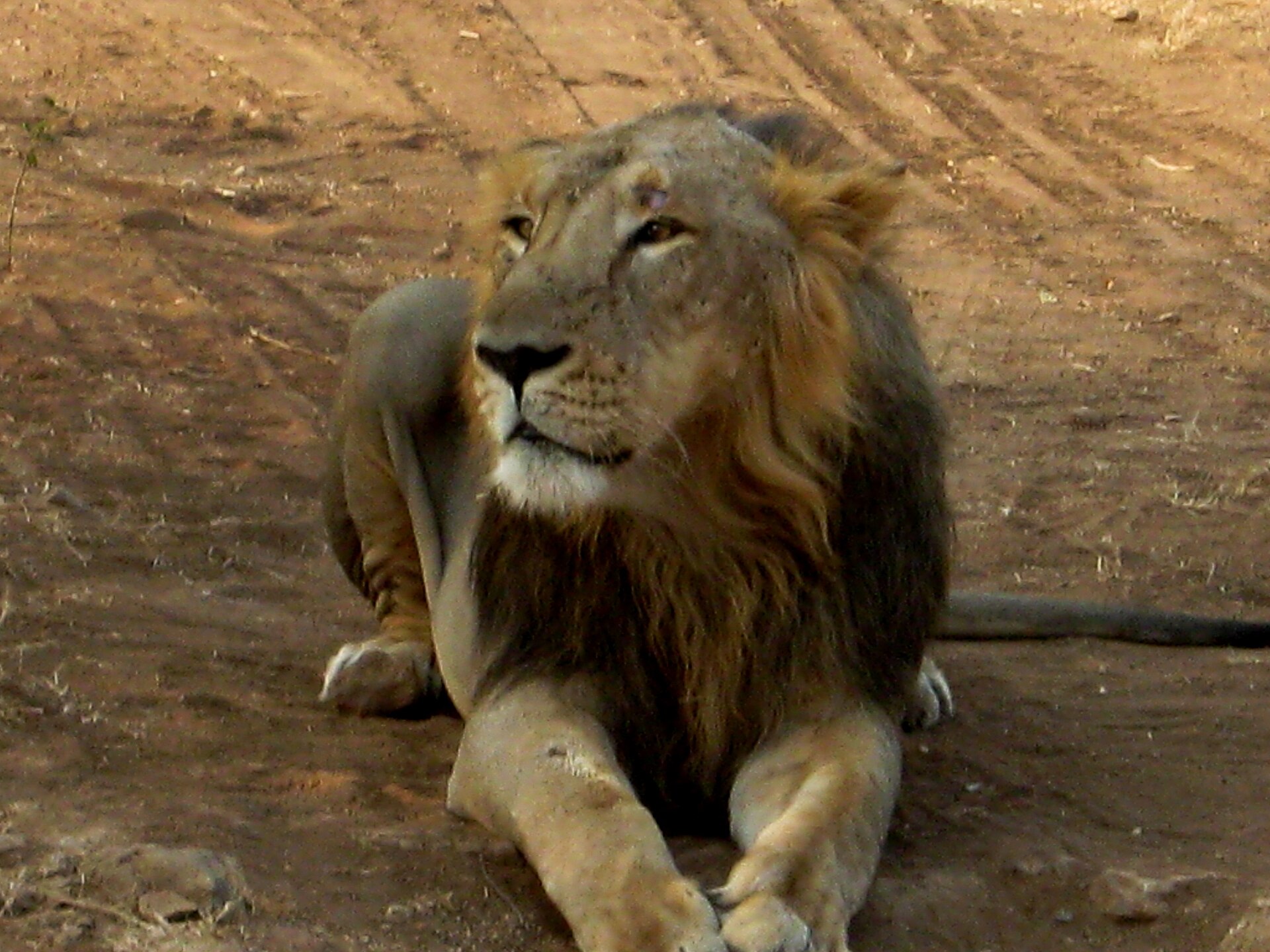
Gir for lions — the only place on earth to see the Asiatic lion in the wild, in the dry forests of Gujarat. Ranthambore for tigers — India's most accessible tiger reserve, where Bengal tigers move among ancient fort ruins and lakes. Gir is the once-in-a-lifetime detour; Ranthambore slots straight into a Golden Triangle trip. Which cat you want to see decides it.
| Gir | Ranthambore | |
|---|---|---|
| The cat | Asiatic lion — nowhere else wild on earth | Bengal tiger |
| Where | Gujarat (Sasan Gir) | Rajasthan, near Sawai Madhopur |
| Setting | Dry teak and scrub forest | Lakes, grassland and a ruined hilltop fort |
| Best for | The rare thrill of wild lions | Tigers with dramatic scenery and easy access |
| Access | A detour via Rajkot or Diu | Easy from the Golden Triangle by road or rail |
| Best time | December to April (park shut in monsoon) | October to June (park shut in monsoon) |
India is the only country where you can see wild lions and wild tigers, and these are the two parks that define that choice. Gir, in Gujarat, is the last refuge of the Asiatic lion. Ranthambore, in Rajasthan, is the country's showpiece tiger reserve. They are in different corners of India and hold different animals, so choosing between them is refreshingly simple: which great cat do you most want to see?
Choose Gir for the lions
Gir is unique. It is the only place on earth where the Asiatic lion still lives in the wild — a population brought back from the edge of extinction and now the pride of Gujarat. The forest is dry, teak-and-scrub country rather than jungle, and the experience is quieter and less trafficked than the famous tiger parks. Seeing a wild lion here carries a particular weight, because there is nowhere else in the world to do it. The trade-off is access: Gir sits in Saurashtra, reached via Rajkot or the coast at Diu, so it is a deliberate journey rather than a stop on the usual route. Choose Gir if the wild lion is the animal you have come to see.
Choose Ranthambore for the tigers
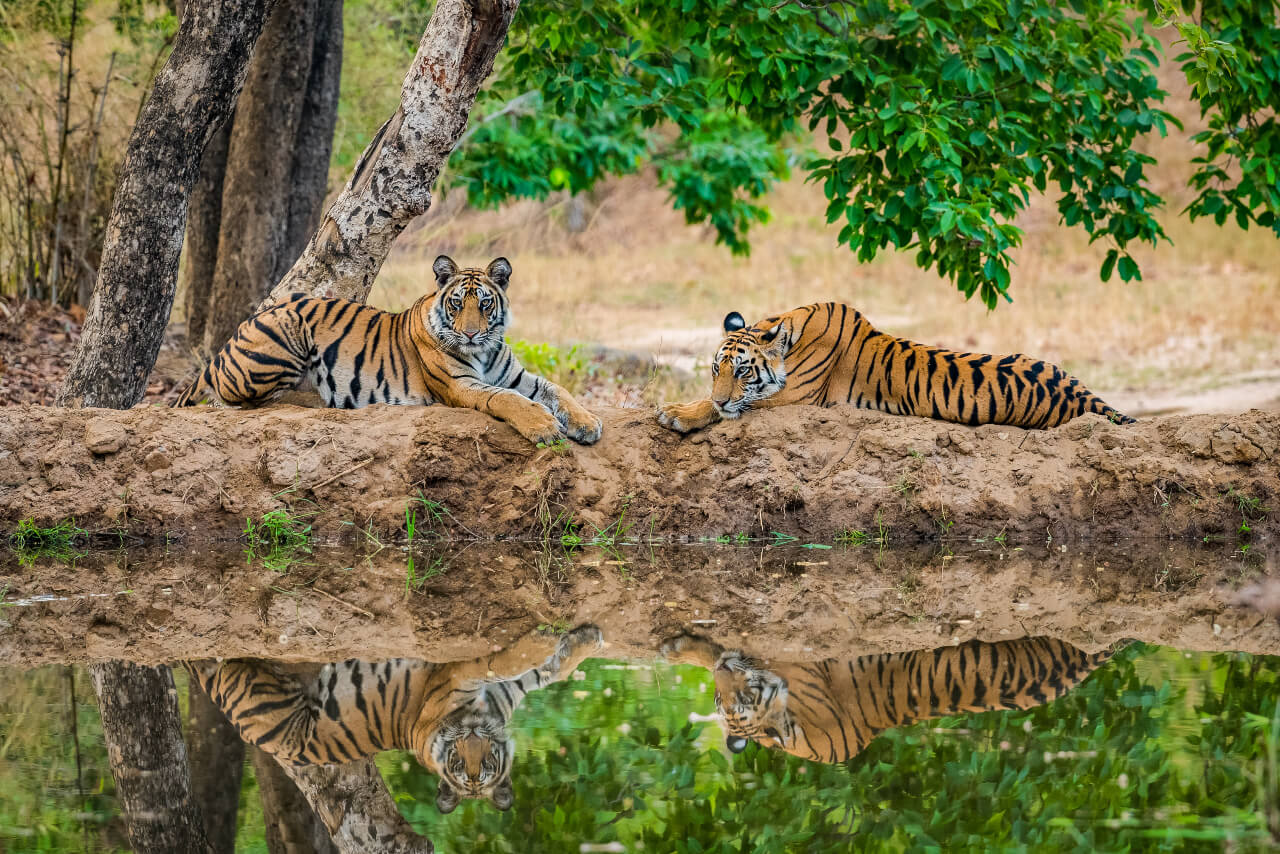
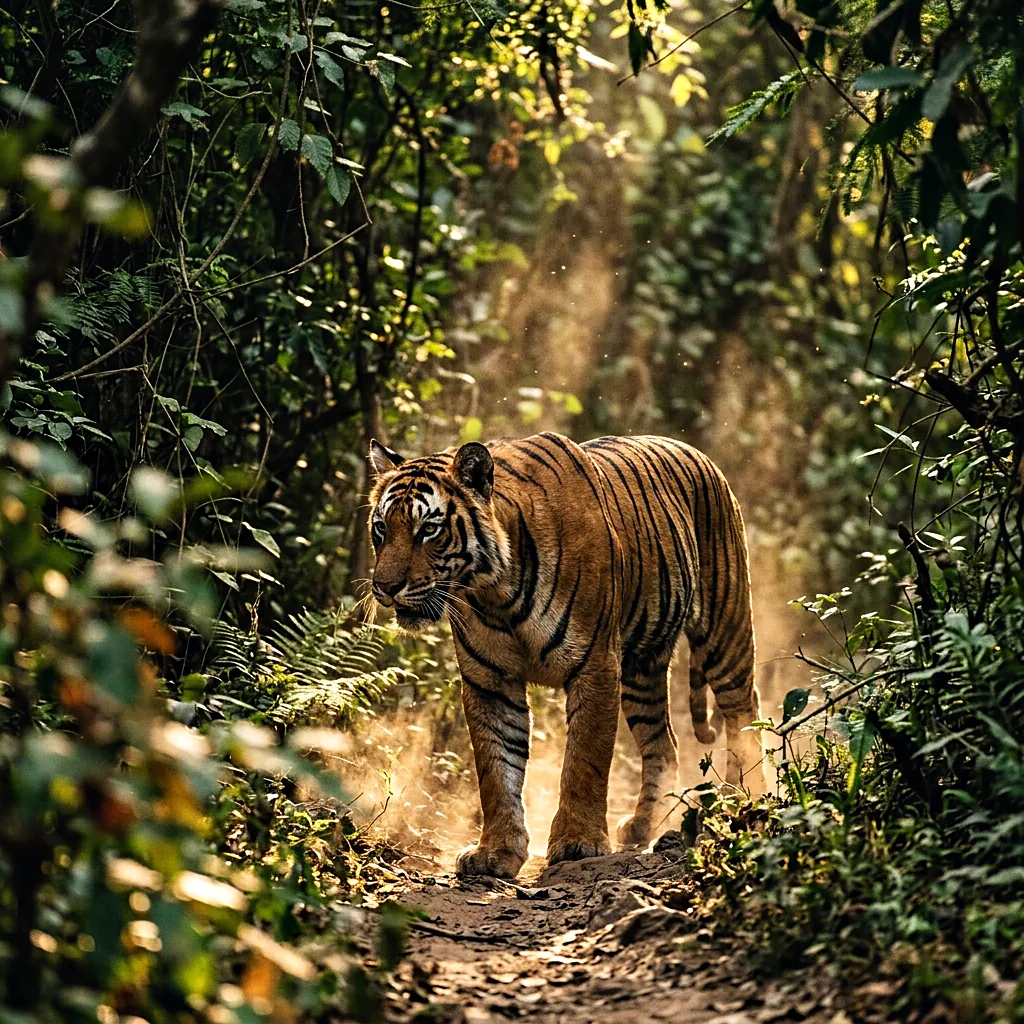
Ranthambore is the most accessible and one of the most scenic tiger reserves in India. Bengal tigers move through a landscape of lakes and grassland studded with the crumbling walls, gates and cenotaphs of a thousand-year-old fort — few places on earth put big cats in so cinematic a setting. It is an easy drive or train from the Golden Triangle, which is why it is the tiger park most travellers pair with the Taj and Jaipur. Sightings are never guaranteed anywhere, but Ranthambore offers strong odds in a genuinely beautiful place. Choose Ranthambore for tigers, drama and convenience.
Can you do both?
Not easily in one short trip — they sit in different states and neither is close to the other. But for travellers whose journey is built around wildlife, the two combine into a dedicated big-cat circuit, often with a central-India tiger park such as Bandhavgarh added for better tiger odds. Where a traveller has a single wildlife window, we help them choose the cat and the park that fit the rest of the trip; where the wildlife is the whole point, Elevated India composes lions and tigers into one journey with the right lodges and private naturalistsNaturalistThe trained wildlife guide who accompanies guests on safari, reading tracks, alarm calls and behaviour to find animals.Read in the glossary.
Questions, Answered
Where can you see lions in India?
Only in and around Gir National Park in Gujarat. Gir holds the world's last wild population of the Asiatic lion, so it is the single place on earth to see these lions in the wild — they are found nowhere else outside Africa's very different African lion range.
Is Gir or Ranthambore better for a safari?
It depends on the animal. Gir is the place for wild Asiatic lions and a quieter forest; Ranthambore is the place for Bengal tigers in a dramatic setting of lakes and fort ruins, with far easier access. Neither has the other's headline animal, so the choice is lions versus tigers.
Can you see both lions and tigers in one trip?
Yes, but not casually — Gir (Gujarat) and Ranthambore (Rajasthan) are in different corners of the country. Travellers set on both build a dedicated wildlife circuit, often adding a central-India tiger park like Bandhavgarh for stronger tiger sightings.
When is the best time to visit Gir and Ranthambore?
Both close during the monsoon and are best in the dry months. Gir is generally open from around mid-October to mid-June, with December to April most comfortable. Ranthambore runs October to June, with the hot months before the monsoon often the most rewarding for tigers at water. Neither should be planned for July to September.
How far is Ranthambore from the Golden Triangle?
Close — that is much of its appeal. Ranthambore is a few hours by road or train from Jaipur and is the tiger reserve most easily added to a Delhi–Agra–Jaipur trip. Gir, by contrast, is a separate journey into Gujarat.
Journeys That Take You There
Read Next