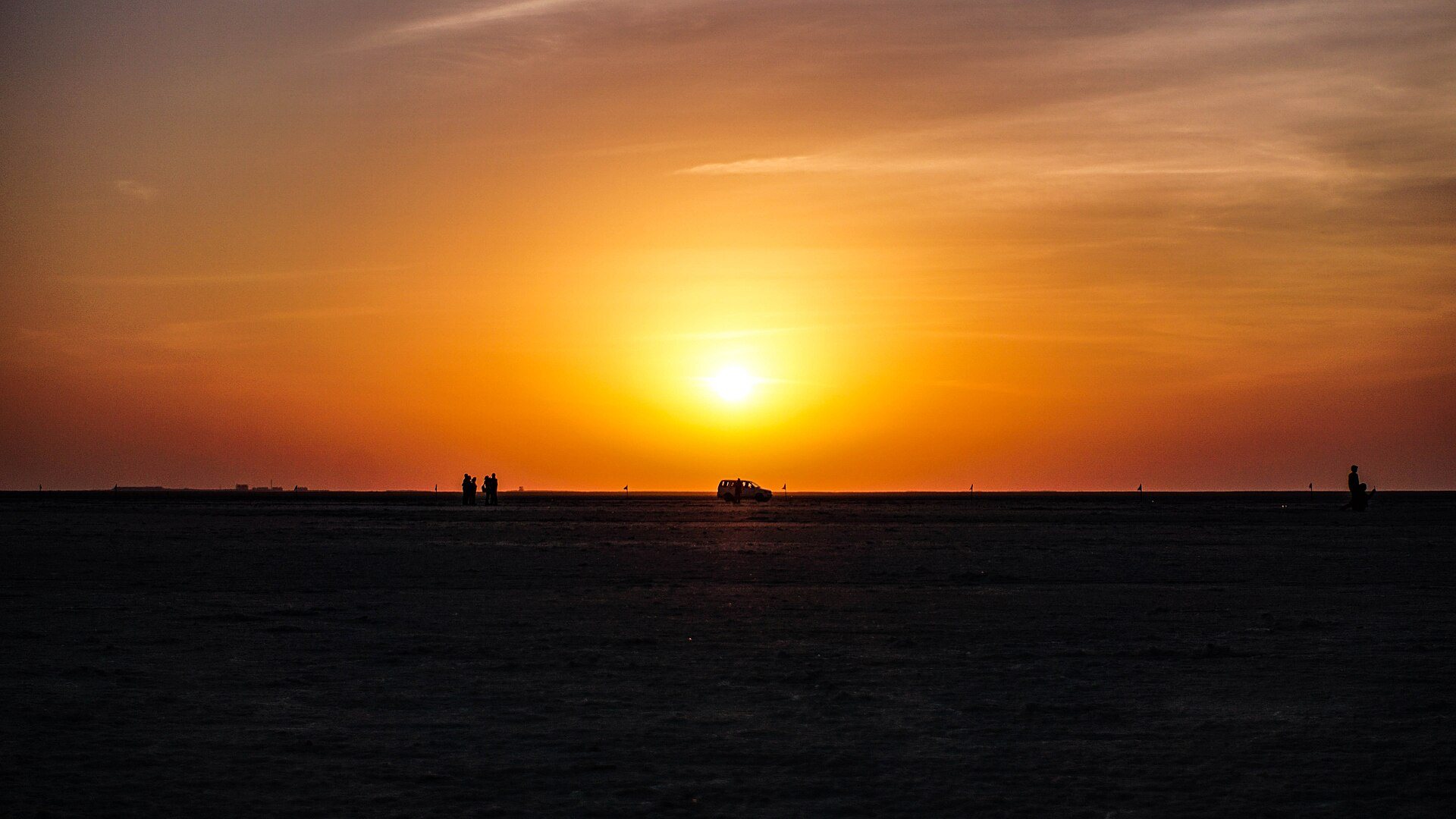
Foto di apertura: Sunset at Rann of Kutch, Dhordo, by NandaMunish (CC BY-SA 4.0), via Wikimedia Commons
The Great Rann of Kutch is a salt marsh the size of a small country that spends the monsoon under water and the winter as a white crust you can walk on. Nothing permanent can be built on it. So every year, from the beginning of November, a tented city is assembled at Dhordo on the edge of it, and every spring it is taken down again.
The 2026-27 season runs from 1 November 2026 to 7 March 2027.
That rhythm is the single most important thing to understand about visiting, and it explains both the strengths and the limits of what is on offer. Everything here is seasonal because the land requires it to be.
What the Tent City is, honestly
It is a large, organised, government-promoted seasonal accommodation and events operation, with tented accommodation running from Swiss cottages up to premium tented suites, laid out as a village with a programme attached.
It is also the reason Kutch is reachable at all for most visitors, and we want to be fair to it on that basis. Before it existed, the Great Rann was a place for people with their own vehicle, their own arrangements and a tolerance for discomfort. The Tent City made a remote salt desert into a place a family could go.
What it is not is a luxury hotel, and a guest who arrives expecting one will be disappointed in a way that is nobody's fault. It is a very large seasonal camp. The premium tiers are comfortable and well serviced; they are not an Aman, and the scale means the experience is a shared one.
Dhordo itself has the recognition that matters here: in 2023 it was named one of UN Tourism's Best Tourism Villages, noted for creating economic opportunity while drawing attention to the village's cultural and natural resources. That is a community-tourism award and it is well earned. It is routinely described as a UNESCO listing, which it is not.
For guests who want something smaller, there are now independent camps and a handful of properties in and around Bhuj that we would use instead for parts of a trip — and our general shape for Kutch is a couple of nights near the Rann and the rest of the time based inland, where the craft is.
Pick your moon
This is the planning decision nobody flags and it changes the trip completely.
On a full moon the salt flat under moonlight is the thing the photographs are of — an unbroken white plain with a horizon you cannot locate, bright enough to walk on without a torch. The published full-moon windows for the 2026-27 season are 23 to 25 November, 22 to 24 December, 21 to 23 January and 19 to 21 February. These are the busiest nights of the season and they book first.
On a dark moon the same flat becomes one of the better dark-sky sites in India. No ambient light for a very long way in any direction, a dry November to February atmosphere, and a horizon that is geometrically flat. For anyone who cares about the night sky, this is the better visit, and it is quieter and cheaper.
The flat itself is at its most striking around sunrise and sunset regardless of the moon — the crust takes colour in a way that sounds like an exaggeration until you have seen it.
We ask guests which of those two trips they want before we book anything, because the dates are not interchangeable and the full-moon nights have to be taken early.
What is actually in Kutch
The salt flat is the headline. The reason to spend four nights rather than two is everything behind it.
Dholavira is a UNESCO World Heritage Site and one of the largest Harappan cities excavated anywhere — a Bronze Age urban plan with a water management system that is still legible on the ground, on an island in the Rann. It is a long drive from Dhordo and it is worth every hour. If a guest has any interest in archaeology, this rather than the Tent City is the reason to come to Gujarat.
Kala Dungar, the Black Hill, is the highest point in Kutch and gives you the only vantage from which the scale of the Rann makes sense.
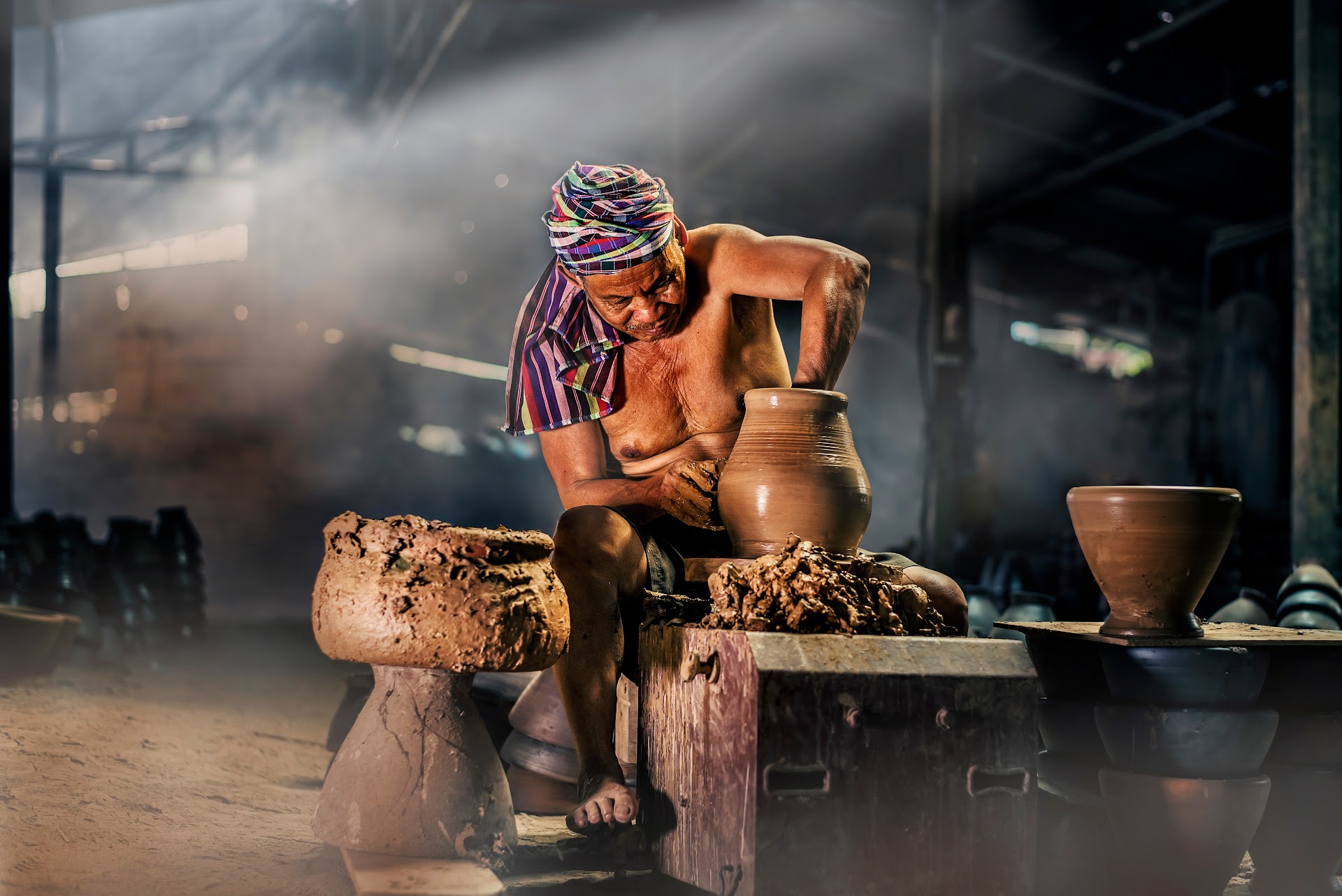
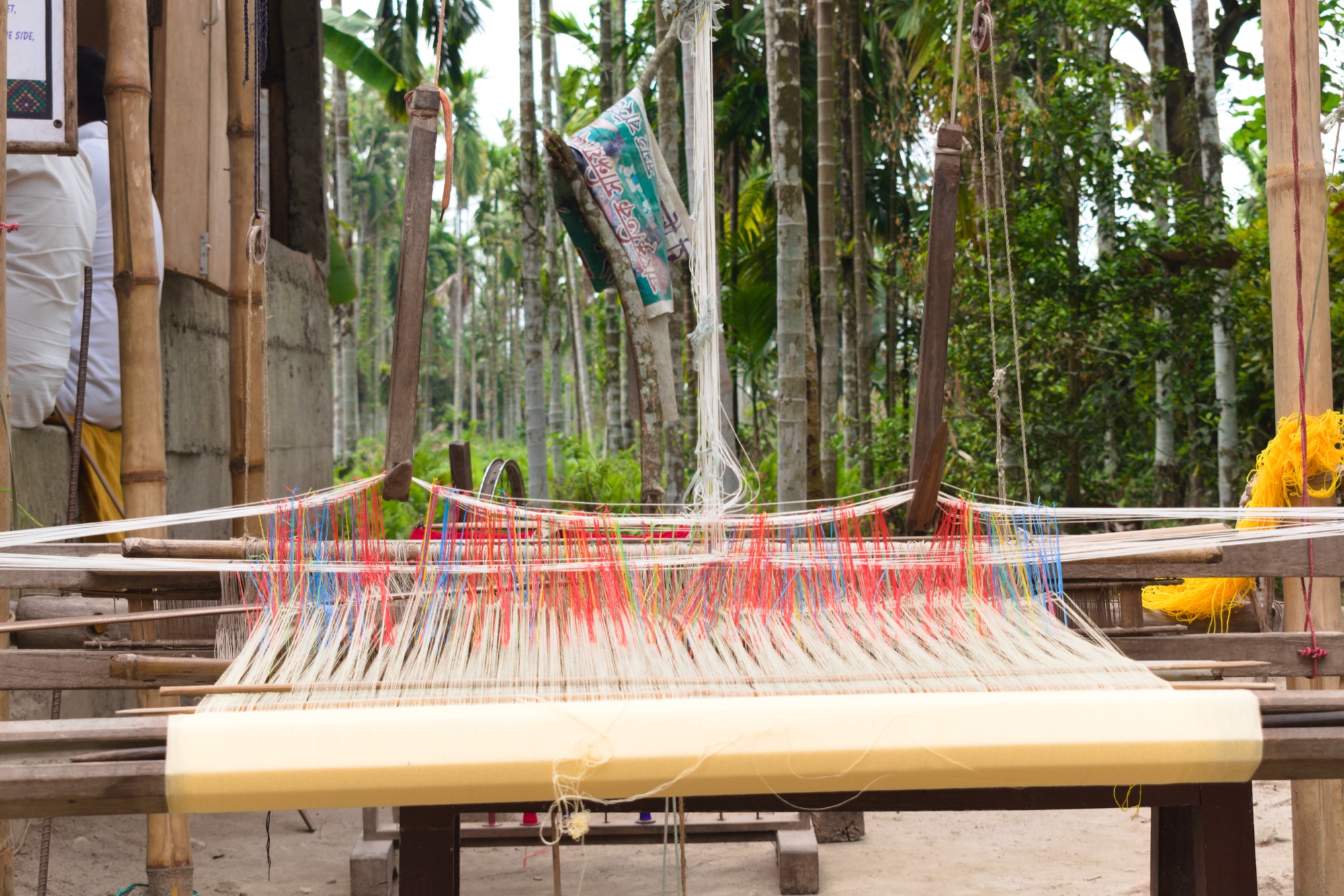
And then the craft, which is why we actually bring guests here. Ajrakhpur is the home of ajrakh block-printing — natural-dye resist printing with a sixteen-step process and a lineage that runs back through Sindh. The surrounding villages hold some of the finest embroidery traditions in South Asia: Rabari, Ahir, Jat, Mutwa, each distinct, each still worked. Bhujodi for weaving. Nirona for rogan painting and copper bells. This is, by a distance, the densest concentration of living textile and craft tradition in India, and it is not on the standard map.
A guest who comes for the white desert and leaves having spent two days with printers and embroiderers tends to describe the craft as the trip and the salt flat as the backdrop. That is roughly our view too.
A caution about dates and sources
We want to flag how this information is published, because it affects how firmly anyone should hold it.
The season dates are announced by the Tent City operation and carried by travel press. Gujarat Tourism promotes Kutch and the Utsav, but when we have gone looking in previous years for the state's own published season dates for the coming year, we have not always found them. The 1 November to 7 March window for 2026-27 is well reported and we are confident in it; we would still confirm before committing a guest's dates, and we would be wary of any 2027-28 date you see before the autumn of 2027.
The same caution applies in the other direction. Anything you read about the Rann written more than a couple of seasons ago may describe a smaller, rougher operation than the one that exists now.
How we build it
Four nights minimum, and five is better. Fly into Bhuj — or into Ahmedabad and drive, which is long but takes you through country worth seeing.
Two nights near the Rann, timed to the moon you have chosen, with a dusk visit and a dawn visit to the flat. One of those evenings is the only reason you came; the other is insurance against weather.
Two or three nights inland for the craft, with proper time at each workshop rather than a circuit of four in a day. Buying is part of this, and buying well takes time.
Dholavira as a full day with an overnight if the guest is serious about it, because the drive does not reward a day trip.
And pair it properly. Kutch sits well with Ahmedabad — the Calico Museum, the stepwellStepwellA well reached by a long descending staircase, so that water can still be drawn as the water table falls.Read in the glossary at Adalaj, Le Corbusier's buildings — and with the Gir lions to the south. A Gujarat trip of ten days built around Kutch, Ahmedabad and Gir is one of the most interesting things we sell and one of the least requested, which is the usual relationship between those two facts.
I viaggi che la portano lì
Da leggere dopo