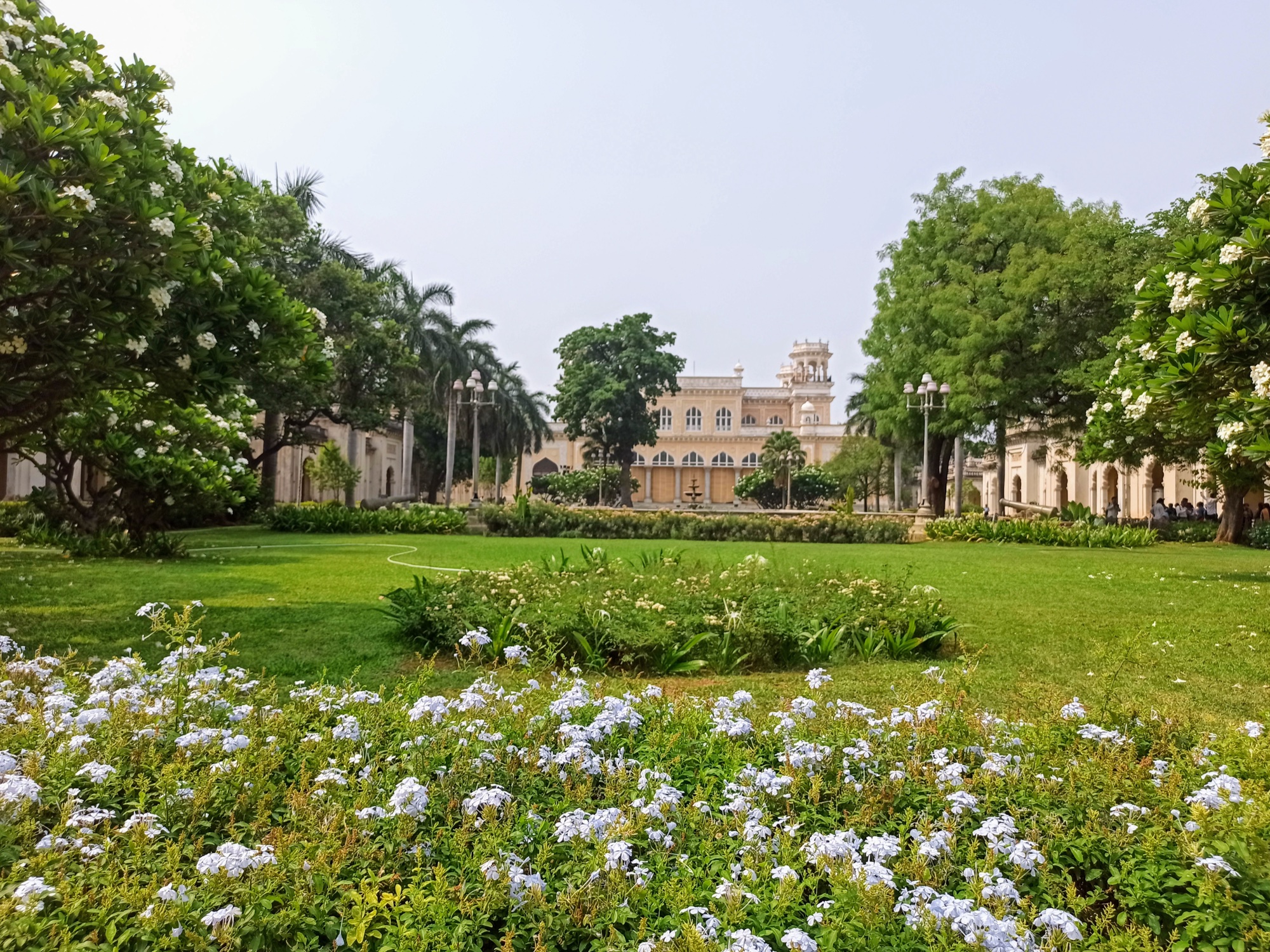
Hero photograph: Chowmahalla Palace Hyderabad Telangana India 15 — CC BY-SA 4.0, via Wikimedia Commons
| Type | What it actually is | Suits |
|---|---|---|
| Royal residence | A working palace, part still lived in by the family | Guests who want lineage and formality |
| Converted fort | A defensive structure adapted to hospitality | Drama, position, views — often fewer creature comforts |
| Heritage haveli | A merchant or noble townhouse, usually small | Intimacy, location inside the old city |
| Palace-style build | Modern construction in the idiom | Consistent comfort; no historic fabric |
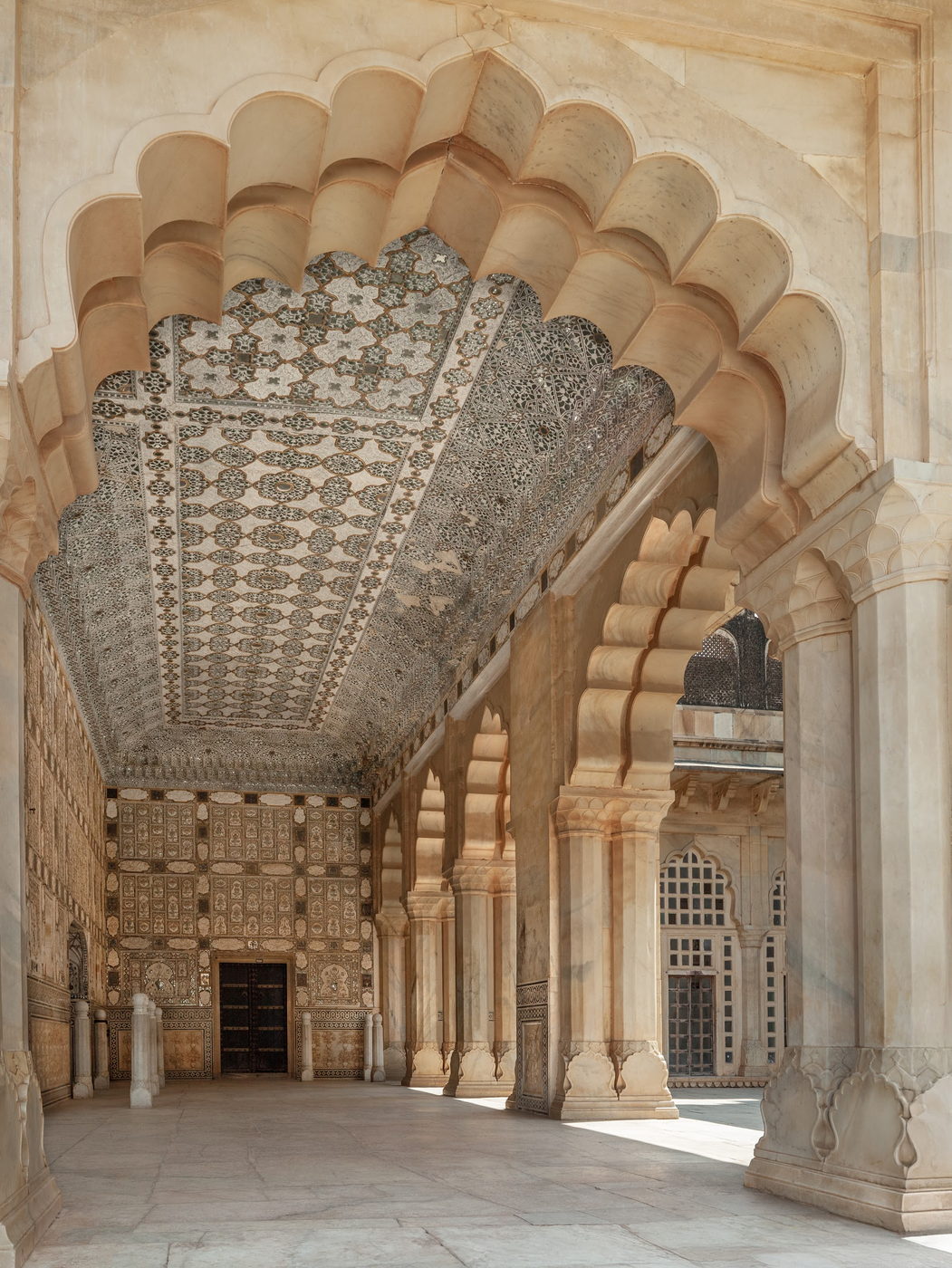
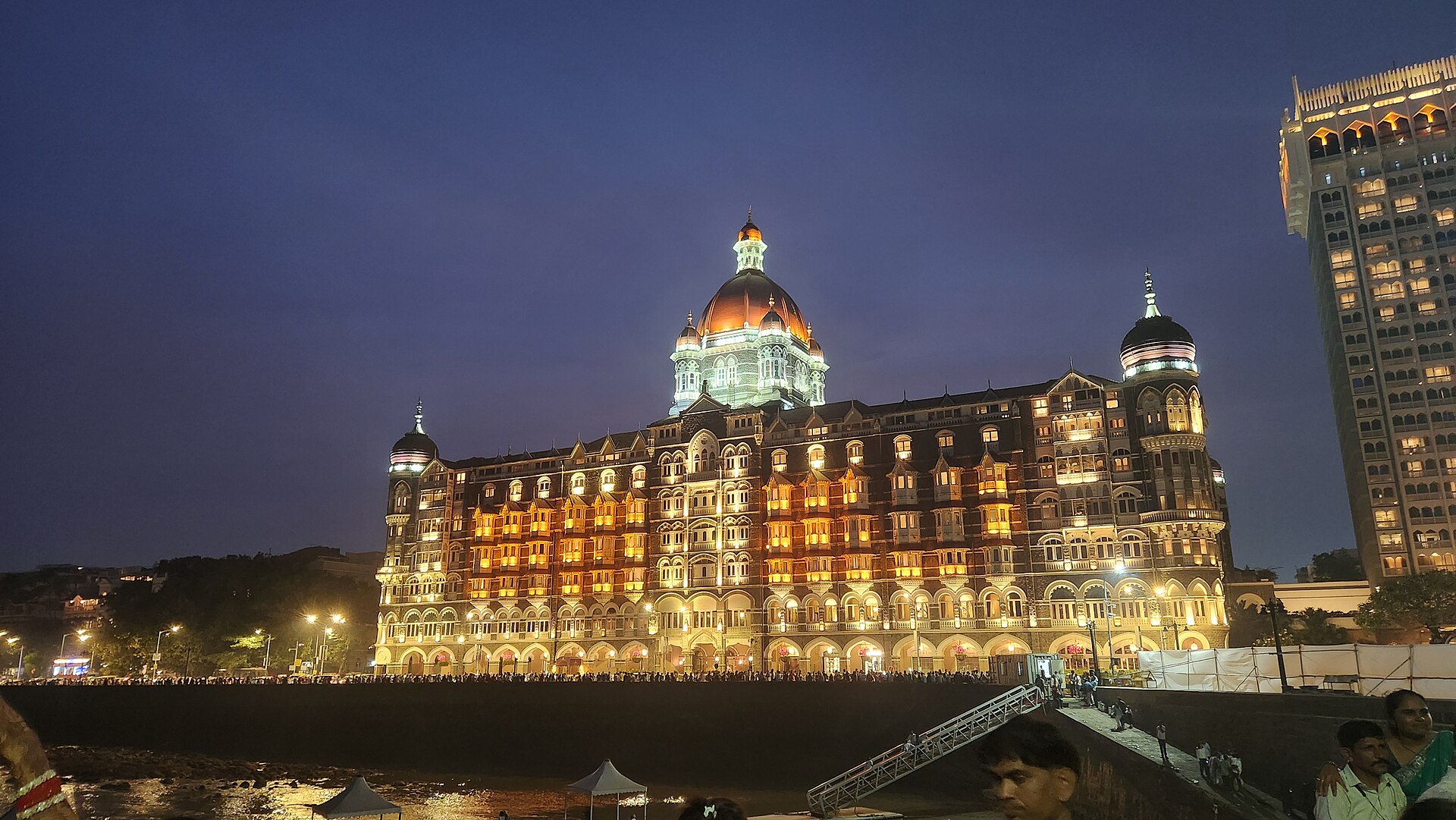
'Palace hotel' is doing an enormous amount of work as a phrase. It is applied to buildings where a maharajaMaharajaA ruling Indian prince — literally 'great king'; a maharani is his queen, or a princess ruling in her own right.Read in the glossary's descendants still occupy a wing, to sixteenth-century forts converted at considerable expense, to modest merchant houses, and to hotels built from scratch in the last twenty years in a palace idiom. All four can be excellent. They are not interchangeable, and choosing between them by photograph alone is how guests end up disappointed in a beautiful place.
The residences
A handful of properties are genuine royal residences where the family remains in part of the building. This matters practically — certain wings and courtyards may be private, and the rhythm of the house is not entirely a hotel's — and it matters atmospherically, because the collections on the walls belong to the people upstairs. For guests drawn to continuity, nothing else compares.
Forts, and the comfort trade
Converted forts give you position and drama that no purpose-built hotel can manufacture: ramparts, approach roads, and views over a town that has looked much the same for centuries. The honest trade is that thick stone walls, small original windows and inherited plumbing geometry impose limits. Rooms vary far more within a fort than within a modern hotel, and the difference between the best and the ordinary room is unusually large.
The question most guests do not think to ask
Which specific room. In heritage buildings this matters more than the property. A fort suite opening onto a private terrace and an interior room down the same corridor carry the same address and produce entirely different holidays. Anyone booking these properties for you should be naming rooms, not just hotels — and should be able to say why.
When not to
Palace hotels are not always the right answer. Guests travelling with small children, guests with mobility considerations, and guests who simply want reliable air conditioning, a good gym and a quiet night are often better served by a first-class modern hotel — and there is no loss of authenticity in saying so. A journey that puts one or two well-chosen heritage stays inside an otherwise comfortable itinerary usually works better than a fortnight of forts.
Questions, Answered
What is the difference between a palace hotel and a heritage hotel?
'Palace hotel' usually implies a former royal residence, though the term is used loosely. 'Heritage hotel' is broader and covers converted forts, merchant havelis and other historic buildings. Some properties marketed as palaces are modern buildings in a palace style.
Are palace hotels in India worth it?
For most guests, one or two are among the strongest memories of a journey. A full itinerary of them is often less successful — historic buildings vary in comfort, and mixing heritage stays with excellent modern hotels usually produces a better trip.
Do royal families still live in India's palace hotels?
In several of the best-known properties, yes — the family occupies a private wing while the rest operates as a hotel. It shapes both the atmosphere and which parts of the building guests can access.
Does the specific room matter in a heritage hotel?
More than almost anything else. Rooms within a historic building vary enormously in size, light, outlook and privacy. Booking should specify rooms, not just properties.
Are palace hotels suitable for families with young children?
Sometimes, but not always. Historic buildings can mean stairs, uneven floors, open water features and rooms that do not interconnect. It is worth raising directly rather than assuming.
Journeys That Take You There
Read Next