Hero photograph: Jodhpur fort 10 — CC BY-SA 4.0, via Wikimedia Commons
Jodhpur tends to get a morning. Guests arrive from Udaipur or Jaisalmer, climb to Mehrangarh, photograph the blue houses from the ramparts, and drive on. It is a defensible way to see the fort and a poor way to see the city, which is one of the most texturally rich in Rajasthan and rewards being slept in rather than passed through.
Mehrangarh, and why to slow down inside it
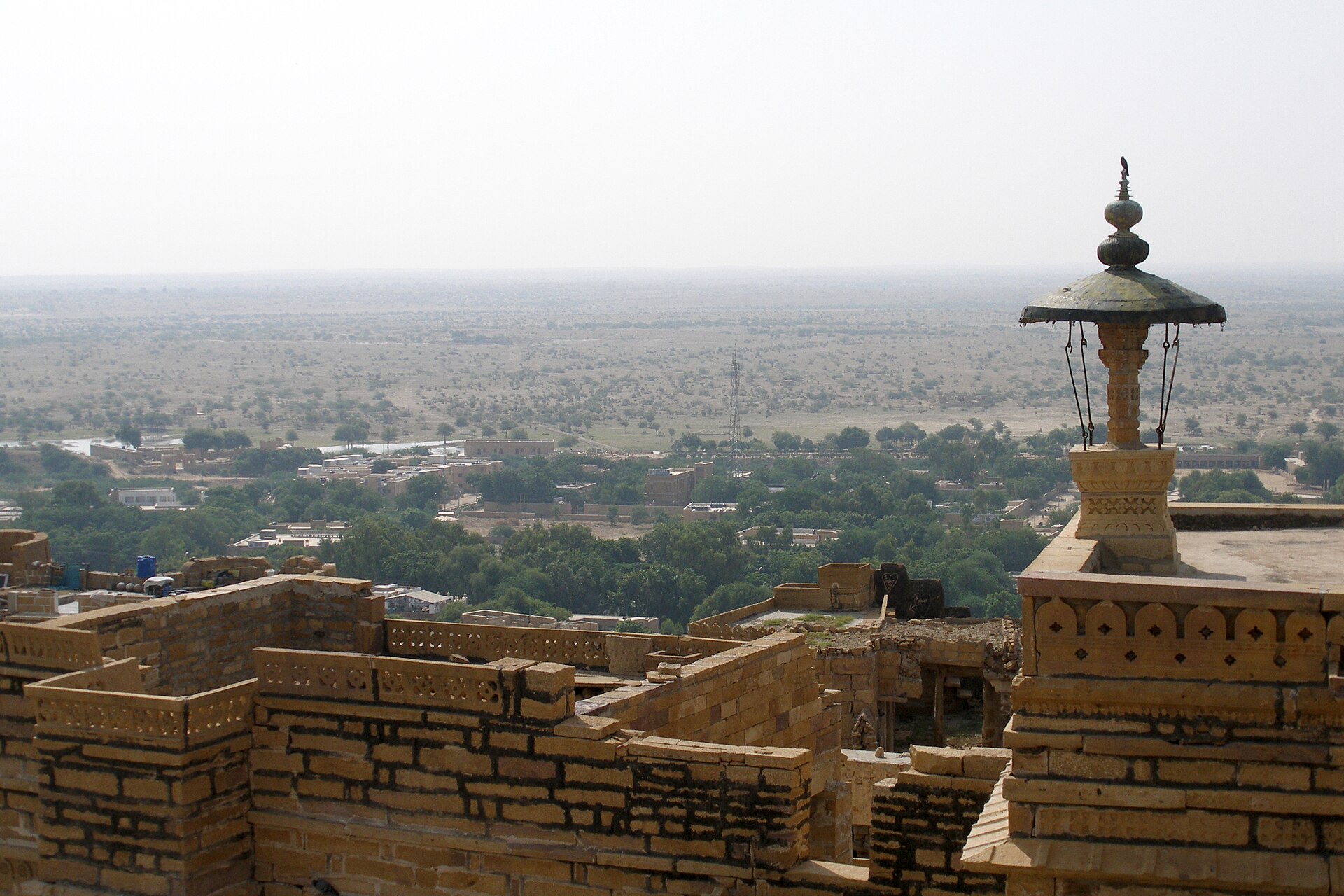
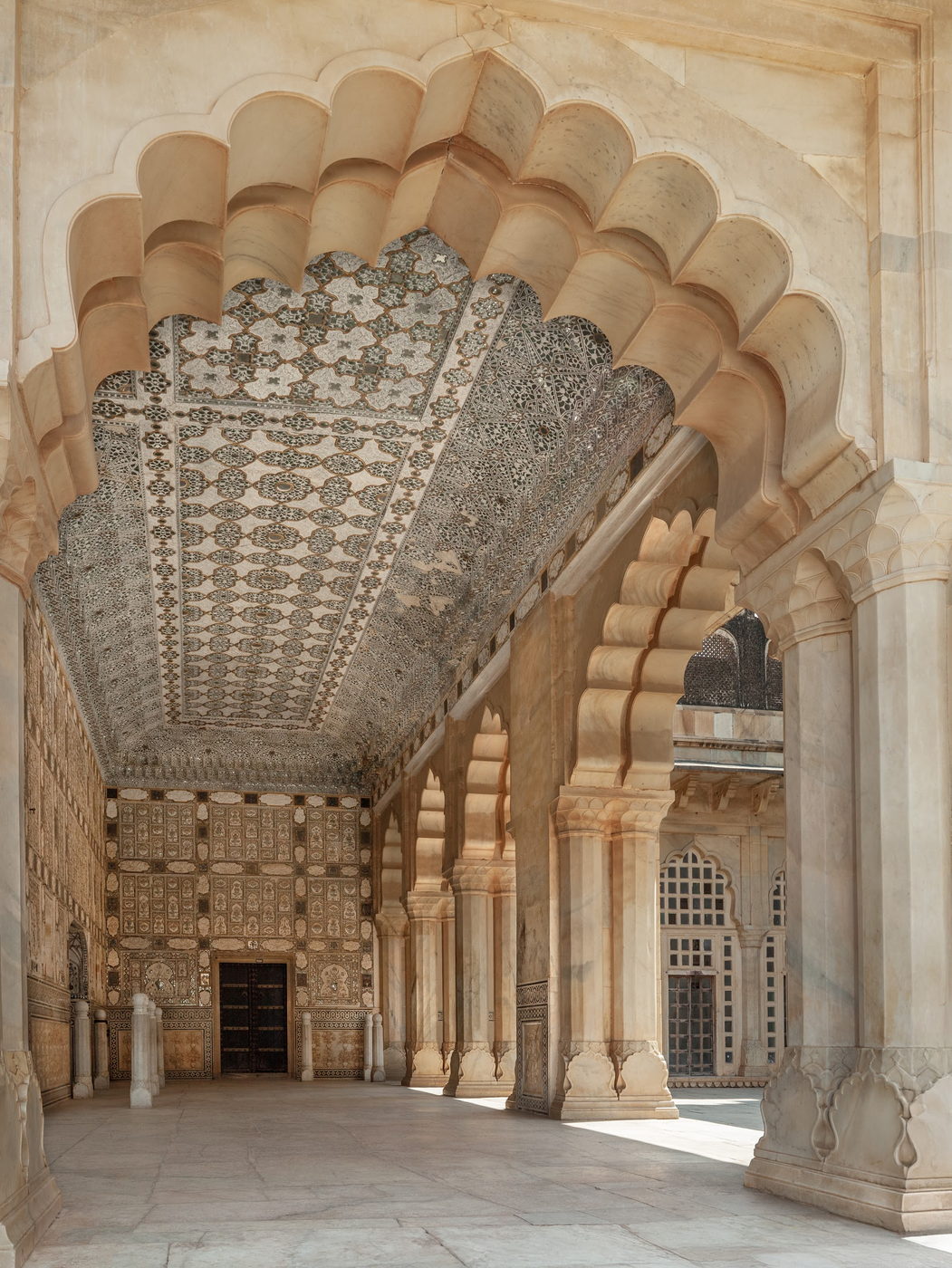
Mehrangarh is not merely dramatic from below; it is unusually well curated within. The Mehrangarh Museum Trust has done work that shames many state-run sites — the palanquins, the miniature paintings, the arms collection and the restored apartments are presented with real scholarship. Guests who allocate an hour end up wanting three. Go early, before the light hardens and the day's coaches arrive, and take the audio guide seriously.
The blue, and what it means
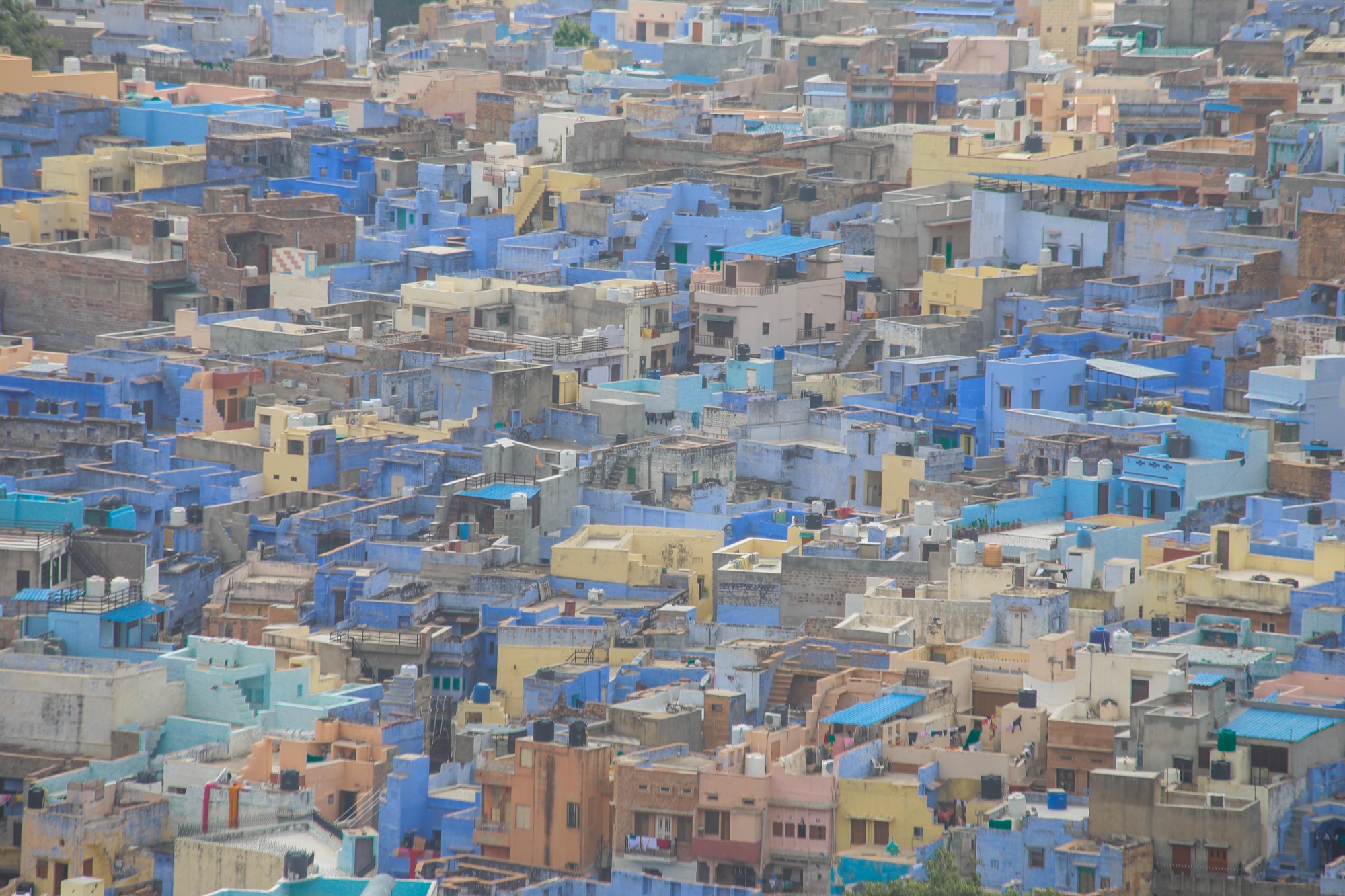
The blue is not a tourism initiative. The most common explanations are that indigo-tinted limewash was associated with Brahmin households, and that it repels insects and keeps interiors cooler — both are probably part of the truth, and the practical explanation has outlived the social one. What matters for a visit is that the blue is concentrated: it clusters in the old city on the fort's northern side, and thins as you move outward. Walking it early, before the lanes fill, is the single best hour Jodhpur offers.
Umaid Bhawan, and the question of where to stay
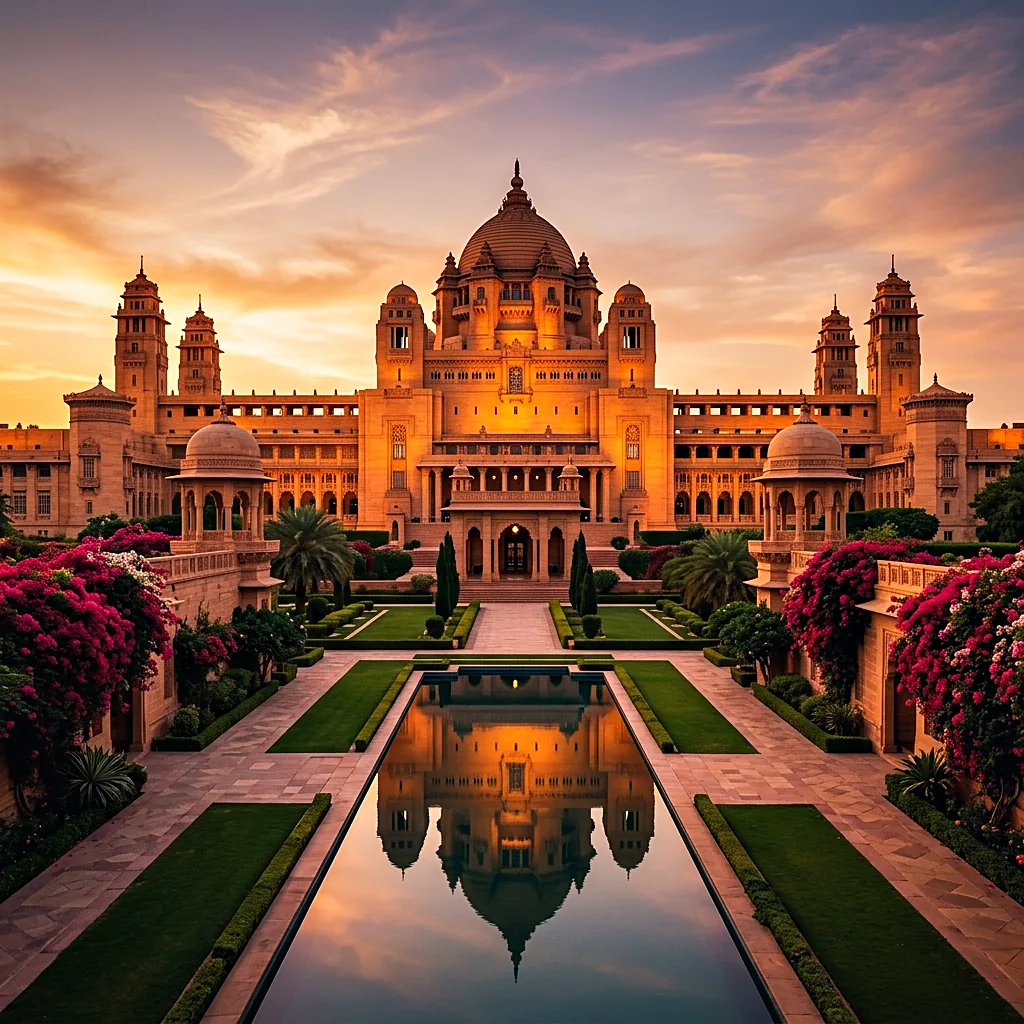
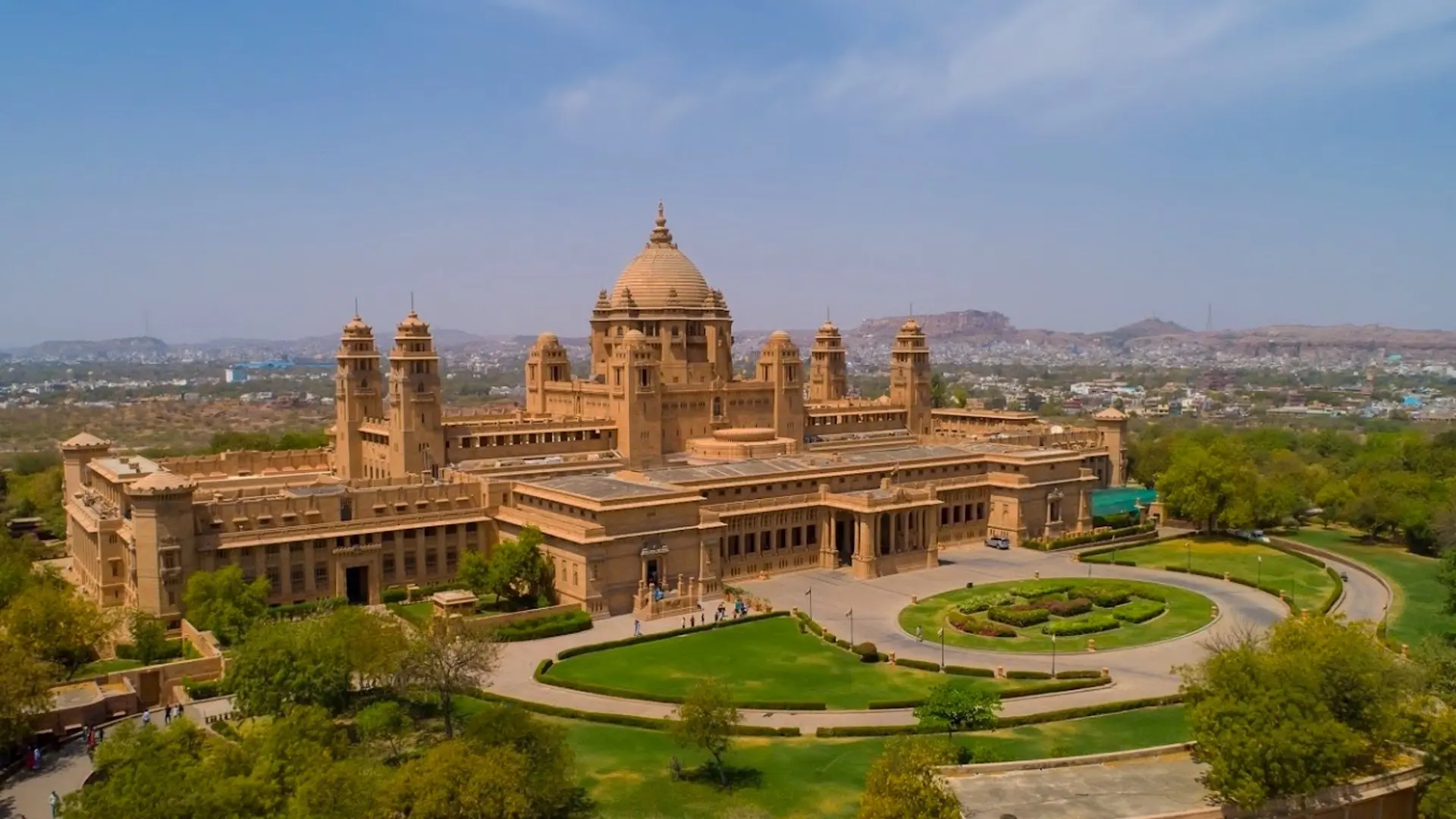
Jodhpur presents an unusually clean choice. Umaid Bhawan Palace is one of the last great palaces built in India, completed in the 1940s, and part of it remains a royal residence — staying there is a particular kind of experience, formal and enormous. Against that, the restored havelisHaveliA traditional townhouse or mansion built around one or more internal courtyards.Read in the glossary and smaller heritage houses inside and around the old city put you within walking distance of the lanes and the fort, which is where the city actually is.
Neither is wrong. They are different holidays, and it is worth being asked which one you want rather than being defaulted into the famous one.
When to go
October to March, without much argument. Jodhpur sits at the edge of the Thar and summer is genuinely punishing — well past 40°C through May and June. The winter months give warm days for the fort and cold, clear evenings, which is when the city is at its best.
Questions, Answered
How many days do you need in Jodhpur?
Two nights is the honest minimum — enough for Mehrangarh unhurried, a morning walking the blue lanes, and an evening in the old city. One night, which is what most itineraries allow, covers the fort and little else.
Why are the houses in Jodhpur blue?
The most likely explanations are that indigo-tinted limewash was historically associated with Brahmin households, and that it helps repel insects and keeps interiors cooler. The practical reasons have outlasted the social ones. The blue is concentrated in the old city below the fort's northern face.
Is Mehrangarh worth visiting?
It is one of the finest forts in India and among the best-presented historic sites in the country. The museum collections — miniatures, palanquins, arms, restored apartments — deserve as much time as the ramparts and the view.
What is the best time to visit Jodhpur?
October to March. Days are warm and clear and evenings are cold. Summer temperatures on the edge of the Thar regularly exceed 40°C through May and June.
Should I stay at Umaid Bhawan Palace?
It depends what you want. Umaid Bhawan is grand, formal and still partly a royal residence — a particular experience in itself. The restored havelis in and around the old city are smaller and less ceremonious but put you within walking distance of the lanes and the fort, which is where the city's character lives.
Journeys That Take You There
Read Next