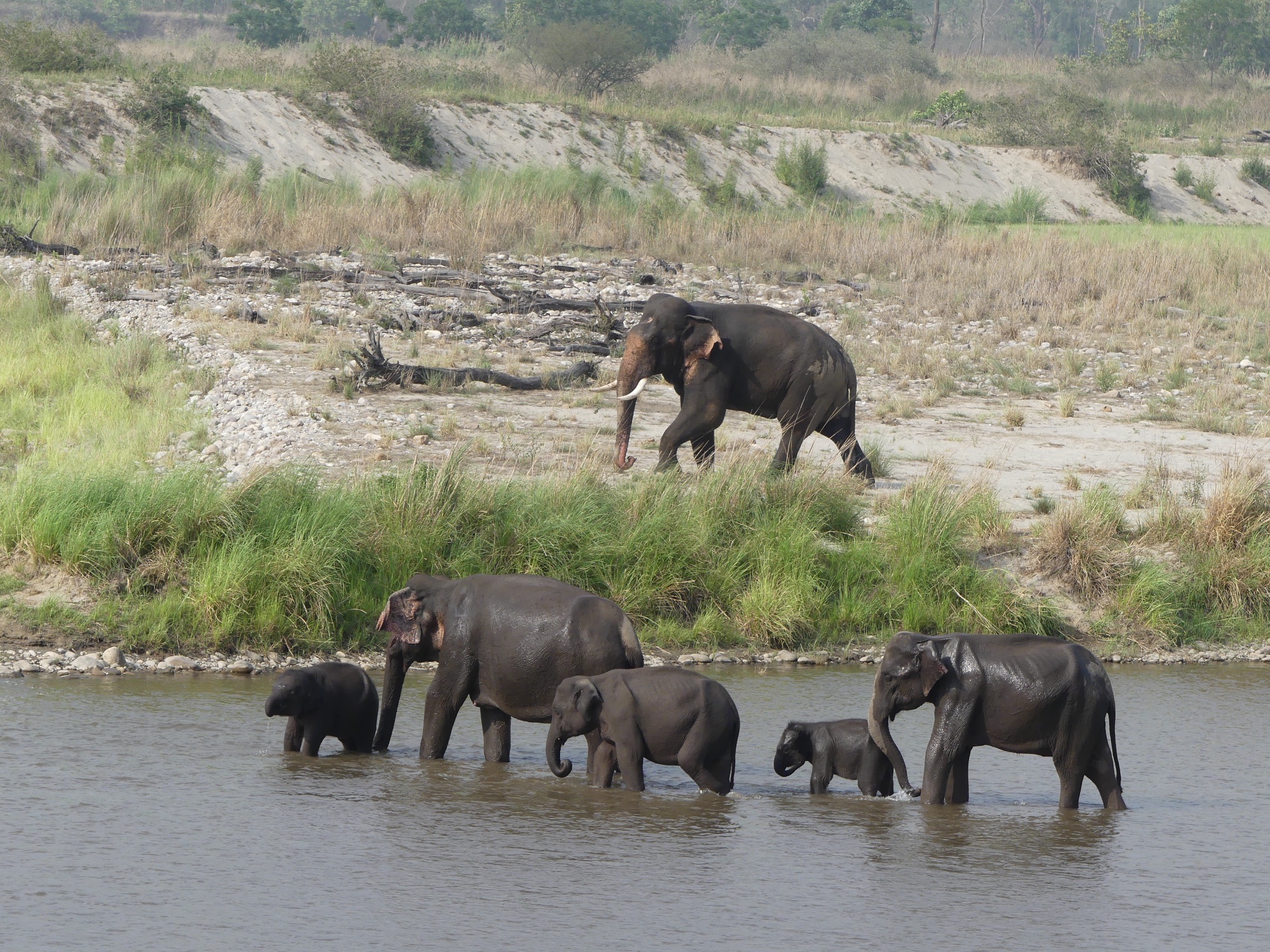
Hero photograph: Elephant group in Corbett TR, June 2017, AJT Johnsingh. P1120887 — CC BY-SA 3.0, via Wikimedia Commons
Ranthambore for the better odds of actually seeing a tiger on a short trip, dramatic open terrain and an effortless pairing with Rajasthan or the Golden Triangle. Jim Corbett for a wilder, greener Himalayan-foothills forest with elephants and rich birdlife, when you have a little more time and the tiger is not the only point.
| Ranthambore | Jim Corbett | |
|---|---|---|
| State | Rajasthan | Uttarakhand (Himalayan foothills) |
| Terrain | Dry deciduous, open, a ruined hilltop fort | Green, riverine, hills and dense forest |
| Tiger-sighting odds | Higher — open ground, well-tracked tigers | Lower — dense cover, tigers harder to see |
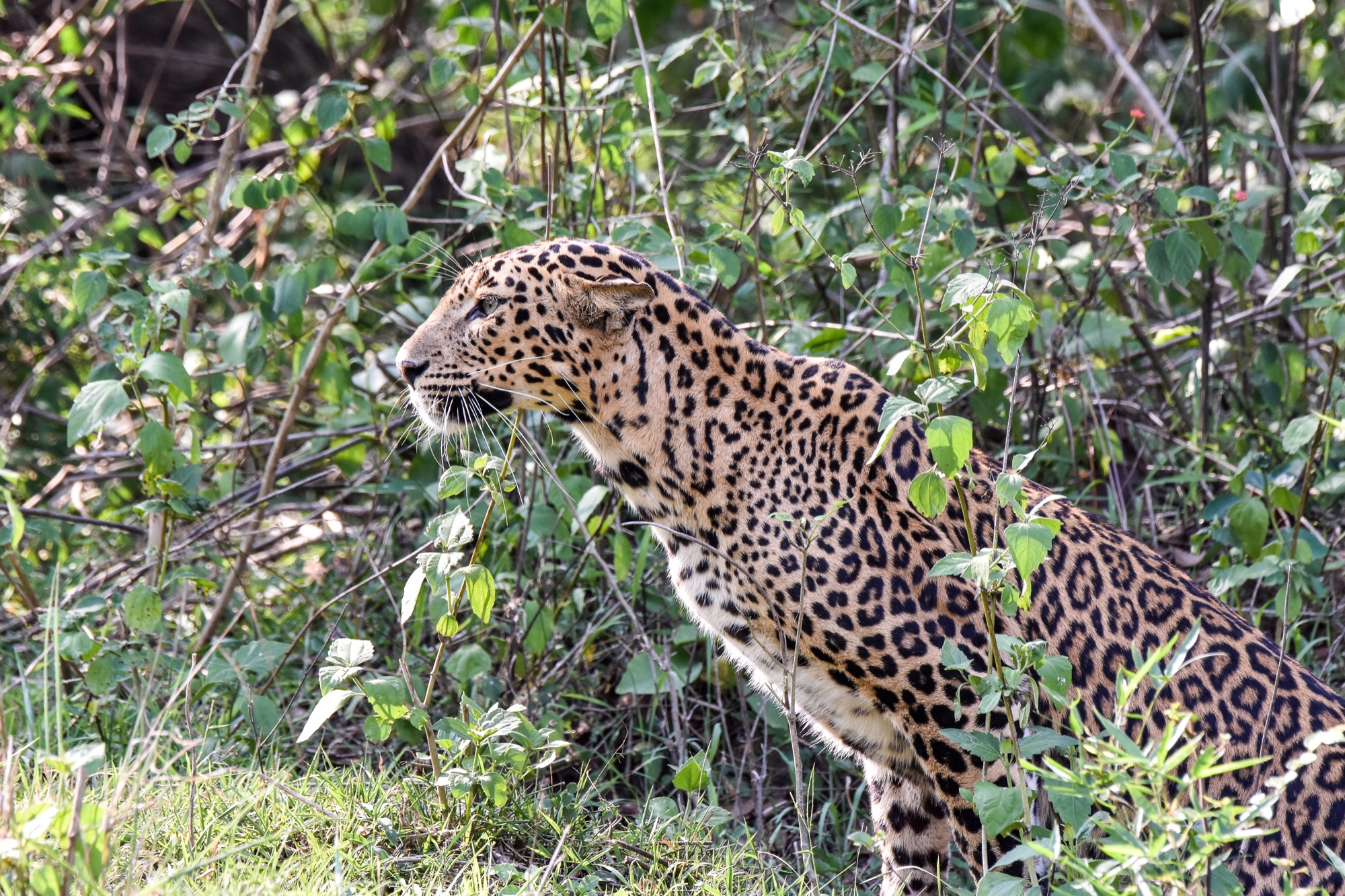
| Beyond tigers | Leopard, sloth bear, deer, birdlife | Elephant herds, exceptional birds, river gharial |
| Nearest gateway | Jaipur (~3.5 hrs), on the Rajasthan circuit | Delhi (~5–6 hrs), the foothills |
| Pairs with | Golden Triangle, Rajasthan palaces | Delhi, Rishikesh, the Himalaya |
Two of India's most storied tiger reserves, and travellers often assume they are interchangeable. They are not. Ranthambore, in eastern Rajasthan, is the one most first-time safari-goers should choose; Jim Corbett, in the Himalayan foothills of Uttarakhand, is the older, wilder, greener park that rewards a different kind of traveller. The right answer turns on two things: how much you want to guarantee a tiger, and how the safari fits the rest of your journey.
Choose Ranthambore for the tiger itself
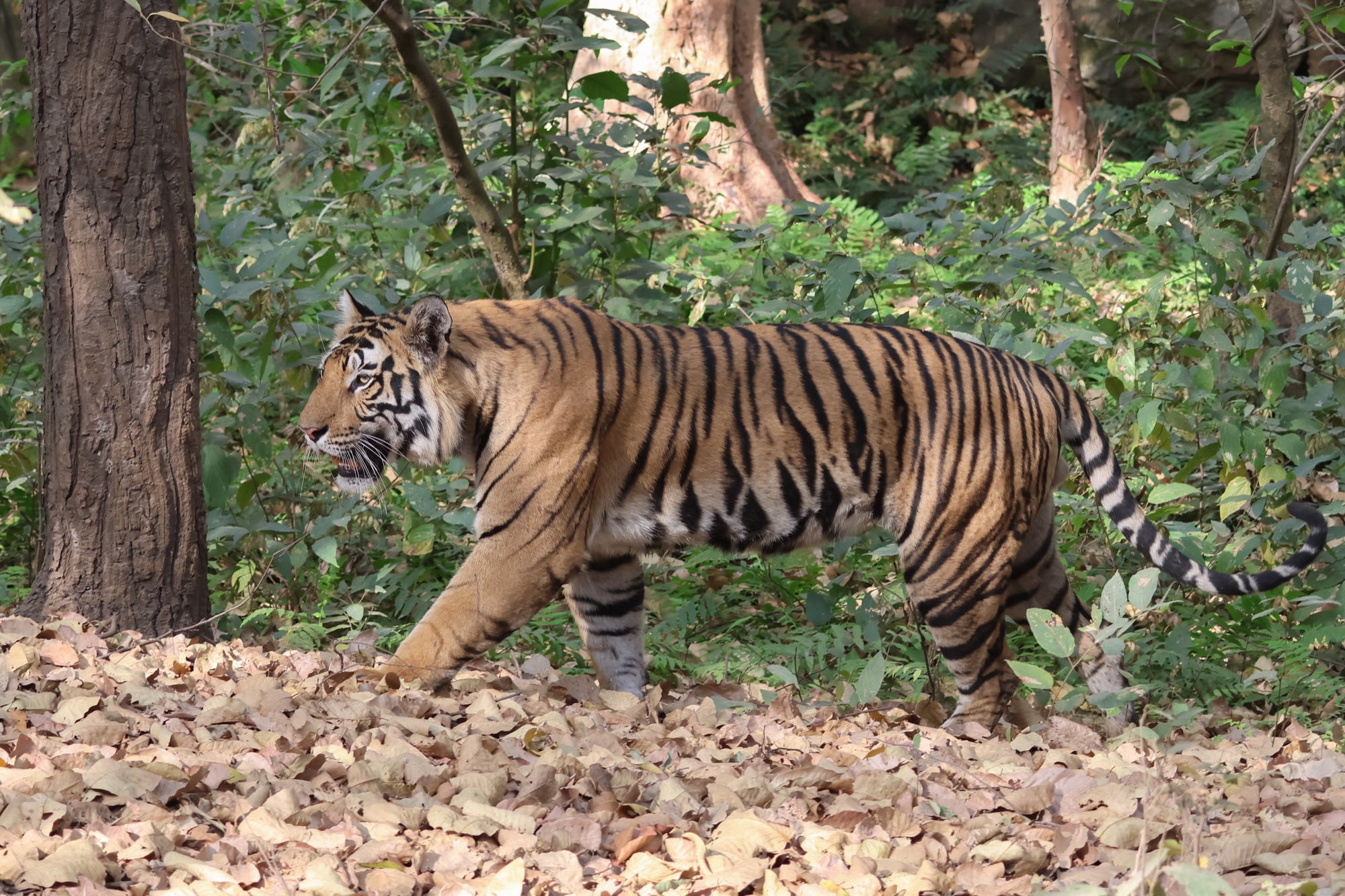
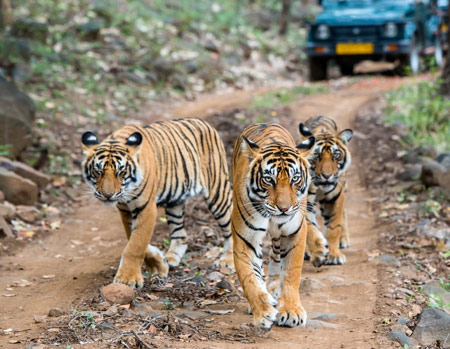
If seeing a wild tiger is the point of the trip, Ranthambore is the wiser bet. Its dry, open terrain — golden grassland, lake edges and the romantic ruins of a tenth-century fort — gives you long sight-lines, and its tigers are well-tracked and relatively used to vehicles, so the odds of a sighting over two or three drives are among the best in India. It is also the effortless choice logistically: three and a half hours from Jaipur, it drops straight into a Rajasthan or Golden Triangle itinerary without a separate journey. For most travellers with a week or two in the north, Ranthambore is the safari that works.
Choose Jim Corbett for the wilderness
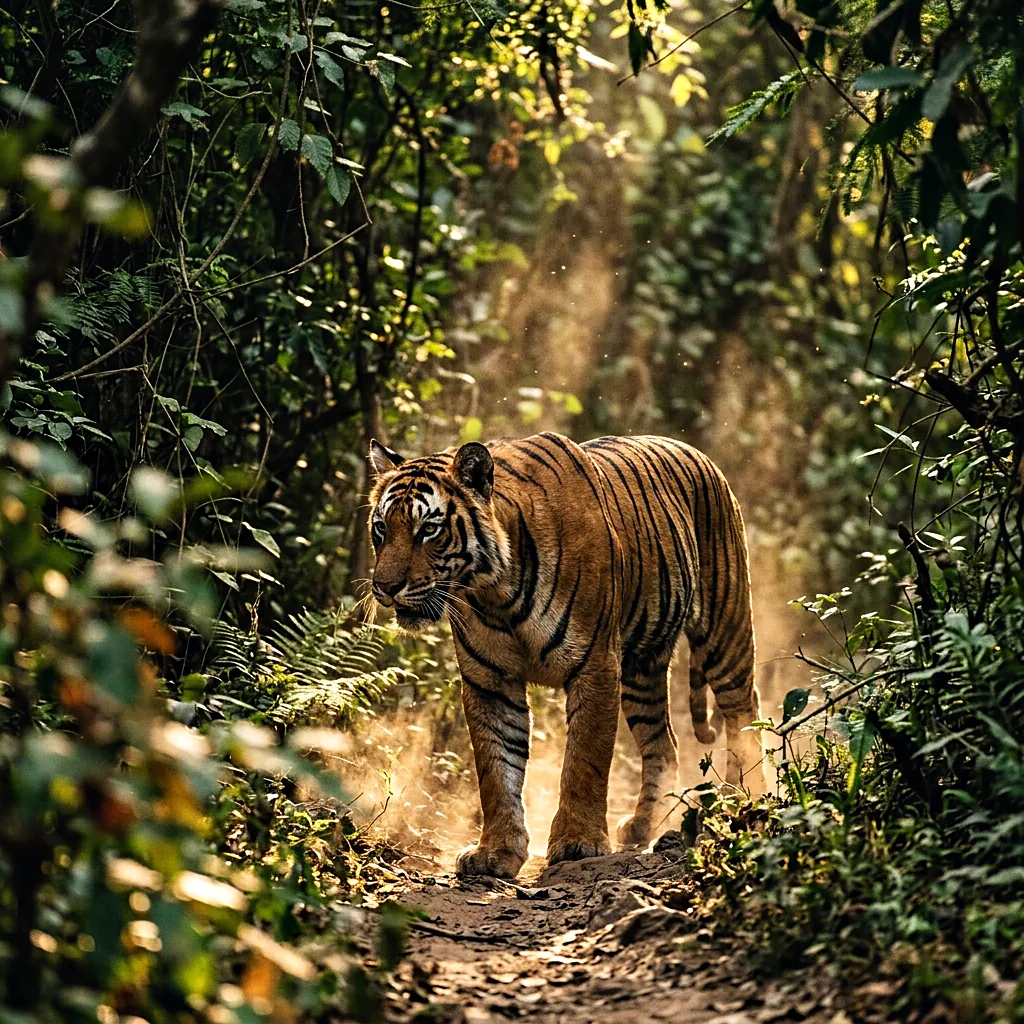
Corbett is the older soul — India's first national park, founded in 1936, and one of its largest. It is a different landscape entirely: green and riverine, backed by the Himalayan foothills, with salSalA tall hardwood tree that forms the dominant forest of central and northern India.Read in the glossary forest, grassland and the Ramganga river running through it. The trade-off is honest. That dense cover makes tigers genuinely harder to see than at Ranthambore, so if a guaranteed sighting is everything, Corbett can disappoint. But it offers more as a wilderness — wild elephant herds, gharialGharialA critically endangered fish-eating crocodilian of India's rivers, with a very long, narrow snout.Read in the glossary in the river, and some of the finest birdwatching in the country — and it feels remote in a way Ranthambore, beside a busy town, does not. It suits the traveller who wants the forest as much as the cat.
Which fits your journey?
Geography usually decides it. Ranthambore belongs to a Rajasthan trip; Corbett belongs to a northern one built around Delhi, Rishikesh and the mountains. If your itinerary is already in Rajasthan, adding Corbett means a long detour, and Ranthambore is the natural safari. If you are travelling the Himalayan north and want a wildlife chapter, Corbett is the one on your route.
And there is a third answer for the committed: for the very best tiger photography, the central Indian parks — Bandhavgarh and Kanha — outdo both. Where a trip is built around the tiger, we often send guests there instead, and reserve Ranthambore for its unbeatable combination of good sightings and a fort in the frame. Elevated India plans the safari around your naturalistNaturalistThe trained wildlife guide who accompanies guests on safari, reading tracks, alarm calls and behaviour to find animals.Read in the glossary priorities and threads it into the wider journey, so the reserve fits the trip rather than bending the trip to the reserve.
Questions, Answered
Is Ranthambore or Jim Corbett better for seeing tigers?
Ranthambore. Its open, dry terrain and well-tracked tigers give better sighting odds over a short visit, while Jim Corbett's dense forest makes tigers harder to spot. Corbett offers a richer overall wilderness — elephants, river wildlife and superb birds — but for the tiger itself, Ranthambore is the safer choice.
Which is easier to reach, Ranthambore or Corbett?
Both are a half-day from a major city. Ranthambore is about three and a half hours from Jaipur and sits on the Rajasthan and Golden Triangle circuit. Jim Corbett is roughly five to six hours from Delhi in the Himalayan foothills, pairing more naturally with a northern or mountain itinerary.
How many days do you need at Ranthambore or Corbett?
Two nights, giving three or four game drives, is the sensible minimum at either park — one drive is a gamble, several stack the odds and let you see the reserve properly. Corbett's larger area and different zones can reward a third night for keen naturalists.
What can you see at Jim Corbett besides tigers?
Corbett is one of India's richest wildlife parks: wild Asian elephant herds, the Ramganga river with gharial and mugger crocodile, otters, deer, and outstanding birdlife with hundreds of species. Many visitors come as much for the forest, river and birds as for the tigers.
Which tiger reserve is best in India?
It depends on the goal. Ranthambore offers the best mix of good sightings and scenery near Rajasthan; Bandhavgarh and Kanha in central India have the highest densities for serious tiger photography; Jim Corbett is the wildest and greenest but with lower sighting odds. A good operator matches the reserve to your priorities and route.
Journeys That Take You There
Read Next