Planning Guides8 min readPublished August 4, 2026
Movement is where Indian itineraries are won or lost. The monuments will not disappoint you; the question is whether you arrive at them fresh. The architecture of a good trip uses three modes in strict roles: a private car with driver as the spine, the odd train for romance or efficiency, and domestic flights for anything beyond four hours by road.
What visitors should not do is drive themselves. This is not timidity — Indian traffic is a fluent local language of horn, gesture and negotiated space that takes years to speak. Every seasoned India hand, without exception, is driven.
The private car and driver
For roughly $60–120 a day depending on vehicle class, a car and professional driver stay with you throughout a region — not airport transfers, but a fixture: he knows the back gate to the fort, the clean bathroom stop on the Jodhpur road, the moment to leave for sunrise. Over a two-week journey this is the single highest-value line in the budget, and the relationship becomes part of the trip; many of our travelers still exchange Diwali greetings with their drivers years later.
Within cities, the car handles the day's arc while short hops belong to app cabs (Uber works in major cities) and, once in a while, an auto-rickshaw for the theatre of it — agree the fare first, or better, let your guide do it.
Trains, flights and the Delhi–Agra question
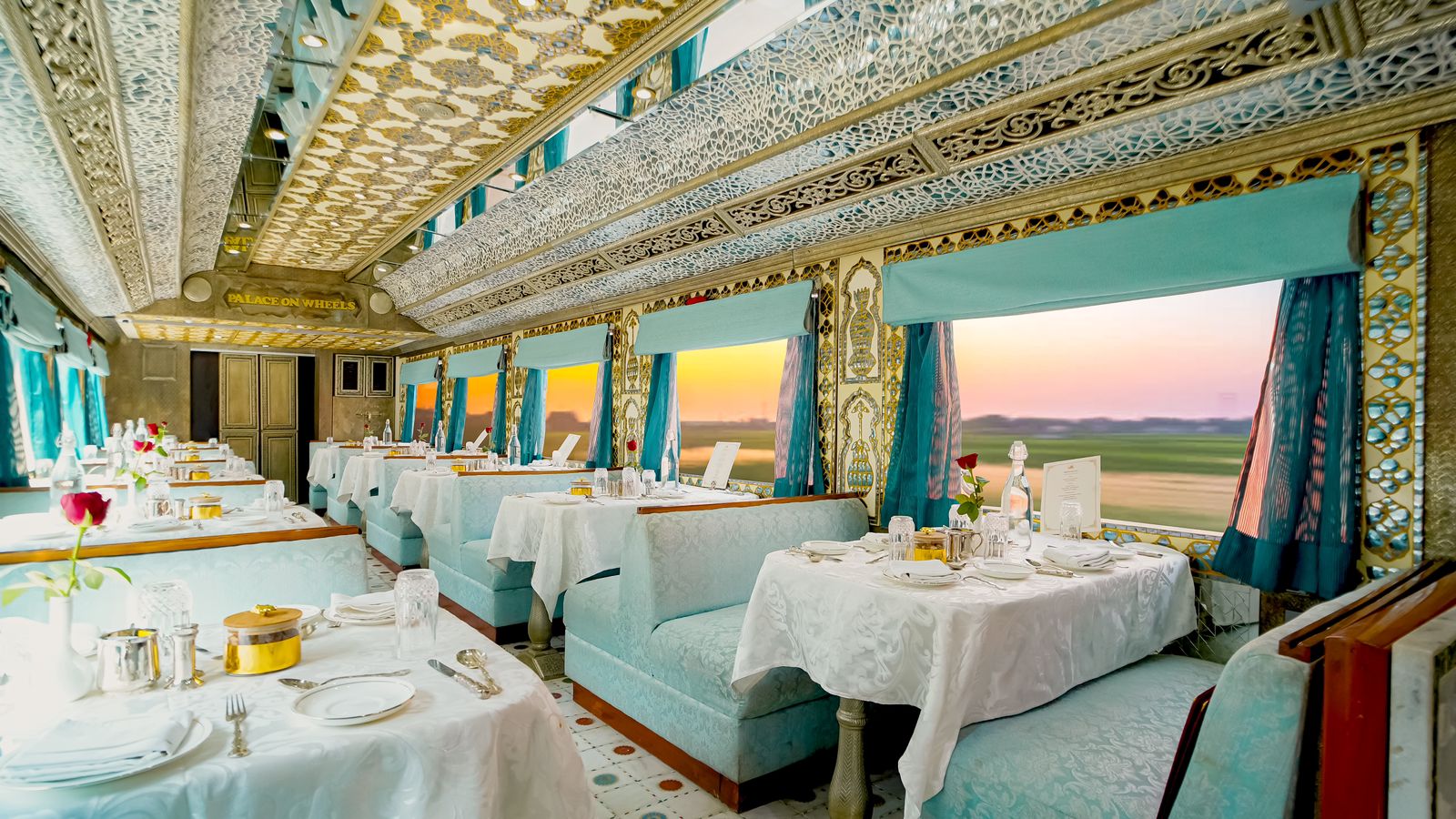
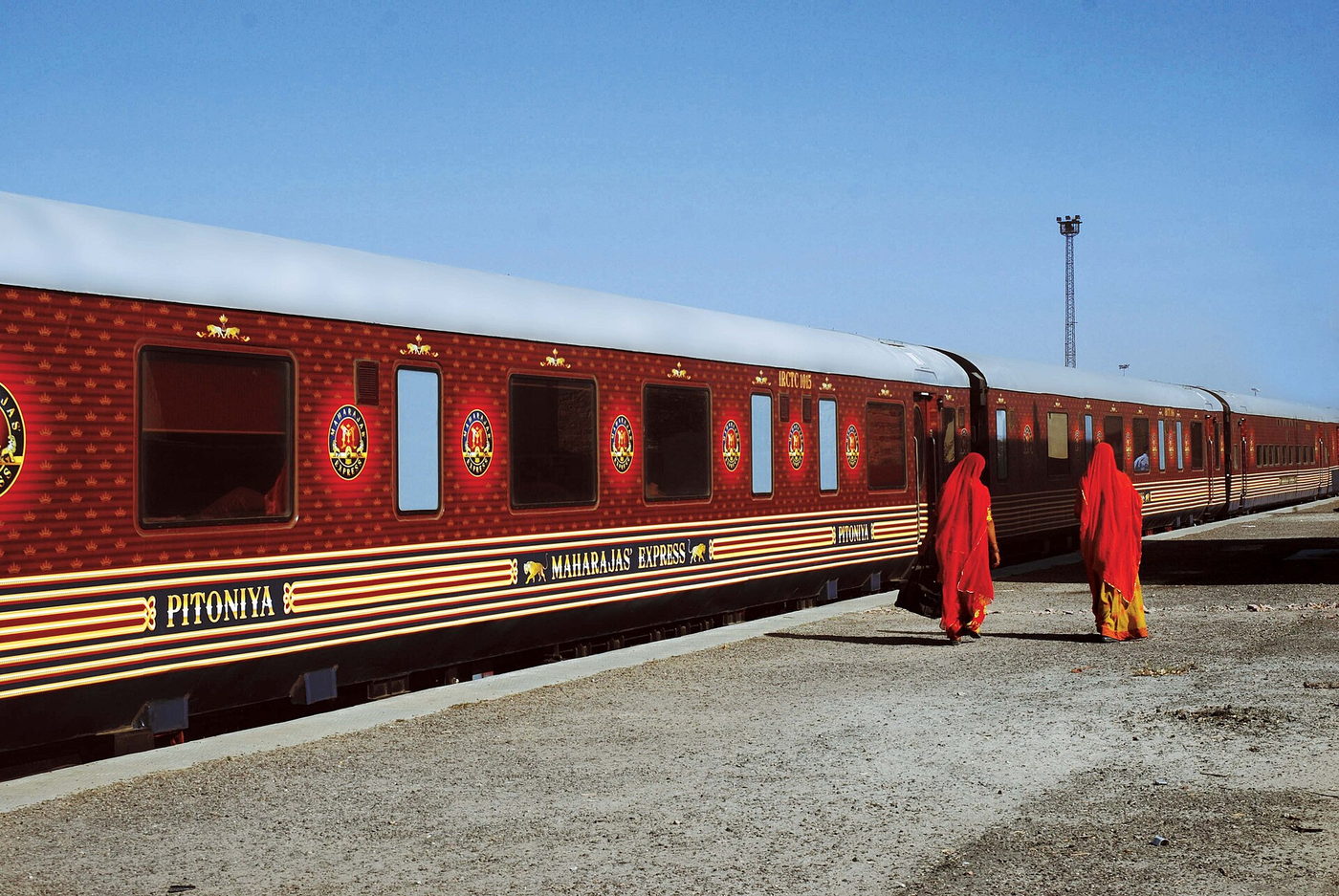
Indian Railways is a civilisation in itself and worth one considered encounter. The modern showpieces — the Vande Bharat expresses — make certain corridors genuinely excellent: Delhi to Agra in under two hours turns the Taj into a graceful day-return, and it is the rare route where the train beats the car (three to four hours by road) decisively. Book reserved chair-car classes; the romance of open-window second class is better admired from the platform. For the full-dress version, the luxury trains — MaharajasMaharajaA ruling Indian prince — literally 'great king'; a maharani is his queen, or a princess ruling in her own right.Read in the glossary' Express, Palace on Wheels — are cruises on rails and a category of their own.
Domestic flights knit the regions: Delhi–Udaipur, Jaipur–Mumbai, Delhi–Kochi — hour-or-two hops on IndiGo, Air India and Vistara's merged network that replace brutal drives. The tips that matter: fly morning (fog and cascading delays punish afternoons in winter), respect the strict 15kg checked / 7kg cabin allowances of economy fares, and leave ninety minutes for domestic connections. Beyond four hours of road, fly; between two and four, weigh the countryside — some of India's best scenes happen through a car window at village speed.
Begin Properly
Let a curator sketch your India
A few short questions — who is traveling, what draws you, how you like to move — and we reply with a first sketch of the journey we would design for you. No commitment; just a considered starting point.
Begin Your Private EnquiryQuestions, Answered
What is the best way to get around India?
A private car with professional driver within each region, domestic flights between regions, and select trains on corridors where they excel (like Delhi–Agra). Self-driving is not recommended for visitors.
How much does a private driver cost in India?
Roughly $60–120 per day including the vehicle, varying with car class and region — one of world travel's great value propositions, and on multi-day journeys the driver becomes a fixture of the trip.
Is train travel in India good for tourists?
Selectively, yes. Modern expresses like the Vande Bharat make Delhi–Agra and similar corridors fast and comfortable in reserved classes; long overnight routes are better flown. Luxury trains (Maharajas' Express, Palace on Wheels) are a destination in themselves.
Delhi to Agra: train or car?
Train, usually — under two hours on the fastest expresses versus three to four by road, making a sunrise-Taj day trip elegant. The car wins only if you are continuing onward from Agra into Rajasthan.
Are domestic flights in India reliable?
Broadly yes on the trunk routes, with two caveats: book morning departures in winter (Delhi fog cascades through the day) and respect the tight baggage allowances — typically 15kg checked, 7kg cabin, on standard economy fares.
From the Journal
Journeys That Answer This