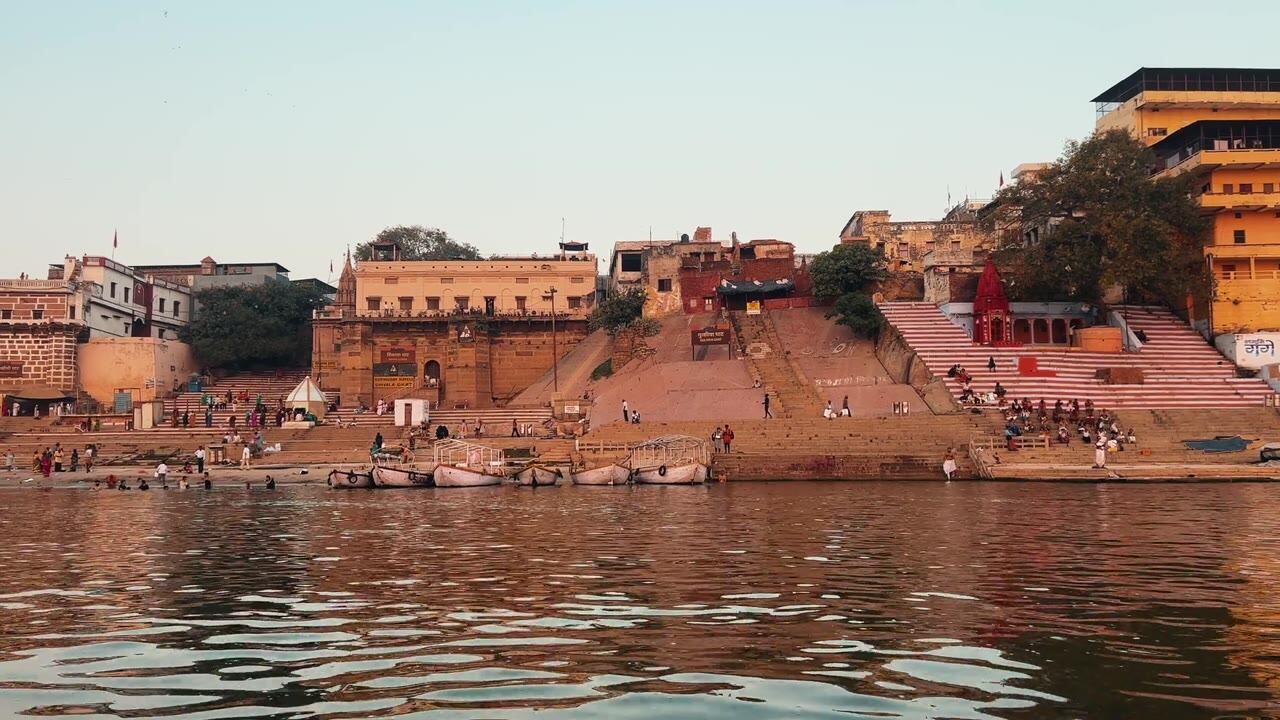
What does a private guide do, and what does the driver do?
They are two people with two jobs, and both are part of every journey we run.
| Private guide | Chauffeur | |
|---|---|---|
| Job | Shows you a city or a site, and explains it | Drives, waits, and looks after you on the road |
| With you | For the sightseeing day in their own city | For the whole road journey, usually the same person |
| Changes | City by city | Rarely, unless the route changes region |
Why a different guide in each city?
Because the knowledge that makes a guided day worth having is local and deep rather than national and broad. The guide who knows Jaipur's craft quarters properly is not the person who knows the Mughal foundations of Agra or the temple grammar of Ranakpur.
A single escort for a fortnight is a convenience for the operator. A specialist in each place is better for you. The exception is a long journey within one region, where continuity begins to beat specialism, and there we will suggest one guide throughout.
Our lead guides
These are the three guides who lead our journeys. Two of them, Gulab Singh and Hariom Sharma, are also senior journey curators, so the people who walk you through a fort are often the same people who designed the day.
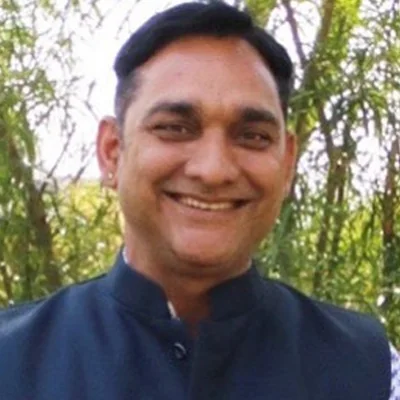
Gulab Singh
Senior Tour Guide · Senior Journey Curator
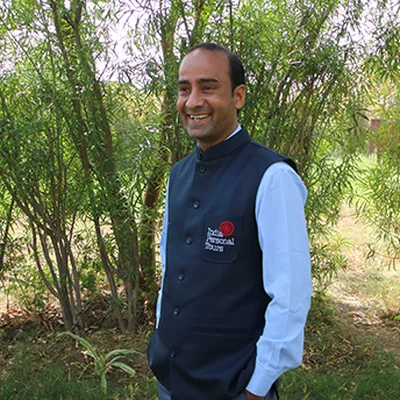
Hariom Sharma
Licensed Guide · Senior Journey Curator
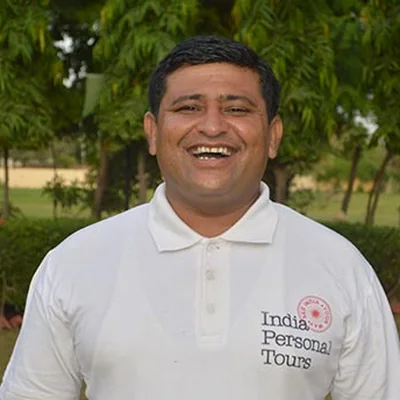
Narendra
Licensed Guide
In each city they work alongside local specialist guides, chosen by the criteria below, where a place or a subject calls for someone who has spent their life on it.
The curators who brief them
Before a guide meets you, a journey curator has told them who you are and what you want from the day. These are the curators who do that, with the senior curators listed on the curators page.
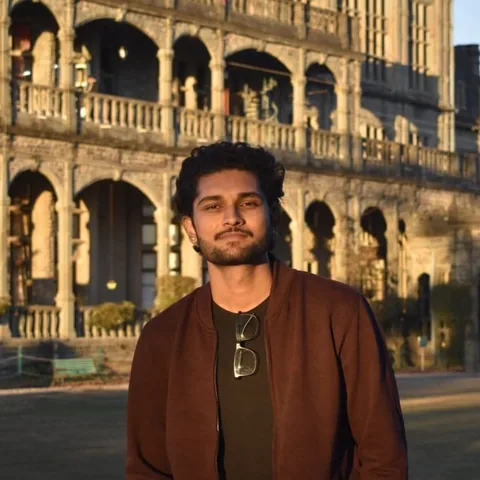
Kunal
Journey Curator

Vanshika
Journey Curator
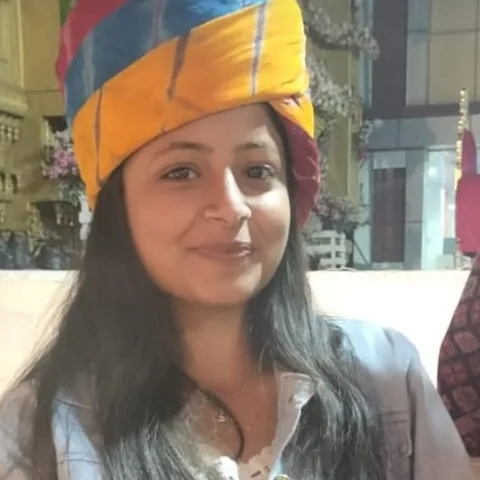
Chhavi
Journey Curator
How we choose them
We do not use a roster, and we do not accept whoever a ground agent sends. The guides we use are people we or our colleagues have spent days with, which is why the list in each city is short.
What we look for, in order
- Whether they are still curious about their own subject after twenty years.
- Whether they can be quiet, and let a place speak.
- Whether they will politely contradict a guest who is wrong.
- Whether they say “nobody actually knows” when nobody does, rather than inventing an answer.
- How they treat the driver, which tells you more about a person in half an hour than anything they say about architecture.
Before your trip we ask what you actually want to know: that you are an architect, keep bees, or have read a great deal about Partition. The guide then arrives with something prepared for you rather than for the category of visitor you belong to.
Can I have a guide who specialises in what I care about?
Yes, and it is the most useful request you can make. In the major cities there are guides whose own interest is textiles, architecture, birds, food, photography, Mughal history, Jain philosophy or the politics of the last thirty years.
Tell us when you first enquire rather than the week before. The good specialists are booked by name, and the best of them are not always free.
Where our guides are strongest, and where they are not
It would be easy to claim excellent guides everywhere. It would not be true, and you would find out.
| Depth | What that means for you | |
|---|---|---|
| Delhi, Agra, Jaipur, Udaipur, Varanasi, Kochi | Deep | Guides we would put in front of anybody, including specialists |
| Smaller towns and single sites | Limited | Competent rather than remarkable; sometimes better to go without a guide and let the place be quiet |
| English | Very good everywhere | Your first choice of guide, in most places |
| French, German, Italian, Spanish | Decent in the main cities | Ask early; the pool is smaller |
| Japanese, Korean | Thin almost everywhere | We will tell you honestly what is possible on your route |
We will say when a place has no guide we rate, rather than send one anyway.
Are they licensed?
Yes. Every guide we use holds a government guiding licence. It is worth knowing what that does and does not tell you: the old Regional Level Guide scheme was replaced in 2021 by the Incredible India Tourist Guide and Tourist Facilitator programmes, and the right to guide for payment inside a centrally protected monument comes from the Archaeological Survey of India, under a separate rule. A licence shows that somebody passed something. It does not show how good they are, which is why we choose by the criteria above. The full picture is in our guide to tour guides in India.
What a day with a private guide looks like
Before the day
The guide has your notes: who you are, what you have already seen, what you want to know, and anything about mobility or heat.
The early start
Where it matters, at the Taj Mahal, the Amber Fort or the ghats of Varanasi, the day begins at opening, before the coaches.
The route, rebuilt
A good guide reads the party in the first twenty minutes and changes the plan to suit it: shorter, slower, deeper, or somewhere else entirely.
No detours you did not ask for
If you do not want to visit shops, say so. It is the clearest instruction you can give, and it should be followed.
The end of the day
The car is waiting where the walk ends. Anything you want to change for tomorrow goes to the guide or to us that evening.
What if a guide is not working out?
We change them: the same day if we can, the next morning if not, and without asking you to have a conversation about it. The guide is not told that you asked.
The one thing we ask is that you tell us early. Guests are reluctant to complain about someone perfectly pleasant, which is decent of them and expensive for their trip. A half-day lost to politeness is a half-day lost.
Questions, Answered
Do I need a private guide in India?
Not to get into monuments: you can enter the Taj Mahal with a ticket and no guide. But at the great sites, the old cities and anywhere the story is not written on the walls, a good private guide is the difference between seeing a place and understanding it. In quiet places we sometimes suggest going without one.
Is a licensed guide required at Indian monuments?
Not for entry. What the licence governs is who may guide for payment. Inside centrally protected monuments that permission comes from the Archaeological Survey of India; more broadly, the Regional Level Guide scheme was replaced in 2021 by the Incredible India Tourist Guide and Tourist Facilitator programmes.
Will I have the same guide for the whole trip?
Usually a different guide in each city, chosen for that place. On a long journey within a single region we may suggest one guide throughout, because continuity then matters more than specialism.
Can I have a guide who speaks French, German, Italian or Spanish?
In the main cities, usually yes, if you ask early; the pool is smaller than for English. Japanese and Korean speaking guides are scarce almost everywhere, and we will tell you plainly what is possible on your route.
Can I ask for a guide with a particular specialism?
Yes. Textiles, architecture, birds, food, photography, Mughal history, Jain philosophy and contemporary politics are all possible in the major cities. Tell us at the enquiry stage, because the specialists are booked by name.
Should I tip my guide, and how much?
Yes. We give a sensible range for your specific trip rather than a single figure, because it varies by city, the length of the day and what was done. Give it directly and in person at the end of the day: that is a thank-you, where a sum settled at the end of the trip is an accounting entry.
What happens if I do not like my guide?
Tell us, ideally on the first afternoon. We change the guide that day if we can and the next morning if not, without making it awkward, and the guide is not told that you asked.
Who stands behind this page
Elevated India designs and runs private journeys across India and Nepal. The cars are our own, the guides and chauffeurs are retained across the year rather than hired by the day, and a control room answers around the clock. Read who we are on the founders and the curators pages, and what guests have said on testimonials. If anything here is wrong or out of date, write to hello@elevatedindia.com and it will be corrected.
Six short questions. A curator replies with a first sketch of your journey.
Or speak with a journey curator